

What is Cholesterol and Why is it Important?
Cholesterol is a waxy substance found in your blood that your body needs to function properly. However, having high levels of bad cholesterol (LDL) in your blood can increase your risk of heart disease and stroke. It’s essential to maintain healthy cholesterol levels to protect your overall health and well-being.
Bad Cholesterol (LDL) vs. Good Cholesterol (HDL)
LDL cholesterol is often referred to as “bad” cholesterol because it can build up in the walls of your arteries, causing atherosclerosis and increasing your risk of heart disease. On the other hand, HDL cholesterol is known as “good” cholesterol because it helps remove LDL cholesterol from your arteries, reducing your risk of heart disease.

The Role of Vitamin B Complex in Lowering Cholesterol
Vitamin B complex consists of eight B vitamins that play a crucial role in cell metabolism and energy production. Several studies have shown that certain B vitamins can help lower cholesterol levels by reducing LDL cholesterol and increasing HDL cholesterol. Including vitamin B complex in your diet can be an effective way to naturally manage your cholesterol levels.
How Vitamin B Complex Lowers Cholesterol
Vitamin B6, B12, and folic acid (B9) are particularly beneficial in lowering cholesterol levels. These B vitamins help break down homocysteine, an amino acid linked to heart disease when present in high levels. By reducing homocysteine, B vitamins can improve artery health and lower LDL cholesterol levels, ultimately reducing your risk of heart disease.
Best Food Sources of Vitamin B Complex
Vitamin B6 Sources
| Food Sources | Vitamin B6 Content (mg) |
|---|---|
| Chickpeas | 1.1 |
| Salmon | 0.7 |
| Chicken | 0.5 |
| Potatoes | 0.4 |
| Bananas | 0.4 |
Vitamin B6 is found in a variety of foods, including chickpeas, salmon, chicken, potatoes, and bananas. Incorporating these foods into your daily meals can help ensure you’re getting enough B6 to support healthy cholesterol levels.
Vitamin B12 Sources
| Food Sources | Vitamin B12 Content (mcg) |
|---|---|
| Clams | 84.1 |
| Liver | 70.7 |
| Beef | 6.2 |
| Salmon | 4.8 |
| Eggs | 1.5 |
Animal products like clams, liver, beef, salmon, and eggs are rich sources of vitamin B12. If you follow a vegetarian or vegan diet, consider taking a B12 supplement to ensure you’re meeting your daily requirements and supporting your cholesterol levels.
Folic Acid (B9) Sources
| Food Sources | Folic Acid Content (mcg) |
|---|---|
| Spinach | 262 |
| Lentils | 181 |
| Avocado | 89 |
| Broccoli | 63 |
| Oranges | 30 |
Folic acid can be found in leafy greens like spinach, legumes like lentils, fruits like avocado and oranges, and vegetables like broccoli. Including these foods in your diet can help you maintain healthy levels of folic acid and support your cholesterol-lowering efforts.

How to Incorporate Vitamin B Complex in Your Diet
Meal Planning with Vitamin B-Rich Foods
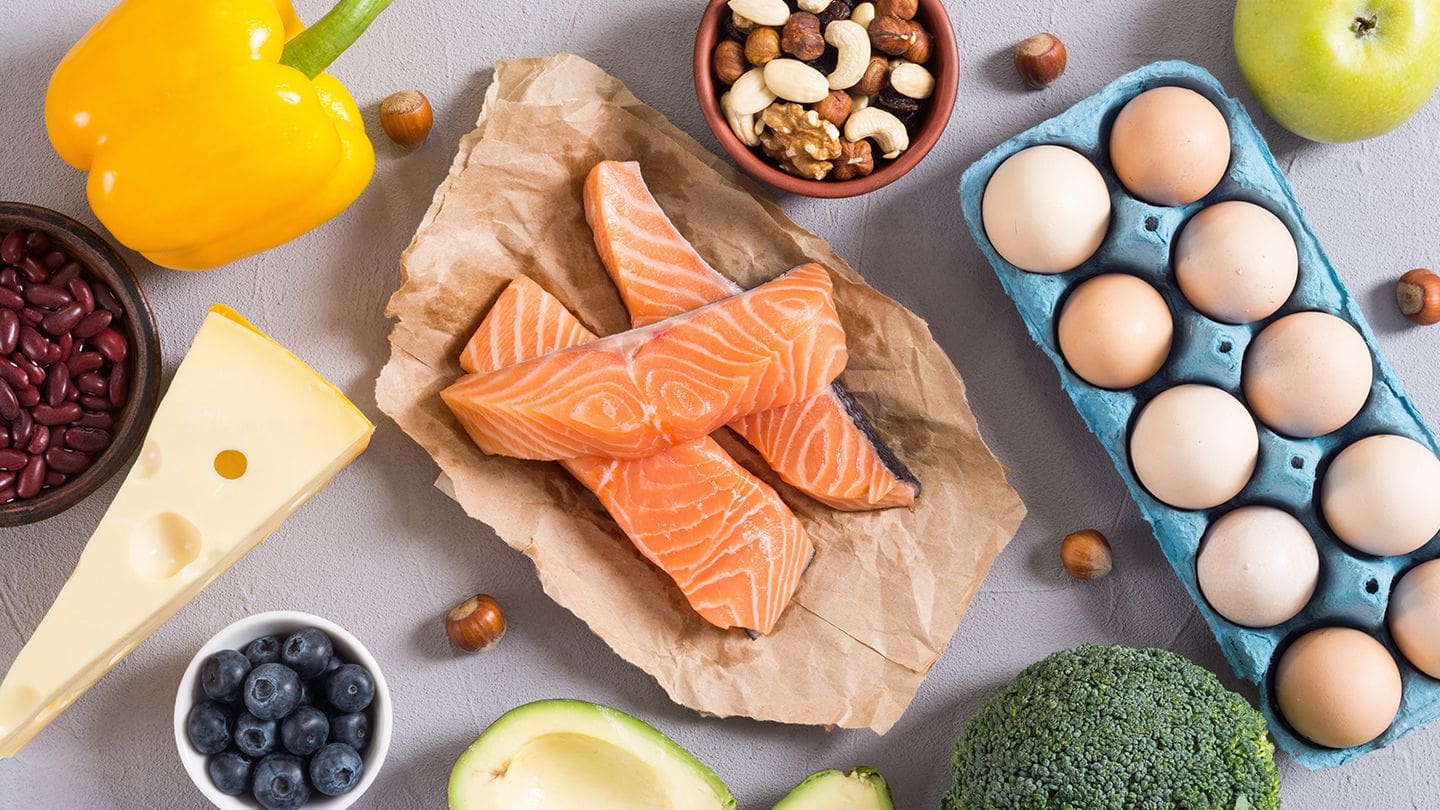
When planning your meals, make sure to include a variety of foods rich in vitamin B complex. For example, you could have grilled salmon with chickpea salad for dinner, a spinach and lentil salad for lunch, and a banana or a boiled egg as a snack. By diversifying your food choices, you can ensure you’re getting an adequate amount of B vitamins to support your cholesterol levels.
B12 Supplements for Vegetarians and Vegans
If you follow a vegetarian or vegan diet, consider taking a B12 supplement to prevent a deficiency and support your cholesterol-lowering goals. Look for reputable brands that provide methylcobalamin, the most bioavailable form of vitamin B12, to ensure optimal absorption and effectiveness.
Folic Acid-Rich Smoothies and Juices
Incorporating folic acid-rich foods like spinach, avocado, and oranges into smoothies and juices is an easy way to boost your B vitamin intake. Try blending spinach, avocado, banana, and orange juice for a delicious and nutrient-packed smoothie that supports healthy cholesterol levels.

Lifestyle Changes to Support Cholesterol Management
Regular Exercise Routine
Engaging in regular physical activity like walking, jogging, cycling, or swimming can help improve your cholesterol levels by reducing LDL cholesterol and increasing HDL cholesterol. Aim for at least 30 minutes of moderate-intensity exercise most days of the week to support your overall health and well-being.
Stress Management Techniques
Chronic stress can negatively impact your cholesterol levels and overall heart health. Incorporate stress-reducing activities into your daily routine, such as meditation, yoga, deep breathing exercises, or spending time in nature. By managing stress effectively, you can support your body’s ability to maintain healthy cholesterol levels.
The Importance of Regular Cholesterol Screenings
Understanding Your Cholesterol Levels
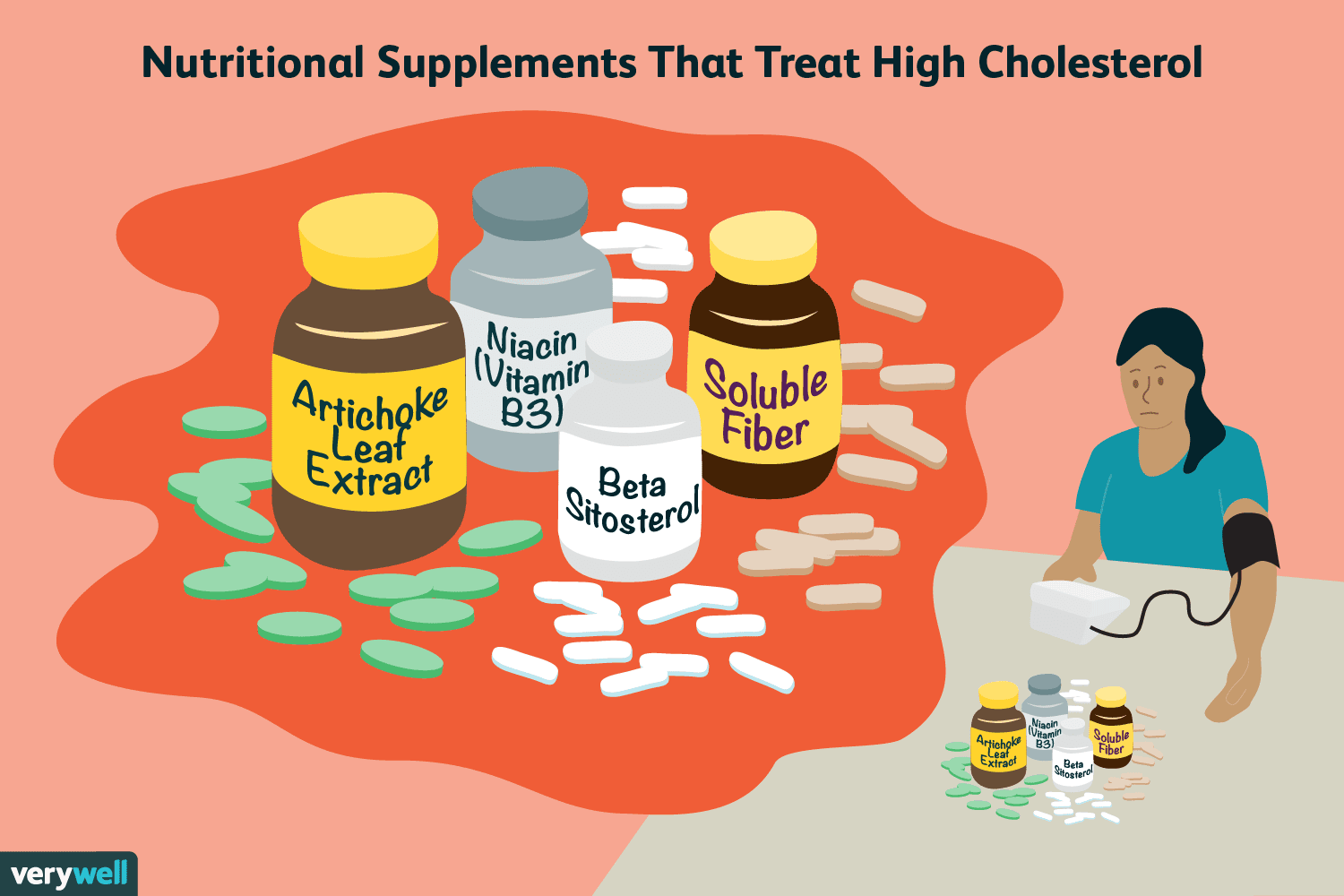
It’s essential to have your cholesterol levels checked regularly to monitor your risk of heart disease and stroke. Your healthcare provider can perform a simple blood test to determine your LDL, HDL, and total cholesterol levels and provide guidance on how to manage your cholesterol effectively.
Setting Cholesterol Goals
Based on your age, gender, medical history, and risk factors, your healthcare provider can help you establish personalized cholesterol goals. By working together to set achievable targets, you can track your progress and make necessary adjustments to improve your cholesterol levels.
Conclusion
Maintaining healthy cholesterol levels is crucial for protecting your heart health and overall well-being. By incorporating vitamin B complex-rich foods into your diet, engaging in regular physical activity, managing stress effectively, and monitoring your cholesterol levels regularly, you can support your body’s ability to naturally lower cholesterol and reduce your risk of heart disease. Remember, small lifestyle changes can have a significant impact on your cholesterol levels, so start taking steps today to support your heart health for the long term.