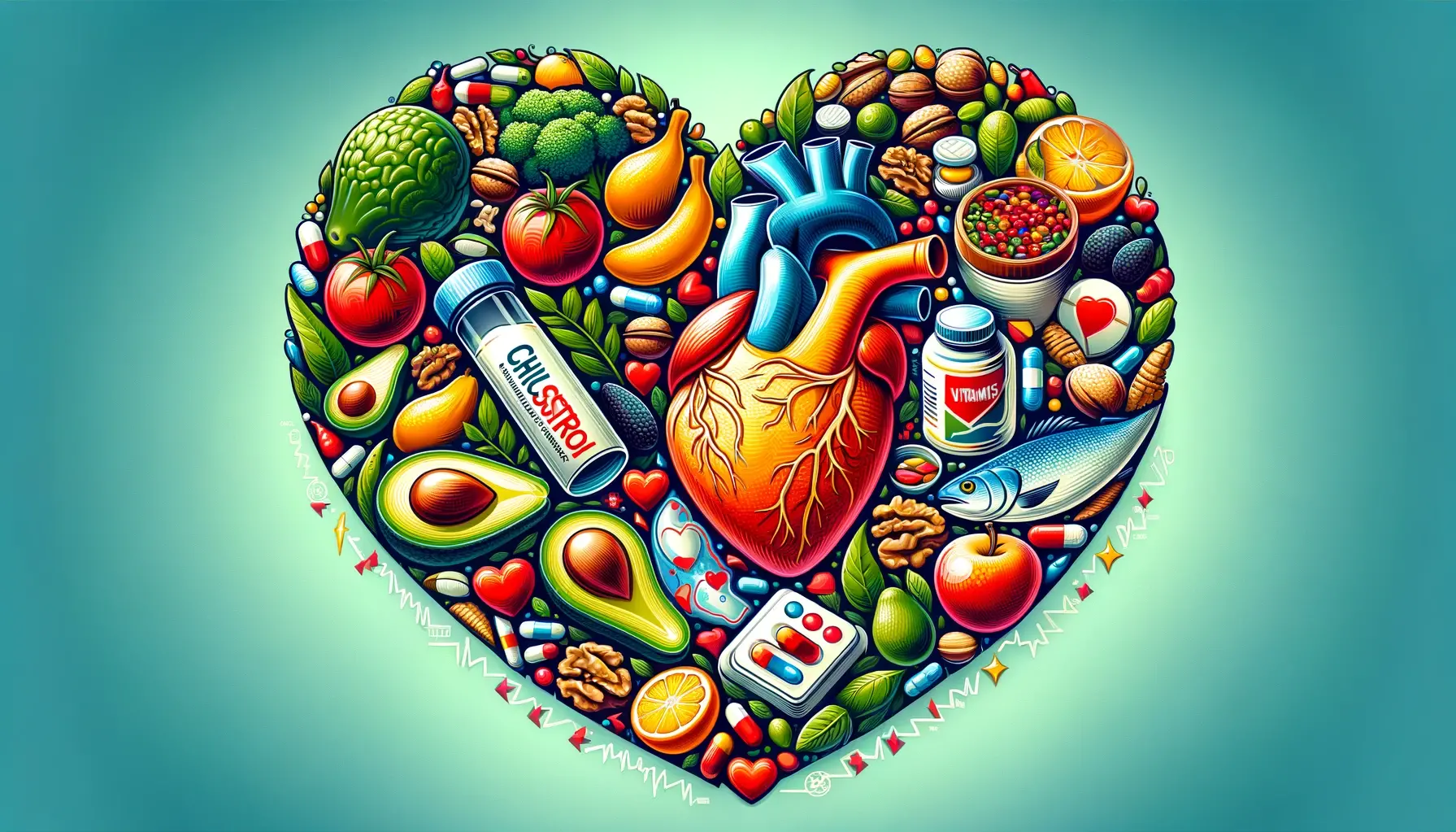

Are You Getting Enough Vitamins in Your Diet?
Hey there! Are you feeling tired, run down, or always getting sick? It could be due to a vitamin deficiency. Vitamins are essential nutrients that our bodies need to function properly, and not getting enough of them can lead to a variety of health issues. In this beginner’s guide, we will explore the importance of vitamins and how you can prevent deficiencies through your diet.
Why Are Vitamins Important?
Vitamins are organic compounds that are necessary for normal growth and functioning of the body. They play a crucial role in various bodily processes, including metabolism, immune function, and cell repair. Without an adequate supply of vitamins, our bodies can experience deficiencies that can lead to serious health problems.
Types of Vitamins
There are two main types of vitamins: fat-soluble vitamins and water-soluble vitamins. Fat-soluble vitamins, such as Vitamin A, D, E, and K, are stored in the body’s fatty tissue and liver. Water-soluble vitamins, including Vitamin C and the B-complex vitamins, are not stored in the body and are excreted through urine. It’s important to get a balance of both types of vitamins in your diet to maintain optimal health.
Signs of Vitamin Deficiency
Not sure if you’re getting enough vitamins in your diet? Here are some common signs of vitamin deficiency to look out for:
- Fatigue and weakness
- Brittle nails and hair
- Difficulty concentrating
- Slow wound healing
- Muscle cramps
- Skin problems
If you’re experiencing any of these symptoms, it may be a good idea to consult with a healthcare provider to determine if a vitamin deficiency could be the cause.

How to Prevent Vitamin Deficiency
Preventing vitamin deficiencies is easier than you think! By incorporating a variety of nutrient-rich foods into your diet, you can ensure that your body is getting all the vitamins it needs to function optimally.
Eat a Balanced Diet
The best way to prevent vitamin deficiencies is to eat a well-rounded diet that includes a variety of fruits, vegetables, whole grains, lean proteins, and healthy fats. Aim to fill half your plate with colorful fruits and vegetables at each meal to ensure you’re getting a good mix of vitamins and minerals.
Include a Variety of Foods
Each type of vitamin comes from different foods, so it’s important to eat a diverse range of foods to get all the essential vitamins your body needs. For example, Vitamin C is found in citrus fruits, Vitamin D in fatty fish and fortified dairy products, and Vitamin E in nuts and seeds.
Consider a Multivitamin Supplement
If you’re having trouble getting enough vitamins through your diet alone, consider taking a multivitamin supplement to fill in the gaps. Just be sure to choose a high-quality supplement that contains the recommended daily intake of essential vitamins and minerals.
Get Plenty of Sunlight
Vitamin D, also known as the “sunshine vitamin,” is synthesized by the body when the skin is exposed to sunlight. Spending 10-15 minutes in the sun each day can help boost your Vitamin D levels and prevent deficiency. Just be sure to wear sunscreen to protect your skin from damage.
Cook Foods Lightly
Vitamins can be destroyed by heat, so it’s important to cook your foods lightly to preserve their nutrient content. Steaming, sautéing, and stir-frying are great cooking methods that help retain the vitamins in your food.
Common Vitamin Deficiencies
There are several vitamins that are commonly deficient in the general population. Let’s take a look at some of the most common deficiencies and how you can prevent them.
Vitamin D Deficiency
Vitamin D is important for bone health, immune function, and mood regulation. A Vitamin D deficiency can lead to weakened bones, increased risk of infections, and feelings of sadness or depression. To prevent Vitamin D deficiency, make sure to get plenty of sunlight, eat fatty fish like salmon and tuna, and consider taking a Vitamin D supplement if needed.
Vitamin B12 Deficiency
Vitamin B12 is essential for nerve function, red blood cell production, and DNA synthesis. A Vitamin B12 deficiency can cause fatigue, weakness, numbness or tingling in the hands and feet, and difficulty walking. To prevent Vitamin B12 deficiency, include sources of Vitamin B12 in your diet such as meat, dairy, and fortified cereals.
Vitamin C Deficiency
Vitamin C is a powerful antioxidant that plays a key role in immune function, skin health, and wound healing. A Vitamin C deficiency can lead to scurvy, a disease characterized by fatigue, swollen gums, and easy bruising. To prevent Vitamin C deficiency, eat plenty of fruits and vegetables rich in Vitamin C, such as oranges, strawberries, bell peppers, and broccoli.
Iron Deficiency
Iron is essential for oxygen transport in the blood and energy production in the body. An iron deficiency can result in fatigue, weakness, pale skin, and shortness of breath. To prevent iron deficiency, include iron-rich foods in your diet like lean meats, beans, lentils, and leafy green vegetables.

Conclusion
Ensuring that you’re getting enough vitamins in your diet is essential for overall health and well-being. By eating a balanced diet, including a variety of foods, and taking necessary precautions to prevent deficiencies, you can optimize your health and reduce your risk of developing serious health issues. Remember to listen to your body and consult with a healthcare provider if you suspect you may have a vitamin deficiency. Your body will thank you for it!
