What Exactly is Cholesterol?
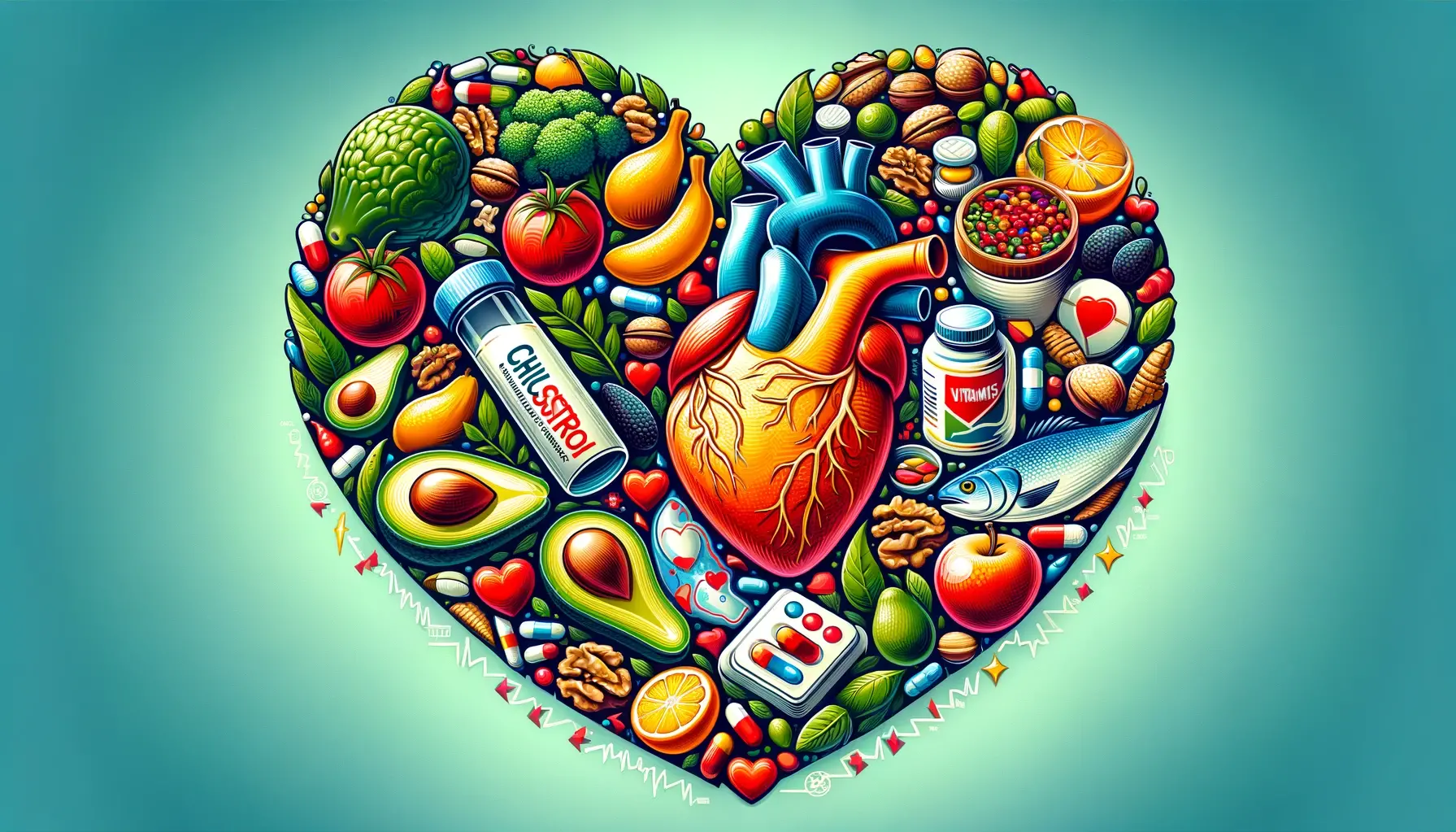
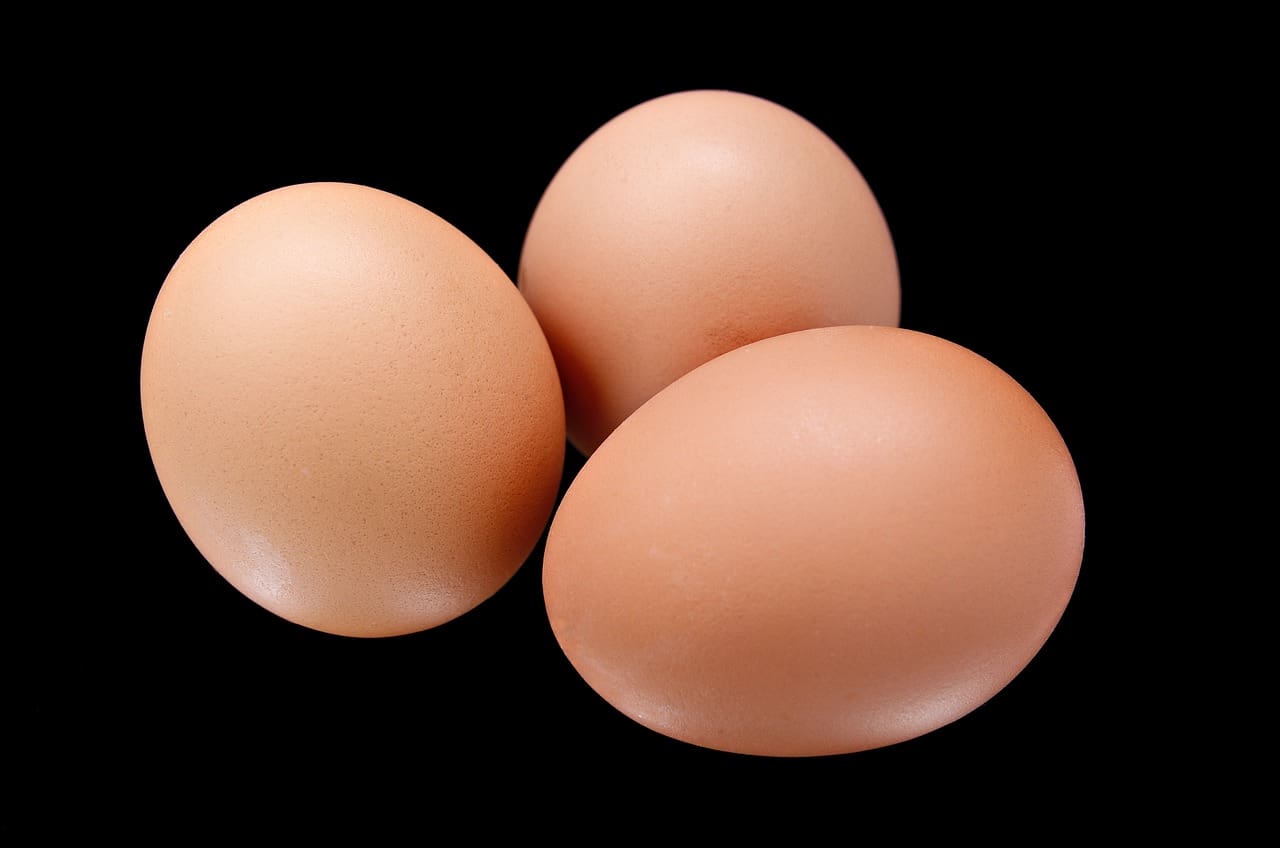
Cholesterol is a waxy substance that is found in your blood. It is produced by your liver and also comes from the food you eat, such as meat, full-fat dairy products, and egg yolks. It is essential for building healthy cells, but having too much cholesterol can increase your risk of heart disease.
You might be wondering, “How does cholesterol impact my health?” Let’s dive into the details to help you understand better.

How Does Cholesterol Impact Your Health?
Cholesterol plays a crucial role in building healthy cells and producing certain hormones. However, having high levels of cholesterol in your blood can lead to the buildup of plaque in your arteries, restricting blood flow and increasing your risk of heart disease and stroke.
Now, let’s break down the different types of cholesterol and how they affect your health.
Understanding Different Types of Cholesterol
There are two main types of cholesterol: LDL (low-density lipoprotein) and HDL (high-density lipoprotein).
-
LDL Cholesterol: Also known as “bad” cholesterol, LDL cholesterol can lead to plaque buildup in your arteries, increasing your risk of heart disease.
-
HDL Cholesterol: Referred to as “good” cholesterol, HDL cholesterol helps remove LDL cholesterol from your bloodstream, reducing your risk of heart disease.
It’s important to maintain a balance between these two types of cholesterol to keep your heart healthy.
What Do Cholesterol Numbers Mean?
When you get your cholesterol levels tested, you will receive a report with various numbers. Understanding these numbers is crucial in assessing your risk of heart disease.
-
Total Cholesterol: This number represents the combined levels of LDL, HDL, and other lipid components in your blood. Ideally, your total cholesterol should be below 200 mg/dL.
-
LDL Cholesterol: Your LDL cholesterol should be less than 100 mg/dL for optimal heart health. However, if you have existing heart disease or other risk factors, your doctor may recommend a lower target.
-
HDL Cholesterol: For HDL cholesterol, higher numbers are better. Aim for HDL levels above 60 mg/dL to reduce your risk of heart disease.
Factors That Influence Your Cholesterol Levels
Several factors can impact your cholesterol levels, including genetics, diet, exercise, and overall lifestyle choices.
-
Genetics: Your genes play a significant role in determining your cholesterol levels. Some people may have a genetic predisposition to high cholesterol, making it essential to monitor levels regularly.
-
Diet: Consuming foods high in saturated and trans fats can raise your LDL cholesterol levels. Opt for a heart-healthy diet rich in fruits, vegetables, whole grains, and lean proteins to help manage cholesterol.
-
Physical Activity: Regular exercise can help raise HDL cholesterol levels and lower LDL cholesterol. Aim for at least 150 minutes of moderate-intensity exercise per week to improve your cholesterol profile.
-
Weight: Being overweight or obese can contribute to high cholesterol levels. Maintaining a healthy weight through diet and exercise can have a positive impact on your cholesterol levels.
How to Manage Your Cholesterol Levels
If you have high cholesterol or are looking to maintain healthy levels, there are several strategies you can implement to manage your cholesterol effectively.
-
Healthy Diet: Focus on incorporating more fruits, vegetables, whole grains, and lean proteins into your meals. Limit your intake of saturated and trans fats, as well as cholesterol-rich foods.
-
Regular Exercise: Engage in physical activity most days of the week to help improve your cholesterol levels. Choose activities you enjoy, whether it’s walking, swimming, or cycling.
-
Quit Smoking: Smoking can lower your HDL cholesterol levels and damage your blood vessels, increasing your risk of heart disease. If you smoke, consider quitting to improve your overall health.
-
Manage Stress: Chronic stress can impact your cholesterol levels and overall heart health. Find healthy ways to manage stress, such as meditation, yoga, or spending time outdoors.
Tips for Improving Your Cholesterol Levels
Now that you have a better understanding of cholesterol and its impact on your health, let’s explore some practical tips for improving your cholesterol levels.
Eat a Heart-Healthy Diet
- Include plenty of fruits, vegetables, whole grains, and lean proteins in your meals.
- Limit your intake of saturated fats found in red meat, full-fat dairy products, and fried foods.
- Choose healthier fats such as those found in avocados, nuts, seeds, and olive oil.

Maintain a Healthy Weight
- Aim for a healthy weight through a balanced diet and regular exercise.
- Losing excess weight can help improve your cholesterol levels and reduce your risk of heart disease.
Exercise Regularly
- Engage in moderate-intensity exercise for at least 150 minutes per week.
- Incorporate activities that you enjoy to stay motivated and consistent with your exercise routine.

Avoid Smoking and Limit Alcohol
- Quit smoking to improve your HDL cholesterol levels and overall heart health.
- Limit alcohol consumption, as excessive drinking can raise your triglyceride levels and contribute to high cholesterol.
Monitor Your Cholesterol Levels Regularly
- Schedule routine cholesterol screenings with your healthcare provider to track your cholesterol levels.
- Work with your doctor to develop a personalized plan for managing your cholesterol effectively.
Consider Medication, if Necessary
- In some cases, lifestyle changes may not be enough to lower your cholesterol levels.
- Your doctor may prescribe medication to help manage your cholesterol and reduce your risk of heart disease.
By following these tips and working closely with your healthcare provider, you can take control of your cholesterol levels and improve your heart health over time.
Remember, understanding your cholesterol levels is an essential step in maintaining overall health and reducing your risk of heart disease. By making healthy lifestyle choices, you can keep your cholesterol in check and enjoy a longer, healthier life. Take charge of your health today and start making positive changes for a brighter tomorrow!