
Have you ever wondered about the medications prescribed to manage cholesterol levels?
Cholesterol medication is a common treatment method for individuals with high cholesterol levels. Whether you have just been prescribed cholesterol medication or are curious about how it works, this beginner’s guide will provide you with valuable insights and information to navigate this aspect of your health journey.
What is Cholesterol Medication?
Cholesterol medication, also known as statins, are drugs prescribed by healthcare providers to help lower cholesterol levels in the body. These medications are vital for individuals who have high cholesterol due to lifestyle factors, genetics, or other health conditions. By taking these medications as directed, you can effectively manage your cholesterol levels and reduce the risk of heart disease.
How do Cholesterol Medications Work?
Cholesterol medications work by inhibiting an enzyme in the liver that plays a crucial role in the production of cholesterol. As a result, the liver decreases the production of cholesterol, leading to lower overall cholesterol levels in the body. Additionally, these medications can help remove existing cholesterol buildup in the arteries, further reducing the risk of heart-related issues.

Types of Cholesterol Medications
There are several types of cholesterol medications available on the market. Each type works in a slightly different way to help manage cholesterol levels effectively.
Statins
Statins are the most commonly prescribed cholesterol medications. They work by blocking the enzyme responsible for cholesterol production in the liver. Examples of statins include Atorvastatin, Simvastatin, and Rosuvastatin. These medications are often the first line of treatment for individuals with high cholesterol.
PCSK9 Inhibitors
PCSK9 inhibitors are a newer class of medications that work by targeting a specific protein in the liver that regulates cholesterol levels. These medications are typically prescribed for individuals who do not respond well to statins or have a genetic predisposition to high cholesterol.
Bile Acid Sequestrants
Bile acid sequestrants are medications that work by binding to bile acids in the intestines, preventing them from being reabsorbed. This process helps lower cholesterol levels in the body. While less commonly prescribed, these medications can be useful for certain individuals with high cholesterol.
Benefits of Cholesterol Medications
Cholesterol medications offer a range of benefits for individuals with high cholesterol levels. These medications can help lower LDL (bad) cholesterol, increase HDL (good) cholesterol, and reduce the risk of heart disease and stroke. By effectively managing cholesterol levels, you can improve your overall heart health and reduce the chances of developing serious cardiovascular issues.

Risks and Side Effects
While cholesterol medications are effective in managing cholesterol levels, they may also come with certain risks and side effects. It’s essential to be aware of these potential outcomes and discuss them with your healthcare provider before starting any cholesterol medication.
Common Side Effects
Some common side effects of cholesterol medications include muscle aches, digestive issues, and liver problems. These side effects are typically mild and can be managed with the help of your healthcare provider. If you experience any severe side effects, it’s crucial to seek medical attention immediately.
Interactions with Other Medications
Cholesterol medications can interact with other medications you may be taking. It’s essential to inform your healthcare provider of all the medications, supplements, and over-the-counter drugs you are using to avoid any potential interactions. Your healthcare provider can help adjust your medication regimen to ensure optimal effectiveness and safety.
Tips for Taking Cholesterol Medications
Taking cholesterol medications as prescribed is crucial for managing your cholesterol levels effectively. Here are some tips to help you navigate your cholesterol medication regimen:
Follow Your Prescriber’s Instructions
Always follow your healthcare provider’s instructions when taking cholesterol medications. Take the medication at the same time each day and do not skip doses. If you have any questions or concerns about your medication regimen, don’t hesitate to reach out to your healthcare provider for clarification.
Monitor Your Cholesterol Levels Regularly
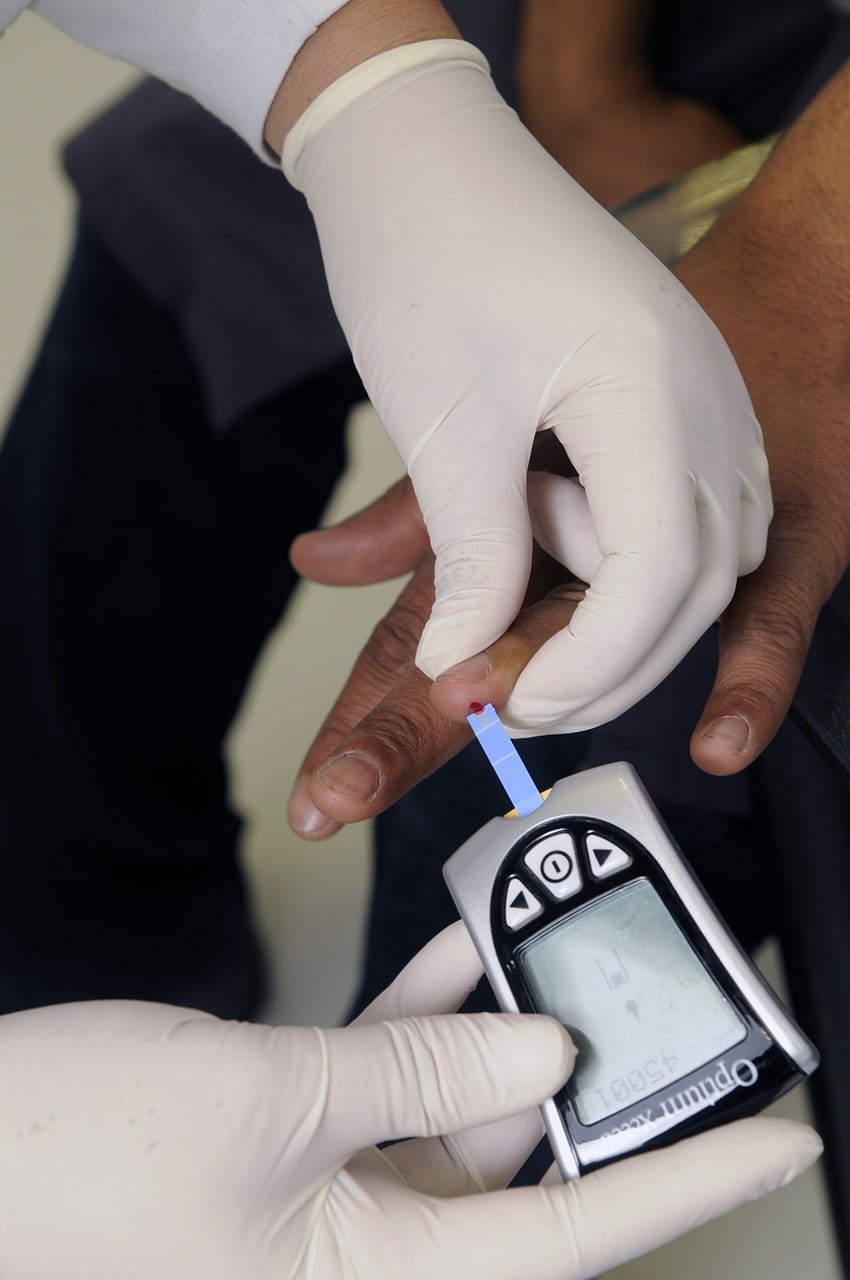
Regular monitoring of your cholesterol levels is essential to ensure that your medication is working effectively. Schedule follow-up appointments with your healthcare provider to track your progress and make any necessary adjustments to your treatment plan.
Maintain a Healthy Lifestyle
In addition to taking medication, maintaining a healthy lifestyle is crucial for managing cholesterol levels. Incorporate regular exercise, a balanced diet, and stress management techniques into your daily routine. These lifestyle changes can work synergistically with cholesterol medications to improve your overall heart health.
Conclusion
Understanding cholesterol medication is an essential aspect of managing high cholesterol levels effectively. By learning about the different types of medications available, their benefits, risks, and tips for taking them, you can navigate this aspect of your health journey with confidence. Remember to communicate openly with your healthcare provider and make informed decisions about your treatment plan. Taking control of your cholesterol levels can significantly improve your heart health and overall well-being.