

Have you ever wondered about the benefits of Omega-3 fatty acids in combating high cholesterol? In this article, you will learn all about the importance of Omega-3 fatty acids and how they can help lower cholesterol levels. Let’s dive right in!
Understanding High Cholesterol
Before we delve into the role of Omega-3 fatty acids in combating high cholesterol, it’s essential to understand what high cholesterol is. Cholesterol is a waxy substance that is found in your blood. While your body needs cholesterol to build healthy cells, high levels of cholesterol can increase your risk of heart disease.
What Causes High Cholesterol?
High cholesterol can be caused by a variety of factors, including unhealthy lifestyle choices such as poor diet, lack of exercise, smoking, and excessive alcohol consumption. Additionally, genetics can play a role in high cholesterol levels.
The Role of Omega-3 Fatty Acids
Omega-3 fatty acids are essential nutrients that are known for their heart-healthy benefits. These fatty acids are a type of polyunsaturated fat that are important for overall health, and they can help lower cholesterol levels when consumed as part of a healthy diet.
Types of Omega-3 Fatty Acids
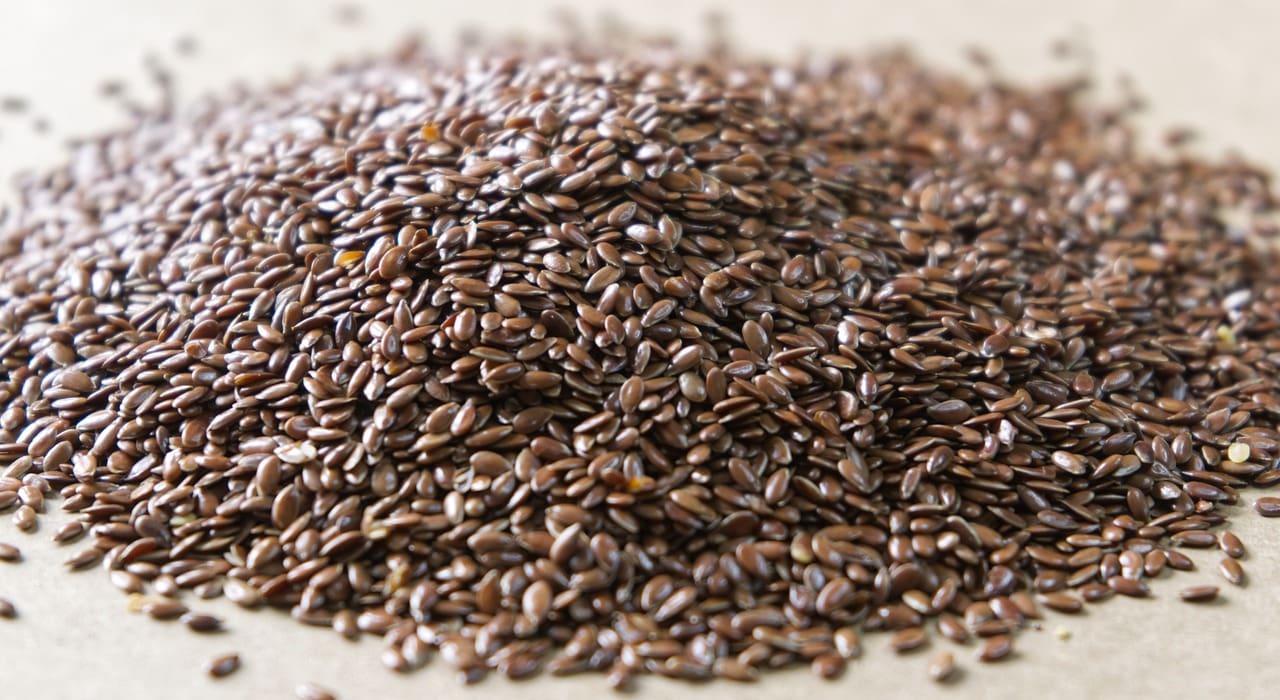
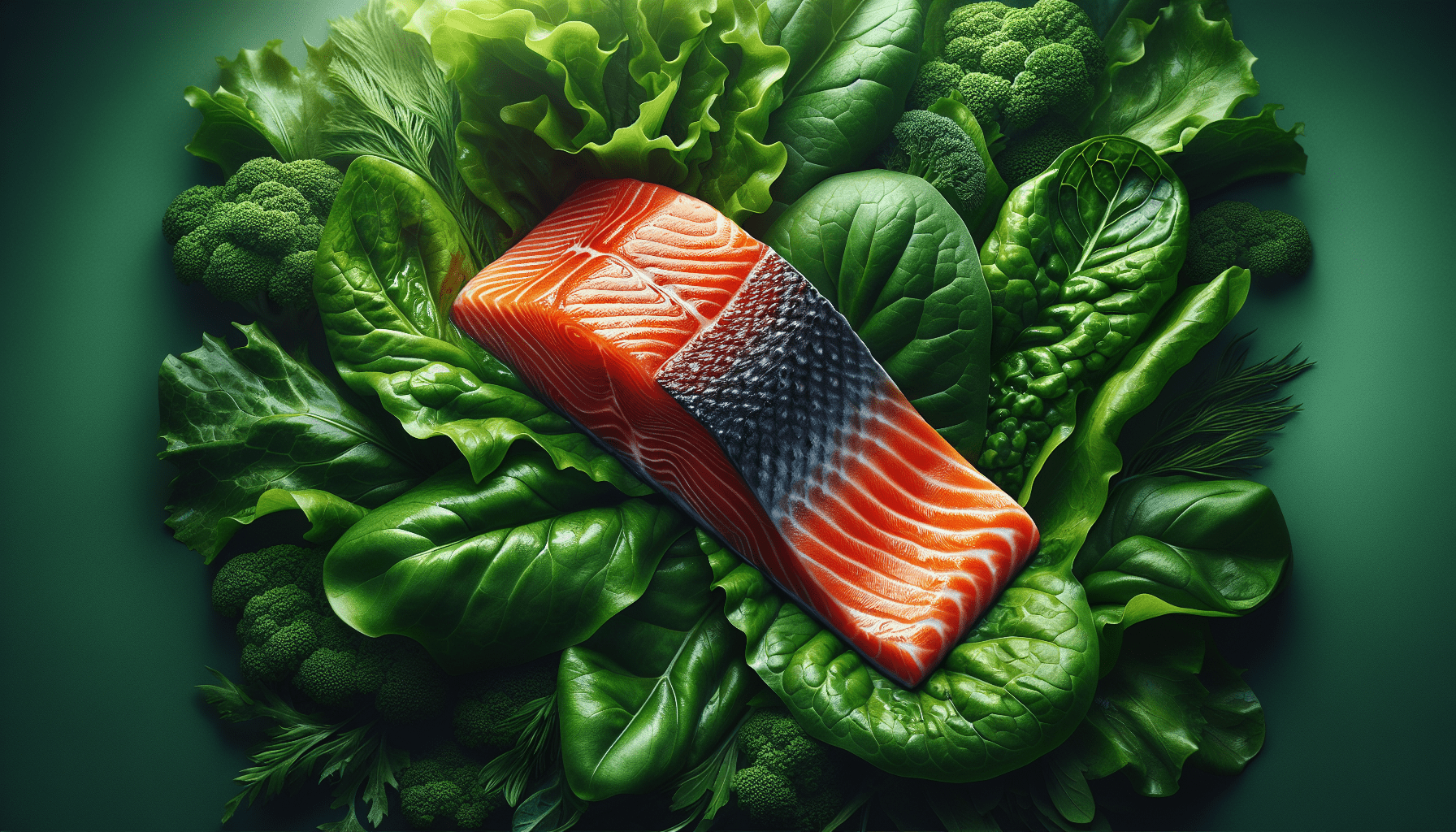
There are three main types of Omega-3 fatty acids: EPA (eicosapentaenoic acid), DHA (docosahexaenoic acid), and ALA (alpha-linolenic acid). EPA and DHA are found in fatty fish such as salmon, mackerel, and sardines, while ALA is found in plant-based sources such as flaxseeds, chia seeds, and walnuts.
How Omega-3 Fatty Acids Lower Cholesterol
Omega-3 fatty acids have been shown to lower levels of triglycerides, a type of fat that can increase your risk of heart disease. Additionally, Omega-3 fatty acids can help raise HDL (good) cholesterol levels while lowering LDL (bad) cholesterol levels, which can improve overall heart health.

Sources of Omega-3 Fatty Acids
It’s important to include sources of Omega-3 fatty acids in your diet to help combat high cholesterol levels. Here are some common food sources of Omega-3 fatty acids:
| Fish | ALA Sources |
|---|---|
| Salmon | Flaxseeds |
| Mackerel | Chia Seeds |
| Sardines | Walnuts |
| Tuna | Hemp Seeds |
Supplements
If you have difficulty consuming enough Omega-3 fatty acids through your diet, you may consider taking Omega-3 supplements. These supplements can provide a concentrated source of EPA and DHA to help lower cholesterol levels and improve heart health.
Vegan Sources
If you follow a vegan or vegetarian diet, you can still get your Omega-3 fatty acids from plant-based sources such as algae oil supplements, flaxseed oil, and walnuts. It’s important to include these sources in your diet to ensure you are getting an adequate amount of Omega-3 fatty acids.
The Benefits of Omega-3 Fatty Acids for Heart Health
In addition to lowering cholesterol levels, Omega-3 fatty acids offer a variety of benefits for heart health. Here are some of the ways Omega-3 fatty acids can improve cardiovascular health:
Reduce Inflammation
Omega-3 fatty acids have anti-inflammatory properties that can help reduce inflammation in the body. Chronic inflammation is linked to a higher risk of heart disease, so consuming Omega-3 fatty acids can help lower this risk.
Regulate Blood Pressure
Omega-3 fatty acids have been shown to help regulate blood pressure levels, which can lower the risk of hypertension and other cardiovascular conditions. By including Omega-3 fatty acids in your diet, you can help maintain healthy blood pressure levels.
Improve Blood Vessel Function
Omega-3 fatty acids can help improve blood vessel function, allowing for better circulation throughout the body. This can reduce the risk of blood clots and other cardiovascular issues, ultimately improving heart health.
How to Incorporate Omega-3 Fatty Acids Into Your Diet
Now that you understand the benefits of Omega-3 fatty acids for combating high cholesterol, you may be wondering how to incorporate them into your diet. Here are some tips for adding more Omega-3 fatty acids to your meals:
Eat Fatty Fish
One of the best sources of Omega-3 fatty acids is fatty fish such as salmon, mackerel, and sardines. Aim to eat fatty fish at least twice a week to increase your intake of EPA and DHA.
Use Flaxseed Oil
Flaxseed oil is a great plant-based source of Omega-3 fatty acids. You can use flaxseed oil in salad dressings, smoothies, or drizzle it over cooked vegetables to add a boost of healthy fats to your meals.
Snack on Walnuts
Walnuts are a convenient and tasty snack that is rich in ALA, a type of Omega-3 fatty acid. Keep a stash of walnuts at your desk or in your bag for a quick and healthy snack option.
Cook with Chia Seeds
Chia seeds are a versatile ingredient that can be added to yogurt, oatmeal, or baked goods for a nutritional boost. These tiny seeds are packed with Omega-3 fatty acids and can easily be incorporated into your daily meals.
Conclusion
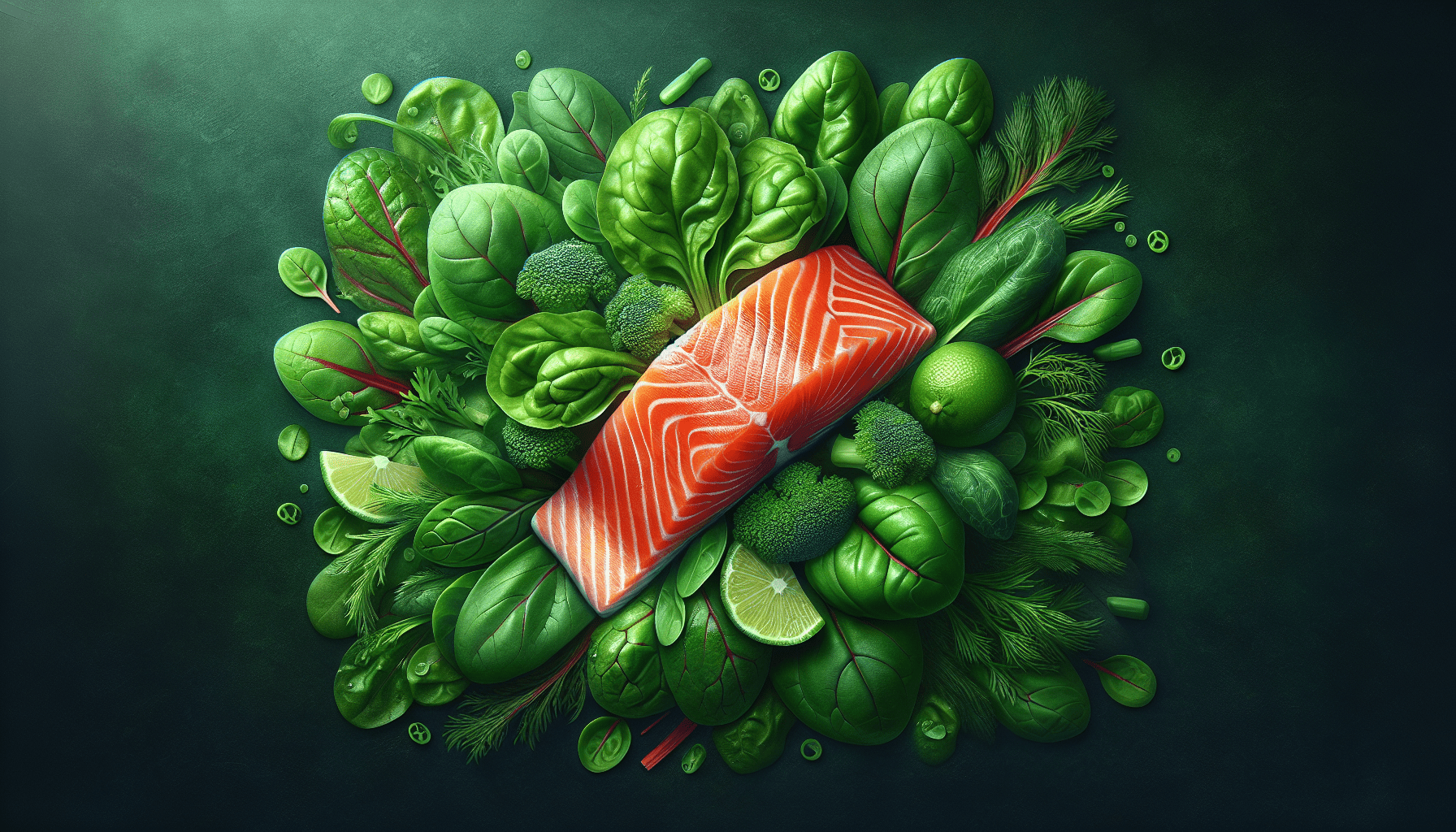
In conclusion, Omega-3 fatty acids play a crucial role in combating high cholesterol and improving heart health. By including sources of Omega-3 fatty acids in your diet, such as fatty fish, flaxseeds, and walnuts, you can lower cholesterol levels, reduce inflammation, regulate blood pressure, and improve blood vessel function. Make sure to prioritize Omega-3 fatty acids in your diet to reap the numerous benefits for your cardiovascular health.