
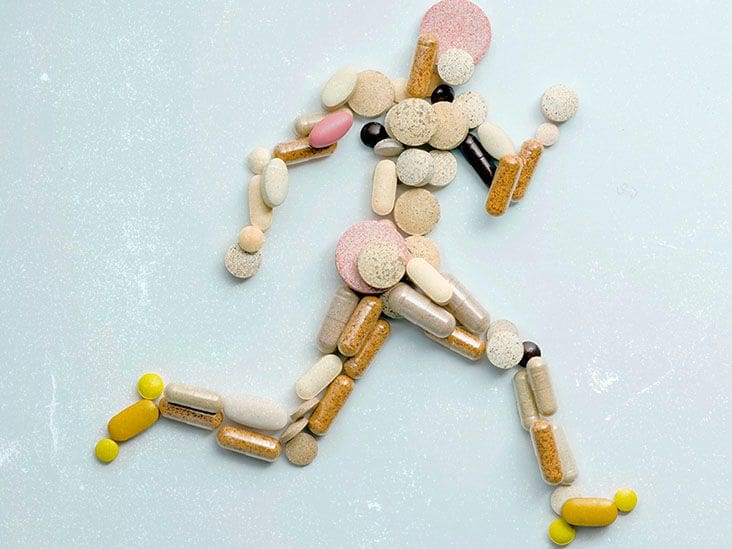
Welcome to an article that explores the key benefits of combining exercise and vitamins for cholesterol control. By incorporating regular physical activity and vitamin-rich foods or supplements into your daily routine, you can improve your cholesterol levels and overall heart health. This dynamic duo works together to lower LDL (bad) cholesterol, raise HDL (good) cholesterol, and reduce the risk of heart disease. So lace up your sneakers, grab your vitamins, and get ready to take charge of your cholesterol levels! Have you been struggling to control your cholesterol levels despite trying various methods? If so, you may want to consider combining exercise and vitamins as a powerful duo to help manage your cholesterol. These two components, when used together, can have a significant impact on your overall health and well-being. In this article, we will explore the key benefits of combining exercise and vitamins for cholesterol control and how they can work synergistically to improve your lipid profile. Let’s dive in and discover how you can take control of your cholesterol levels naturally and effectively.

Importance of Managing Cholesterol
Cholesterol plays a crucial role in the body, serving as a building block for cell membranes, hormones, and vitamin D. However, having high levels of LDL (low-density lipoprotein) cholesterol, often referred to as “bad” cholesterol, can increase your risk of developing heart disease and other serious health conditions. On the other hand, HDL (high-density lipoprotein) cholesterol, known as “good” cholesterol, helps remove LDL cholesterol from the arteries, reducing the risk of heart disease.
Your cholesterol goals
Your target cholesterol levels will depend on several factors, including your age, gender, overall health, and family history. While it is essential to consult with your healthcare provider to determine your specific cholesterol goals, here are some general guidelines recommended by the American Heart Association:
- Total cholesterol: Less than 200 mg/dL
- LDL cholesterol: Less than 100 mg/dL
- HDL cholesterol: 60 mg/dL or higher
- Triglycerides: Less than 150 mg/dL
Keeping your cholesterol levels within these ranges is crucial for maintaining a healthy heart and reducing the risk of cardiovascular disease.
The Role of Exercise in Cholesterol Control
Exercise is one of the most effective ways to manage cholesterol levels as it can help raise HDL cholesterol (the good kind) and lower LDL cholesterol (the bad kind). Physical activity also plays a significant role in weight management, reducing inflammation, improving blood flow, and enhancing overall cardiovascular health.
Types of Exercise
There are two main types of exercise that can benefit your cholesterol profile: aerobic exercise and resistance training.
-
Aerobic exercise: Also known as cardiovascular exercise, aerobic activities such as walking, running, cycling, or swimming can help raise HDL cholesterol levels and lower LDL cholesterol. Aim for at least 150 minutes of moderate-intensity aerobic exercise per week to improve your cholesterol levels.
-
Resistance training: Strength training exercises, such as lifting weights or using resistance bands, can help improve muscle mass, increase metabolism, and promote weight loss. Incorporating resistance training into your workout routine can complement aerobic exercise and further enhance the benefits of exercise for cholesterol control.
Benefits of Exercise for Cholesterol Control
Regular physical activity can offer a wide range of benefits for cholesterol management, including:
-
Increased HDL cholesterol: Aerobic exercise can help raise HDL cholesterol levels, which is essential for removing LDL cholesterol from the arteries.
-
Lowered LDL cholesterol: Physical activity can help lower LDL cholesterol levels, reducing the risk of heart disease and stroke.
-
Weight management: Exercise can help promote weight loss or maintain a healthy weight, which is crucial for managing cholesterol levels.
-
Improved cardiovascular health: Regular physical activity can strengthen the heart, improve blood flow, and lower blood pressure, reducing the risk of heart disease.

The Role of Vitamins in Cholesterol Control
In addition to exercise, certain vitamins and minerals can play a significant role in managing cholesterol levels and promoting heart health. These essential nutrients can help reduce inflammation, improve blood vessel function, and support overall cardiovascular health when combined with a healthy diet and lifestyle.
Important Vitamins and Minerals for Cholesterol Control
Here are some key vitamins and minerals that can benefit your cholesterol levels:
-
Vitamin D: This important nutrient plays a role in cholesterol metabolism and helps reduce inflammation in the body. Adequate vitamin D levels can support heart health and promote overall well-being.
-
Omega-3 fatty acids: Found in fatty fish, flaxseeds, and walnuts, omega-3 fatty acids can help lower triglyceride levels, reduce inflammation, and improve heart health.
-
Vitamin B3 (niacin): Niacin is known for its ability to raise HDL cholesterol and lower LDL cholesterol levels when taken in higher doses under medical supervision.
-
Coenzyme Q10: This antioxidant nutrient can help reduce oxidative stress, support healthy cholesterol levels, and improve overall cardiovascular health.
Benefits of Vitamins for Cholesterol Control
When combined with a balanced diet and regular exercise, certain vitamins can offer several benefits for cholesterol management, including:
-
Reduced inflammation: Vitamins and minerals with anti-inflammatory properties can help reduce inflammation in the body, which is linked to heart disease and other chronic conditions.
-
Improved blood vessel function: Some nutrients can promote healthy blood vessel function, improve circulation, and support cardiovascular health.
-
Enhanced lipid profile: Certain vitamins and minerals can help raise HDL cholesterol, lower LDL cholesterol, and reduce triglyceride levels, resulting in a healthier lipid profile.
-
Antioxidant protection: Vitamins with antioxidant properties can help protect against oxidative damage, lower cholesterol oxidation, and reduce the risk of atherosclerosis.
The Synergistic Effects of Exercise and Vitamins for Cholesterol Control
When you combine exercise and vitamins for cholesterol management, you can experience powerful synergistic effects that can enhance the benefits of each component individually. Regular physical activity can improve the absorption and utilization of essential nutrients, while certain vitamins can support muscle function, energy production, and recovery after exercise.
How Exercise Enhances Vitamin Absorption
Exercise can improve the absorption and utilization of vitamins and minerals in several ways:
-
Enhanced circulation: Physical activity can improve blood flow, delivering essential nutrients more efficiently to cells and tissues.
-
Increased metabolic rate: Exercise can boost your metabolism, promoting the breakdown and absorption of nutrients from food.
-
Improved nutrient uptake: Regular physical activity can enhance nutrient absorption in the intestines and enhance the transportation of vitamins and minerals to cells.
How Vitamins Support Exercise Performance
Certain vitamins and minerals can support exercise performance, recovery, and overall health:
-
Vitamin D: This essential nutrient plays a role in muscle function, energy metabolism, and bone health, making it crucial for exercise performance.
-
Omega-3 fatty acids: Found in fish oil supplements, omega-3s can help reduce muscle soreness, inflammation, and oxidative stress after intense exercise.
-
Coenzyme Q10: This antioxidant nutrient can support energy production, muscle recovery, and overall exercise performance.
-
Vitamin B complex: B vitamins play a role in energy metabolism, red blood cell production, and nerve function, which are essential for exercise performance and recovery.

Tips for Combining Exercise and Vitamins for Cholesterol Control
To maximize the benefits of exercise and vitamins for cholesterol management, consider the following tips:
-
Consult with a healthcare provider: Before starting any new exercise routine or supplement regimen, consult with your healthcare provider to ensure that it is safe and appropriate for your individual needs.
-
Follow a balanced diet: Focus on eating a variety of nutrient-dense foods, including fruits, vegetables, whole grains, lean proteins, and healthy fats to support your cholesterol goals.
-
Stay hydrated: Drink plenty of water throughout the day to stay hydrated and support your energy levels during exercise.
-
Choose quality supplements: When selecting vitamins or minerals supplements, choose high-quality products from reputable brands to ensure their potency and efficacy.
-
Be consistent: Incorporate regular physical activity and vitamin supplementation into your daily routine to maximize their benefits for cholesterol control.

Conclusion
In conclusion, combining exercise and vitamins can offer a powerful approach to managing your cholesterol levels and supporting heart health. By incorporating regular physical activity and essential nutrients into your lifestyle, you can improve your lipid profile, reduce inflammation, and protect against heart disease naturally and effectively. Remember to consult with your healthcare provider before making any significant changes to your diet, exercise routine, or supplement regimen to ensure they are safe and appropriate for your individual needs. Start taking proactive steps today to take control of your cholesterol and enjoy the many benefits of a healthier heart and a happier life.