
Is Lowering Cholesterol Important for Your Health?
Lowering cholesterol levels is crucial for maintaining good heart health. High cholesterol levels can lead to a buildup of plaque in your arteries, increasing your risk of heart disease and stroke. By incorporating cholesterol-lowering foods and vitamin supplements into your diet, you can effectively manage your cholesterol levels and reduce your risk of developing cardiovascular issues.

Understanding the Role of Cholesterol in the Body
Cholesterol is a waxy, fat-like substance found in every cell of your body. It is essential for the production of hormones, vitamin D, and bile acids that aid in digestion. However, when there is an excess of cholesterol in your bloodstream, it can accumulate on the walls of your arteries, forming plaque. This can narrow the arteries and restrict blood flow, potentially leading to serious health problems.
Different Types of Cholesterol
There are two main types of cholesterol: LDL (low-density lipoprotein) and HDL (high-density lipoprotein). LDL cholesterol, often referred to as “bad” cholesterol, can build up in your arteries and contribute to plaque formation. On the other hand, HDL cholesterol is known as “good” cholesterol because it helps remove LDL cholesterol from the bloodstream. It is important to maintain a healthy balance of both types of cholesterol to support overall heart health.
Factors That Affect Cholesterol Levels
Several factors can influence your cholesterol levels, including genetics, diet, exercise, and overall lifestyle choices. While some individuals may have a genetic predisposition to high cholesterol, making positive changes to your diet and lifestyle can have a significant impact on lowering cholesterol levels. Incorporating cholesterol-lowering foods and vitamin supplements into your daily routine can help you manage your cholesterol levels effectively.
Cholesterol-Lowering Foods to Include in Your Diet
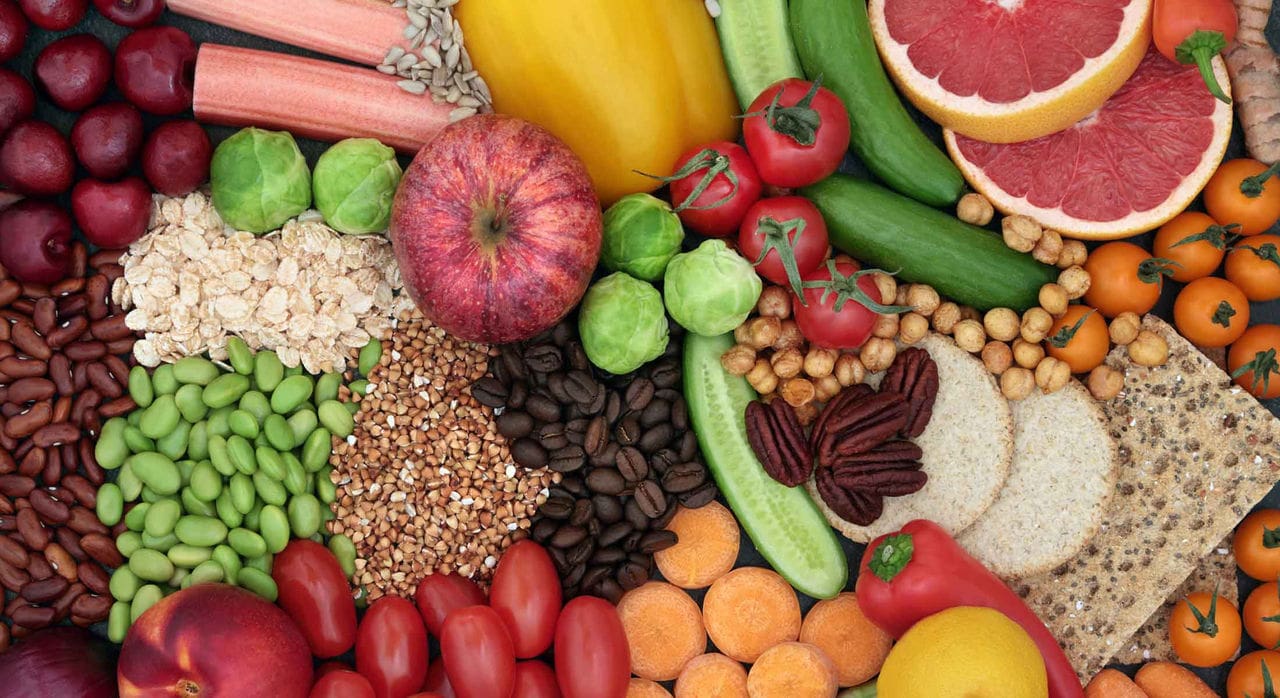
When it comes to lowering your cholesterol levels, incorporating the right foods into your diet is key. Here are some cholesterol-lowering foods that you should consider adding to your meals:
Oats and Whole Grains
Oats and whole grains are rich in soluble fiber, which can help reduce LDL cholesterol levels in the bloodstream. Consuming foods like oatmeal, brown rice, and whole wheat bread can be beneficial for lowering cholesterol and improving heart health.

Fruits and Vegetables
Fruits and vegetables are excellent sources of antioxidants, vitamins, and minerals that promote heart health. Berries, citrus fruits, leafy greens, and cruciferous vegetables are particularly beneficial for lowering cholesterol levels and reducing inflammation in the body.
Nuts and Seeds
Nuts and seeds are high in healthy fats, fiber, and plant sterols, all of which can help lower LDL cholesterol levels. Almonds, walnuts, chia seeds, and flaxseeds are great options for incorporating into your diet to support healthy cholesterol levels.
Legumes
Legumes such as beans, lentils, and chickpeas are rich in fiber and protein, making them excellent choices for maintaining healthy cholesterol levels. Including legumes in your meals can help you feel full and satisfied while also supporting heart health.
Fatty Fish
Fatty fish like salmon, mackerel, and sardines are rich in omega-3 fatty acids, which have been shown to reduce triglycerides and LDL cholesterol levels. Adding fatty fish to your diet a few times a week can have a positive impact on your overall cholesterol profile.
Vitamin Supplements for Lowering Cholesterol
In addition to incorporating cholesterol-lowering foods into your diet, certain vitamin supplements can also help support healthy cholesterol levels. Here are some key supplements to consider:
Omega-3 Fish Oil
Omega-3 fish oil supplements are rich in EPA and DHA, two types of omega-3 fatty acids that have been linked to improved heart health. Taking fish oil supplements can help reduce triglyceride levels and promote a healthy balance of cholesterol in the body.
Plant Sterols
Plant sterols are natural compounds found in fruits, vegetables, and whole grains that have been shown to lower LDL cholesterol levels. Taking plant sterol supplements can help block the absorption of cholesterol in the intestines, leading to reduced LDL cholesterol levels in the bloodstream.

Coenzyme Q10 (CoQ10)
Coenzyme Q10 is a powerful antioxidant that is naturally produced by the body and plays a key role in energy production within cells. Taking CoQ10 supplements can help support heart health and improve cholesterol levels, particularly in individuals taking statin medications for cholesterol management.
Vitamin D
Vitamin D is essential for bone health and immune function, but it may also play a role in cholesterol metabolism. Some studies suggest that vitamin D supplements can help lower LDL cholesterol levels and support overall heart health when combined with a healthy diet and lifestyle.
Tips for Incorporating Cholesterol-Lowering Foods and Supplements
When it comes to managing your cholesterol levels effectively, it’s important to make sustainable changes to your diet and lifestyle. Here are some tips for incorporating cholesterol-lowering foods and supplements into your daily routine:
Create a Balanced Meal Plan
Design a balanced meal plan that includes a variety of cholesterol-lowering foods like fruits, vegetables, whole grains, nuts, seeds, legumes, and fatty fish. Aim to incorporate these foods into your meals and snacks to support healthy cholesterol levels.
Consult with a Healthcare Provider
Before starting any new vitamin supplements, consult with your healthcare provider to ensure they are safe and appropriate for your individual health needs. Your healthcare provider can help you determine the right dosages and combinations of supplements to support your heart health.
Stay Active and Maintain a Healthy Weight
Regular exercise and maintaining a healthy weight are essential for managing cholesterol levels and supporting overall heart health. Aim to engage in physical activity most days of the week and make healthy food choices to achieve and maintain a healthy weight.
Monitor Your Cholesterol Levels Regularly
To track the effectiveness of your dietary changes and supplement regimen, it’s important to monitor your cholesterol levels regularly. Schedule regular check-ups with your healthcare provider to have your cholesterol levels tested and adjust your plan as needed to achieve your desired results.
Conclusion
Incorporating cholesterol-lowering foods and vitamin supplements into your diet is an effective way to manage your cholesterol levels and support overall heart health. By making smart choices about the foods you eat and the supplements you take, you can reduce your risk of developing cardiovascular issues and improve your quality of life. Remember to consult with your healthcare provider before making any significant changes to your diet or supplement routine to ensure they are safe and appropriate for your individual health needs. Prioritize your heart health by incorporating these strategies into your daily routine and enjoy the benefits of a healthier, happier life.