

Welcome to “The Ultimate Guide To Managing Cholesterol With Vitamin C!” In this article, you will learn how incorporating vitamin C into your daily routine can help lower cholesterol levels and improve your overall heart health. We will explore the benefits of vitamin C, how it works to reduce cholesterol, and provide you with practical tips on how to increase your intake of this powerful antioxidant. By the end of this guide, you will have all the tools you need to take control of your cholesterol levels and lead a healthier life. Let’s get started!
The Ultimate Guide To Managing Cholesterol With Vitamin C
Have you been struggling to manage your cholesterol levels? Well, you’re in luck because this ultimate guide will show you how Vitamin C can be a game-changer in improving your cholesterol levels.
Understanding Cholesterol
Let’s start by understanding what cholesterol is and why it’s important to manage it. Cholesterol is a waxy substance that is found in your blood and is produced by your liver. There are two types of cholesterol –
- LDL (low-density lipoprotein): known as “bad” cholesterol because high levels can lead to plaque buildup in your arteries.
- HDL (high-density lipoprotein): known as “good” cholesterol because it helps remove LDL cholesterol from your arteries.
The Link Between Vitamin C and Cholesterol
Did you know that Vitamin C plays a vital role in managing your cholesterol levels? Vitamin C is a powerful antioxidant that can help prevent LDL cholesterol from oxidizing, which is a key step in the formation of plaque in your arteries. By adding more Vitamin C to your diet, you can potentially lower your LDL cholesterol levels and reduce the risk of heart disease.
Vitamin C-Rich Foods to Add to Your Diet
Now that you understand the importance of Vitamin C in managing cholesterol, let’s explore some Vitamin C-rich foods that you can easily incorporate into your daily diet.
| Food | Vitamin C Content (per 100g) | Serving Size (per day for optimal benefits) |
|---|---|---|
| Oranges | 53.2 mg | 2-3 servings |
| Bell Peppers | 183.5 mg | 1-2 servings |
| Kiwi | 92.7 mg | 1-2 servings |
| Strawberries | 58.8 mg | 1-2 servings |
| Broccoli | 89.2 mg | 1-2 servings |
| Brussels Sprouts | 85 mg | 1-2 servings |
Adding these Vitamin C-rich foods to your diet can not only help manage your cholesterol levels but also provide a plethora of other health benefits.
Vitamin C Supplements for Cholesterol Management
If you struggle to get enough Vitamin C from your diet alone, you may consider taking Vitamin C supplements. These supplements come in various forms such as tablets, capsules, and powders. It’s essential to consult with your healthcare provider before starting any new supplements to ensure they are suitable for your individual needs.
Recommended Daily Dosage
The recommended daily dosage of Vitamin C can vary based on age, gender, and overall health. However, as a general guideline, adults should aim for at least 75-90 mg of Vitamin C per day for optimal health benefits.
Choosing the Right Vitamin C Supplement
When choosing a Vitamin C supplement, it’s crucial to opt for high-quality products from reputable brands. Look for supplements that have been third-party tested for purity and potency to ensure you’re getting the most benefits from your supplement.

Lifestyle Changes to Improve Cholesterol Levels
In addition to incorporating Vitamin C-rich foods and supplements into your diet, there are several lifestyle changes you can make to further improve your cholesterol levels.
Exercise Regularly
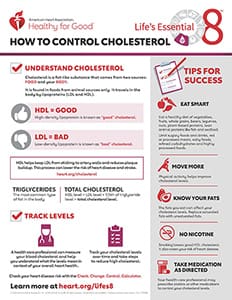
Physical activity can help raise HDL cholesterol levels (the good kind of cholesterol) and lower LDL cholesterol levels (the bad kind). Aim for at least 30 minutes of moderate-intensity exercise most days of the week to reap the cholesterol-lowering benefits.
Maintain a Healthy Weight
Being overweight or obese can contribute to high cholesterol levels. By maintaining a healthy weight through a balanced diet and regular exercise, you can improve your cholesterol profile and reduce your risk of heart disease.
Quit Smoking
Smoking can lower HDL cholesterol levels and damage your blood vessels, making it easier for LDL cholesterol to build up along your artery walls. Quitting smoking is one of the best things you can do to improve your cholesterol levels and overall health.
Limit Saturated and Trans Fats
Eating foods high in saturated and trans fats can raise your LDL cholesterol levels. To improve your cholesterol profile, limit your intake of foods like red meat, full-fat dairy, fried foods, and processed snacks.
Monitoring Your Progress
After making these lifestyle changes and incorporating Vitamin C into your routine, it’s essential to monitor your progress to see how these changes are impacting your cholesterol levels.
Getting Regular Cholesterol Checks
Schedule regular screenings with your healthcare provider to monitor your cholesterol levels. These screenings typically involve a simple blood test that measures your total cholesterol, HDL cholesterol, LDL cholesterol, and triglyceride levels.
Tracking Your Results
Keep track of your cholesterol levels over time to see how they change in response to your new diet, supplements, and lifestyle changes. Seeing improvements in your cholesterol levels can be a great motivator to stick to your new healthy habits.
Conclusion
Managing your cholesterol levels is essential for maintaining good heart health and reducing your risk of heart disease. By incorporating Vitamin C into your diet, taking supplements as needed, making lifestyle changes, and monitoring your progress, you can take control of your cholesterol levels and improve your overall well-being. Remember, it’s never too late to start making positive changes for your health, so why not start today?