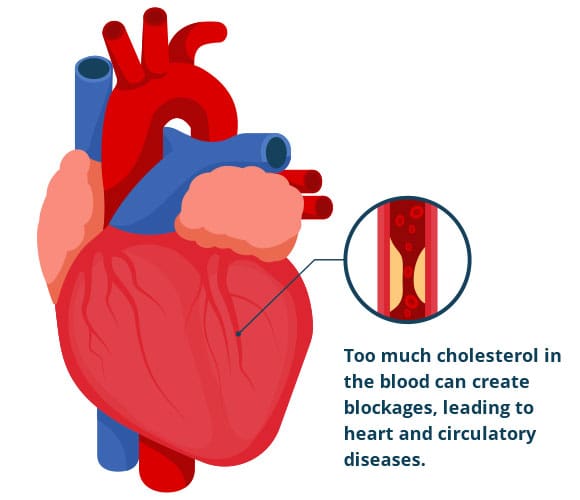

Welcome to an informative article about cholesterol and its impact on your heart health. Understanding what cholesterol is and how it can affect your heart is crucial for maintaining a healthy lifestyle. High levels of cholesterol in your blood can lead to the buildup of plaque in your arteries, increasing your risk of heart disease and stroke. By making small changes to your diet and lifestyle, you can manage your cholesterol levels and protect your heart. Let’s explore the importance of monitoring your cholesterol and taking steps towards better heart health together.
What Is Cholesterol And How Does It Affect Your Heart?
Have you ever wondered what exactly cholesterol is and how it impacts your heart health? Cholesterol is a crucial substance in the body, but when levels become elevated, it can lead to heart disease and other health issues. In this article, we will explore what cholesterol is, the different types of cholesterol, how it affects your heart, and what you can do to maintain healthy cholesterol levels.
Understanding Cholesterol
Cholesterol is a waxy, fat-like substance that is found in every cell of your body. It is essential for the production of hormones, vitamin D, and bile acids that help digest food. While your body naturally produces cholesterol, it is also found in certain foods, such as meats, dairy products, and eggs. There are two main types of cholesterol: LDL (low-density lipoprotein) and HDL (high-density lipoprotein).
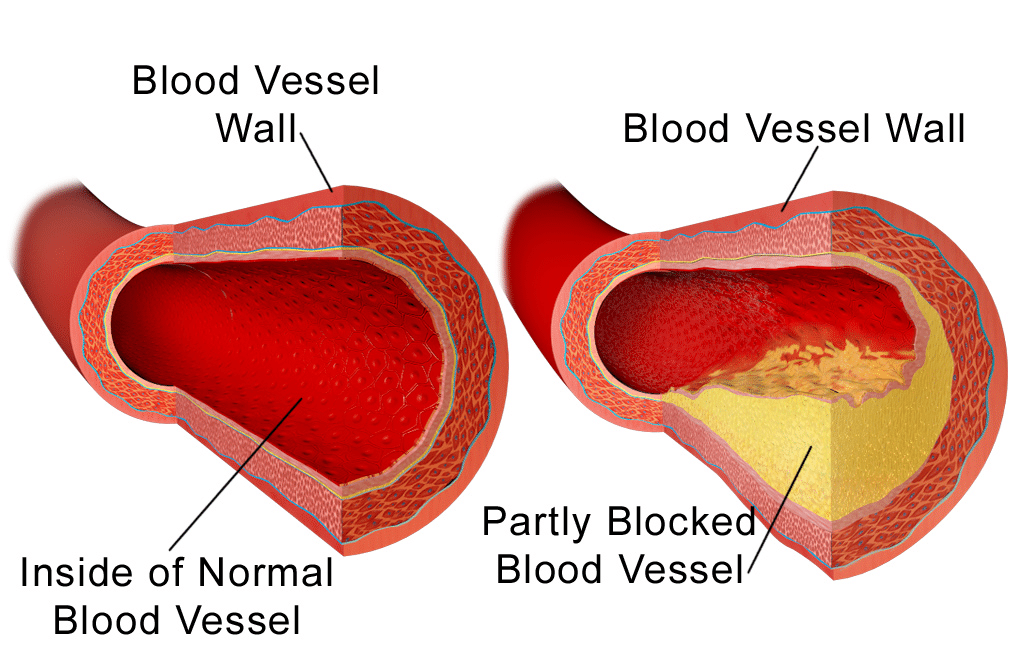
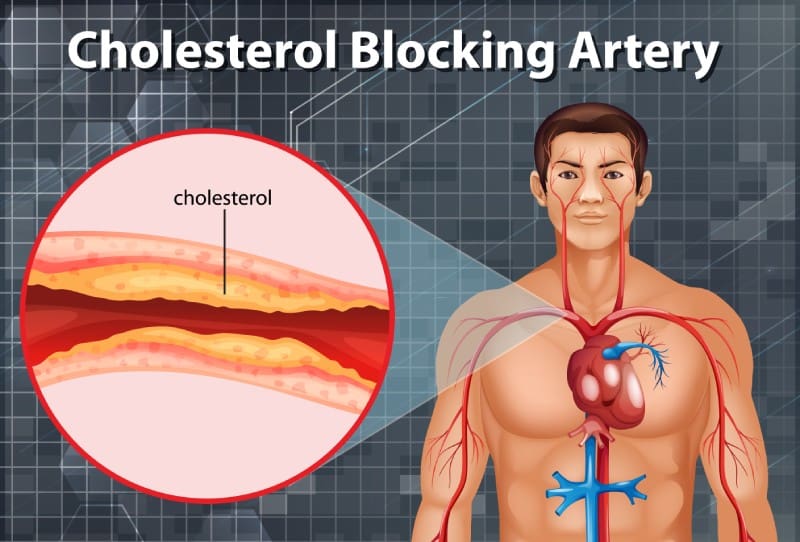
When you have too much LDL cholesterol in your blood, it can build up in the walls of your arteries, forming plaques that can narrow or block the arteries. This can lead to atherosclerosis, a condition that increases your risk of heart attack and stroke. On the other hand, HDL cholesterol helps remove LDL cholesterol from the arteries and transport it to the liver for excretion from the body.
LDL Cholesterol
LDL cholesterol is often referred to as “bad” cholesterol because high levels of LDL can lead to plaque buildup in the arteries, increasing the risk of heart disease. Foods high in saturated and trans fats can raise LDL cholesterol levels in the blood. These include fried foods, processed snacks, fatty cuts of meat, and full-fat dairy products.
HDL Cholesterol
HDL cholesterol is known as “good” cholesterol because it helps remove LDL cholesterol from the arteries. Having high levels of HDL can lower your risk of heart disease. Regular exercise, a healthy diet rich in fruits, vegetables, whole grains, and healthy fats, and not smoking can increase HDL levels in the blood.
How Does Cholesterol Affect Your Heart?
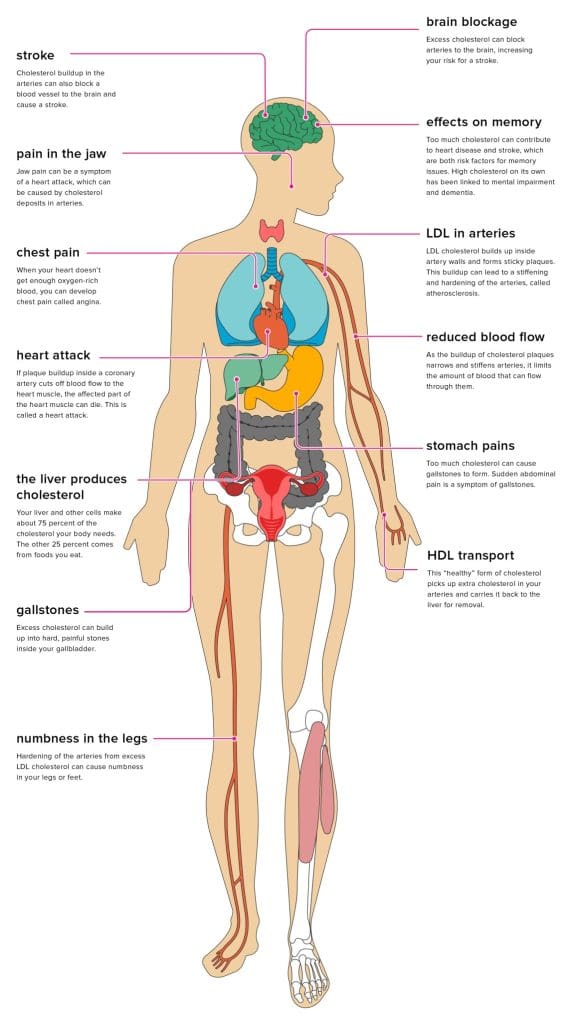
High cholesterol levels can have a significant impact on your heart health. When there is an excess of LDL cholesterol in the blood, it can lead to the buildup of plaque in the arteries, a condition known as atherosclerosis. This narrowing of the arteries can restrict blood flow to the heart muscle, increasing the risk of heart attack and other cardiovascular issues.
As plaque continues to build up in the arteries, it can eventually rupture, causing a blood clot to form. If the clot blocks a coronary artery that supplies oxygen-rich blood to the heart muscle, it can result in a heart attack. The severity of the heart attack will depend on the size of the blockage and how quickly medical treatment is received.
Symptoms of High Cholesterol
High cholesterol levels often do not cause any symptoms, which is why it is often referred to as a “silent killer.” However, some people may experience symptoms such as chest pain, shortness of breath, and fatigue due to reduced blood flow to the heart. It is essential to have your cholesterol levels checked regularly, especially if you have risk factors such as a family history of heart disease, obesity, or a sedentary lifestyle.
Risk Factors for High Cholesterol
Several factors can increase your risk of developing high cholesterol levels and heart disease. These include:
- Family History: If you have a family history of high cholesterol or heart disease, you may be at an increased risk.
- Unhealthy Diet: A diet high in saturated and trans fats, as well as excess calories, can raise your LDL cholesterol levels.
- Lack of Exercise: Physical inactivity can lead to weight gain and high cholesterol levels.
- Obesity: Being overweight or obese can impact your cholesterol levels and increase your risk of heart disease.
- Smoking: Smoking can lower your HDL cholesterol levels and damage the walls of your arteries, leading to plaque buildup.
Maintaining Healthy Cholesterol Levels
Maintaining healthy cholesterol levels is essential for heart health and overall well-being. Fortunately, there are several lifestyle changes you can make to improve your cholesterol levels and reduce your risk of heart disease.
Diet
Eating a heart-healthy diet can help lower LDL cholesterol levels and increase HDL cholesterol levels. Incorporating the following foods into your diet can have a positive impact on your cholesterol levels:
- Fruits and Vegetables: Aim to consume a variety of colorful fruits and vegetables rich in vitamins, minerals, and antioxidants.
- Whole Grains: Opt for whole grains such as brown rice, quinoa, oats, and whole wheat bread over refined grains.
- Healthy Fats: Include healthy fats such as avocados, nuts, seeds, and olive oil in your diet.
- Lean Protein: Choose lean sources of protein such as poultry, fish, beans, and legumes.
Exercise
Regular physical activity can help raise HDL cholesterol levels, lower LDL cholesterol levels, and improve overall heart health. Aim for at least 150 minutes of moderate-intensity exercise each week, such as brisk walking, cycling, swimming, or dancing.
Weight Management
Maintaining a healthy weight can help improve your cholesterol levels and reduce your risk of heart disease. If you are overweight or obese, losing even a small amount of weight can have a significant impact on your cholesterol levels.
Quit Smoking
Smoking can significantly impact your cholesterol levels and increase your risk of heart disease. If you smoke, consider quitting to improve your heart health and overall well-being. There are many resources available to help you quit smoking, such as counseling, support groups, and nicotine replacement therapy.
Medication
In some cases, lifestyle changes alone may not be enough to lower cholesterol levels. Your healthcare provider may prescribe medications such as statins to help lower LDL cholesterol levels and reduce your risk of heart disease. It is essential to follow your healthcare provider’s recommendations and attend regular check-ups to monitor your cholesterol levels.
Conclusion
Cholesterol plays a vital role in the body, but high levels of LDL cholesterol can increase your risk of heart disease. Understanding your cholesterol levels and taking steps to maintain healthy levels through diet, exercise, weight management, and smoking cessation can help protect your heart health. By making positive lifestyle changes, you can reduce your risk of heart disease and enjoy a healthier, happier life. Remember, it’s never too late to start taking care of your heart.