Let’s talk about cholesterol, shall we? You might have heard this word floating around in health conversations, but do you really know what it is and why it’s important? Simply put, cholesterol is a waxy substance found in your blood. Yes, it may sound a bit strange, but don’t worry, it’s not all bad. In fact, your body needs cholesterol to function properly. It plays a vital role in building cells, producing hormones, and aiding digestion. However, when cholesterol levels go awry, it can lead to serious health issues. So, let’s delve into the world of cholesterol and understand its importance in maintaining a healthy lifestyle.
Definition of Cholesterol
Cholesterol is a waxy, fat-like substance that is found in every cell of your body. It is essential for the proper functioning of your body as it plays a crucial role in various processes. Cholesterol is produced by your liver and can also be obtained through the foods you eat.
Chemical Composition
Cholesterol is a sterol, a type of steroid molecule. It is composed of carbon, hydrogen, and oxygen atoms. Its structure consists of multiple rings that contribute to its stability and functionality.
Role in the Body
Cholesterol serves several important functions in your body. It is a key component of cell membranes, providing stability and fluidity to the structure. Additionally, cholesterol is involved in the production of hormones, including cortisol, estrogen, and testosterone. It is also essential for the synthesis of vitamin D, which is important for bone health. Cholesterol is necessary for the production of bile, a substance that aids in the digestion and absorption of dietary fats. Furthermore, cholesterol is involved in the functioning of nerves, helping to transmit signals throughout the body.
Types of Cholesterol
There are different types of cholesterol in your body, each with its own characteristics and effects on your health. High-density lipoprotein (HDL) cholesterol is often referred to as “good” cholesterol. It helps remove excess cholesterol from your bloodstream and carries it back to the liver for processing. Low-density lipoprotein (LDL) cholesterol, on the other hand, is known as “bad” cholesterol. High levels of LDL cholesterol can lead to the build-up of plaque in your arteries, increasing the risk of heart disease. Triglycerides, another type of fat in your blood, can also contribute to elevated cholesterol levels when present in excess.
Functions of Cholesterol
Cell Membrane Structure
Cholesterol is a vital component of cell membranes, which surround and protect cells in your body. It helps maintain the integrity and stability of the cell membrane, allowing it to function properly. Cholesterol also plays a role in regulating the fluidity of cell membranes, ensuring optimal functioning of the cells.
Production of Hormones
Cholesterol is a precursor for the production of various hormones in your body. Hormones such as cortisol, estrogen, and testosterone are vital for a wide range of processes, including metabolism, immune function, and reproductive health. Without cholesterol, the synthesis of these hormones would be impaired, leading to imbalances and potential health issues.
Synthesis of Vitamin D
Cholesterol is necessary for the synthesis of vitamin D, a vital nutrient that plays a crucial role in bone health and calcium metabolism. When exposed to sunlight, a chemical reaction occurs in your skin that converts a form of cholesterol into vitamin D. Without cholesterol, this process would be hindered, potentially leading to deficiencies of this important vitamin.
Bile Production
Cholesterol is involved in the production of bile, a substance that aids in the digestion and absorption of dietary fats. Bile is produced by the liver and stored in the gallbladder. When you consume fatty foods, bile is released into the small intestine to break down fats into smaller particles that can be absorbed by the body. Without cholesterol, the production of bile would be compromised, affecting the digestion and absorption of fats.
Nerve Function
Cholesterol plays a crucial role in the functioning of nerves in your body. It helps form the myelin sheath, a protective coating around nerve fibers that allows for the efficient transmission of nerve signals. Without sufficient cholesterol, the structure and function of the myelin sheath may be compromised, leading to impaired nerve function.
Healthy vs Unhealthy Cholesterol
Good Cholesterol – HDL
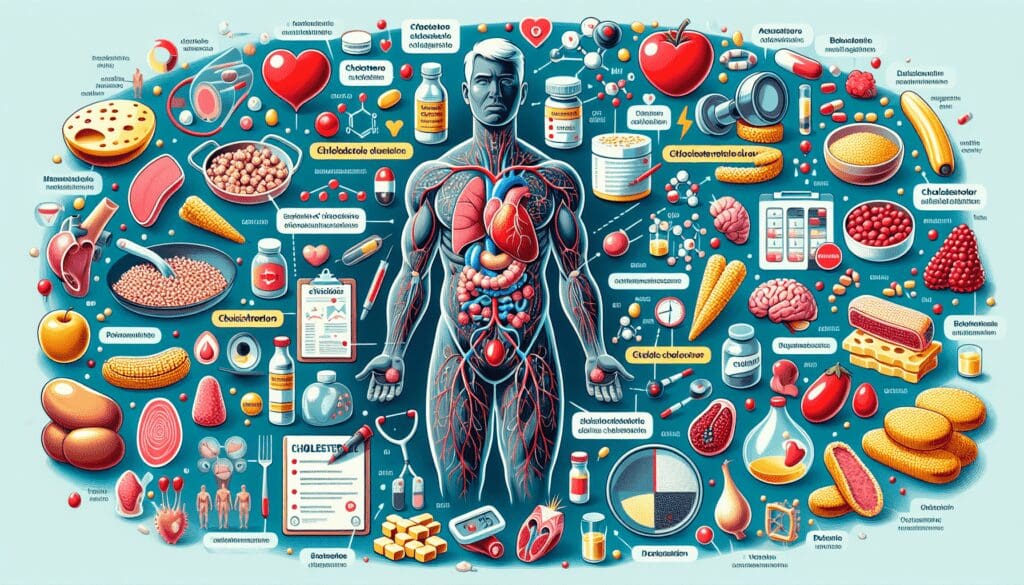
High-density lipoprotein (HDL) cholesterol is often referred to as “good” cholesterol because it carries excess cholesterol from your bloodstream back to the liver for processing and excretion. HDL cholesterol helps remove cholesterol from your arteries, reducing the risk of plaque build-up and heart disease. Maintaining high levels of HDL cholesterol is considered beneficial for your overall health.
Bad Cholesterol – LDL
Low-density lipoprotein (LDL) cholesterol is often called “bad” cholesterol because high levels of LDL cholesterol can contribute to the formation of plaque in your arteries. This build-up narrows the arteries and restricts blood flow, increasing the risk of heart disease, heart attacks, and strokes. Keeping LDL cholesterol levels low is essential for maintaining cardiovascular health.
Triglycerides
Triglycerides are a type of fat found in your bloodstream. High levels of triglycerides are often associated with unhealthy cholesterol profiles and contribute to an increased risk of heart disease. Triglycerides are influenced by factors such as diet, physical activity, and genetics. Aiming for optimal triglyceride levels is important for overall cardiovascular health.
Balancing Cholesterol Levels
Maintaining a healthy balance between HDL and LDL cholesterol levels is crucial for your overall health. A higher ratio of HDL to LDL cholesterol is desirable as it indicates a lower risk of heart disease. Making lifestyle changes, such as adopting a healthy diet, engaging in regular physical activity, and managing body weight, can help achieve and maintain healthy cholesterol levels.
Impact of Cholesterol on Health
Atherosclerosis
One of the major consequences of high cholesterol levels is the development of atherosclerosis. Atherosclerosis is a condition where plaque, consisting of cholesterol, fat, calcium, and other substances, builds up inside the arteries. This narrowing of the arteries restricts blood flow, increasing the risk of heart disease, heart attacks, and strokes.
Coronary Artery Disease
Coronary artery disease is a type of heart disease that occurs when the coronary arteries, which supply blood and oxygen to the heart, become narrowed or blocked due to plaque build-up. This condition can lead to chest pain, heart attacks, and even heart failure. High cholesterol levels, particularly elevated LDL cholesterol, are a major risk factor for the development of coronary artery disease.
Heart Attacks
When the blood flow to the heart is significantly compromised due to narrowed or blocked arteries, it can result in a heart attack. High cholesterol levels, especially elevated LDL cholesterol, contribute to the formation of plaque in the coronary arteries, increasing the risk of heart attacks.
Stroke
A stroke occurs when blood flow to the brain is interrupted or reduced, leading to the death of brain cells. This can result in long-term disability or even death. High cholesterol levels, particularly high LDL cholesterol and low HDL cholesterol, are associated with an increased risk of strokes.
Other Health Conditions
High cholesterol levels have also been linked to other health conditions, such as peripheral artery disease, which affects blood flow to the limbs, and carotid artery disease, which affects blood flow to the brain. Additionally, high cholesterol levels can contribute to the development of gallstones and non-alcoholic fatty liver disease.
Risk Factors for High Cholesterol
Several factors can increase your risk of developing high cholesterol levels, including:
Diet
Consuming a diet high in saturated and trans fats, as well as cholesterol-rich foods, can contribute to elevated cholesterol levels. These types of fats are often found in fried foods, processed snacks, and high-fat dairy products. Including more heart-healthy fats, such as those found in avocados, nuts, and olive oil, can help maintain healthy cholesterol levels.
Genetics
Genetic factors can influence your cholesterol levels. Some individuals may have a genetic predisposition to produce more cholesterol or have difficulties processing and removing cholesterol from their bodies. Familial hypercholesterolemia is a genetic condition that leads to very high cholesterol levels and significantly increases the risk of heart disease.
Age and Gender
As you age, your cholesterol levels tend to increase. In women, cholesterol levels may rise after menopause due to hormonal changes. Men, especially younger men, typically have higher cholesterol levels than women. It is important to monitor cholesterol levels regularly, regardless of age and gender.
Obesity
Being overweight or obese can contribute to high cholesterol levels. Excess weight, particularly around the abdominal area, is associated with increased LDL cholesterol levels and reduced HDL cholesterol levels. Adopting a healthy lifestyle that includes regular physical activity and a balanced diet can help manage weight and improve cholesterol levels.
Sedentary Lifestyle
Leading a sedentary lifestyle, with little to no physical activity, can negatively impact your cholesterol levels. Regular exercise not only helps maintain a healthy weight but also increases HDL cholesterol levels and improves overall cardiovascular health. Aim for at least 150 minutes of moderate-intensity exercise per week.
Smoking
Smoking is a significant risk factor for high cholesterol levels and heart disease. Smoking not only damages blood vessels but also lowers HDL cholesterol levels, making it more difficult for your body to remove excess cholesterol from your bloodstream. Quitting smoking is essential for protecting your cardiovascular health.
Medical Conditions
Certain medical conditions, such as diabetes, high blood pressure, and kidney disease, can affect cholesterol levels. These conditions can disrupt the balance of cholesterol in your body or cause underlying damage to blood vessels. Managing these medical conditions with appropriate treatment and lifestyle modifications is crucial for controlling cholesterol levels.
Diagnosis of Cholesterol Levels
Cholesterol Blood Tests
A cholesterol blood test, also known as a lipid profile, is a common method used to assess cholesterol levels. This test measures total cholesterol, HDL cholesterol, LDL cholesterol, and triglyceride levels in your blood. It is usually performed after fasting for 9-12 hours to obtain accurate results.
Measurement Units
Cholesterol levels are typically reported in milligrams per deciliter (mg/dL) or millimoles per liter (mmol/L). It is essential to be aware of the units used in your test results to understand the significance of your cholesterol levels.
Interpretation of Results
Interpreting cholesterol levels involves considering multiple factors, including age, gender, and other risk factors for heart disease. Ideally, total cholesterol levels should be below 200 mg/dL (5.2 mmol/L). HDL cholesterol levels are considered optimal when they are above 60 mg/dL (1.6 mmol/L), while LDL cholesterol levels should be below 100 mg/dL (2.6 mmol/L) for most individuals.
Prevention and Management of Cholesterol
Maintaining healthy cholesterol levels is essential for your overall well-being. Here are some strategies to help prevent and manage cholesterol levels:
Healthy Diet
Adopting a healthy diet is crucial for controlling cholesterol levels. Focus on consuming foods that are low in saturated and trans fats. Include plenty of fruits, vegetables, whole grains, lean proteins, and heart-healthy fats like those found in fish, nuts, and olive oil. Limit your intake of processed foods and sugary beverages.
Regular Exercise
Engaging in regular physical activity can help improve cholesterol levels. Aerobic exercises, such as brisk walking, jogging, cycling, or swimming, increase HDL cholesterol and lower LDL cholesterol levels. Aim for at least 150 minutes of moderate-intensity exercise or 75 minutes of vigorous exercise per week.
Weight Management
Maintaining a healthy weight is crucial for managing cholesterol levels. Losing excess weight, particularly abdominal fat, can significantly improve cholesterol profiles. Combine a balanced diet with regular physical activity to achieve and maintain a healthy weight.
Quitting Smoking
Smoking damages blood vessels, lowers HDL cholesterol levels, and increases the risk of heart disease. Quitting smoking is one of the most important steps you can take to protect your cardiovascular health and improve cholesterol levels. Seek support from healthcare professionals or smoking cessation programs to successfully quit smoking.
Medications for Cholesterol Control
In some cases, lifestyle changes alone may not be sufficient to achieve optimal cholesterol levels. Medications, such as statins, fibrates, bile acid sequestrants, cholesterol absorption inhibitors, nicotinic acid (niacin), and PCSK9 inhibitors, can help lower cholesterol levels. These medications should be prescribed and monitored by a healthcare professional.
Understanding Cholesterol Medications
If lifestyle changes and other measures are not enough to manage cholesterol levels effectively, medications may be prescribed. Here are some commonly used cholesterol medications and how they work:
Statins
Statins are a class of medications that reduce cholesterol production in the liver. They inhibit an enzyme involved in cholesterol synthesis, thereby lowering LDL cholesterol levels. Statins can also modestly increase HDL cholesterol levels and have been proven to reduce the risk of heart attacks and strokes.
Fibrates
Fibrates are medications that primarily target triglyceride levels. They can lower triglyceride levels and increase HDL cholesterol levels. Fibrates are often prescribed to individuals with high triglycerides or low HDL cholesterol.
Bile Acid Sequestrants
Bile acid sequestrants work by binding to bile acids in the intestines, preventing their reabsorption. As a result, the liver needs to use more cholesterol to produce new bile acids, leading to a reduction in LDL cholesterol levels. These medications can increase triglyceride levels and are often used in combination with other cholesterol-lowering drugs.
Cholesterol Absorption Inhibitors
Cholesterol absorption inhibitors reduce the absorption of cholesterol from the diet. They target a specific transporter in the intestines, reducing cholesterol uptake into the bloodstream. These medications can modestly reduce LDL cholesterol levels.
Niacin
Niacin, also known as vitamin B3, is a medication that can raise HDL cholesterol levels while lowering LDL cholesterol and triglyceride levels. It works by inhibiting the release of fatty acids from fat tissue and altering the breakdown of fats in the liver.
PCSK9 Inhibitors
PCSK9 inhibitors are a newer class of medications that reduce LDL cholesterol levels by blocking the action of a protein called PCSK9. This protein degrades the receptors responsible for removing LDL cholesterol from the bloodstream. PCSK9 inhibitors increase the number of receptors available to remove LDL cholesterol, resulting in lower LDL cholesterol levels.
Lifestyle Changes to Improve Cholesterol Levels
In addition to medication, making lifestyle changes can significantly improve cholesterol levels. Here are some recommendations to consider:
Dietary Modifications
Adopting a heart-healthy diet can have a profound impact on cholesterol levels. Focus on consuming foods rich in fiber, such as whole grains, fruits, and vegetables. Choose lean proteins like poultry and fish and limit red meat consumption. Replace saturated and trans fats with unsaturated fats found in avocados, nuts, olive oil, and fatty fish rich in omega-3 fatty acids.
Physical Activity Recommendations
Regular physical activity is crucial for maintaining healthy cholesterol levels. Engage in aerobic exercises, such as brisk walking, jogging, cycling, or swimming, for at least 150 minutes per week. Resistance exercises, such as weightlifting, can also contribute to overall cardiovascular health. Aim for a well-rounded exercise routine that includes both types of activities.
Smoking Cessation Programs
Smoking negatively impacts cholesterol levels and overall cardiovascular health. Quitting smoking is one of the most beneficial actions you can take to improve cholesterol profiles and reduce the risk of heart disease. Seek support from smoking cessation programs, counseling, or healthcare professionals to successfully quit smoking.
Stress Management
Chronic stress can contribute to unhealthy lifestyle choices, such as poor diet, lack of exercise, and smoking, which can negatively affect cholesterol levels. Practice stress management techniques, such as meditation, deep breathing exercises, or engaging in activities you enjoy, to reduce stress and improve overall well-being.
Conclusion
Cholesterol is essential for numerous functions in the body, including cell membrane structure, hormone production, vitamin D synthesis, bile production, and nerve function. However, maintaining a healthy balance of cholesterol is crucial for optimal health. High levels of LDL cholesterol and triglycerides, along with low HDL cholesterol levels, can increase the risk of various cardiovascular diseases. By adopting a healthy lifestyle, including a balanced diet, regular exercise, and weight management, you can improve your cholesterol levels and reduce the risk of heart disease. In some cases, medications may be necessary to achieve optimal cholesterol levels, and healthcare professionals can guide you in choosing the most appropriate treatment. Remember, taking care of your cholesterol is taking care of your heart and overall well-being.