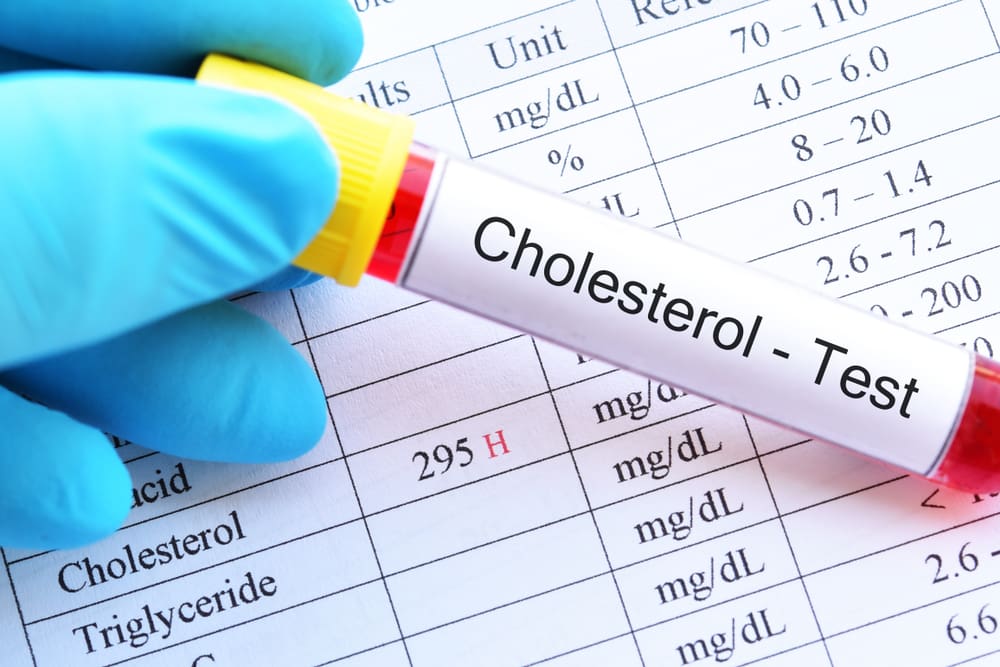
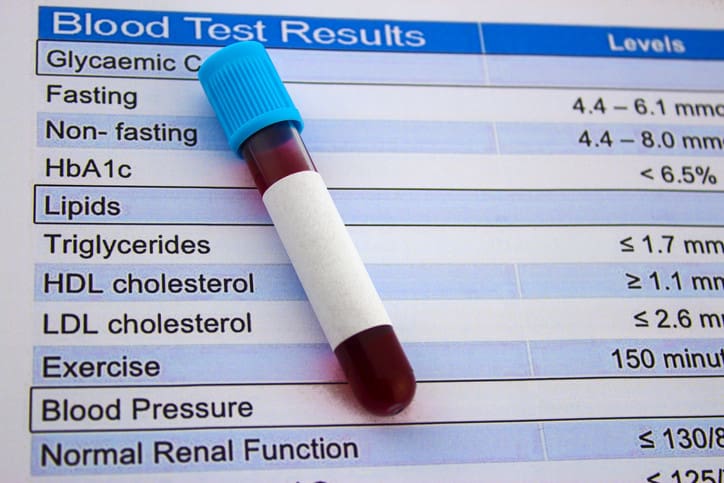
Cholesterol testing: It’s something we’ve all heard of, but how much do you really know about it? Well, fret not, because in this article we’re going to give you the lowdown on everything you need to know about cholesterol testing. From what it is, why it’s important, and how to prepare for the test, we’ve got you covered. So sit back, relax, and get ready to become a cholesterol testing expert!
What is Cholesterol?
Description of cholesterol
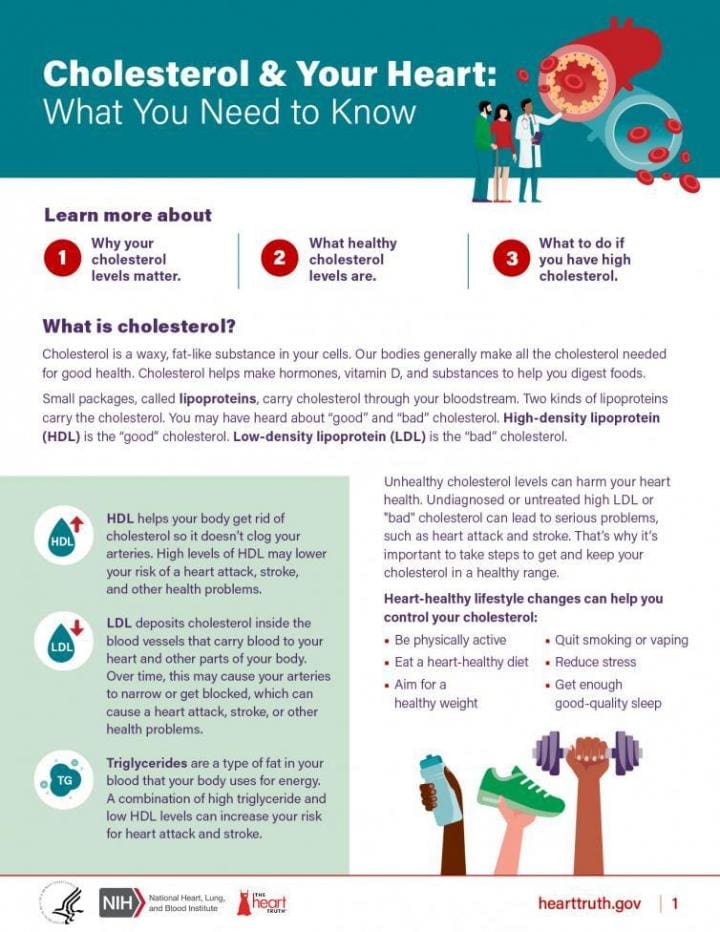
Cholesterol is a type of fat that is produced by the liver and is also found in certain foods we consume. It is an essential substance in our bodies as it helps in the production of cell membranes, vitamin D, and certain hormones. However, too much cholesterol can lead to health problems, particularly cardiovascular disease.
Types of cholesterol
Cholesterol is transported in the blood in different forms. The two main types of cholesterol are low-density lipoprotein (LDL) cholesterol, often referred to as “bad” cholesterol, and high-density lipoprotein (HDL) cholesterol, known as “good” cholesterol. LDL cholesterol can build up in the arteries, leading to blockages and increasing the risk of heart disease. On the other hand, HDL cholesterol helps remove LDL cholesterol from the arteries, protecting against heart disease. Total cholesterol refers to the sum of both LDL and HDL cholesterol levels.
Why is Cholesterol Testing Important?
Understanding the importance of cholesterol testing
Cholesterol testing is crucial because it allows healthcare professionals to assess an individual’s risk for heart disease. High cholesterol levels often do not present any symptoms, making it essential to measure cholesterol levels regularly. By knowing your cholesterol numbers, you can take proactive steps to manage your cholesterol levels and reduce the risk of developing heart disease.
Identifying risk factors for heart disease
Cholesterol testing helps identify the risk factors for heart disease. High levels of LDL cholesterol, low levels of HDL cholesterol, and elevated total cholesterol can be indicators of increased risk. Additionally, other risk factors such as smoking, obesity, high blood pressure, and diabetes can also contribute to heart disease. Getting your cholesterol tested can help identify these risk factors early on, allowing for preventive measures to be taken.
Monitoring the effectiveness of cholesterol-lowering treatments
Cholesterol testing is essential in monitoring the effectiveness of cholesterol-lowering treatments, such as lifestyle changes and medications. Regular testing allows your healthcare provider to assess how well these interventions are working and make necessary adjustments if needed. It provides insight into whether your cholesterol levels are improving and whether further action is required to manage your cholesterol effectively.

Who Should Get Cholesterol Testing?
Age and gender recommendations
Cholesterol testing is recommended for adults starting at age 20. Younger individuals may require testing if they have specific heart disease risk factors or a family history of high cholesterol or heart disease. Gender does not play a significant role in determining who should get tested, as both men and women can develop high cholesterol levels and be at risk for heart disease.
Family history and genetic factors
Individuals with a family history of high cholesterol or heart disease are more likely to have elevated cholesterol levels themselves. If your parents or siblings have been diagnosed with high cholesterol or have experienced heart disease, it is important to get tested. Genetic factors can also increase the risk of high cholesterol, making cholesterol testing crucial for individuals with genetic conditions that impact cholesterol metabolism.
Existing medical conditions that may warrant testing
Certain medical conditions, such as obesity, diabetes, and high blood pressure, can increase the risk of high cholesterol and heart disease. People with these conditions should consider cholesterol testing to monitor their cholesterol levels and take appropriate measures to manage their health. Additionally, individuals who have already been diagnosed with heart disease or have undergone treatments such as artery stenting or coronary bypass surgery should also undergo cholesterol testing regularly.
What Happens During a Cholesterol Test?
Different types of cholesterol tests
There are different types of cholesterol tests available, including a total cholesterol test, LDL cholesterol test, HDL cholesterol test, and triglyceride test. A total cholesterol test measures the overall cholesterol level in your blood, while LDL cholesterol test focuses on the “bad” cholesterol. HDL cholesterol test measures the “good” cholesterol, and the triglyceride test measures another type of fat in the blood.
Preparing for the test
Before getting a cholesterol test, it is important to follow certain preparations. Typically, the test requires fasting for about 9-12 hours. This means avoiding any food or drink, except water, during this time. Your healthcare provider will provide specific instructions on how long you need to fast before the test. It is important to adhere to these instructions to ensure accurate test results.
What to expect during the test
During a cholesterol test, a healthcare professional will draw a blood sample from a vein in your arm using a small needle. The procedure is relatively quick and causes minimal discomfort. After the blood is drawn, it is sent to a laboratory for analysis. The results are usually available within a few days, and your healthcare provider will discuss the results with you during a follow-up appointment.
Interpreting Cholesterol Test Results
Understanding cholesterol numbers
Cholesterol test results are typically presented as numerical values, expressed in milligrams per deciliter (mg/dL) of blood. The desired cholesterol levels vary based on an individual’s overall risk factors. Generally, lower cholesterol levels are preferred, but it is important to discuss your specific numbers with your healthcare provider to determine their significance for your overall health.
Differentiating between LDL and HDL cholesterol levels
Interpreting cholesterol test results involves understanding the levels of LDL and HDL cholesterol. LDL cholesterol levels should ideally be low as high levels can contribute to the development of artery-clogging plaques. On the other hand, higher levels of HDL cholesterol are desirable, as HDL helps remove LDL cholesterol from the arteries, reducing the risk of heart disease.
Determining risk levels for heart disease
Cholesterol test results, along with other risk factors such as age, gender, blood pressure, and smoking status, are used to assess an individual’s overall risk of developing heart disease. By evaluating the cholesterol levels in conjunction with these factors, healthcare professionals can determine whether an individual is at low, moderate, or high risk for heart disease. This information helps guide treatment decisions and lifestyle recommendations.
Understanding Lipid Profile vs. Cholesterol Testing
Differences between lipid profile and cholesterol testing
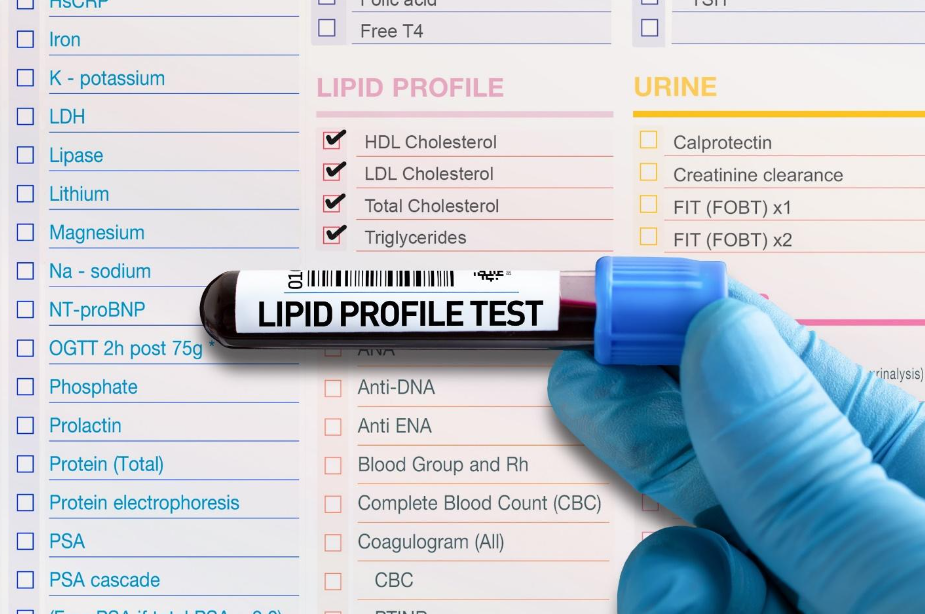
While cholesterol testing refers to the measurement of specific types of cholesterol, a lipid profile provides a more comprehensive assessment of an individual’s lipid levels. A lipid profile measures not only total cholesterol, LDL cholesterol, HDL cholesterol, and triglycerides but also provides additional information, such as non-HDL cholesterol and the ratio of total cholesterol to HDL cholesterol. Lipid profiles offer a more complete picture of an individual’s lipid profile, aiding in a more accurate assessment of cardiovascular risk.
Importance of comprehensive lipid profile testing
Comprehensive lipid profile testing offers a more thorough evaluation of an individual’s lipid levels, providing a deeper insight into their risk for heart disease. While simple cholesterol testing can provide valuable information, a lipid profile allows for a more nuanced assessment and can guide treatment decisions more effectively. If you have specific risk factors or are concerned about your heart health, discussing a lipid profile with your healthcare provider may be beneficial.
How Often Should You Get Cholesterol Testing?
General recommendations for frequency of testing
The frequency of cholesterol testing varies depending on an individual’s risk factors for heart disease. For individuals with normal cholesterol levels and no significant risk factors, cholesterol testing is generally recommended every four to six years. However, it is important to discuss this with your healthcare provider, as they may have different recommendations based on your specific circumstances.
High-risk individuals and more frequent testing
Individuals considered to be at higher risk for heart disease, such as those with diabetes, obesity, or a family history of heart disease, may require more frequent cholesterol testing. This ensures that any changes in cholesterol levels are closely monitored and appropriate actions are taken in a timely manner. High-risk individuals may need to have cholesterol tests annually or as advised by their healthcare provider.
Monitoring cholesterol levels during treatment
If you have been diagnosed with high cholesterol or are undergoing cholesterol-lowering treatments, regular monitoring of cholesterol levels is essential. This helps determine the effectiveness of the treatments and allows for adjustments if necessary. Your healthcare provider will provide guidance on how often you should get tested based on your specific treatment plan and individual needs.
Preparing for a Cholesterol Test
Fasting requirements before the test
To ensure accurate test results, fasting is typically required before a cholesterol test. This means refraining from eating or drinking anything except water for a specified period of time before the test. Your healthcare provider will provide instructions on how long you need to fast before the test. It is important to follow these instructions closely to obtain reliable and accurate results.
Avoiding certain medications or supplements
Some medications and supplements can affect cholesterol test results. It is important to inform your healthcare provider about any medications or supplements you are taking before the test. They will advise you on whether you need to discontinue any medications temporarily or adjust your dosage before the test to obtain accurate results.
Communicating with your healthcare provider
Before a cholesterol test, it is crucial to communicate any concerns or questions with your healthcare provider. They can provide you with detailed instructions on how to prepare for the test and address any specific concerns you may have. Open communication ensures that you are well-informed and prepared for the test, leading to a smoother experience and better understanding of the results.

Risks and Limitations of Cholesterol Testing
Potential discomfort during the test
Cholesterol testing is generally a quick and minimally invasive procedure that does not cause significant discomfort. However, some individuals may experience minor discomfort or bruising at the site where the blood sample is drawn. These discomforts are temporary and usually resolve quickly. If you have concerns about potential discomfort, discussing them with your healthcare provider beforehand can help alleviate any anxiety.
Possible inaccuracies in results
While cholesterol testing is a valuable tool in evaluating an individual’s risk for heart disease, it is important to note that results can sometimes be influenced by various factors. External factors such as recent illness, medication use, and dietary changes can impact cholesterol levels. Additionally, individual variations in cholesterol metabolism may affect test results. Therefore, it is essential to interpret cholesterol test results in conjunction with other risk factors, medical history, and overall health.
Limitations of cholesterol testing
Cholesterol testing has its limitations. It provides information about the levels of different types of cholesterol but does not give a full picture of an individual’s cardiovascular health. Other factors, such as inflammation, blood clotting, and plaque buildup, can also contribute to the development of heart disease. Therefore, cholesterol testing should be considered as part of a comprehensive evaluation of an individual’s overall cardiovascular risk.
Taking Action After Cholesterol Testing
Discussing results with your healthcare provider
After receiving your cholesterol test results, it is important to schedule a follow-up appointment with your healthcare provider to discuss the findings. They will help you understand what your results mean in the context of your overall health and guide you on appropriate next steps. This may include lifestyle changes, such as adopting a heart-healthy diet, increasing physical activity, or considering medication options if necessary.
Implementing lifestyle changes to improve cholesterol levels
If your cholesterol test results indicate elevated cholesterol levels or an increased risk for heart disease, lifestyle changes can play a crucial role in improving your cholesterol levels and overall cardiovascular health. This may involve making dietary modifications, increasing physical activity, losing weight if necessary, quitting smoking, and managing other risk factors such as diabetes or high blood pressure. Your healthcare provider can provide personalized recommendations based on your unique circumstances.
Considering medication options if necessary
In some cases, lifestyle changes may not be sufficient to manage cholesterol levels effectively. If your cholesterol levels remain elevated even after implementing lifestyle modifications, your healthcare provider may recommend medication options. Cholesterol-lowering medications, such as statins, fibrates, or bile acid sequestrants, can be prescribed to help lower cholesterol and reduce the risk of heart disease. It is important to discuss the potential benefits and risks of medication with your healthcare provider before making a decision.
Cholesterol testing is a valuable tool in assessing an individual’s risk for heart disease and managing their cardiovascular health. By understanding the importance of cholesterol testing, who should get tested, and how to interpret the results, you can take proactive steps to maintain healthy cholesterol levels and reduce the risk of heart disease. Remember to communicate openly with your healthcare provider, implement necessary lifestyle changes, and follow their guidance to make informed decisions about your cardiovascular health.