Are you looking for an easy way to manage your cholesterol levels? Look no further! In this informative article, we will explore the best supplements available that can help you lower your cholesterol. Whether you are a beginner to the world of cholesterol management or simply looking for some effective supplements, this overview will provide you with all the information you need to get started. Get ready to take control of your health and discover the best supplements for lowering cholesterol!
Fish Oil
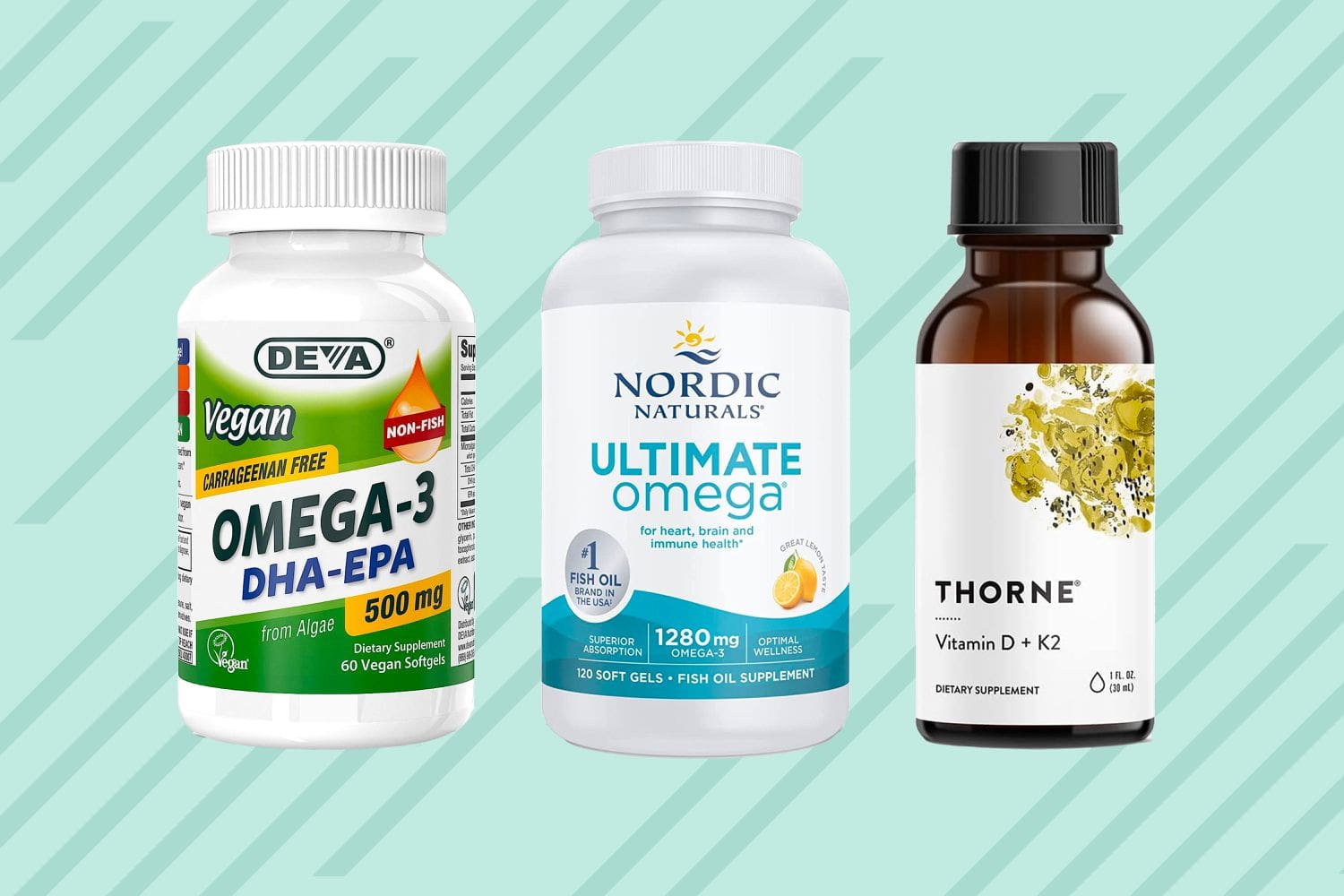
Fish oil is a fantastic supplement that offers numerous health benefits, particularly when it comes to managing cholesterol levels. One of its key advantages is its ability to reduce triglycerides. Triglycerides are a type of fat found in the bloodstream, and high levels can increase the risk of heart disease. By taking fish oil supplements, you can significantly lower your triglyceride levels, promoting better heart health.
Another way fish oil can positively impact your cholesterol levels is by increasing HDL cholesterol, commonly known as the “good” cholesterol. HDL cholesterol helps remove harmful LDL cholesterol from the bloodstream, thus reducing the risk of plaque build-up in the arteries and preventing the development of heart disease. By including fish oil in your daily routine, you can give your HDL cholesterol levels a boost and improve your overall lipid profile.
Furthermore, fish oil has the potential to lower blood pressure, which is another crucial factor in heart health. High blood pressure can strain the heart and lead to conditions such as heart attack or stroke. By taking fish oil supplements regularly, you can experience a modest reduction in blood pressure, promoting healthier cardiovascular function.
Plant Sterols
Another excellent supplement for cholesterol management is plant sterols. These natural compounds, typically found in foods like fruits, vegetables, nuts, and seeds, have been shown to block cholesterol absorption in the gut. By preventing the body from absorbing cholesterol from the foods we eat, plant sterols effectively lower LDL cholesterol levels, which is the “bad” cholesterol associated with heart disease.
Including plant sterols in your diet can offer significant benefits, particularly if you have high cholesterol levels or are at risk of developing heart disease. These supplements are available in various forms, including tablets, capsules, and fortified foods, making it easy to incorporate them into your daily routine.

Red Yeast Rice
Red yeast rice is a natural supplement that has been used in traditional Chinese medicine for centuries. It is produced by fermenting rice with a certain type of yeast, resulting in a compound called monacolin K, which is a natural statin. Statins are a widely prescribed medication for managing cholesterol levels since they effectively lower LDL cholesterol.
By including red yeast rice in your diet, you can benefit from its natural statin content without the potential side effects associated with synthetic statin medications. Red yeast rice has been shown to reduce LDL cholesterol levels and can be an excellent option for individuals looking for a natural alternative to traditional statins.
Garlic
Garlic is a common ingredient in many culinary dishes and has long been celebrated for its potential health benefits. In addition to adding flavor to your meals, garlic can also help reduce cholesterol levels. Studies suggest that garlic can lower total cholesterol and LDL cholesterol, which are both critical risk factors for heart disease.
The active compounds found in garlic, such as allicin, are thought to contribute to these cholesterol-lowering effects. Incorporating garlic into your diet, whether fresh or in supplement form, can be a simple and delicious way to support your heart health and promote healthy cholesterol levels.

Niacin
Niacin, also known as vitamin B3, is a water-soluble vitamin that plays a crucial role in various processes in the body, including cholesterol management. Niacin has been shown to raise HDL cholesterol levels, which is beneficial for lowering the risk of heart disease. Additionally, niacin has the ability to lower LDL cholesterol levels, making it an excellent supplement for individuals looking to improve their cholesterol profile.
It’s important to note that niacin supplements should be taken under the guidance of a healthcare professional, as high doses can cause side effects such as flushing or liver damage. However, when taken at the appropriate dosage, niacin can be a valuable addition to a cholesterol-lowering regimen.
Berberine
Berberine is a compound found in various plants, including goldenseal and Oregon grape. It has been used in traditional medicine for its potential health benefits, including its ability to lower LDL cholesterol levels. Additionally, berberine has been shown to increase HDL cholesterol levels, further improving the lipid profile.
Berberine works by activating an enzyme called AMP-activated protein kinase (AMPK), which plays a role in regulating metabolism. By activating AMPK, berberine can help lower LDL cholesterol, reduce triglyceride levels, and increase HDL cholesterol. Adding berberine supplements or incorporating berberine-rich foods into your diet can be a natural and effective approach to managing cholesterol levels.

Artichoke Leaf Extract
Artichoke leaf extract is derived from the leaves of the artichoke plant and has been used for centuries for its potential health benefits. One of the key advantages of artichoke leaf extract is its ability to reduce LDL cholesterol levels. LDL cholesterol is often referred to as the “bad” cholesterol since elevated levels can increase the risk of heart disease.
Including artichoke leaf extract in your diet can help support healthy cholesterol levels and reduce the risk of cardiovascular problems. Additionally, artichoke leaf extract has been shown to raise HDL cholesterol, further promoting a favorable lipid profile.
Soluble Fiber
Soluble fiber is a type of dietary fiber that dissolves in water and forms a gel-like substance in the digestive tract. This gel-like substance helps bind to cholesterol in the gut, preventing its absorption into the bloodstream and facilitating its elimination from the body. By including more soluble fiber in your diet, you can effectively reduce LDL cholesterol levels and improve your overall lipid profile.
Foods rich in soluble fiber include oats, barley, legumes, fruits, and vegetables. Additionally, soluble fiber supplements are available for individuals who may struggle to meet their daily fiber requirements through diet alone. By incorporating soluble fiber into your routine, you can support healthy cholesterol levels and promote better heart health.

Green Tea Extract
Green tea has long been celebrated for its potential health benefits, and green tea extract offers a concentrated dose of its beneficial compounds. One advantage of green tea extract is its ability to lower LDL cholesterol levels, reducing the risk of heart disease.
The active components in green tea, such as catechins and epigallocatechin gallate (EGCG), are thought to contribute to its cholesterol-lowering effects. These compounds help inhibit the absorption of cholesterol in the intestines and promote its excretion from the body. By incorporating green tea extract into your daily routine, you can support healthy cholesterol levels and enjoy the numerous other health benefits green tea has to offer.
Coenzyme Q10
Coenzyme Q10, also known as CoQ10, is a compound naturally produced by the body. It plays a crucial role in energy production within the cells and acts as an antioxidant. Additionally, CoQ10 has been found to reduce oxidized LDL cholesterol, which is particularly harmful and contributes to plaque formation in the arteries.
By taking CoQ10 supplements, you can help reduce the levels of oxidized LDL cholesterol in the bloodstream, promoting better heart health. CoQ10 also supports overall cholesterol management by improving the lipid profile and offering additional antioxidant benefits.
In conclusion, these supplements offer a range of benefits and can be highly effective in managing cholesterol levels and promoting better heart health. From fish oil to garlic, plant sterols to CoQ10, incorporating these supplements into your routine can provide you with the support you need to lower LDL cholesterol, raise HDL cholesterol, reduce triglycerides, and improve your overall cholesterol profile. As always, it’s important to consult with a healthcare professional before starting any new supplement regimen to ensure they are suitable for your individual needs. With the right approach and support, you can take control of your cholesterol levels and work towards a healthier heart.
