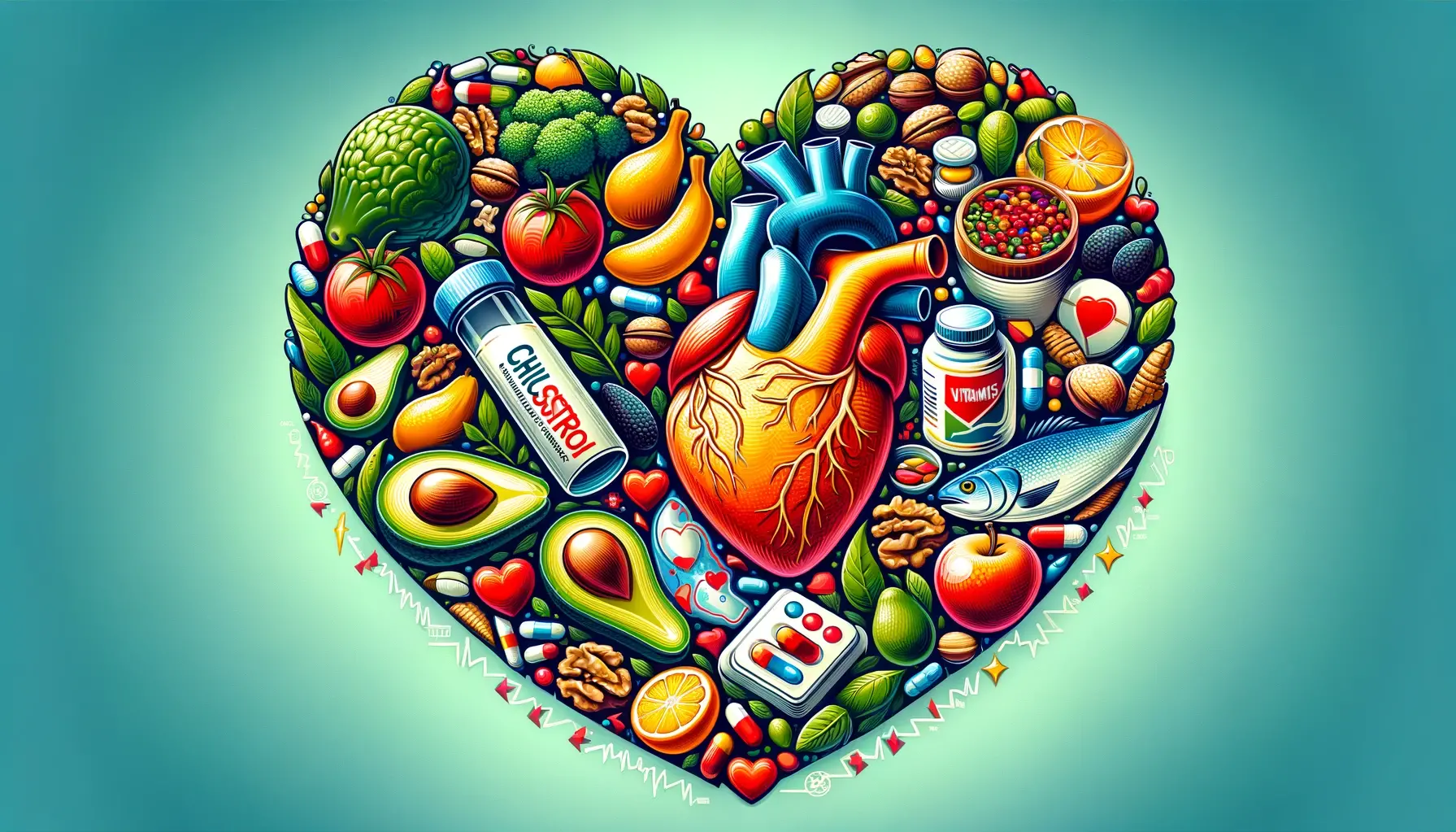

Are you looking to lower your cholesterol levels? If so, then you may be interested in exploring the world of cholesterol-lowering supplements. But with so many options available, how do you know which ones are actually effective? In this article, we will discuss the key ingredients you should look for in cholesterol-lowering supplements to help you make an informed decision about which ones to try.

1. Plant Sterols and Stanols
What are plant sterols and stanols?
Plant sterols and stanols are natural substances that can be found in certain plants, such as fruits, vegetables, nuts, and grains. These substances have a structure similar to cholesterol and act by blocking the absorption of dietary cholesterol in the intestines.
How do they lower cholesterol?
When consumed, plant sterols and stanols compete with cholesterol for uptake in the digestive system. This competition leads to a reduced absorption of cholesterol into the bloodstream, resulting in lower LDL (bad) cholesterol levels.
Recommended dosage
The National Cholesterol Education Program (NCEP) recommends a daily intake of 2 grams of plant sterols and stanols to effectively lower cholesterol levels. It is important to spread this intake throughout the day, usually in increments of 1 gram with meals.
Potential side effects
Plant sterols and stanols are considered safe for most people when consumed in recommended doses. However, some individuals may experience mild side effects such as digestive upset, including bloating, gas, or diarrhea. These side effects are usually temporary and subside on their own.
Sources of plant sterols and stanols
Plant sterols and stanols can be obtained naturally from food sources or through supplements. Foods rich in these substances include vegetable oils (like soybean and canola oil), nuts and seeds, whole grains, fruits, and vegetables. Additionally, there are numerous cholesterol-lowering supplements available on the market that contain plant sterols and stanols.
2. Soluble Fiber
What is soluble fiber?
Soluble fiber is a type of dietary fiber that dissolves in water to form a gel-like substance. It can be found in various plant-based foods, including fruits, vegetables, legumes, and whole grains.
How does soluble fiber lower cholesterol?
Soluble fiber works by binding to cholesterol in the digestive tract, preventing its absorption into the bloodstream. This leads to a reduction in LDL cholesterol levels, as the cholesterol is eliminated from the body through waste.
Recommended dosage
The American Heart Association recommends a daily intake of 5-10 grams of soluble fiber to effectively lower cholesterol levels. This can be achieved by incorporating foods such as oats, barley, fruits (such as apples and citrus fruits), vegetables (like Brussels sprouts and carrots), and legumes (including lentils and beans) into your diet.
Potential side effects
Soluble fiber is generally well-tolerated and does not cause significant side effects. However, some individuals may experience increased gas or bloating when consuming large amounts of fiber. It is advisable to increase fiber intake gradually and drink plenty of water to minimize these potential side effects.
Sources of soluble fiber
Soluble fiber can be obtained from various food sources. Good sources of soluble fiber include oats, barley, legumes, fruits (such as oranges and apples), vegetables (like Brussels sprouts and carrots), and whole grains (including brown rice and quinoa). It is always recommended to obtain fiber from whole foods rather than relying solely on supplements.
3. Omega-3 Fatty Acids
What are omega-3 fatty acids?
Omega-3 fatty acids are a type of polyunsaturated fat that plays a vital role in maintaining overall health. They are essential fats, meaning that our bodies cannot produce them and must obtain them through dietary sources.
How do omega-3 fatty acids lower cholesterol?
Omega-3 fatty acids have been shown to reduce triglyceride levels in the blood, which subsequently helps to lower LDL cholesterol levels. They also have anti-inflammatory properties and can promote the production of HDL (good) cholesterol.
Recommended dosage
The American Heart Association recommends consuming two servings of fatty fish, such as salmon, mackerel, or tuna, per week. Each serving should contain approximately 3.5 ounces of fish. Alternatively, omega-3 fatty acids can be obtained through fish oil supplements, with a recommended dose of 1-4 grams per day, depending on individual needs and health conditions.
Potential side effects
Most people can tolerate omega-3 fatty acids without experiencing significant side effects. However, high doses of fish oil supplements may cause digestive issues such as fishy aftertaste, burping, or gastrointestinal discomfort. It is important to consult with a healthcare provider before starting any omega-3 fatty acid supplementation.
Sources of omega-3 fatty acids
Omega-3 fatty acids are mainly found in fatty fish such as salmon, mackerel, sardines, and tuna. Plant-based sources of omega-3 fatty acids include flaxseeds, chia seeds, walnuts, and certain algae-based supplements. Additionally, fish oil supplements are widely available for those who prefer a convenient alternative.
4. Red Yeast Rice
What is red yeast rice?
Red yeast rice is a traditional Chinese fermented rice product that contains naturally occurring statins, such as lovastatin. Statins are pharmaceutical drugs commonly prescribed to lower cholesterol levels.
How does red yeast rice lower cholesterol?
The active compounds in red yeast rice, specifically lovastatin, inhibit an enzyme involved in cholesterol production in the liver. This inhibition leads to a reduction in LDL cholesterol levels and an increase in HDL cholesterol levels.
Recommended dosage
The recommended dosage of red yeast rice can vary depending on the product and individual needs. It is essential to follow the instructions provided by the manufacturer or consult with a healthcare professional for guidance. Generally, dosages range from 600 to 1,200 milligrams daily, divided into two doses.
Potential side effects
Red yeast rice can cause side effects similar to those of prescription statins, such as muscle pain, liver damage, and digestive issues. It is crucial to monitor liver function and muscle symptoms while taking red yeast rice and consult with a healthcare professional if any adverse effects occur.
Sources of red yeast rice
Red yeast rice is available in supplement form and can be purchased from health food stores or online retailers. It is important to choose reliable brands that adhere to quality standards to ensure the purity and potency of the product.
5. Coenzyme Q10
What is coenzyme Q10?
Coenzyme Q10, also known as CoQ10, is a naturally occurring antioxidant compound found in every cell of the body. It plays a crucial role in cellular energy production and acts as a potent antioxidant.
How does coenzyme Q10 impact cholesterol levels?
Coenzyme Q10 is involved in the production of cellular energy and plays a role in the metabolism of LDL cholesterol. Supplementation with CoQ10 has been shown to improve LDL cholesterol levels and reduce oxidative stress, thereby promoting cardiovascular health.
Recommended dosage
The optimal dosage of Coenzyme Q10 may vary depending on individual needs and health conditions. Generally, a daily dose of 100-200 milligrams is recommended for cardiovascular health. However, it is always advisable to consult with a healthcare provider for personalized dosing recommendations.
Potential side effects
Coenzyme Q10 is generally well-tolerated. Side effects, if any, are usually mild and temporary, including gastrointestinal upset, headache, or skin rashes. It is important to note that CoQ10 can interact with certain medications, so it is crucial to discuss its use with a healthcare professional if you are taking any prescription medications.
Sources of coenzyme Q10
Coenzyme Q10 is naturally produced by the body and can also be obtained through dietary sources. Foods rich in CoQ10 include meat (particularly organ meats), fish, nuts, and vegetables such as spinach and broccoli. CoQ10 supplements are also available for those who may have difficulty obtaining sufficient amounts through diet alone.
6. Garlic Extract
What is garlic extract?
Garlic extract is a concentrated form of garlic that is obtained by processing fresh garlic bulbs. Garlic has a long history of medicinal use and is known for its potential health benefits, including its cholesterol-lowering properties.
How does garlic extract lower cholesterol?
Garlic extract contains various bioactive compounds, including allicin, which has been shown to have cholesterol-lowering effects. It appears to inhibit cholesterol synthesis in the liver and enhance the elimination of cholesterol from the body.
Recommended dosage
The recommended dosage of garlic extract for cholesterol-lowering effects varies depending on the product’s concentration and individual needs. It is essential to follow the instructions provided by the manufacturer or consult with a healthcare professional for personalized dosing guidance.
Potential side effects
Garlic extract is generally safe for most individuals when consumed in moderate amounts. However, some people may experience gastrointestinal discomfort, acid reflux, or bad breath. In rare cases, individuals with garlic allergies may experience allergic reactions. It is advisable to start with a low dose and gradually increase if well-tolerated.
Sources of garlic extract
Garlic extract is available in various forms, including capsules, tablets, powders, and oils. It can be found in health food stores, pharmacies, and online retailers. Additionally, fresh garlic can also be incorporated into meals and recipes to reap its potential benefits.
7. Policosanol
What is policosanol?
Policosanol is a mixture of natural compounds derived from sugarcane wax, beeswax, or rice bran wax. It is commonly used as a supplement to help lower cholesterol levels and promote cardiovascular health.
How does policosanol lower cholesterol?
Policosanol is believed to reduce cholesterol production in the liver and increase the breakdown and elimination of LDL cholesterol. It also has antioxidant properties that help protect against oxidative damage to blood vessels.
Recommended dosage
The recommended dosage of policosanol ranges from 5 to 20 milligrams daily, usually taken before bedtime. However, individual needs may vary, and it is advisable to consult with a healthcare professional for personalized dosing recommendations.
Potential side effects
Policosanol is well-tolerated by most individuals, with few reported side effects. However, some people may experience mild digestive issues, skin rash, or headache. It is important to monitor for any adverse reactions and discontinue use if necessary.
Sources of policosanol
Policosanol supplements can be found in health food stores, pharmacies, and online retailers. It is important to choose reputable brands that adhere to quality standards to ensure the purity and potency of the product.
8. Green Tea Extract
What is green tea extract?
Green tea extract is derived from the leaves of the Camellia sinensis plant, which undergo a process of steaming and drying. It is known for its rich antioxidant content and potential health benefits, including its role in promoting cardiovascular health.
How does green tea extract lower cholesterol?
Green tea extract contains various bioactive compounds, including catechins, which have been shown to exhibit cholesterol-lowering effects. These compounds appear to reduce cholesterol absorption in the intestines, promote the breakdown of LDL cholesterol, and enhance the excretion of cholesterol from the body.
Recommended dosage
The recommended dosage of green tea extract for cholesterol-lowering benefits varies depending on the product’s concentration and individual needs. It is important to follow the instructions provided by the manufacturer or consult with a healthcare professional for personalized dosing guidance.
Potential side effects
Green tea extract is generally safe for most individuals when consumed in moderate amounts. However, some people may experience mild digestive upset, caffeine sensitivity, or allergic reactions. It is advisable to start with a low dose and gradually increase if well-tolerated.
Sources of green tea extract
Green tea extract can be found in various forms, including capsules, tablets, and powders. It is available in health food stores, pharmacies, and online retailers. Additionally, drinking green tea itself can provide some of the potential health benefits associated with green tea extract.
9. Artichoke Leaf Extract
What is artichoke leaf extract?
Artichoke leaf extract is derived from the leaves of the artichoke plant, scientifically known as Cynara cardunculus. It has a long history of use in traditional medicine and is believed to offer various health benefits, including its potential to lower cholesterol levels.
How does artichoke leaf extract lower cholesterol?
Artichoke leaf extract contains compounds called cynarins, which have been shown to have cholesterol-lowering effects. These compounds appear to inhibit cholesterol synthesis in the liver, enhance the breakdown and elimination of cholesterol, and promote the production of bile acids.
Recommended dosage
The recommended dosage of artichoke leaf extract varies depending on the product’s concentration and individual needs. It is important to follow the instructions provided by the manufacturer or consult with a healthcare professional for personalized dosing guidance.
Potential side effects
Artichoke leaf extract is generally safe for most individuals when consumed in moderate amounts. However, some people may experience mild gastrointestinal upset or allergic reactions. It is advisable to start with a low dose and gradually increase if well-tolerated.
Sources of artichoke leaf extract
Artichoke leaf extract can be found in supplement form in health food stores, pharmacies, and online retailers. It is important to choose reputable brands that adhere to quality standards to ensure the purity and potency of the product. Additionally, fresh artichokes can be incorporated into meals and recipes for their potential health benefits.
10. Niacin
What is niacin?
Niacin, also known as vitamin B3, is an essential nutrient that plays a crucial role in various bodily functions. It is involved in energy metabolism, DNA repair, and the production of various hormones and compounds needed for overall health.
How does niacin lower cholesterol?
Niacin has been shown to increase HDL (good) cholesterol levels and reduce LDL (bad) cholesterol levels. It also helps to lower triglyceride levels in the blood, thereby supporting cardiovascular health.
Recommended dosage
The recommended daily dosage of niacin for cholesterol-lowering effects can range from 500 to 2,000 milligrams, depending on individual needs and health conditions. However, it is important to consult with a healthcare professional before starting niacin supplementation, as high doses may have side effects and interactions with other medications.
Potential side effects
Niacin can cause flushing of the skin, itching, or a sensation of warmth, particularly when taken in high doses. This side effect is usually harmless and subsides over time. However, it is important to discuss niacin supplementation with a healthcare professional to determine the appropriate dosage and monitor for any adverse effects.
Sources of niacin
Niacin is found naturally in various food sources, including meat, fish, poultry, mushrooms, and peanuts. It is also available as a dietary supplement in various forms, including immediate-release, sustained-release, and extended-release tablets or capsules. It is advisable to obtain niacin through a balanced diet whenever possible and consider supplementation under the guidance of a healthcare professional.
In conclusion, there are several key ingredients to look for in cholesterol-lowering supplements. Including plant sterols and stanols, soluble fiber, omega-3 fatty acids, red yeast rice, coenzyme Q10, garlic extract, policosanol, green tea extract, artichoke leaf extract, and niacin. These ingredients have been shown to have cholesterol-lowering properties through various mechanisms, providing individuals with natural options to support cardiovascular health. However, it is crucial to consult with a healthcare professional before starting any new supplements, as individual needs and potential interactions may vary. By incorporating these key ingredients into your lifestyle, along with a healthy diet and regular exercise, you can take proactive steps towards maintaining optimal cholesterol levels and promoting overall well-being.