

If you’re looking for a natural way to lower your cholesterol levels, then you may want to consider the connection between CoQ10 and cholesterol reduction. CoQ10, also known as coenzyme Q10, is a powerful antioxidant that plays a vital role in energy production within our cells. In addition to its energy-boosting benefits, research has shown that CoQ10 supplementation may help lower cholesterol levels by reducing oxidative stress and enhancing the effects of statin medications. By understanding the connection between CoQ10 and cholesterol, you can take proactive steps towards achieving a healthier heart and maintaining optimal cholesterol levels.

CoQ10: An Overview
What is CoQ10?
Coenzyme Q10, commonly known as CoQ10, is a naturally occurring compound in the human body. It is found in every cell and plays a vital role in energy production. CoQ10 also functions as a powerful antioxidant, protecting cells from damage caused by free radicals. This essential nutrient is present in various forms, including ubiquinone and ubiquinol, with ubiquinol being the active antioxidant form.
How does CoQ10 work?
CoQ10 is involved in the electron transport chain, which is responsible for generating adenosine triphosphate (ATP) – the energy currency of the body. It acts as a coenzyme, facilitating the flow of electrons and promoting ATP synthesis. Additionally, CoQ10 neutralizes harmful free radicals, preventing oxidative stress and maintaining cellular health.
What are the benefits of CoQ10?
CoQ10 offers a wide range of health benefits beyond its role in energy production. It has been studied extensively for its potential to reduce the risk of cardiovascular diseases, such as high blood pressure, heart failure, and atherosclerosis. CoQ10 also exhibits anti-inflammatory properties, supports immune function, and may have a positive impact on neurodegenerative conditions. Furthermore, it plays a crucial role in maintaining healthy skin and promotes the overall well-being of an individual.
Understanding Cholesterol
What is cholesterol?
Cholesterol is a waxy substance produced by the liver and found in certain food sources. Contrary to its negative reputation, cholesterol is essential for various physiological processes. It serves as a building block for cell membranes, aids in the production of hormones and vitamin D, and plays a crucial role in digestion. However, problems arise when cholesterol levels become imbalanced, leading to potential health risks.
Types of cholesterol
Cholesterol is transported through the bloodstream in lipoproteins, which are classified into different types based on their density. Low-density lipoprotein (LDL) is commonly known as “bad” cholesterol, as high levels can contribute to the formation of plaques in the arteries. On the other hand, high-density lipoprotein (HDL) is often referred to as “good” cholesterol, as it helps remove excess cholesterol from the bloodstream.
The role of cholesterol in the body
Cholesterol is vital for the body’s normal functioning. It is involved in the production of hormones, such as estrogen and testosterone, and aids in the digestion of dietary fats. Cholesterol is also necessary for the formation of bile acids, which facilitate the absorption of fat-soluble vitamins. However, excess cholesterol can accumulate in the arteries, leading to atherosclerosis and an increased risk of cardiovascular diseases.
The Link Between CoQ10 and Cholesterol
Research on CoQ10 and cholesterol
Over the years, extensive research has been conducted to explore the relationship between CoQ10 and cholesterol levels. Numerous studies have demonstrated the potential of CoQ10 in lowering LDL cholesterol levels, improving the LDL to HDL cholesterol ratio, and reducing overall cardiovascular risk. These findings have sparked interest in the use of CoQ10 as a natural supplement to support healthy cholesterol management.
How CoQ10 affects cholesterol levels
CoQ10 has been shown to modulate various enzymes involved in cholesterol synthesis, including HMG-CoA reductase. By inhibiting this enzyme, CoQ10 can reduce the production of cholesterol in the liver, leading to a decrease in LDL cholesterol levels. Additionally, CoQ10 promotes the activity of enzymes responsible for the breakdown of LDL cholesterol, further contributing to its beneficial effects on lipid profiles.
Mechanism of action
CoQ10’s impact on cholesterol levels extends beyond its role in enzyme regulation. As a potent antioxidant, CoQ10 protects LDL cholesterol from oxidation, a crucial step in the development of atherosclerosis. Moreover, CoQ10 improves endothelial function, enhances nitric oxide production, and reduces inflammation, all of which are key factors in maintaining cardiovascular health and optimizing cholesterol levels.
CoQ10 and LDL Cholesterol
The impact of CoQ10 on LDL cholesterol
LDL cholesterol, often referred to as “bad” cholesterol, is a significant contributing factor to the development of cardiovascular diseases. CoQ10 supplementation has been observed to lower LDL cholesterol levels in several clinical studies. By inhibiting cholesterol synthesis and promoting LDL breakdown, CoQ10 helps to reduce the amount of LDL cholesterol circulating in the bloodstream, mitigating the risk of plaque formation and related complications.
CoQ10 as an antioxidant
One of the mechanisms by which CoQ10 influences LDL cholesterol is through its antioxidant properties. LDL cholesterol particles can become oxidized in the presence of free radicals, leading to inflammation and an increased risk of atherosclerosis. CoQ10 acts as a potent antioxidant, neutralizing these harmful free radicals and protecting LDL cholesterol from oxidative damage.
Effects on LDL oxidation
CoQ10 supplementation has been shown to prevent LDL oxidation and subsequent plaque formation. Oxidized LDL cholesterol is more likely to adhere to the artery walls, triggering an inflammatory response and the formation of atherosclerotic plaques. By reducing LDL oxidation, CoQ10 helps to maintain the integrity of arterial walls and reduces the risk of plaque buildup, ultimately promoting heart health.
CoQ10 and HDL Cholesterol
The role of CoQ10 in raising HDL cholesterol
HDL cholesterol, often referred to as “good” cholesterol, plays a crucial role in cardiovascular health. Higher levels of HDL cholesterol are associated with a lower risk of heart disease. CoQ10 supplementation has been observed to increase HDL cholesterol levels in various studies. Although the exact mechanism is not fully understood, it is believed that CoQ10 enhances the production and release of HDL cholesterol from the liver.
Enhancing reverse cholesterol transport
Reverse cholesterol transport is a process in which excess cholesterol is removed from peripheral tissues, including artery walls, and delivered back to the liver for excretion. HDL cholesterol plays a vital role in this process, acting as a scavenger and carrier of cholesterol. CoQ10 has been shown to enhance reverse cholesterol transport, facilitating the removal of cholesterol from arteries and promoting its elimination from the body.
Improving HDL function
CoQ10 may also improve the functionality of HDL cholesterol. HDL not only transports cholesterol but also possesses anti-inflammatory and anti-oxidative properties. Studies have indicated that CoQ10 supplementation enhances the antioxidant capacity of HDL and improves its ability to neutralize free radicals. By optimizing HDL function, CoQ10 contributes to the maintenance of a healthy cardiovascular system.
CoQ10 as a Supplement for Lowering Cholesterol
Forms of CoQ10 available
CoQ10 is available in various forms, including capsules, tablets, softgels, and liquid formulations. These different forms offer flexibility in administration and absorption, allowing individuals to choose the most suitable option for their needs. It is important to note that ubiquinol, the active form of CoQ10, may be more bioavailable and effective than ubiquinone in some individuals.
Recommended dosage for cholesterol management
The appropriate dosage of CoQ10 for cholesterol management may vary depending on individual factors, such as age, overall health, and the severity of the cholesterol imbalance. In general, a daily supplementation of 100-400mg of CoQ10 is commonly recommended. However, it is always advisable to consult with a healthcare professional to determine the optimal dosage for specific circumstances.
Potential side effects and precautions
CoQ10 is generally well-tolerated, with very few side effects reported at recommended dosages. However, some individuals may experience mild gastrointestinal symptoms, such as nausea or diarrhea. CoQ10 may also interact with certain medications, such as blood thinners and blood pressure medications. Therefore, it is crucial to inform healthcare providers of any existing medical conditions or medications before starting CoQ10 supplementation.
Combining CoQ10 with Statins
CoQ10 depletion caused by statins
Statins are a class of medications commonly prescribed to lower cholesterol levels. While effective in cholesterol management, statins can deplete CoQ10 levels in the body. The mechanism behind this depletion is thought to involve the inhibition of HMG-CoA reductase, the same enzyme targeted by statins to lower cholesterol. As CoQ10 synthesis requires this enzyme, its inhibition can lead to reduced CoQ10 production.
Benefits of CoQ10 supplementation alongside statins
Supplementing with CoQ10 alongside statins can help replenish CoQ10 levels and mitigate potential depletion. By providing the body with an exogenous source of CoQ10, the negative effects of statin-induced depletion can be minimized. CoQ10 supplementation has been shown to improve muscle function, reduce muscle pain, and maintain cardiovascular health in individuals taking statins.
Consultation with healthcare professionals
It is essential to consult with healthcare professionals before starting any supplementation regimen, especially in combination with prescribed medications such as statins. Healthcare providers can assess individual needs, evaluate potential drug interactions, and make recommendations tailored to specific circumstances. Open communication with healthcare professionals is crucial to ensure the safe implementation of CoQ10 supplementation alongside statin therapy.
Other Health Benefits of CoQ10
CoQ10 for heart health
Beyond its impact on cholesterol levels, CoQ10 has numerous benefits for heart health. It plays a vital role in maintaining normal heart function, supporting the heart muscle, and promoting overall cardiovascular well-being. CoQ10 has been studied for its potential to improve symptoms in individuals with heart failure, reduce blood pressure, and enhance exercise tolerance in those with various cardiovascular conditions.
CoQ10 and energy production
As a key component of the energy production process, CoQ10 is essential for overall energy metabolism in the body. Adequate levels of CoQ10 are crucial for optimal energy production, as it is involved in the mitochondria, the powerhouses of the cells. CoQ10 supplementation has been shown to improve exercise performance, reduce fatigue, and enhance overall energy levels.
Antioxidant properties of CoQ10
CoQ10’s antioxidant properties are not limited to their effects on cholesterol levels. By neutralizing free radicals, CoQ10 helps protect cells from oxidative damage throughout the body. This antioxidant activity is particularly important in organs and tissues with high metabolic rates, such as the heart, brain, and muscles. Therefore, CoQ10 supplementation may have a positive impact on various age-related conditions and overall longevity.
Natural Food Sources of CoQ10
Foods rich in CoQ10
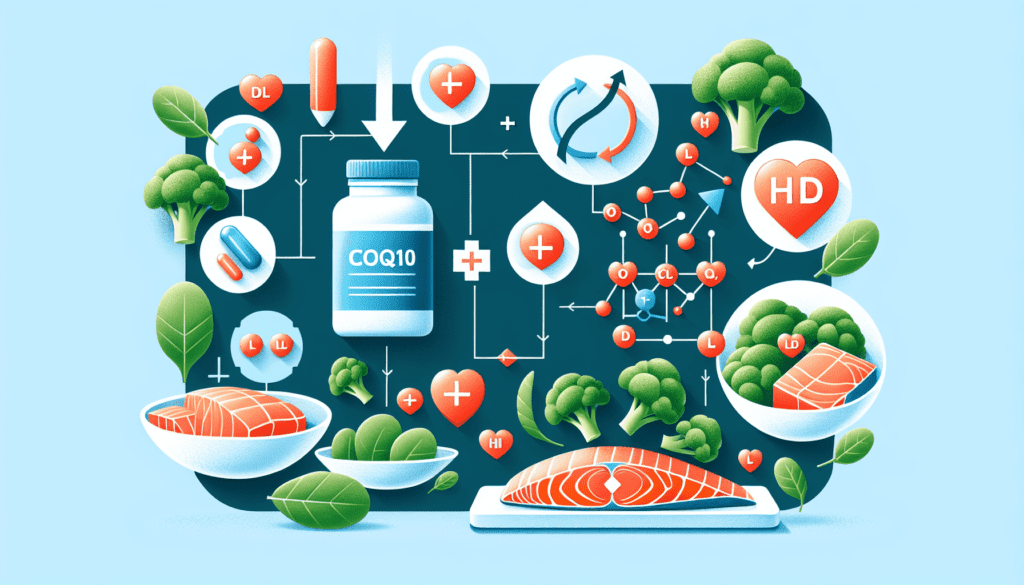
While CoQ10 is naturally produced by the body, certain foods are rich in this nutrient. Beef, poultry, and fatty fish, such as salmon and sardines, are excellent sources of CoQ10. Vegetarian sources include broccoli, spinach, and legumes. Furthermore, organ meats, such as heart and liver, are particularly high in CoQ10. However, it’s important to note that the dietary intake of CoQ10 may not be sufficient to achieve therapeutic levels, hence the benefit of supplementation.
Incorporating CoQ10-rich foods into the diet
To incorporate CoQ10-rich foods into the diet, one can opt for lean cuts of meat, such as beef tenderloin or chicken breast, or include fatty fish like salmon or mackerel in regular meal plans. Adding spinach or broccoli to salads or stir-fries provides a nutritious boost of CoQ10. Vegans and vegetarians can also include legumes like lentils and chickpeas for their CoQ10 content. However, it’s important to keep in mind that cooking methods and storage practices can affect the CoQ10 content in foods.
Cooking and storage considerations
To minimize CoQ10 loss during cooking, it is advisable to use gentle cooking methods, such as steaming or sautéing, and avoid prolonged exposure to heat. Additionally, proper storage of CoQ10-rich foods is crucial to preserve their nutrient content. Storing foods in a cool, dark place, and consuming them soon after purchase can help maintain optimal CoQ10 levels.
Conclusion
The potential of CoQ10 in managing cholesterol levels
CoQ10 offers promising potential in managing cholesterol levels and promoting overall heart health. Extensive research indicates that CoQ10 supplementation can lower LDL cholesterol, increase HDL cholesterol, and reduce oxidative stress. Its role as an antioxidant and involvement in energy production further contribute to its beneficial effects. However, it is important to remember that CoQ10 supplementation should complement a holistic approach to heart health, including a balanced diet, regular physical activity, and consultation with healthcare professionals.
Further research and considerations
While the existing body of research on CoQ10 and cholesterol management is encouraging, further studies are needed to fully understand the mechanisms and optimal dosage regimens. Additionally, individual responses to CoQ10 supplementation may vary, highlighting the importance of personalized healthcare and monitoring. It is also essential to consider potential interactions with medications and inform healthcare professionals of any ongoing treatments.
Integration into a holistic approach to heart health
CoQ10 supplementation can play a valuable role in a holistic approach to heart health. Combined with regular exercise, a heart-healthy diet, and other lifestyle modifications, CoQ10 can help maintain healthy cholesterol levels, protect against oxidative stress, and improve overall cardiovascular function. However, it is vital to prioritize open communication with healthcare professionals and seek their guidance for personalized recommendations tailored to individual needs. With the right support and guidance, CoQ10 can be a valuable addition to a comprehensive heart health regimen.