
If you’re looking for a natural way to lower your cholesterol levels, B vitamins may be the answer you’ve been searching for. In this article, we will explore the fascinating role that B vitamins play in promoting healthy cholesterol levels and how taking supplements can benefit your overall cardiovascular health. Discover the powerful impact of B vitamins on reducing cholesterol and how they can be incorporated into your daily routine for improved heart health.
What are B Vitamins?
B vitamins are a group of essential nutrients that play a crucial role in maintaining overall health and well-being. They are a family of water-soluble vitamins that includes eight different members: B1 (thiamine), B2 (riboflavin), B3 (niacin), B5 (pantothenic acid), B6 (pyridoxine), B7 (biotin), B9 (folate), and B12 (cobalamin). These vitamins are vital for various bodily functions, including energy metabolism, nervous system health, red blood cell production, and DNA synthesis. While each B vitamin has its own unique functions, they often work together synergistically to support optimal health.
Types of B Vitamins
It is essential to understand the different types of B vitamins to appreciate their individual contributions to lowering cholesterol levels. Here’s a breakdown of each B vitamin:
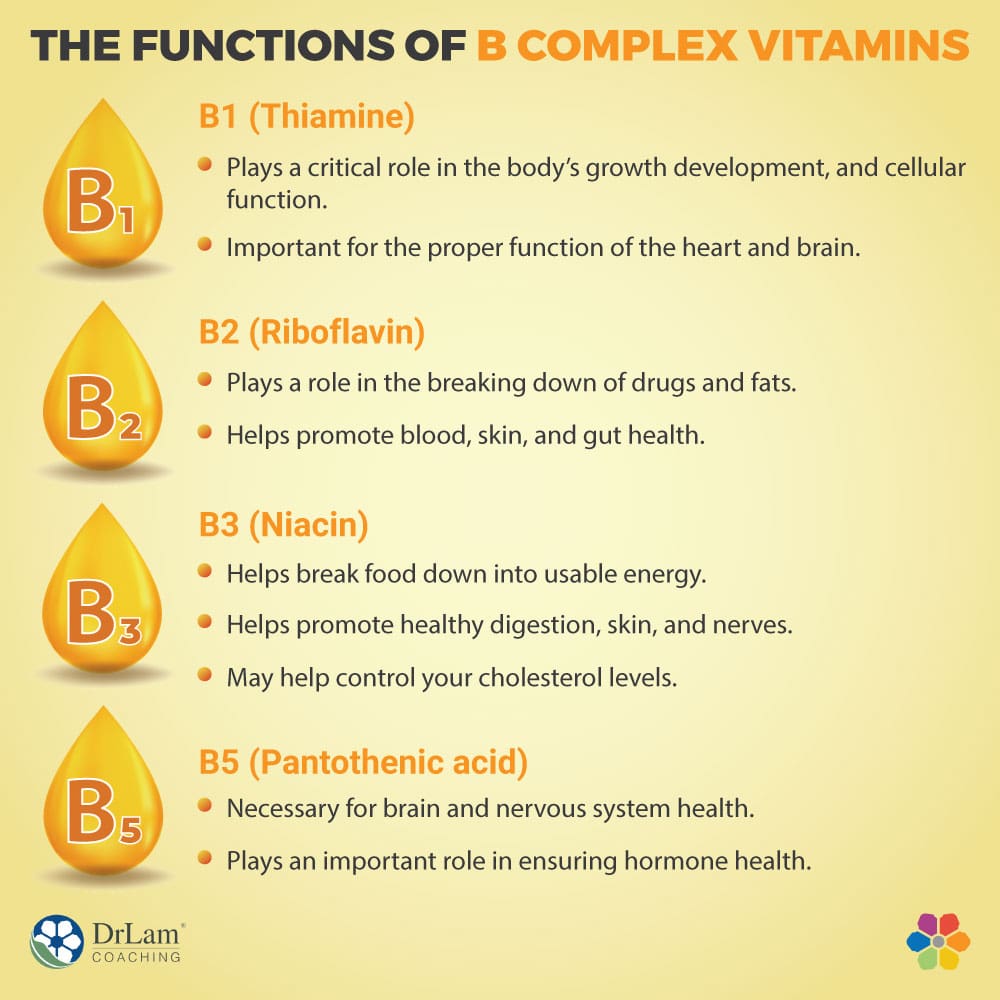
- B1 (Thiamine): Thiamine is critical for converting carbohydrates into energy and maintaining a healthy nervous system.
- B2 (Riboflavin): Riboflavin helps convert food into energy and has antioxidant properties.
- B3 (Niacin): Niacin plays a role in energy metabolism, DNA repair, and the production of stress and sex hormones.
- B5 (Pantothenic Acid): Pantothenic acid is involved in energy production, hormone synthesis, and the formation of red blood cells.
- B6 (Pyridoxine): Pyridoxine assists in brain development, red blood cell formation, and the metabolism of amino acids.
- B7 (Biotin): Biotin is essential for carbohydrate, fat, and protein metabolism, as well as healthy skin, hair, and nails.
- B9 (Folate): Folate is vital for DNA synthesis and cell division, making it crucial during periods of rapid growth, such as pregnancy.
- B12 (Cobalamin): Cobalamin is necessary for red blood cell formation, DNA synthesis, and nerve cell function.
Functions of B Vitamins
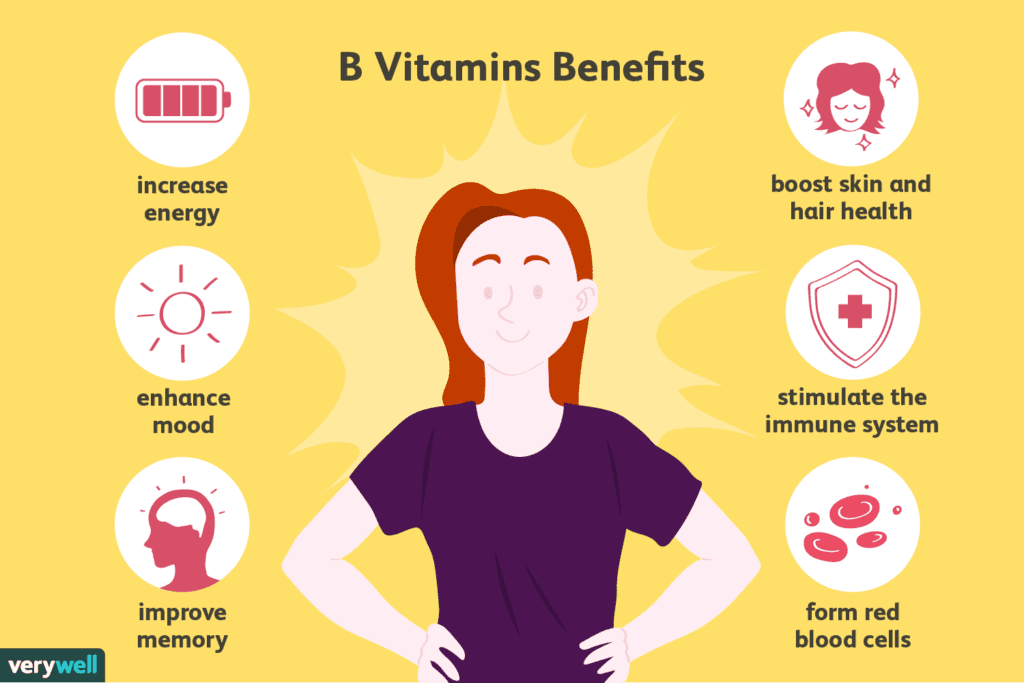
Each B vitamin serves unique roles within the body, but they all contribute to maintaining overall health and well-being. Here are some of the key functions of B vitamins:
- Energy Metabolism: B vitamins play a vital role in converting the food you eat into usable energy, helping you feel energized throughout the day.
- Nervous System Health: B vitamins support the proper functioning of the nervous system, helping to maintain healthy brain function and mood.
- Red Blood Cell Production: B vitamins aid in the production of red blood cells, which transport oxygen throughout the body.
- DNA Synthesis: Several B vitamins are involved in DNA synthesis, which is essential for proper cell growth and division.
- Antioxidant Activity: Certain B vitamins have antioxidant properties, protecting cells from oxidative damage caused by harmful free radicals.
Overall, B vitamins are essential for maintaining optimal health and are particularly important for individuals looking to lower their cholesterol levels.
The Relationship Between Cholesterol and B Vitamins
Effect of B Vitamins on Cholesterol Levels
Many people are aware of the connection between cholesterol and heart health, as high levels of cholesterol can lead to the development of heart disease. B vitamins can play a significant role in managing cholesterol levels. Research suggests that certain B vitamins, particularly niacin (B3), have the potential to raise HDL (good) cholesterol levels while lowering LDL (bad) cholesterol levels. Additionally, B vitamins have been shown to reduce levels of triglycerides, which are another type of fat in the blood that can contribute to heart disease.
Mechanism of Action
The exact mechanisms by which B vitamins affect cholesterol levels are not yet fully understood. However, research indicates that B vitamins can modulate the activity of enzymes involved in cholesterol synthesis and metabolism. For example, niacin has been found to inhibit the production of LDL cholesterol while promoting the breakdown of triglycerides. Additionally, B vitamins may enhance the clearance of cholesterol from the blood, further contributing to their cholesterol-lowering effects.
B Vitamins as Antioxidants
Role of Antioxidants in Lowering Cholesterol
Antioxidants play a crucial role in protecting the body against oxidative stress, which occurs when there is an imbalance between free radicals and antioxidants in the body. Oxidative stress can contribute to the development of various chronic conditions, including heart disease. By neutralizing free radicals, antioxidants help reduce the risk of oxidative damage to cells and tissues.
Specific B Vitamins with Antioxidant Properties
While several B vitamins exhibit antioxidant activity, vitamin B3 (niacin) and vitamin B9 (folate) are particularly known for their antioxidant properties. Niacin helps reduce oxidative stress by increasing the production of antioxidant enzymes and reducing the formation of harmful reactive oxygen species (ROS). Folate, on the other hand, works synergistically with other antioxidants, such as vitamin C and vitamin E, to enhance their effectiveness in protecting against oxidative damage.
B Vitamins and Homocysteine
Homocysteine and Cholesterol Levels
Homocysteine is an amino acid that can accumulate in the blood when levels of certain B vitamins, such as folate, vitamin B6, and vitamin B12, are inadequate. High levels of homocysteine have been associated with an increased risk of heart disease. Furthermore, research suggests that elevated homocysteine levels can contribute to the development of atherosclerosis, a condition characterized by the buildup of plaque in the arteries.
How B Vitamins Can Lower Homocysteine
B vitamins, specifically folate, vitamin B6, and vitamin B12, play a crucial role in the metabolism of homocysteine. These vitamins help convert homocysteine into other substances that are essential for various bodily functions. By ensuring an adequate intake of these B vitamins, individuals can help reduce their homocysteine levels and potentially lower their risk of heart disease.
The Benefits of B Vitamin Supplements in Lowering Cholesterol
Clinical Studies
Numerous clinical studies have investigated the effects of B vitamin supplementation on cholesterol levels. One notable study published in the American Journal of Clinical Nutrition found that niacin supplementation significantly increased HDL cholesterol levels and decreased LDL cholesterol and triglyceride levels. Another study published in the Journal of the American Medical Association (JAMA) found that folate supplementation, when combined with vitamin B6 and B12, resulted in significant reductions in homocysteine levels.
Recommended Dosage
The recommended dosage of B vitamin supplements for lowering cholesterol can vary depending on several factors, including age, sex, and specific health conditions. It is recommended to consult with a healthcare professional to determine the appropriate dosage for your individual needs. In general, B vitamin supplements are typically available in a variety of dosages, ranging from the RDA (recommended dietary allowance) to higher therapeutic doses.
Potential Side Effects of B Vitamin Supplements
Possible Interactions with Medications
While B vitamin supplementation is generally safe and well-tolerated, it is essential to be aware of potential interactions with certain medications. For example, high-dose niacin supplements can interact with cholesterol-lowering medications, such as statins, and may increase the risk of side effects, such as muscle pain or liver damage. Additionally, individuals taking medications for seizures, diabetes, or blood thinning should exercise caution when considering B vitamin supplementation and consult with their healthcare provider.
High Dosage Risks
Taking excessive amounts of certain B vitamins, particularly vitamin B6 and niacin, can lead to adverse effects. For example, high-dose vitamin B6 supplementation has been associated with the development of nerve damage, while high-dose niacin supplementation can cause flushing, itching, and gastrointestinal discomfort. It is crucial to follow the recommended dosage guidelines and consult with a healthcare professional before starting any B vitamin supplement regimen.
Food Sources of B Vitamins
Natural Sources of B Vitamins
In addition to supplements, B vitamins can be obtained from a variety of natural food sources. Here are some examples of foods rich in different B vitamins:
- B1 (Thiamine): Whole grains, legumes, nuts, and seeds.
- B2 (Riboflavin): Dairy products, lean meats, green leafy vegetables, and fortified grains.
- B3 (Niacin): Meat, fish, poultry, peanuts, and whole grains.
- B5 (Pantothenic Acid): Avocado, mushrooms, eggs, poultry, and whole grains.
- B6 (Pyridoxine): Chickpeas, salmon, potatoes, bananas, and nuts.
- B7 (Biotin): Egg yolks, liver, nuts, seeds, and sweet potatoes.
- B9 (Folate): Leafy green vegetables, legumes, citrus fruits, and fortified grains.
- B12 (Cobalamin): Meat, fish, dairy products, and fortified cereals.
Dietary Recommendations
To ensure an adequate intake of B vitamins, it is recommended to follow a balanced diet that includes a variety of food sources. Including foods from different food groups can help provide the necessary B vitamins to support healthy cholesterol levels. However, individuals with specific dietary restrictions or conditions that may affect nutrient absorption may benefit from B vitamin supplementation.
Choosing the Right B Vitamin Supplement
Different Forms of B Vitamin Supplements
B vitamin supplements are available in various forms, including capsules, tablets, liquids, and sublingual (under the tongue) formulations. The choice of form may depend on personal preferences and individual needs. For individuals who have difficulty swallowing pills, liquid or sublingual forms may be more suitable. It is essential to choose a form that is convenient and easy to incorporate into your daily routine.
Quality and Safety Considerations
When selecting a B vitamin supplement, it is crucial to choose a trusted brand that adheres to strict quality standards. Look for supplements that have been tested by third-party organizations to ensure their potency and purity. Additionally, consider factors such as the absence of artificial preservatives, colors, and flavors, as well as the use of natural or organic ingredients, if desired. Reading customer reviews and consulting with a healthcare professional can also help in making an informed decision.
Combining B Vitamins with Other Supplements
Synergistic Effects
Combining B vitamins with certain other supplements may enhance their effectiveness in lowering cholesterol levels. For example, omega-3 fatty acids, commonly found in fish oil supplements, have been shown to work synergistically with B vitamins to reduce inflammation and improve lipid profiles. Similarly, antioxidants such as vitamin C and vitamin E can complement the antioxidant properties of B vitamins. However, it is important to consult with a healthcare professional before combining supplements to ensure safety and optimal benefits.
Complementary Supplements
In addition to B vitamins, several other supplements have shown potential benefits in managing cholesterol levels. These include plant sterols, stanols, and fiber supplements, as well as certain herbal extracts like garlic and green tea. While these supplements can be beneficial, it is crucial to remember that they should not replace a healthy diet and lifestyle. They should be seen as complements to a well-rounded approach to managing cholesterol, including regular exercise and a balanced diet.
Conclusion
B vitamins play a crucial role in maintaining optimal health and can contribute to lowering cholesterol levels when used in conjunction with a healthy lifestyle. From supporting energy metabolism to acting as antioxidants and regulating homocysteine levels, these essential nutrients offer a multitude of benefits. B vitamin supplementation, when used appropriately and under the guidance of a healthcare professional, can be a valuable tool in managing cholesterol and promoting overall cardiovascular health.
Overall Importance of B Vitamins in Lowering Cholesterol
In summary, B vitamins offer a natural and holistic approach to managing cholesterol levels. They not only help regulate the synthesis and metabolism of cholesterol but also provide antioxidant protection against oxidative damage and support homocysteine metabolism. By incorporating B vitamin-rich foods into your diet or considering appropriate supplementation, you can take proactive steps towards maintaining healthy cholesterol levels and reducing the risk of heart disease.
Final Thoughts
Remember, while B vitamins can play a significant role in cholesterol management, they are just one piece of the puzzle. It is essential to adopt a comprehensive approach that includes regular exercise, a balanced diet, and a healthy lifestyle. Work closely with your healthcare professional to determine the best strategies and dosages for your individual needs. By taking proactive steps towards managing cholesterol, you can make a positive impact on your overall health and well-being.
