If lowering your cholesterol levels is on your health to-do list, you may have come across a plethora of cholesterol-lowering supplements claiming to offer quick and effective results. In a world of seemingly endless options, it can be challenging to separate fact from fiction. In this article, we will explore the scientific evidence behind cholesterol-lowering supplements, helping you make an informed decision about whether they are a viable addition to your health routine. So, grab a cup of tea, sit back, and let’s delve into the world of cholesterol-lowering supplements together!
Introduction
Cholesterol is a waxy substance found in our bodies that is necessary for various bodily functions, such as the production of hormones and the formation of cell membranes. While cholesterol is essential for our overall health, high levels of LDL (low-density lipoprotein) cholesterol, commonly known as “bad” cholesterol, can increase the risk of heart disease and other health problems. Therefore, managing our cholesterol levels is crucial for maintaining good health.
One approach to managing cholesterol levels is through the use of cholesterol-lowering supplements. These supplements are designed to help reduce LDL cholesterol levels and promote a healthier lipid profile. However, it is important to evaluate the scientific evidence behind these supplements to understand their effectiveness, safety, and role in cholesterol management.
Types of Cholesterol-lowering Supplements
There are several popular cholesterol-lowering supplements available on the market today, each with its own unique benefits and mechanisms of action. Let’s take a closer look at some of these supplements:
Plant sterols and stanols
Plant sterols and stanols are natural compounds found in various fruits, vegetables, nuts, and legumes. These compounds help reduce LDL cholesterol levels by blocking its absorption in the intestine. Clinical studies have shown that plant sterols and stanols can effectively lower LDL cholesterol levels, making them a popular choice among individuals looking to manage their cholesterol levels.
Omega-3 fatty acids
Omega-3 fatty acids, commonly found in fatty fish like salmon and mackerel, have been extensively studied for their heart-healthy benefits. These fatty acids have been shown to reduce triglyceride levels and have a modest effect on LDL cholesterol reduction. Including omega-3 fatty acids as part of a healthy diet or as a dietary supplement can be beneficial for managing cholesterol levels.
Soluble fiber supplements
Soluble fiber, found in foods like oats, beans, and certain fruits, has been shown to lower LDL cholesterol levels when included as part of a healthy diet. Supplements containing soluble fiber, such as psyllium husk, can provide an additional source of this beneficial nutrient and promote cholesterol management.
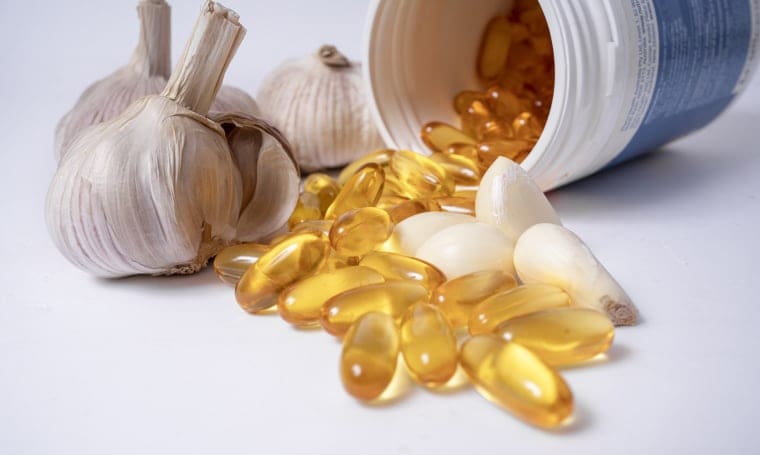
Garlic supplements
Garlic has long been associated with various health benefits, including its potential to lower cholesterol levels. Scientific research suggests that garlic supplements may have a modest effect on reducing LDL cholesterol levels. However, more studies are needed to determine the optimal dosage and duration of use for maximum benefits.
Red yeast rice
Red yeast rice is a traditional Chinese remedy that has gained popularity as a cholesterol-lowering supplement. It contains naturally occurring compounds known as monacolins, which have been shown to inhibit cholesterol synthesis. Clinical studies have demonstrated the effectiveness of red yeast rice in reducing LDL cholesterol levels, but caution should be exercised because some red yeast rice supplements may contain levels of monacolins that are similar to prescription statin medications.
Coenzyme Q10
Coenzyme Q10, also known as CoQ10, is an antioxidant that is naturally present in our bodies and plays a crucial role in energy production. Some studies suggest that taking CoQ10 supplements could potentially help lower LDL cholesterol levels, although the evidence is limited. CoQ10 is generally well-tolerated, but consulting with a healthcare professional is recommended before starting any supplementation.
Artichoke extract
Artichoke extract, derived from the leaves of the artichoke plant, is another supplement that has shown promise in managing cholesterol levels. Research suggests that artichoke extract may help promote favorable changes in lipid profiles, including reductions in LDL cholesterol levels. However, further studies are needed to establish its long-term effectiveness and optimal dosage.
Niacin
Niacin, also known as vitamin B3, has been used for decades as a treatment for high cholesterol. It has been shown to increase HDL (high-density lipoprotein) cholesterol levels while lowering LDL cholesterol and triglyceride levels. However, the use of niacin for cholesterol management should be carefully monitored, as high doses can lead to side effects such as flushing and liver problems.
Others
In addition to the supplements mentioned above, there are various other cholesterol-lowering supplements available on the market. These include plant extracts, herbal remedies, and combination products. While some of these supplements may have potential benefits, more research is needed to establish their effectiveness and safety.
Clinical Studies on Cholesterol-lowering Supplements
To evaluate the effectiveness of cholesterol-lowering supplements, it is important to consider the clinical studies conducted on these supplements. These studies aim to assess the impact of the supplements on cholesterol levels and overall lipid profile. Let’s delve into some of the key clinical studies on cholesterol-lowering supplements:
Methodology used in clinical studies
Clinical studies on cholesterol-lowering supplements employ rigorous methodologies to obtain reliable and unbiased results. These methodologies often include randomized controlled trials (RCTs) that compare the effects of the supplement against a placebo or standard therapy. The duration of the studies can vary, ranging from a few weeks to several months, to evaluate both short-term and long-term effects.
Evaluation of plant sterols and stanols
Multiple studies have consistently shown that plant sterols and stanols can effectively reduce LDL cholesterol levels. According to the National Cholesterol Education Program (NCEP) guidelines, consuming 2-3 grams of plant sterols or stanols per day can lower LDL cholesterol levels by 5-15%. These results have prompted the inclusion of plant sterols and stanols in various heart-healthy products such as margarines and yogurt.
Effectiveness of omega-3 fatty acids
Numerous clinical studies have investigated the effects of omega-3 fatty acids on cholesterol levels and cardiovascular health. While the evidence suggests that omega-3 fatty acids have a modest effect on LDL cholesterol reduction, they have been shown to reduce triglyceride levels significantly. This reduction in triglycerides can be particularly beneficial for individuals with high triglyceride levels or those at risk of heart disease.
Evidence supporting the use of soluble fiber supplements
Several clinical studies have demonstrated the cholesterol-lowering effects of soluble fiber supplements, particularly those containing psyllium husk. These supplements can reduce LDL cholesterol levels by 5-15%, making them an effective adjunct to a heart-healthy diet. It is important to note that the benefits of soluble fiber supplements are most pronounced when combined with lifestyle modifications, such as diet and exercise.
Scientific research on garlic supplements
Scientific research on garlic supplements has provided mixed results regarding their impact on cholesterol levels. While some studies have shown a modest reduction in LDL cholesterol levels with garlic supplementation, others have not replicated these findings consistently. The variability in study design, dosage, and duration makes it challenging to draw definitive conclusions about the effectiveness of garlic supplements in cholesterol management.
Studies on red yeast rice as a cholesterol-lowering supplement
Several clinical studies have demonstrated the potential of red yeast rice in reducing LDL cholesterol levels. The monacolins present in red yeast rice function similarly to statin medications by inhibiting cholesterol synthesis. However, it is important to note that the concentration of monacolins can vary significantly among different red yeast rice supplements, and some may contain levels similar to prescription statins. This variability underscores the need for caution and consultation with a healthcare professional before using red yeast rice supplements.
Coenzyme Q10 and its impact on cholesterol levels
The scientific evidence on the ability of CoQ10 to lower cholesterol levels is limited and conflicting. While some studies suggest that CoQ10 supplementation can lead to modest reductions in LDL cholesterol, others have not found significant effects. Further research is needed to establish a clear link between CoQ10 supplementation and its impact on cholesterol levels.
Artichoke extract and cholesterol management
Clinical studies on artichoke extract have shown promising results in terms of improving lipid profiles, including reductions in LDL cholesterol levels. However, the available evidence is limited, and more research is needed to understand its long-term benefits and optimal dosage.
Niacin as a cholesterol-lowering supplement
Niacin has been extensively studied as a cholesterol-lowering supplement and has shown favorable effects on lipid profiles. It increases HDL cholesterol levels while reducing LDL cholesterol and triglyceride levels. However, the use of niacin should be monitored closely due to the potential side effects associated with high doses, and it is generally recommended to use niacin under the guidance of a healthcare professional.
Other supplements and their effectiveness
Various other cholesterol-lowering supplements, such as plant extracts and herbal remedies, have been studied to assess their effectiveness. However, the evidence for these supplements is limited, and more research is needed to establish their role in cholesterol management.
Safety and Side Effects
When considering cholesterol-lowering supplements, it is crucial to understand any potential side effects and interactions with other medications. While these supplements are generally regarded as safe for most individuals, certain considerations should be kept in mind:
Potential side effects of cholesterol-lowering supplements
Most cholesterol-lowering supplements are well-tolerated when used as directed. However, some individuals may experience side effects, such as gastrointestinal discomfort, bloating, or allergic reactions. These side effects are usually mild and temporary, but it is essential to consult with a healthcare professional if any adverse reactions occur.
Interactions with medications
Cholesterol-lowering supplements, like any other supplement, can interact with prescription medications. For example, red yeast rice supplements that contain monacolins may have similar effects to statin medications and can interact with other cholesterol-lowering drugs. It is crucial to inform your healthcare provider about any supplements you are taking to avoid potential drug interactions.
Safety concerns for specific supplements
Some cholesterol-lowering supplements may have specific safety considerations. For example, high doses of niacin can cause flushing, itching, and liver problems. It is important to use niacin under medical supervision and to follow recommended dosages. Additionally, individuals with specific medical conditions, such as liver or kidney disease, should exercise caution when considering certain cholesterol-lowering supplements and consult with their healthcare provider.
Regulatory oversight and quality control
While dietary supplements are regulated by the FDA, they are subject to less stringent regulations than prescription medications. This lack of rigorous oversight can lead to variations in the quality and purity of supplements. To ensure safety and efficacy, it is important to choose reputable brands and consult with a healthcare professional before starting any supplement regimen.

Recommendations and Guidelines
To achieve optimal results, following professional recommendations and guidelines for cholesterol-lowering supplements is essential. These recommendations can help guide individuals in selecting the right supplement, determining the appropriate dosage, and understanding the duration of use.
Professional recommendations on cholesterol-lowering supplements
Professional organizations, such as the American Heart Association (AHA) and the National Lipid Association (NLA), provide guidelines and recommendations on cholesterol management. These organizations generally recommend lifestyle modifications, including a heart-healthy diet and regular physical activity, as the first line of defense against high cholesterol. If lifestyle changes are not sufficient, supplements can be considered as an adjunct therapy. However, it is important to note that these recommendations may vary depending on an individual’s specific health profile and medical history.
Guidelines for use
When using cholesterol-lowering supplements, it is essential to follow the recommended guidelines provided by the manufacturer and healthcare professionals. These guidelines may specify dosages, timing, and instructions for use. It is crucial to avoid exceeding the recommended dosages, as more is not necessarily better and can lead to potential side effects.
Optimal dosage and duration
The optimal dosage and duration of cholesterol-lowering supplements can vary depending on the specific supplement, individual needs, and health profile. It is recommended to consult with a healthcare professional or a registered dietitian to determine the appropriate dosage and duration based on your specific circumstances.
Combining supplements with lifestyle changes
Supplements should not be seen as standalone treatments for high cholesterol but rather as adjunct therapies to healthy lifestyle modifications. A heart-healthy diet, regular exercise, smoking cessation, and weight management are crucial components of cholesterol management. Combining these lifestyle changes with cholesterol-lowering supplements can help enhance their effectiveness and promote overall heart health.
Effectiveness of Cholesterol-lowering Supplements
While cholesterol-lowering supplements can be a valuable addition to cholesterol management strategies, it is important to understand that their effectiveness can vary among individuals. Several factors can influence the effectiveness of these supplements:
Assessment of overall effectiveness
Overall, several cholesterol-lowering supplements have shown promising results in scientific studies. Plant sterols and stanols, omega-3 fatty acids, soluble fiber supplements, and red yeast rice have demonstrated effectiveness in reducing LDL cholesterol levels. However, it is essential to note that the magnitude of the cholesterol-lowering effect may vary among individuals.
Variations in response among individuals
Individual response to cholesterol-lowering supplements can vary based on genetics, lifestyle factors, and overall health. Some individuals may experience a significant reduction in cholesterol levels with supplements, while others may see only modest improvements. It is important to monitor cholesterol levels regularly and make adjustments to supplement regimens if necessary.
Factors influencing supplement effectiveness
The effectiveness of cholesterol-lowering supplements can be influenced by various factors, such as dosage, duration of use, adherence to a healthy lifestyle, and individual response to the supplement. Additionally, other medical conditions, medications, and lifestyle habits can impact the effectiveness of these supplements. It is essential to consider these factors when evaluating the efficacy of cholesterol-lowering supplements.
Comparisons with traditional cholesterol-lowering medications
While cholesterol-lowering supplements can be effective for some individuals, they may not be as potent as traditional cholesterol-lowering medications, such as statins. Medications like statins are prescribed when lifestyle modifications and supplements alone are insufficient to manage high cholesterol levels. Cholesterol-lowering medications are typically prescribed based on an individual’s specific health profile and medical history, and their effectiveness is well-established through extensive research and clinical trials.
Cost-effectiveness
When considering cholesterol-lowering supplements, cost-effectiveness is an important factor to consider. Let’s explore some key considerations regarding the cost of cholesterol-lowering supplements:
Affordability of cholesterol-lowering supplements
Cholesterol-lowering supplements can vary widely in terms of cost. Factors such as dosage, brand, and specific supplement formulation can influence the price. While some supplements may be more expensive, others may be more affordable and accessible. It is essential to consider your budget and discuss with healthcare professionals to identify cost-effective options.
Comparison with prescription medications
Compared to prescription medications, cholesterol-lowering supplements can be more affordable. Prescription medications often require insurance coverage or out-of-pocket payment, making them less accessible for some individuals. Supplements, on the other hand, are generally available over-the-counter and can often be obtained at a lower cost. However, it is important to consider the efficacy and safety of supplements in relation to prescribed medications when making decisions.
Insurance coverage considerations
Insurance coverage for cholesterol-lowering supplements can vary depending on the specific supplement and insurance policy. While some insurance plans may cover certain supplements, others may not. It is important to review your insurance policy or talk to your insurance provider to understand coverage options for cholesterol-lowering supplements.
Common Misconceptions and Myths
When it comes to cholesterol-lowering supplements, there are several common misconceptions and myths that can be misleading. It is important to separate fact from fiction and make informed decisions:
Identifying misleading claims
The supplement industry is vast, and with it comes a variety of marketing claims that may not always be supported by scientific evidence. It is crucial to critically evaluate these claims and look for evidence-based information. Look for credible sources such as scientific studies, professional organizations, and healthcare providers when seeking information on cholesterol-lowering supplements.
Debunking common myths
There are several common myths surrounding cholesterol-lowering supplements. For example, some people believe that supplements can replace the need for lifestyle changes or prescription medications. However, supplements should be viewed as adjunct therapies and not substitutes for healthy lifestyle modifications or prescribed medications. Additionally, the idea that “natural” automatically means “safe” is also a misconception, as supplements can still have side effects and interactions with other medications.
Importance of Consulting Healthcare Professionals
While cholesterol-lowering supplements can be a valuable addition to cholesterol management, it is crucial to involve healthcare professionals in the decision-making process. Here’s why:
Role of healthcare providers in cholesterol management
Healthcare providers, such as doctors, nurse practitioners, or registered dietitians, play a critical role in cholesterol management. They can provide guidance, monitor cholesterol levels, and make recommendations based on individual health profiles. Consulting with a healthcare professional can help ensure that cholesterol-lowering supplements are used safely and effectively.
Risks of self-diagnosis and treatment
Self-diagnosis and treatment without the input of healthcare professionals can be risky, especially when it comes to cholesterol management. High cholesterol levels can be a sign of underlying health conditions, and it is important to identify and address these conditions appropriately. Engaging with healthcare professionals can help ensure accurate diagnosis, appropriate treatment options, and monitoring of cholesterol levels.
Interactions with existing medical conditions
Individuals with existing medical conditions may have specific considerations when it comes to cholesterol management and the use of supplements. For example, individuals with liver or kidney disease may need to exercise caution with certain cholesterol-lowering supplements. Healthcare professionals can help assess individual health profiles, identify potential interactions, and provide personalized recommendations.
Conclusion
Evaluating the scientific evidence behind cholesterol-lowering supplements is essential for making informed decisions regarding their use. Plant sterols and stanols, omega-3 fatty acids, soluble fiber supplements, garlic supplements, red yeast rice, Coenzyme Q10, and artichoke extract have shown promising results in managing cholesterol levels. However, the effectiveness of these supplements can vary among individuals, and it is important to consider factors such as dosage, duration, and adherence to a healthy lifestyle. Cholesterol-lowering supplements should be used as adjunct therapies to lifestyle modifications and prescribed medications, if necessary. Safety concerns, potential side effects, and drug interactions should also be considered when using cholesterol-lowering supplements. Finally, consulting with healthcare professionals is crucial for personalized recommendations, effective management of cholesterol, and optimal overall health.