
If you’re looking for ways to address your cholesterol levels, supplements may be a promising option. With various options available, it’s essential to explore effective ways to lower cholesterol using these supplements. From plant sterols to omega-3 fatty acids, incorporating these supplements into your routine may contribute positively to your heart health. Discover how these supplements can help manage cholesterol levels, providing you with valuable insights on maintaining a balanced lifestyle. So, if you’re ready to take charge of your health, let’s delve into the world of cholesterol-lowering supplements together.
Dietary Supplements
Dietary supplements play a crucial role in maintaining our overall health and well-being. From promoting cardiovascular health to supporting immune function, these supplements provide the extra boost our bodies sometimes need. When it comes to managing cholesterol levels, certain dietary supplements have been proven particularly effective. In this article, we will explore some of the best supplements for lowering cholesterol and how they can benefit you.
Omega-3 Fatty Acids
Omega-3 fatty acids are essential nutrients that provide a wide range of health benefits, including reducing cholesterol levels. These healthy fats can be found in fatty fish like salmon, mackerel, and sardines, as well as in flaxseeds and walnuts. However, if you struggle to incorporate enough of these foods into your diet, omega-3 supplements can be a great alternative.
Supplementing your diet with omega-3 fatty acids helps lower triglyceride levels, a type of fat found in the blood. High triglyceride levels are often associated with increased cholesterol levels, so by reducing triglycerides, omega-3 fatty acids indirectly work to lower cholesterol as well. Aim for a daily intake of at least 1000-2000 mg of omega-3 fatty acids to experience the benefits.
Plant Sterols and Stanols
Plant sterols and stanols are natural compounds found in fruits, vegetables, whole grains, nuts, and seeds. They have been shown to effectively lower LDL cholesterol levels – the “bad” cholesterol that can clog arteries and lead to heart disease. Plant sterols and stanols work by reducing the absorption of cholesterol from the gut, helping to maintain healthy cholesterol levels.
While it’s possible to increase your intake of these compounds through diet, it can be challenging to consume the recommended daily dosage of 2 grams. That’s where supplements come in handy. Plant sterol and stanol supplements are available in various forms, such as capsules or powders, making it easier to reach the optimal amount. Incorporating these supplements into your daily routine can significantly contribute to lowering your cholesterol levels.
Herbal Supplements
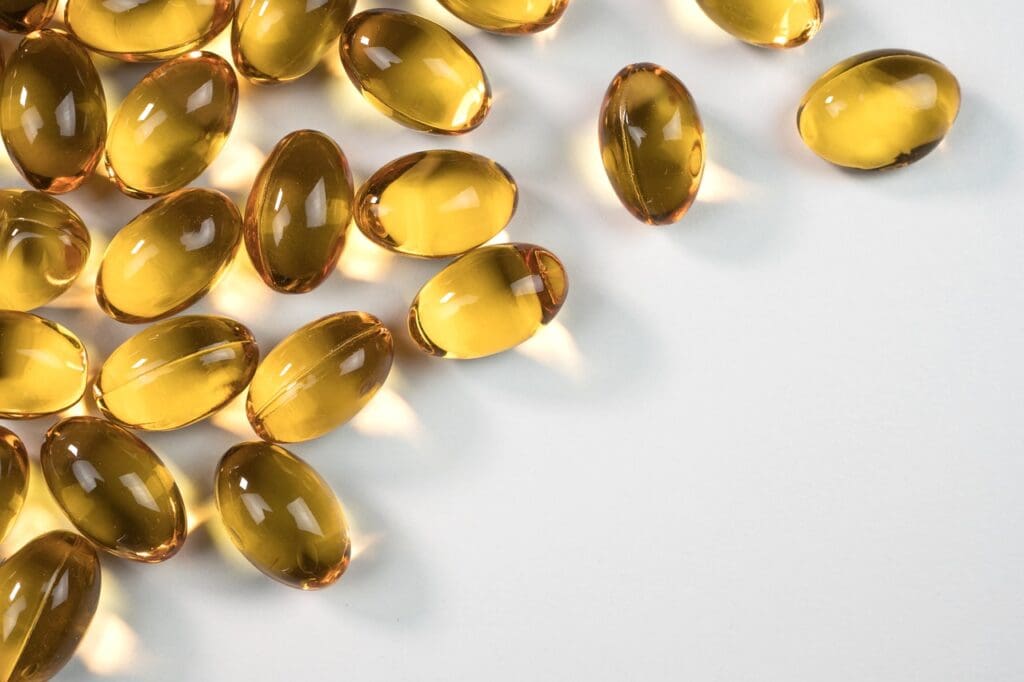
In addition to dietary supplements, herbal supplements have gained popularity as a natural way to support heart health and manage cholesterol levels. Let’s explore some of the most effective herbal supplements for lowering cholesterol.
Red Yeast Rice
Red yeast rice is a traditional Chinese ingredient that has been used for centuries to promote cardiovascular health. It contains a compound called monacolin K, which has been shown to inhibit an enzyme involved in cholesterol production. As a result, red yeast rice can significantly reduce LDL cholesterol levels.
When considering red yeast rice supplements, it’s essential to choose a product from a reputable manufacturer. This is because the amount of monacolin K in these supplements can vary, and consistency in dosage is crucial. Additionally, it’s important to consult with your doctor before starting any red yeast rice supplements, as they can interact with certain medications.
Garlic
Garlic is not only a culinary delight but also a potent herbal supplement with numerous health benefits. It has been shown to lower LDL cholesterol levels, reduce blood pressure, and even prevent the formation of blood clots. The active compounds in garlic, such as allicin, are responsible for these health-promoting effects.
Including fresh garlic in your diet can be beneficial, but if you’re not a fan of its distinctive taste and smell, garlic supplements are a convenient alternative. These supplements typically contain concentrated amounts of garlic extract or oil, providing the desired health benefits without experiencing the potent garlic flavor.

Artichoke Extract
Artichokes have long been associated with liver health and improved digestion. However, artichoke extract can also help lower cholesterol levels. This extract contains compounds called cynarins, which have been shown to enhance bile production. Bile plays a crucial role in cholesterol metabolism, helping to remove excess cholesterol from the body.
Artichoke extract supplements are widely available and can be an excellent addition to your cholesterol-lowering regimen. Whether in the form of capsules or liquid extracts, these supplements can provide the desired health benefits without the inconvenience of regularly consuming artichokes.
Green Tea Extract
Green tea has been praised for its antioxidant properties and its potential to support weight loss. But did you know that it can also help manage cholesterol levels? Green tea extract contains catechins, which are powerful antioxidants that have been linked to lowered LDL cholesterol levels.
Supplementing with green tea extract is particularly beneficial for those who don’t regularly consume green tea. It provides a concentrated dose of catechins without the need to drink multiple cups of green tea every day. Green tea extract is available in the form of capsules, making it a convenient option for those on the go.
Vitamin Supplements
Vitamins are essential nutrients that our bodies need to function properly. Some vitamins have been found to have cholesterol-lowering effects. Let’s explore two such vitamins that can be beneficial for managing cholesterol levels.

Niacin
Niacin, also known as vitamin B3, has been a popular supplement for managing cholesterol for many years. It can increase levels of HDL cholesterol, the “good” cholesterol that helps remove LDL cholesterol from the bloodstream. Niacin also works to lower LDL cholesterol and triglyceride levels.
It’s important to note that taking niacin supplements should be done under the guidance of a healthcare professional, as it can cause side effects, such as flushing or liver problems. Your doctor can determine the appropriate dosage and monitor your progress to ensure the best results.
Coenzyme Q10
Coenzyme Q10, also known as CoQ10, is a naturally occurring antioxidant that plays a crucial role in energy production within our cells. It has been found to have potential cholesterol-lowering effects. CoQ10 levels can be reduced by certain cholesterol-lowering medications, so supplementing with CoQ10 can help maintain optimal levels.
CoQ10 supplements are available in various forms, including capsules and gummies. By increasing your CoQ10 levels, these supplements not only support heart health but also provide an energy boost, making them a worthwhile addition to your daily supplement routine.
Mineral Supplements
In addition to vitamins, minerals are essential for maintaining optimal health. Let’s explore two mineral supplements that can help lower cholesterol levels.

Magnesium
Magnesium is a crucial mineral involved in hundreds of biochemical reactions in the body. When it comes to managing cholesterol, magnesium has been found to play a role in reducing LDL cholesterol levels. Studies have shown that individuals with higher magnesium intake tend to have healthier cholesterol profiles.
Supplementing with magnesium can be particularly beneficial for those who have low magnesium levels or struggle to meet their daily requirements through diet alone. Magnesium supplements are available in various forms, including tablets, capsules, and powders, making it easy to find an option that suits your preferences.
Zinc
Zinc is another essential mineral that supports various bodily functions, including immune function and DNA synthesis. While its direct impact on cholesterol levels is still being researched, zinc has been found to improve lipid profiles in some studies. It may help lower LDL cholesterol and raise HDL cholesterol levels, though more research is needed to confirm these effects fully.
Supplementing with zinc can be beneficial, especially for individuals with diagnosed zinc deficiencies or those who follow restrictive diets. Zinc supplements are available in different forms, such as tablets, capsules, and lozenges, making it easy to incorporate them into your daily routine.
Selenium
Selenium is an important mineral required for optimal health. It acts as an antioxidant and supports immune function. While its role in cholesterol management is still being studied, selenium has shown promise in improving lipid profiles. It may help increase HDL cholesterol levels and reduce total cholesterol levels.
Supplementing with selenium can be particularly beneficial for individuals with low selenium levels or those who live in areas with selenium-deficient soil. Selenium supplements are available in various forms, including tablets and capsules, making it convenient to incorporate them into your daily routine.
Antioxidant Supplements
Antioxidants are compounds that help protect our bodies from damage caused by harmful free radicals. Some antioxidants have been found to have cholesterol-lowering effects. Let’s explore two such antioxidants that can be beneficial for managing cholesterol.
Vitamin C
Vitamin C is a powerful antioxidant that helps protect cells from damage. It has been found to reduce LDL cholesterol oxidation, a process that contributes to the development of atherosclerosis. Consuming adequate vitamin C through diet or supplements can provide these benefits.
Since vitamin C is water-soluble, it’s important to consume it regularly, either through food sources like citrus fruits or through supplements. Vitamin C supplements are available in various forms, including tablets, capsules, and powdered forms, making it easy to find an option that suits your preferences.
Vitamin E
Vitamin E is another powerful antioxidant that helps protect cells from damage. Studies have shown that vitamin E can inhibit the oxidation of LDL cholesterol, consequently reducing the risk of atherosclerosis. While it may not significantly lower total cholesterol levels, its antioxidant properties make it a valuable addition to a heart-healthy lifestyle.
Supplementing with vitamin E can be beneficial, especially for individuals who struggle to meet their daily vitamin E requirements through diet alone. Vitamin E supplements are available in various forms, including softgels and capsules, making it convenient to incorporate them into your daily routine.
Fiber Supplements
Dietary fiber plays a crucial role in maintaining heart health and managing cholesterol levels. It helps reduce LDL cholesterol levels by binding to cholesterol in the gut, preventing its absorption. Let’s explore three fiber supplements that can support your cholesterol-lowering efforts.
Psyllium Husk
Psyllium husk is a type of soluble fiber derived from the seeds of the Plantago ovata plant. It has been shown to effectively lower LDL cholesterol levels by reducing its absorption in the gut. Consuming psyllium husk supplements can significantly contribute to managing cholesterol and promoting heart health.
Psyllium husk supplements are widely available in the form of powder, capsules, or granules. By adding them to water, juice, or smoothies, you can enjoy the benefits of increased fiber intake without significantly altering your diet.
Beta-Glucan
Beta-glucan is a type of soluble fiber found in oats and barley. It has been extensively studied for its cholesterol-lowering effects. Beta-glucan works by binding to bile acids in the intestine, promoting their excretion, and consequently reducing cholesterol levels. Regular intake of beta-glucan supplements can be an effective strategy for managing cholesterol.
Beta-glucan supplements are available in various forms, including tablets, capsules, and powders. Adding these supplements to your daily routine can be an easy and convenient way to increase your fiber intake and support your heart health.
Chitosan
Chitosan is a fiber derived from the shells of crustaceans, such as shrimp and crabs. It has gained popularity in recent years for its potential cholesterol-lowering effects. Chitosan works by binding to dietary fats and cholesterol in the digestive tract, preventing their absorption into the bloodstream.
Chitosan supplements are available in the form of capsules and tablets, making it convenient to incorporate them into your daily routine. While more research is needed to fully understand its effects on cholesterol levels, chitosan can be a valuable addition to a comprehensive cholesterol-lowering regimen.
Probiotics
Probiotics are live bacteria and yeasts that provide numerous health benefits, particularly for gut health. While they don’t directly lower cholesterol levels, certain strains of probiotics have been found to have a positive impact on lipid profiles. Probiotics can help metabolize cholesterol and bile acids, potentially reducing cholesterol levels in the process.
Including probiotic-rich foods in your diet, such as yogurt and fermented foods, can provide these beneficial bacteria. Additionally, probiotic supplements are widely available and provide a concentrated dose of specific strains. Adding a probiotic supplement to your routine can support your gut health and potentially contribute to managing cholesterol levels.
Supplements to Avoid
While dietary supplements can be beneficial, it’s important to be aware of certain supplements that may have adverse effects when it comes to managing cholesterol levels.
Kava
Kava is an herbal supplement that is often used for its calming effects. However, it has been associated with liver damage, making it important to avoid this supplement if you have liver problems or are taking medications that affect the liver. Additionally, kava can interact negatively with certain medications, so it’s crucial to consult with your doctor before starting any kava supplements.
St. John’s Wort
St. John’s Wort is a popular herbal supplement used for its potential antidepressant effects. However, it can induce the liver enzyme responsible for breaking down certain medications, making them less effective. This can be particularly dangerous if you’re taking medications to manage cholesterol levels, as it might interfere with their efficacy. Always consult with your doctor before considering St. John’s Wort supplements.
Recommended Dosages
When it comes to dietary supplements, it’s important to adhere to recommended dosages to ensure their effectiveness and safety. While dosages may vary based on individual needs and health conditions, here are general recommendations for some of the most common supplements discussed in this article:
- Omega-3 Fatty Acids: Aim for a daily intake of 1000-2000 mg of omega-3 fatty acids.
- Plant Sterols and Stanols: Aim for a daily intake of 2 grams of plant sterols and stanols.
- Red Yeast Rice: Follow the manufacturer’s recommended dosage, ensuring consistent monacolin K levels.
- Garlic: Follow the manufacturer’s recommended dosage or consult with your doctor for personalized guidance.
- Artichoke Extract: Follow the manufacturer’s recommended dosage or consult with your doctor for personalized guidance.
- Green Tea Extract: Follow the manufacturer’s recommended dosage or consult with your doctor for personalized guidance.
- Niacin: Consult with your doctor for personalized dosage recommendations based on your specific health needs.
- Coenzyme Q10: Follow the manufacturer’s recommended dosage or consult with your doctor for personalized guidance.
- Magnesium: Follow the manufacturer’s recommended dosage or consult with your doctor for personalized guidance.
- Zinc: Follow the manufacturer’s recommended dosage or consult with your doctor for personalized guidance.
- Selenium: Follow the manufacturer’s recommended dosage or consult with your doctor for personalized guidance.
- Vitamin C: Follow the manufacturer’s recommended dosage or consult with your doctor for personalized guidance.
- Vitamin E: Follow the manufacturer’s recommended dosage or consult with your doctor for personalized guidance.
- Psyllium Husk: Follow the manufacturer’s recommended dosage or consult with your doctor for personalized guidance.
- Beta-Glucan: Follow the manufacturer’s recommended dosage or consult with your doctor for personalized guidance.
- Chitosan: Follow the manufacturer’s recommended dosage or consult with your doctor for personalized guidance.
- Probiotics: Follow the manufacturer’s recommended dosage or consult with your doctor for personalized guidance.
Remember, it’s always best to consult with a healthcare professional before starting any new dietary or herbal supplements. They can provide personalized recommendations based on your individual health needs and help ensure you’re on the right track to managing your cholesterol levels effectively.
Consulting a Doctor
While dietary supplements can be beneficial, it’s important to consult with a healthcare professional, such as your doctor, before starting any new supplements. They can assess your overall health, medical history, and potential interactions with medications you may be taking. Your doctor can provide personalized recommendations and guide you on the most suitable supplements and dosages for managing your cholesterol levels effectively.
In conclusion, dietary supplements can be a valuable addition to your cholesterol-lowering regimen. Omega-3 fatty acids, plant sterols and stanols, herbal supplements like red yeast rice and garlic, vitamins such as niacin and CoQ10, minerals like magnesium and zinc, antioxidants like vitamin C and E, fiber supplements including psyllium husk, beta-glucan, and chitosan, as well as probiotics, offer numerous health benefits and can support your efforts in managing cholesterol levels. However, it’s important to be cautious and follow recommended dosages, as well as consult with your doctor to ensure safety and effectiveness. By incorporating these supplements into your daily routine and adopting a heart-healthy lifestyle, you can take proactive steps towards maintaining optimal cholesterol levels and overall well-being.