

If you’re concerned about your cholesterol levels and looking for ways to reduce them, you may have heard about the potential benefits of supplements. However, before jumping into any new regimen, it’s important to have a conversation with your doctor. In this article, we will discuss key questions you should ask your doctor about supplements for lowering cholesterol. By getting the right information and guidance, you can make informed decisions about your health and take steps towards a healthier cholesterol profile.

Understanding Cholesterol
What is cholesterol?
Cholesterol is a waxy, fat-like substance that is naturally produced by the liver and is also found in certain foods. It is essential for the formation of cell membranes, vitamin D synthesis, and the production of hormones such as estrogen and testosterone. However, having high levels of cholesterol in the blood can increase the risk of developing heart disease.
Types of cholesterol
There are two main types of cholesterol: low-density lipoprotein (LDL) cholesterol and high-density lipoprotein (HDL) cholesterol. LDL cholesterol, often referred to as “bad” cholesterol, can build up in the arteries and form plaques, leading to atherosclerosis. On the other hand, HDL cholesterol, known as “good” cholesterol, helps remove LDL cholesterol from the blood and transports it back to the liver for processing.
The role of cholesterol in the body
Cholesterol plays a vital role in various bodily functions, including the formation of cell membranes and the production of certain hormones. It is also involved in the synthesis of bile acids, which aid in the digestion and absorption of dietary fats. While cholesterol is necessary for the normal functioning of the body, maintaining optimal levels is crucial to prevent the accumulation of plaque in the arteries and reduce the risk of cardiovascular disease.
Supplements for Lowering Cholesterol
Introduction to supplements
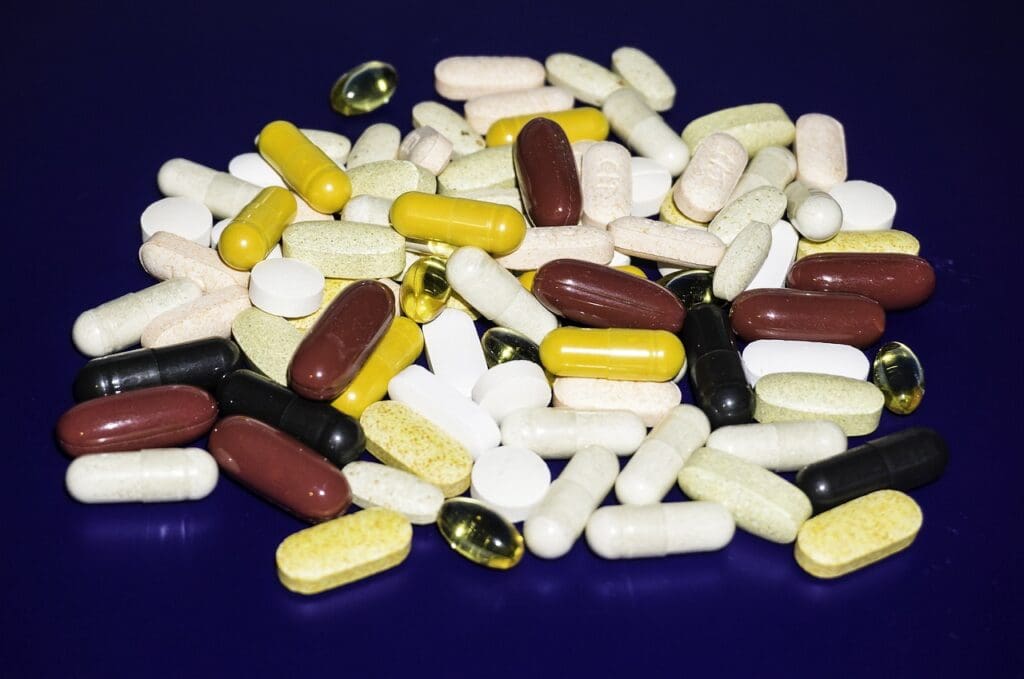
In addition to lifestyle modifications, such as a healthy diet and regular exercise, some individuals may consider incorporating supplements into their cholesterol-lowering regimen. These supplements typically contain ingredients such as plant sterols, omega-3 fatty acids, soluble fiber, or niacin, which have been shown to have potential cholesterol-lowering effects.
Effectiveness of supplements
While some studies have suggested that certain supplements may have a modest impact on lowering cholesterol levels, it is important to note that the effectiveness of these supplements can vary among individuals. It is always advisable to consult with a healthcare professional before starting any new supplement regimen to determine if it is suitable for your specific needs.
Types of cholesterol-lowering supplements
There are several types of cholesterol-lowering supplements available on the market. Plant sterols and stanols are one of the most common supplements used for cholesterol reduction and are often found in fortified foods or as standalone supplements. Omega-3 fatty acids, which are typically derived from fish oil, have also shown potential in lowering triglycerides and increasing HDL cholesterol levels. Other supplements, such as soluble fiber and niacin, may also offer some benefits in managing cholesterol levels.
Consulting Your Doctor
Importance of medical advice
Before considering any cholesterol-lowering supplements, it is crucial to consult with your healthcare provider. They are the best resource to provide individualized advice based on your medical history, current medications, and overall health status. They can help determine if supplements are necessary or if other interventions may be more appropriate.
When to consult your doctor
If you are concerned about your cholesterol levels or interested in exploring cholesterol-lowering supplements, schedule an appointment with your doctor. They can assess your risk factors, order blood tests to measure your cholesterol levels, and provide guidance on the most effective and safe treatment options for you.
Preparing for the appointment
Before your appointment, it is helpful to gather information about your current medications, medical history, and any symptoms you may be experiencing. This will enable your doctor to better understand your unique situation and make informed recommendations. Additionally, it can be beneficial to write down any questions or concerns you have about cholesterol and cholesterol-lowering supplements to ensure that you address all your concerns during the appointment.
Key Questions to Ask Your Doctor
General questions about cholesterol
- What are my current cholesterol levels?
- What is my risk of developing heart disease based on my cholesterol levels?
- How does cholesterol affect my overall health?
Specific questions about supplements
- Are cholesterol-lowering supplements appropriate for me?
- Which specific supplements do you recommend?
- How long should I take the supplements before reevaluating their effectiveness?
- Are there any potential interactions between supplements and my current medications?
Potential side effects and interactions
- What are the possible side effects of cholesterol-lowering supplements?
- Are there any interactions with other medications I am taking?
- Can these supplements interfere with the absorption or efficacy of my current medications?

Evaluating Supplement Safety and Quality
Reading labels and packaging
When selecting any dietary supplement, it is essential to read the labels and packaging carefully. Look for supplements that have been tested for quality, purity, and potency. Check for ingredients, dosage instructions, and any relevant warnings or precautions. It is recommended to choose supplements that have reputable certifications, such as the United States Pharmacopeia (USP) or ConsumerLab.com, to ensure their credibility.
Researching supplement manufacturers
Another crucial aspect of evaluating supplement safety and quality is researching the manufacturers. Look for companies with a strong reputation and a commitment to rigorous manufacturing practices. Research their history, adherence to quality standards, and any certifications or awards they may have received.
Certifications and third-party testing
Supplements that have undergone third-party testing can provide additional assurance of their safety and quality. Look for supplements that display logos or certifications from reputable third-party organizations, such as NSF International or Underwriters Laboratories (UL). These certifications indicate that the supplements have been tested and meet certain standards of quality and purity.
Interactions with Medications
Possible interactions with prescription drugs
It is crucial to be aware that certain cholesterol-lowering supplements may interact with prescription medications. For example, red yeast rice, a supplement frequently used to lower cholesterol, contains natural compounds that can have similar effects to statin medications. Taking red yeast rice alongside statin drugs may increase the risk of side effects or adverse reactions.
Notable supplements with medication interactions
Some other cholesterol-lowering supplements that may interact with medications include garlic extract, guggulipid, and green tea extract. These supplements can interfere with the metabolism or effectiveness of certain medications, so it is essential to inform your healthcare provider about any supplements you are taking to avoid potential complications.
Informing your doctor about other medications
To ensure your healthcare provider has a comprehensive understanding of your health, it is crucial to inform them about any medications, both prescription and over-the-counter, as well as any supplements you are taking. This information will enable them to make informed decisions, manage any potential interactions, and ensure your overall well-being.
Alternative Approaches to Lowering Cholesterol
Exercise and physical activity
Regular physical activity, including aerobic exercise and strength training, can have a positive impact on cholesterol levels. Engaging in moderate-intensity exercise, such as brisk walking or swimming, for at least 30 minutes a day, most days of the week, can help raise HDL cholesterol and lower LDL cholesterol and triglycerides.
Dietary changes and cholesterol-lowering foods
Making healthy dietary changes is vital for managing cholesterol levels. Consider incorporating foods that are rich in soluble fiber, such as oats, barley, legumes, and certain fruits and vegetables, as they can help lower LDL cholesterol. Additionally, consuming foods high in omega-3 fatty acids, such as fatty fish, walnuts, and flaxseeds, can have a positive impact on cholesterol levels.
Lifestyle modifications
In addition to exercise and dietary changes, several lifestyle modifications can support healthy cholesterol levels. These include maintaining a healthy weight, quitting smoking, limiting alcohol consumption, and managing stress. Implementing these changes can help improve overall cardiovascular health and reduce the risk of high cholesterol and heart disease.
Monitoring and Assessing Your Cholesterol Levels
Role of regular blood tests
Regular blood tests, known as lipid panels or lipid profiles, are important for monitoring cholesterol levels. These tests measure total cholesterol, LDL cholesterol, HDL cholesterol, and triglyceride levels. Healthcare providers typically recommend having these tests done every four to six years for individuals without risk factors, and more frequently for those with elevated cholesterol levels or other cardiovascular risk factors.
Tracking your cholesterol levels
Keeping track of your lipid profiles over time can provide insights into the effectiveness of your cholesterol-lowering efforts. By comparing results from previous tests, you can determine whether your lifestyle changes or supplement regimen are making a positive impact on your cholesterol levels. Regular tracking helps you and your healthcare provider make informed decisions about continuing or modifying your cholesterol management plan.
Adjustments to the supplement regimen
Monitoring your cholesterol levels can also help you and your healthcare provider determine if any adjustments to your supplement regimen are necessary. If your cholesterol levels are not improving or are not within the desired range, your provider may recommend modifying your supplement dosage or trying different supplements. Regular monitoring ensures that you are on the right track towards achieving optimal cholesterol levels.

Realistic Expectations and Long-Term Maintenance
Setting realistic goals
It is important to have realistic expectations when it comes to lowering cholesterol. While supplements and lifestyle modifications can have a positive impact on cholesterol levels, it is unlikely for them to completely eliminate the need for other interventions, such as medication. Setting achievable goals, such as reducing LDL cholesterol by a certain percentage, can help you stay motivated and maintain a long-term approach to managing your cholesterol.
Lifestyle changes for sustainable results
To maintain optimal cholesterol levels, it is essential to adopt sustainable lifestyle changes. This includes continuing regular exercise, following a balanced diet, and managing other risk factors such as obesity and diabetes. These changes are not only beneficial for cholesterol management but also support overall cardiovascular health and reduce the risk of chronic diseases.
The importance of continuous monitoring
Cholesterol management is an ongoing process, and regular monitoring is key to maintaining long-term success. Even if your cholesterol levels improve, it is important to continue with periodic blood tests and consult with your healthcare provider to assess the effectiveness of your current regimen. This ensures that you are consistently making informed decisions and taking the necessary steps to prioritize your cardiovascular health.
Conclusion
Recap of key points
Understanding cholesterol and adopting strategies to manage it effectively is crucial for overall health and reducing the risk of heart disease. While cholesterol-lowering supplements can potentially play a role in cholesterol management, it is important to consult with your healthcare provider to ensure they are appropriate for your unique situation. Monitoring cholesterol levels, making lifestyle modifications, and collaborating with your doctor are key components of a comprehensive approach to cholesterol management.
Empowering yourself with knowledge
By familiarizing yourself with the basics of cholesterol, the types of cholesterol-lowering supplements available, and the importance of consulting your healthcare provider, you are empowering yourself to make informed decisions. Understanding the potential interactions, evaluating supplement safety, and considering alternative approaches to lowering cholesterol can help you navigate the complex landscape of cholesterol management and take control of your health.
Collaborating with your healthcare provider
Remember that your healthcare provider is an essential partner in your cholesterol-lowering journey. They have the expertise to assess your individual needs, guide you towards effective interventions, and monitor your progress. By working together and maintaining open communication, you can develop a personalized plan that addresses your cholesterol concerns and supports your overall well-being.