

Looking to lower your cholesterol levels? With so many options available in the marketplace, it can be overwhelming to choose the best cholesterol-lowering supplements. From natural remedies to prescription medications, there are various products claiming to effectively lower cholesterol. But how do you navigate this crowded marketplace and find the right solution for you? In this article, we will provide you with some valuable insights and tips to help you make an informed decision in taking control of your cholesterol health.

Understanding Cholesterol
The basics of cholesterol
Cholesterol is a substance that is naturally produced by the liver and is present in the blood. It is essential for the normal functioning of the body and is used to build cell membranes, produce hormones, and aid in digestion. However, having high levels of cholesterol in the blood can increase the risk of heart disease and other health problems.
Different types of cholesterol
There are two main types of cholesterol: low-density lipoprotein (LDL) and high-density lipoprotein (HDL). LDL cholesterol is often referred to as “bad” cholesterol because high levels can lead to a buildup of plaque in the arteries. HDL cholesterol, on the other hand, is known as “good” cholesterol because it helps to remove LDL cholesterol from the bloodstream.
The role of cholesterol in the body
Cholesterol plays a vital role in the body, but it is important to maintain the right balance. Too much LDL cholesterol can lead to the hardening and narrowing of arteries, increasing the risk of heart disease. On the other hand, HDL cholesterol helps to prevent this buildup by carrying excess cholesterol to the liver for removal. Understanding the role of cholesterol is crucial in making informed decisions about cholesterol-lowering supplements.
Types of Cholesterol-lowering Supplements
Statins
Statins are a common type of cholesterol-lowering medication that works by inhibiting the enzyme responsible for cholesterol production. They are proven to be effective in reducing LDL cholesterol levels and reducing the risk of heart disease. However, statins may have side effects and are typically prescribed by healthcare professionals for those with high cholesterol levels.
Plant sterols
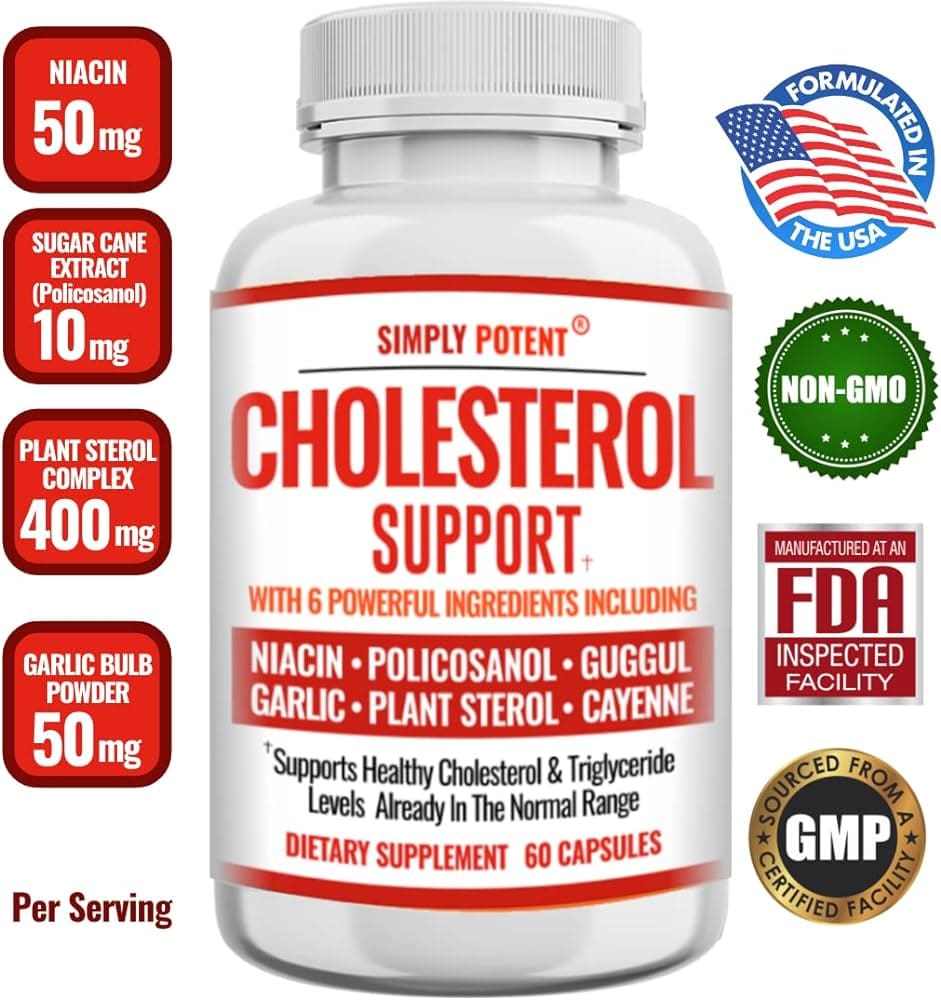
Plant sterols are naturally occurring substances found in fruits, vegetables, and whole grains. They are structurally similar to cholesterol and can help to lower LDL cholesterol by reducing its absorption in the intestines. Plant sterols are often added to cholesterol-lowering spreads and supplements.
Fish oil supplements
Fish oil supplements, rich in omega-3 fatty acids, have been shown to have potential benefits in reducing triglyceride levels and improving overall heart health. While they may not directly lower LDL cholesterol, they are considered beneficial for their anti-inflammatory effects and may be used as part of a comprehensive approach to managing cholesterol levels.
Fiber supplements
Fiber, particularly soluble fiber, can help reduce LDL cholesterol levels by binding to cholesterol in the digestive system and preventing its absorption. Some supplements contain specific types of fiber, such as psyllium, which have been shown to effectively lower cholesterol levels. Adding fiber supplements to a healthy diet can be an additional strategy for managing cholesterol.
Efficacy of Cholesterol-lowering Supplements
Scientific research and studies
Scientific research plays a crucial role in determining the efficacy of cholesterol-lowering supplements. Many studies have been conducted to evaluate the effectiveness of various supplements in reducing cholesterol levels. These studies provide valuable insights into the potential benefits and risks associated with different supplements, allowing individuals to make informed decisions.
FDA regulations and approval
The Food and Drug Administration (FDA) regulates the safety and efficacy of drugs and supplements in the United States. While supplements do not require FDA approval before they are marketed, certain claims and labeling are regulated by the FDA. It is important to look for products that have been manufactured in FDA-approved facilities and adhere to the FDA’s guidelines.
Differentiating between anecdotal evidence and scientific evidence
When considering the efficacy of cholesterol-lowering supplements, it is important to differentiate between anecdotal evidence and scientific evidence. Anecdotal evidence refers to personal experiences and testimonials, while scientific evidence is derived from well-designed studies. Relying solely on anecdotal evidence may not provide a comprehensive understanding of the supplement’s effectiveness, so it is advisable to review scientific research and consult healthcare professionals.
Safety and Side Effects
Potential side effects of cholesterol-lowering supplements
While cholesterol-lowering supplements are generally safe, they may occasionally have side effects. Common side effects include gastrointestinal issues such as bloating or diarrhea. Statins, in particular, can have more serious side effects, such as muscle pain or liver damage. It is essential to be aware of potential side effects and consult a healthcare professional if any concerns arise.
Interactions with other medications
Cholesterol-lowering supplements may interact with other medications, including prescription drugs. For example, statins can interact with certain antibiotics or grapefruit juice. It is important to inform healthcare professionals of any supplements you are taking to ensure there are no adverse interactions.
Consulting with a healthcare professional
Before starting any cholesterol-lowering supplement, it is advisable to consult with a healthcare professional. They can assess your individual health needs, review your medical history, and provide guidance on which supplements may be suitable for you. Healthcare professionals can also help monitor your progress and adjust your treatment plan accordingly.
Choosing the Right Supplement
Identifying personal needs and goals
When choosing a cholesterol-lowering supplement, it is important to identify your personal needs and goals. Consider factors such as your cholesterol levels, overall health, and any specific preferences or dietary restrictions. This self-assessment will help guide you towards the supplement that best aligns with your individual needs.
Considering medical history and current health condition
Your medical history and current health condition play a vital role in determining the most suitable cholesterol-lowering supplement. Certain supplements may be contraindicated or require close monitoring in individuals with specific medical conditions. Always disclose your medical history and current health conditions to healthcare professionals when seeking advice.
Reading product labels and ingredient lists
To make an informed decision, it is crucial to read product labels and ingredient lists carefully. Look for supplements that are backed by scientific research and contain ingredients that have been proven to be effective in lowering cholesterol. Additionally, ensure that the product is manufactured by a reputable company and adheres to quality standards.
Understanding Label Claims and Terminology
Identifying reliable and evidence-based claims
Labels on cholesterol-lowering supplements often make various claims about their effectiveness. To identify reliable and evidence-based claims, look for supplements that cite scientific studies or clinical trials to support their claims. Avoid supplements that make exaggerated or unsubstantiated claims without any supporting evidence.
Differentiating between marketing tactics and scientific information
It is essential to differentiate between marketing tactics and scientific information when evaluating cholesterol-lowering supplements. Marketing tactics may include appealing packaging, celebrity endorsements, or promises of quick results. Focus on scientific information and evidence-based claims to make an informed decision.

Quality and Manufacturing Standards
Certifications and quality assurance
Look for cholesterol-lowering supplements that have undergone certifications and adhere to quality assurance standards. Certifications such as Good Manufacturing Practices (GMP) ensure that the manufacturing process meets specific quality standards. These certifications can provide reassurance of product quality and efficacy.
Respected manufacturers and reputable brands
Choosing supplements from respected manufacturers and reputable brands is crucial to ensure product quality and safety. Established companies with a history of producing reliable supplements are more likely to prioritize quality and adhere to industry regulations. When in doubt, seek recommendations from healthcare professionals or trusted sources.
Finding Reliable Information and Reviews
Consulting trusted sources
When seeking reliable information about cholesterol-lowering supplements, it is important to consult trusted sources such as healthcare professionals, registered dietitians, or reputable organizations. These sources can provide evidence-based recommendations and guidance to help you make informed decisions.
Reading reviews from verified customers
Reading reviews from verified customers can provide insights into the experiences of others who have used a particular cholesterol-lowering supplement. Look for reviews from reputable websites or platforms that verify the authenticity of customer feedback. However, remember that individual experiences may vary, so it is important to consider reviews as part of a broader evaluation process.
Cost and Affordability
Comparing prices
When considering the cost of cholesterol-lowering supplements, it is advisable to compare prices from different sources. Prices can vary between brands and retailers, so it is important to assess the overall value of the supplement in relation to its efficacy and quality.
Considering long-term costs
While immediate cost may be a consideration, it is also important to factor in the long-term costs of managing cholesterol. A comprehensive approach to lowering cholesterol may include lifestyle changes, dietary modifications, and regular exercise, in addition to supplements. Evaluating the long-term costs of these approaches can help make an informed decision about the affordability of cholesterol-lowering strategies.
Alternative Approaches to Lower Cholesterol
Lifestyle changes
In addition to cholesterol-lowering supplements, lifestyle changes can play a significant role in managing cholesterol levels. Maintaining a healthy weight, quitting smoking, limiting alcohol consumption, and adopting a diet rich in fruits, vegetables, whole grains, and lean proteins can all contribute to lowering cholesterol naturally.
Dietary modifications
Certain foods have been shown to have cholesterol-lowering properties. Incorporating foods such as oats, nuts, fatty fish, fruits, and vegetables into your diet can have a positive impact on cholesterol levels. Additionally, limiting the intake of saturated fats and trans fats can help lower LDL cholesterol.
Regular exercise
Engaging in regular physical activity can improve cardiovascular health and contribute to lower cholesterol levels. Aim for at least 150 minutes of moderate-intensity exercise or 75 minutes of vigorous exercise per week. Consult with healthcare professionals before starting any exercise regimen, particularly if you have any underlying health conditions.
By understanding cholesterol, different types of cholesterol-lowering supplements, their efficacy, safety considerations, and additional approaches, you can navigate the marketplace with confidence. Remember to consult with healthcare professionals and trusted sources, evaluate product labels and claims critically, and prioritize your individual needs and goals. With a comprehensive understanding and informed decision-making, you can make proactive choices to manage your cholesterol levels effectively.
