
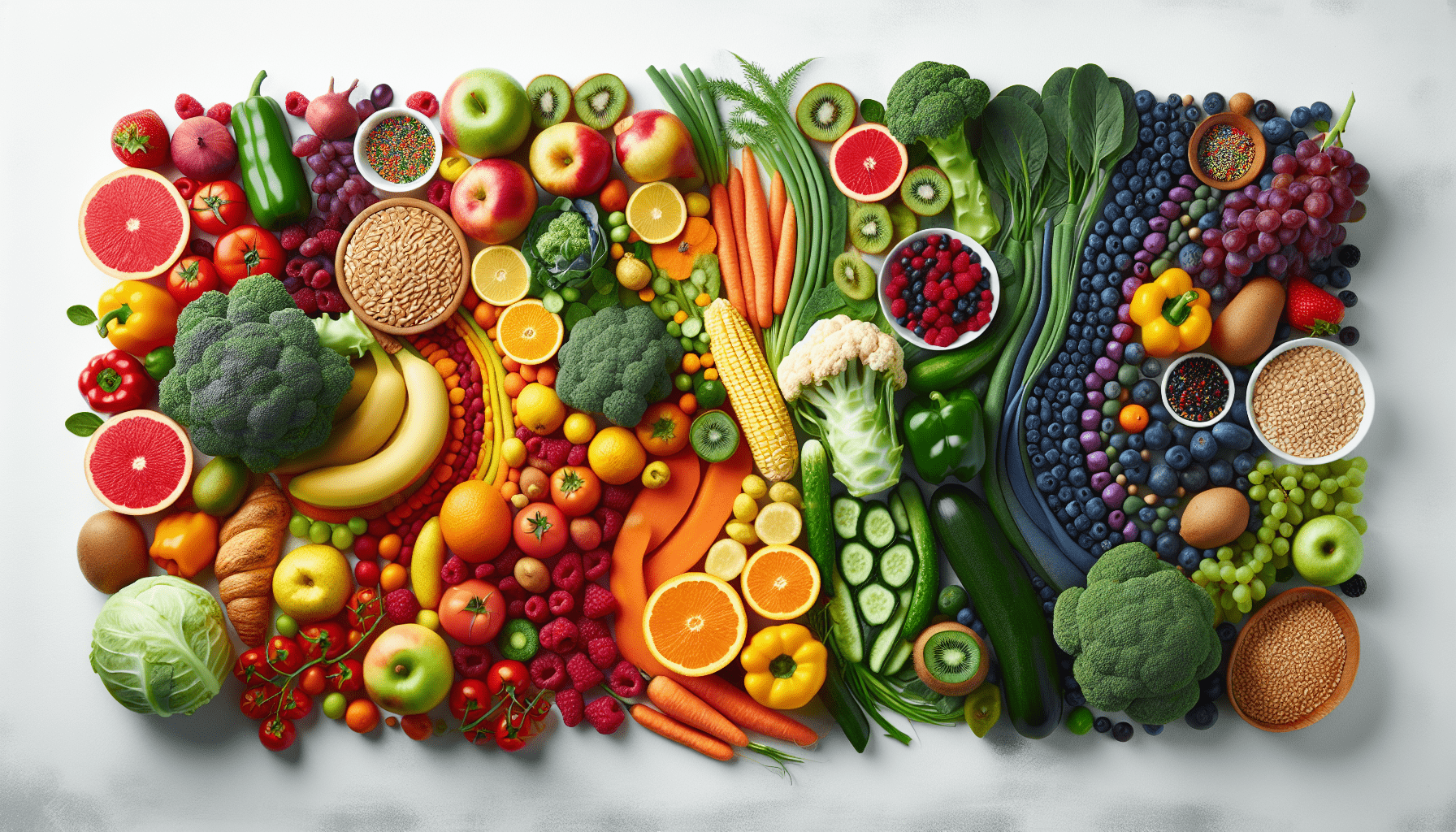
If you’re looking to naturally lower your cholesterol levels, look no further than the power of vitamins and minerals. It’s no secret that a healthy diet plays a crucial role in maintaining optimal cholesterol levels, and incorporating certain vitamins and minerals into your routine can make all the difference. From vitamin C and E to beta-sitosterol and omega-3 fatty acids, these natural wonders have been shown to reduce LDL cholesterol and promote heart health. In this article, we’ll explore how these nutrients can help you on your journey to a healthier, cholesterol-free life.
Understanding Cholesterol
What is cholesterol?
Cholesterol is a waxy substance that is found in your blood and cells. It is produced by your liver and is also present in certain foods. While cholesterol is important for the normal functioning of your body, having high levels of cholesterol can increase your risk of heart disease and other health problems.
The role of cholesterol in the body
Cholesterol plays a vital role in the body. It helps in the production of hormones, vitamin D, and substances that are necessary for digestion. Your body needs cholesterol to build healthy cells, but having too much of it can lead to the formation of fatty deposits in your blood vessels, which can block the flow of blood and increase the risk of heart disease.
Types of cholesterol
There are two main types of cholesterol: low-density lipoprotein (LDL) cholesterol and high-density lipoprotein (HDL) cholesterol. LDL cholesterol is often referred to as “bad” cholesterol because it can build up on the walls of your arteries and form plaques. HDL cholesterol, on the other hand, is known as “good” cholesterol because it helps remove LDL cholesterol from your bloodstream.
Dietary Changes
Limit saturated fats
One of the most effective ways to lower your cholesterol levels is to limit your intake of saturated fats. Saturated fats are typically found in animal-based foods, such as fatty cuts of meat, full-fat dairy products, and butter. These fats can raise your LDL cholesterol levels and increase your risk of heart disease. To reduce your saturated fat intake, opt for lean meats, low-fat dairy products, and use healthier cooking oils, such as olive oil or canola oil.
Increase soluble fiber intake
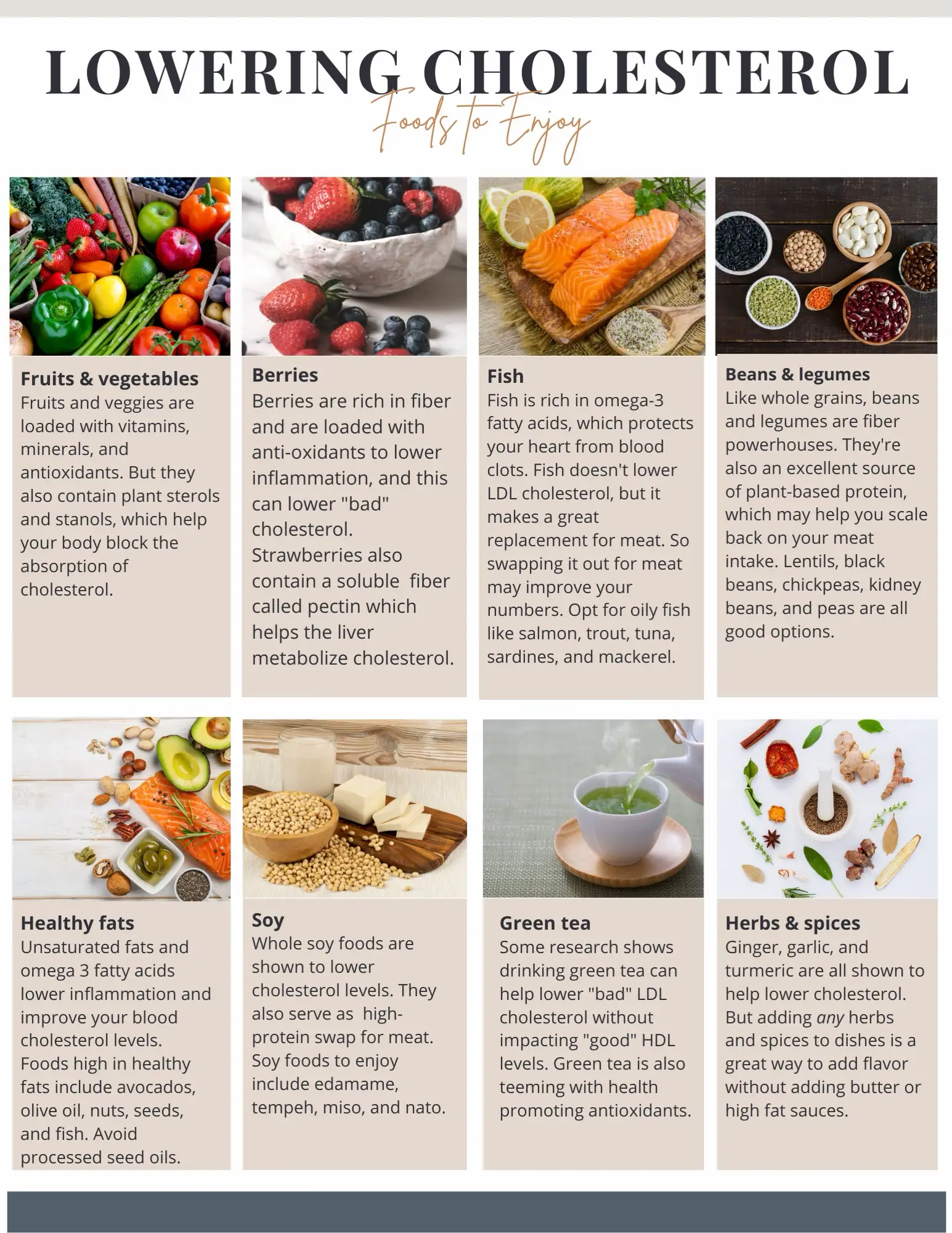
Including more soluble fiber in your diet can help reduce your LDL cholesterol levels. Soluble fiber forms a gel-like substance in your digestive tract that binds to cholesterol, preventing its absorption into your bloodstream. Good sources of soluble fiber include oats, barley, fruits, vegetables, and legumes. Aim to incorporate these foods into your daily meals to reap the cholesterol-lowering benefits of soluble fiber.
Choose healthier fats
Instead of consuming saturated fats, opt for healthier fats that can actually help improve your cholesterol levels. Unsaturated fats, specifically monounsaturated fats and polyunsaturated fats, have been shown to lower LDL cholesterol levels when consumed in moderation. Foods rich in these healthier fats include avocados, nuts, seeds, and fatty fish like salmon or mackerel. Additionally, replacing butter with spreads or oils made from these healthier fats can further contribute to maintaining healthy cholesterol levels.
Essential Vitamins for Lowering Cholesterol
Vitamin B3 (Niacin)
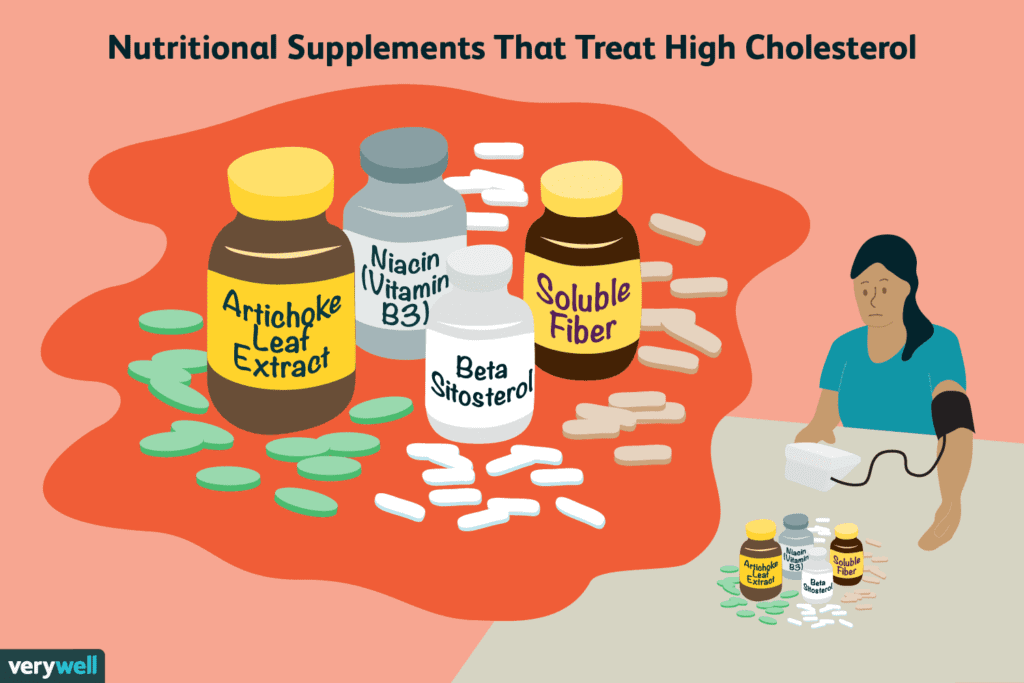
Niacin, also known as vitamin B3, has been found to be effective in lowering LDL cholesterol levels while increasing HDL cholesterol levels. This vitamin works by reducing the production of LDL cholesterol and triglycerides in the liver. It can be obtained through diet by consuming foods like lean meats, legumes, whole grains, and green leafy vegetables. However, it is important to consult a healthcare professional before supplementing with niacin, as high doses can cause certain side effects.
Vitamin C
Vitamin C is not only known for its immune-boosting properties, but it can also have a positive impact on cholesterol levels. Studies have shown that vitamin C supplementation can lower LDL cholesterol and triglyceride levels, as well as increase HDL cholesterol levels. To incorporate more vitamin C into your diet, consume citrus fruits, berries, kiwi, bell peppers, and leafy greens.
Vitamin E
Vitamin E is a powerful antioxidant that can help prevent the oxidation of LDL cholesterol, which is a key step in the formation of plaque in your arteries. Including foods rich in vitamin E, such as almonds, sunflower seeds, spinach, and avocados, can provide you with the necessary amount of this vitamin for maintaining healthy cholesterol levels.
Effective Minerals for Lowering Cholesterol
Magnesium
Magnesium is an essential mineral that plays a crucial role in maintaining heart health and regulating cholesterol levels. It promotes the conversion of LDL cholesterol to a less harmful form, reducing the risk of plaque formation. Good dietary sources of magnesium include green leafy vegetables, whole grains, nuts, and seeds. If needed, magnesium supplements can also be taken under the guidance of a healthcare professional.
Zinc
Zinc is another mineral that has been found to have cholesterol-lowering effects. It helps regulate the production and metabolism of cholesterol in the body. Foods rich in zinc include meat, shellfish, legumes, nuts, and seeds. Including these foods in your diet can contribute to maintaining healthy cholesterol levels.
Selenium
Selenium is a trace mineral that acts as an antioxidant and helps reduce oxidative stress in the body. Studies have shown that selenium supplementation can lead to a decrease in LDL cholesterol levels. Good dietary sources of selenium include Brazil nuts, seafood, meat, and whole grains. However, it is important not to exceed the recommended intake of selenium, as excessive amounts can be harmful.

The Power of Omega-3 Fatty Acids
Benefits of omega-3 fatty acids for cholesterol
Omega-3 fatty acids have been extensively studied for their numerous health benefits, including the ability to lower cholesterol levels. They have been found to reduce triglyceride levels and increase HDL cholesterol levels. Consuming omega-3 fatty acids can also help lower blood pressure and reduce inflammation in the body. Incorporating these healthy fats into your diet can have a positive impact on your overall cardiovascular health.
Food sources of omega-3 fatty acids
Good sources of omega-3 fatty acids include fatty fish like salmon, sardines, and mackerel. Plant-based sources include flaxseeds, chia seeds, walnuts, and soybeans. Adding these foods to your meals regularly can provide you with an adequate intake of omega-3 fatty acids.
Supplementing with omega-3 fatty acids
In some cases, it may be beneficial to supplement with omega-3 fatty acids, especially if you don’t consume enough fish or plant-based sources in your diet. Fish oil supplements are widely available and can be a convenient way to ensure you’re getting enough omega-3 fatty acids. However, it is important to consult with a healthcare professional before starting any supplementation regimen.
Antioxidant-Rich Foods for Cholesterol
Importance of antioxidants
Antioxidants play a crucial role in protecting your body against free radicals, which can cause damage to your cells and contribute to the development of chronic diseases. When it comes to cholesterol, antioxidants can help prevent the oxidation of LDL cholesterol, which is a key step in the formation of plaque in your arteries. Including antioxidant-rich foods in your diet can help support heart health and maintain healthy cholesterol levels.
Foods high in antioxidants
Many fruits and vegetables are rich in antioxidants. For example, berries like blueberries, strawberries, and raspberries are known for their high antioxidant content. Other antioxidant-rich foods include dark chocolate, green tea, pecans, and spinach. By incorporating these foods into your daily meals and snacks, you can provide your body with a variety of antioxidants that promote cardiovascular health.
Herbal Remedies for Cholesterol
Garlic
Garlic has been used for centuries for its medicinal properties and is often recommended as a natural remedy for lowering cholesterol levels. Studies have shown that garlic can help reduce total cholesterol, LDL cholesterol, and triglyceride levels. It is believed that the sulfur compounds in garlic are responsible for its cholesterol-lowering effects. Adding fresh garlic to your meals or taking garlic supplements can be a natural way to support healthy cholesterol levels.
Red yeast rice
Red yeast rice is a fermented rice product that has been found to contain compounds called monacolins, which are chemically similar to statins, a commonly prescribed medication for lowering cholesterol. Research has shown that red yeast rice can be effective in lowering LDL cholesterol levels. However, it is important to note that the concentration of monacolins in red yeast rice supplements can vary, so it’s important to choose a reputable brand and consult with a healthcare professional before using it.
Artichoke extract
Artichoke extract has been used as a natural remedy for high cholesterol levels. It contains compounds called cynarins, which have been found to inhibit the production of cholesterol and increase the excretion of cholesterol from the body. Artichoke extract supplements are available and can be taken to support overall cardiovascular health and maintain healthy cholesterol levels.
Physical Activity and Cholesterol
Exercise and its impact on cholesterol
Regular physical activity plays a crucial role in managing cholesterol levels. Exercise not only helps increase HDL cholesterol (the “good” cholesterol) but also improves the overall health of your cardiovascular system. It can also help promote weight loss or weight maintenance, which is important for managing cholesterol levels. Incorporating aerobic exercises like walking, jogging, cycling, or swimming into your routine can have a positive impact on your cholesterol profile.
Recommended exercises for lowering cholesterol
In addition to aerobic exercise, including strength training or resistance exercises in your routine can help increase lean muscle mass, which can improve cholesterol levels. Examples of strength training exercises include weightlifting, bodyweight exercises, and using resistance bands. Aim for at least 150 minutes of moderate-intensity aerobic exercise per week, along with two or more days of strength training, to effectively manage your cholesterol levels.

Stress Management and Cholesterol
The link between stress and cholesterol
Chronic stress can have a negative impact on your cholesterol levels. When you are stressed, your body produces stress hormones like cortisol, which can raise LDL cholesterol levels. Additionally, during periods of stress, people often engage in unhealthy behaviors such as emotional eating or lack of physical activity, which can further contribute to high cholesterol. Managing stress levels is crucial for maintaining healthy cholesterol levels.
Stress reduction techniques
There are several stress reduction techniques that can help manage your cholesterol levels. These include practicing mindfulness meditation, engaging in regular physical exercise, getting adequate sleep, and seeking social support. Engaging in activities that you enjoy, such as hobbies or spending time with loved ones, can also help reduce stress. It is important to find what works best for you and incorporate stress reduction techniques into your daily routine.
Consulting a Healthcare Professional
Importance of professional advice
While incorporating vitamins, minerals, and lifestyle changes into your routine can be beneficial for managing cholesterol levels, it is important to consult with a healthcare professional before making any significant changes. They can assess your individual health needs and provide personalized recommendations. They can also help monitor your cholesterol levels and ensure you are making progress towards your health goals.
When to consult a healthcare professional
It is recommended to consult a healthcare professional if you have high cholesterol levels or a family history of heart disease. They can help determine the best course of action for managing your cholesterol levels, whether it be through dietary changes, supplementation, or medication. Regular check-ups and monitoring of your cholesterol levels can also help ensure you are on track to maintaining healthy cholesterol levels.
In conclusion, managing cholesterol levels naturally involves making dietary changes, incorporating essential vitamins and minerals, consuming omega-3 fatty acids and antioxidant-rich foods, exploring herbal remedies, engaging in physical activity, and implementing stress management techniques. By adopting a comprehensive approach and seeking professional guidance, you can effectively lower your cholesterol levels and improve your overall cardiovascular health. Remember, taking care of yourself is a journey, and small changes can make a big difference in your cholesterol levels and overall well-being.
