If you’re looking for ways to lower your cholesterol levels, you’re in the right place. In this article, we will explore various approaches to lowering cholesterol using supplements. Whether you’re after a natural remedy, an alternative to medication, or simply want to improve your cardiovascular health, we’ve got you covered. Get ready to discover how supplements can play a role in achieving healthier cholesterol levels and enhancing your overall well-being.
Nutritional Supplements
Fish Oil
Fish oil is a popular nutritional supplement known for its numerous health benefits, particularly in relation to heart health. It is rich in omega-3 fatty acids, specifically eicosapentaenoic acid (EPA) and docosahexaenoic acid (DHA). These omega-3 fatty acids have been shown to reduce inflammation, lower triglyceride levels, and promote overall cardiovascular health. Including fish oil in your diet can also help in managing cholesterol levels and reducing the risk of heart disease.
Plant Sterols
Plant sterols, also known as phytosterols, are naturally occurring substances found in plants. They have a similar structure to cholesterol and can block the absorption of dietary cholesterol in the intestines. This can help to lower overall cholesterol levels and reduce the risk of heart disease. Plant sterols can be found in various fruits, vegetables, nuts, and seeds. However, to reach therapeutic levels, it is often necessary to take them in supplement form.
Garlic
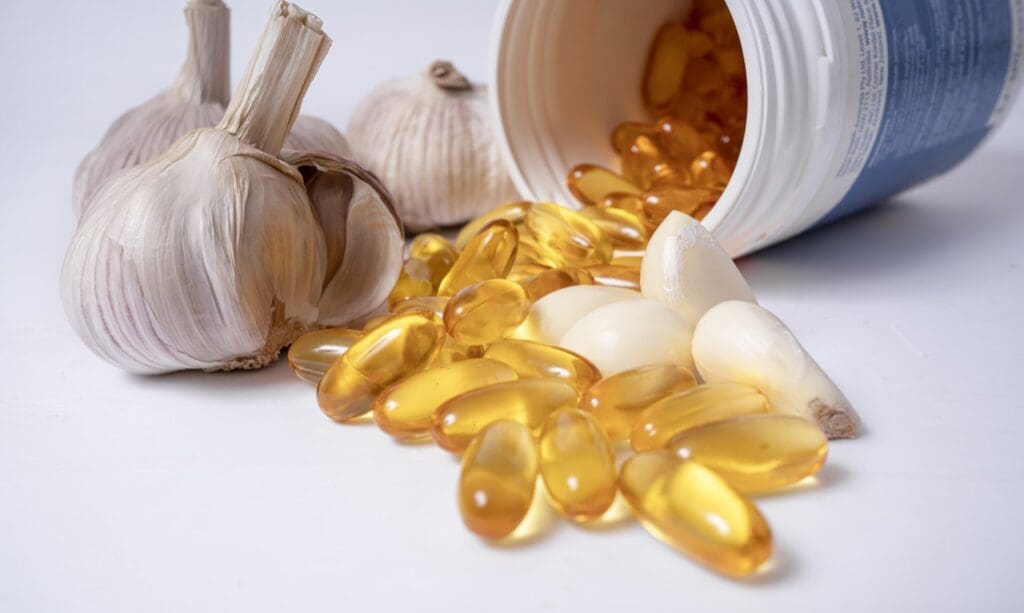
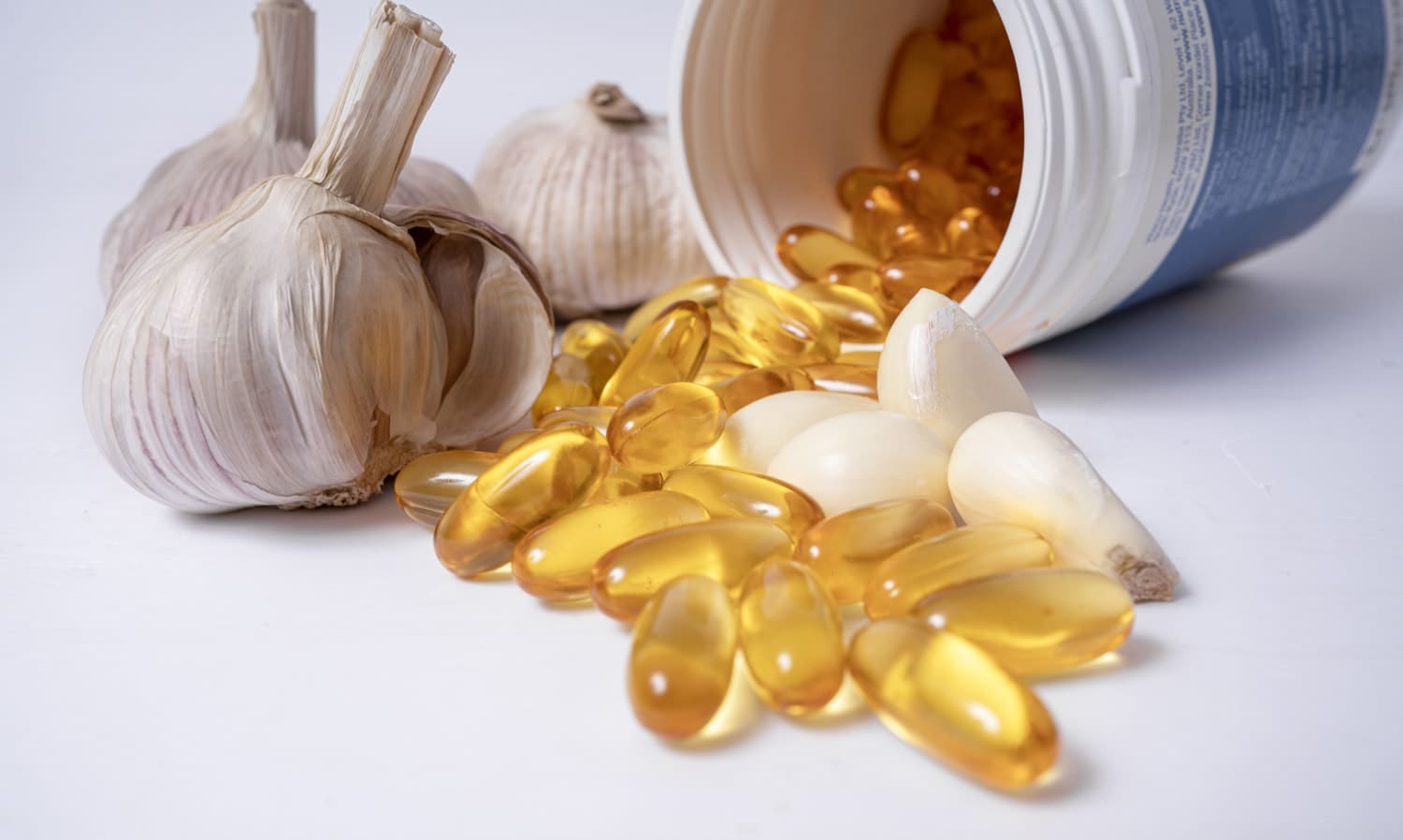
Garlic has been used for centuries for its medicinal properties. It contains a compound called allicin, which is responsible for its numerous health benefits. In terms of cholesterol management, garlic has been found to reduce total cholesterol levels, lower LDL cholesterol (the “bad” cholesterol), and increase HDL cholesterol (the “good” cholesterol”). Including garlic in your diet or taking garlic supplements can be a complementary approach to managing cholesterol levels.
Red Yeast Rice
Red yeast rice is a traditional Chinese food made by fermenting rice with a specific type of red yeast called Monascus purpureus. It has been used for centuries for its medicinal properties, particularly in managing cholesterol levels. Red yeast rice contains a compound called monacolin K, which is structurally similar to the statin drug lovastatin. This compound has been shown to inhibit an enzyme involved in cholesterol synthesis, thereby reducing LDL cholesterol levels. Taking red yeast rice supplements under the guidance of a healthcare professional may help in maintaining healthy cholesterol levels.
Herbal Supplements
Green Tea
Green tea is a popular herbal supplement known for its antioxidant properties. It contains catechins, particularly epigallocatechin gallate (EGCG), which have been shown to have various health benefits. In relation to cholesterol management, green tea has been found to lower total cholesterol and LDL cholesterol levels. Regular consumption of green tea or taking green tea supplements can be a simple way to support heart health.
Artichoke Leaf Extract
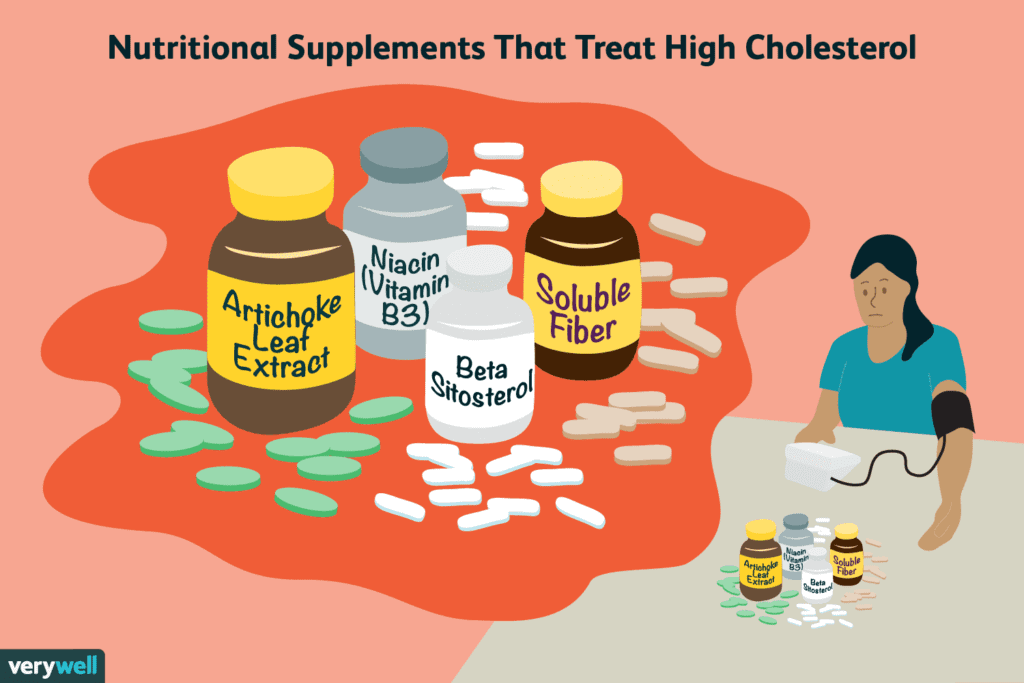
Artichoke leaf extract is derived from the leaves of the artichoke plant and has long been used in traditional medicine for its digestive and liver-supporting properties. It contains compounds such as cynarin and chlorogenic acid, which have been found to have cholesterol-lowering effects. Artichoke leaf extract can help reduce total cholesterol, LDL cholesterol, and triglyceride levels, while increasing HDL cholesterol levels. Including artichoke leaf extract in your supplement routine can be beneficial for maintaining healthy cholesterol levels.
Turmeric
Turmeric is a vibrant yellow spice commonly used in cooking, particularly in Indian cuisine. It contains a compound called curcumin, which is responsible for its numerous health benefits. In terms of cholesterol management, curcumin has been found to reduce LDL cholesterol levels and improve HDL cholesterol levels. Turmeric supplements or adding turmeric to your diet can be a delicious and beneficial way to support heart health.
Vitamin Supplements
Niacin
Niacin, also known as vitamin B3, is an essential water-soluble vitamin that plays a crucial role in various metabolic processes in the body. It has been shown to have favorable effects on cholesterol levels. Niacin can increase HDL cholesterol levels and decrease LDL cholesterol, triglyceride levels, and lipoprotein(a) levels. However, it is important to take niacin supplements under the guidance of a healthcare professional, as high doses can lead to side effects such as flushing and liver toxicity.
Vitamin C
Vitamin C, also known as ascorbic acid, is a powerful antioxidant that is important for overall health. While it may not directly impact cholesterol levels, studies have shown that adequate vitamin C intake may help prevent the oxidation of LDL cholesterol, which is a key factor in the development of atherosclerosis. Including vitamin C-rich foods in your diet or taking vitamin C supplements can be beneficial for overall cardiovascular health.
Vitamin E
Vitamin E is another antioxidant vitamin that plays a role in protecting cells from damage, including the oxidative damage associated with LDL cholesterol. Research suggests that vitamin E may help prevent LDL cholesterol from oxidizing and reduce the risk of atherosclerosis. However, the evidence on the effectiveness of vitamin E supplements in lowering cholesterol levels is mixed. It is best to focus on obtaining vitamin E from food sources such as nuts, seeds, and vegetable oils, rather than relying solely on supplements.
Mineral Supplements
Magnesium
Magnesium is an essential mineral that plays a key role in numerous bodily functions. It has been found to have a positive impact on cholesterol levels. Magnesium supplementation has been shown to increase HDL cholesterol levels, lower LDL cholesterol levels, and reduce triglyceride levels. Additionally, magnesium may also help improve insulin sensitivity and blood sugar control, further benefiting overall cardiovascular health.
Calcium
Calcium is well-known for its role in maintaining healthy bones, but it is also important for maintaining a healthy heart. Studies have shown that calcium supplementation can have a mild effect on lowering LDL cholesterol levels. However, excessive calcium intake from supplements may have adverse effects on heart health, so it is best to obtain calcium from food sources such as dairy products, leafy greens, and fortified foods.
Zinc
Zinc is an essential trace mineral that is involved in several enzymatic reactions in the body. While its impact on cholesterol levels may not be as well-established as other nutrients, zinc supplementation has been found to have some beneficial effects. Zinc can potentially increase HDL cholesterol levels and decrease LDL cholesterol and triglyceride levels. However, more research is needed to fully understand the relationship between zinc and cholesterol management.
Fiber Supplements
Psyllium Husk
Psyllium husk is a type of soluble fiber derived from the seeds of the Plantago ovata plant. It is commonly used as a dietary supplement to promote regular bowel movements and support digestive health. Additionally, psyllium husk has been found to have cholesterol-lowering effects. It can help reduce LDL cholesterol levels and improve overall cholesterol profiles. Adding psyllium husk to your diet or taking psyllium husk supplements can be a convenient way to increase your fiber intake and support heart health.
Beta-Glucan
Beta-glucan is a type of soluble fiber found in various sources such as oats, barley, and certain mushrooms. It has been extensively studied for its cholesterol-lowering effects. Beta-glucan can help reduce LDL cholesterol levels by inhibiting cholesterol absorption in the intestines and increasing its excretion. Consuming foods rich in beta-glucan or taking beta-glucan supplements can be an effective way to improve your cholesterol levels.
Chitosan
Chitosan is a dietary fiber derived from the exoskeletons of crustaceans such as shrimp and crabs. It has been suggested to have cholesterol-lowering effects, although the evidence is not as strong as for other fiber supplements. Chitosan is thought to bind to dietary fats in the intestines, preventing their absorption. However, more research is needed to fully understand its effectiveness and potential side effects.
Antioxidant Supplements
Coenzyme Q10
Coenzyme Q10, also known as CoQ10, is a naturally occurring antioxidant that is important for energy production in cells. It has been shown to have beneficial effects on cholesterol levels. CoQ10 supplementation has been found to increase HDL cholesterol levels, reduce LDL cholesterol levels, and improve overall cholesterol profiles. Additionally, CoQ10 has been suggested to have protective effects on the blood vessels and heart. Including CoQ10 supplements in your routine can be beneficial for both cholesterol management and overall cardiovascular health.
Resveratrol
Resveratrol is a natural compound found in grapes, red wine, and certain berries. It is known for its antioxidant and anti-inflammatory properties. Resveratrol has been found to have cholesterol-lowering effects by reducing LDL cholesterol levels and improving overall cholesterol profiles. Additionally, it may also have protective effects on the blood vessels and heart. While the research on resveratrol is promising, it is important to note that the concentrations found in supplements may not be equivalent to those naturally occurring in foods.
Alpha-Lipoic Acid
Alpha-lipoic acid (ALA) is a powerful antioxidant that is naturally produced in the body. It has been found to have various health benefits, including potential cholesterol-lowering effects. ALA supplementation has been shown to reduce LDL cholesterol levels and increase HDL cholesterol levels. Additionally, ALA may also have anti-inflammatory properties that can benefit cardiovascular health. Including ALA supplements in your routine can be a valuable addition to your cholesterol management plan.
Probiotic Supplements
Lactobacillus
Lactobacillus is a type of bacteria that is naturally found in the gut and several fermented foods such as yogurt and sauerkraut. It is considered a beneficial probiotic that can support digestive and immune health. Additionally, certain strains of lactobacillus have been found to have cholesterol-lowering effects. They can help reduce total cholesterol, LDL cholesterol, and triglyceride levels. Including lactobacillus-rich foods or taking lactobacillus supplements can be a simple way to support both digestive health and cholesterol management.
Bifidobacterium
Bifidobacterium is another type of beneficial bacteria that is commonly found in the gut and various fermented foods. Like lactobacillus, certain strains of bifidobacterium have been found to have cholesterol-lowering effects. They can help decrease LDL cholesterol levels and improve overall cholesterol profiles. Including bifidobacterium-rich foods or taking bifidobacterium supplements can be a convenient way to support a healthy gut and cholesterol management.
Saccharomyces boulardii
Saccharomyces boulardii is a beneficial yeast that has been extensively studied for its probiotic properties. It is known for its ability to support digestive health, particularly in relation to diarrhea and other digestive disorders. While its direct effects on cholesterol levels may not be as well-established as other probiotics, some studies have suggested that Saccharomyces boulardii may have cholesterol-lowering effects. Including Saccharomyces boulardii supplements in your routine can be a valuable addition to your overall gut health and cholesterol management.
Enzyme Supplements
Lipase
Lipase is an enzyme that is involved in the digestion and breakdown of dietary fats. It helps to break down triglycerides into simpler fatty acids and glycerol, which can then be absorbed by the intestines. By supporting the digestion and absorption of dietary fats, lipase supplements can indirectly affect cholesterol levels. However, the evidence on the effectiveness of lipase supplements in directly lowering cholesterol levels is limited. It is best to focus on a balanced diet and lifestyle habits to maintain healthy cholesterol levels.
Bromelain
Bromelain is an enzyme derived from pineapples and is known for its anti-inflammatory properties. While it may not directly impact cholesterol levels, bromelain supplementation has been found to have potential cardiovascular benefits. It can support healthy blood vessel function and may help reduce the risk of blood clots. Including bromelain-rich foods or taking bromelain supplements can be a complementary approach to maintaining heart health.
Papain
Papain is an enzyme derived from papaya fruit and has been used traditionally for its digestive properties. While its direct effects on cholesterol levels are not well-established, papain supplementation can support digestive health and overall well-being. A healthy digestive system can indirectly impact cholesterol management by improving nutrient absorption and ensuring proper elimination of waste. Including papain-rich foods or taking papain supplements can be beneficial for digestive health and overall cholesterol management.
Plant-Based Supplements
Policosanol
Policosanol is a mixture of long-chain alcohols derived from sugar cane wax or beeswax. It has been found to have potential cholesterol-lowering effects. Policosanol supplementation has been shown to decrease LDL cholesterol levels and increase HDL cholesterol levels. Additionally, it may also have antioxidant and anti-inflammatory properties that can benefit cardiovascular health. Including policosanol supplements in your routine can be a natural and effective way to support healthy cholesterol levels.
Gugulipid
Gugulipid is derived from the resin of the guggul tree, which is native to India. It has been used in traditional Ayurvedic medicine for its numerous health benefits, including cholesterol management. Gugulipid contains compounds called guggulsterones, which have been found to have cholesterol-lowering effects. Gugulipid supplementation has been shown to reduce LDL cholesterol levels and increase HDL cholesterol levels. Including gugulipid supplements in your routine can be a natural and holistic approach to maintaining healthy cholesterol levels.
Berberine
Berberine is a compound found in several plants, including goldenseal, Oregon grape, and Chinese goldthread. It has been extensively studied for its various health benefits, including its potential cholesterol-lowering effects. Berberine supplementation has been shown to reduce total cholesterol, LDL cholesterol, and triglyceride levels, while increasing HDL cholesterol levels. Additionally, berberine may also have anti-inflammatory properties that can benefit cardiovascular health. Including berberine supplements in your routine can be a natural and effective way to support cholesterol management.
Combination Supplements
Cholestin
Cholestin is a combination supplement that typically contains red yeast rice, plant sterols, and other cholesterol-lowering ingredients. It has been formulated to provide a comprehensive approach to cholesterol management. The combination of red yeast rice and plant sterols can help lower LDL cholesterol levels and improve overall cholesterol profiles. Including Cholestin in your supplement routine can be an convenient and effective way to manage your cholesterol levels.
LipidShield
LipidShield is another combination supplement that is specifically formulated to support healthy cholesterol levels. It typically includes ingredients such as plant sterols, CoQ10, and omega-3 fatty acids. Each of these ingredients has been individually shown to have cholesterol-lowering effects, and their combination in LipidShield can provide a synergistic approach to cholesterol management. Including LipidShield in your routine can be a convenient and effective way to support overall cardiovascular health.
Metamucil MultiHealth Fiber
Metamucil MultiHealth Fiber is a combination supplement that combines the benefits of fiber with other ingredients to support digestive and heart health. It typically contains psyllium husk, as well as vitamins and minerals such as calcium and magnesium. The psyllium husk provides a good source of soluble fiber, which can help reduce LDL cholesterol levels. Additionally, the added vitamins and minerals can further support overall cardiovascular health. Including Metamucil MultiHealth Fiber in your routine can be a simple and effective way to support both digestive and heart health.
In conclusion, there are numerous nutritional supplements available that can support cholesterol management and promote overall cardiovascular health. From fish oil to plant sterols, garlic to red yeast rice, there are various options to choose from depending on your specific needs and preferences. It is important to remember that supplements should be used as a complement to a healthy diet and lifestyle, and it is always advisable to consult with a healthcare professional before starting any supplement regimen. With the right combination of supplements and a holistic approach to health, you can take proactive steps towards maintaining healthy cholesterol levels and improving your overall well-being.