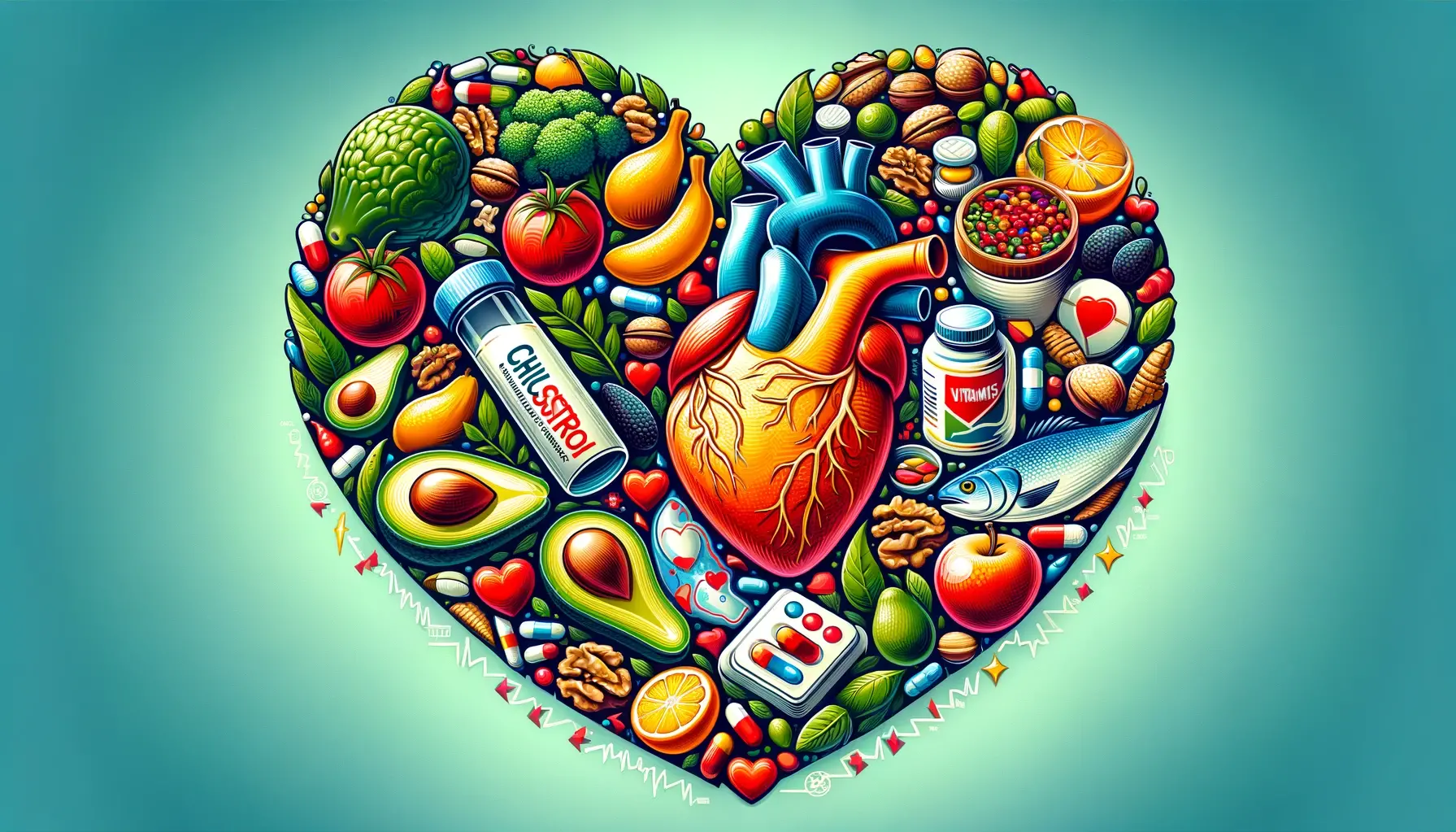
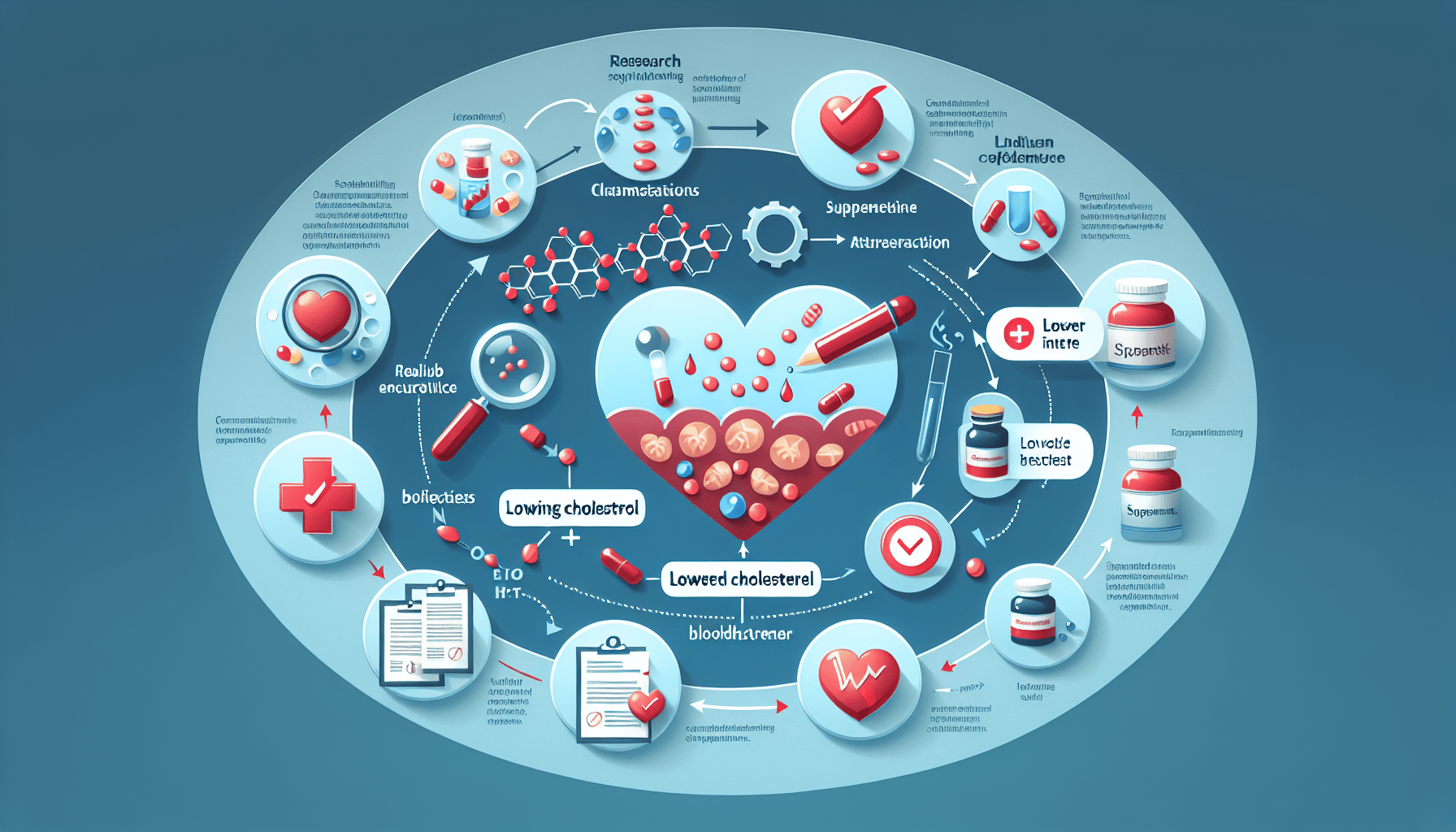
If you have ever wondered about the real science behind cholesterol-lowering supplements, this article is for you. In this captivating piece, we will explore the fascinating world of cholesterol-lowering supplements, uncovering the secrets and uncovering the truth behind their efficacy. Delving into the scientific research and studies surrounding these supplements, we will guide you on a journey to understand how they work and their potential benefits for your health. So, grab a cup of tea and get ready to unravel the mysteries behind cholesterol-lowering supplements!
What is cholesterol?
Definition of cholesterol
Cholesterol is a waxy, fat-like substance that is found in every cell of your body. It is essential for the normal functioning of your body because it helps to build and maintain cell membranes, produce vitamin D, and produce certain hormones. However, having high levels of cholesterol in your blood can increase your risk of developing heart disease.
Role of cholesterol in the body
Cholesterol plays a crucial role in the body by serving as a structural component of cell membranes and acting as a precursor for the synthesis of important hormones such as estrogen, testosterone, and cortisol. It is also involved in the production of bile acids, which help in the digestion and absorption of fats in the intestines.
Types of cholesterol
Low-density lipoprotein (LDL)
LDL cholesterol, often referred to as “bad” cholesterol, is a type of cholesterol that carries cholesterol from the liver to the cells in your body. High levels of LDL cholesterol can lead to the buildup of plaque in the arteries, increasing the risk of heart disease and stroke.
High-density lipoprotein (HDL)
HDL cholesterol, often called “good” cholesterol, helps remove LDL cholesterol from the bloodstream and transports it back to the liver for disposal. Higher levels of HDL cholesterol are associated with a lower risk of heart disease.
Triglycerides
Triglycerides are a type of fat that circulates in the blood. They are primarily derived from the food we eat and are also produced in the liver. Elevated levels of triglycerides are often associated with an increased risk of heart disease.
Understanding cholesterol levels
Total cholesterol
Total cholesterol measures the combined levels of LDL cholesterol, HDL cholesterol, and other lipid components in your blood. Maintaining optimal total cholesterol levels is important for heart health.
HDL cholesterol
HDL cholesterol is considered desirable because it helps remove LDL cholesterol from the arteries. Higher levels of HDL cholesterol are associated with a reduced risk of heart disease.
LDL cholesterol
LDL cholesterol is considered undesirable because it can lead to the buildup of plaque in the arteries. Elevated levels of LDL cholesterol are associated with an increased risk of heart disease.
Triglyceride levels
Triglyceride levels are influenced by factors such as diet, physical activity, alcohol consumption, and certain medical conditions. High levels of triglycerides can contribute to the development of heart disease.
How cholesterol affects health
Role in cardiovascular disease
High levels of LDL cholesterol, often combined with low levels of HDL cholesterol, can lead to the accumulation of plaque in the arteries. This can restrict blood flow and increase the risk of heart disease, heart attack, and stroke. Managing cholesterol levels is crucial for maintaining cardiovascular health.
Impacts on overall health
Aside from cardiovascular disease, high cholesterol levels have been linked to other health conditions such as gallstones and peripheral artery disease. By keeping your cholesterol levels in check, you can reduce the risk of developing these conditions and promote overall health.
What are cholesterol-lowering supplements?
Definition of cholesterol-lowering supplements
Cholesterol-lowering supplements are natural or synthetic substances that are designed to help reduce cholesterol levels in the body. They can be used as an adjunct to a healthy lifestyle and can help individuals manage their cholesterol levels effectively.
Types of cholesterol-lowering supplements
There are various types of cholesterol-lowering supplements available, including natural supplements derived from plant sources and synthetic pharmaceutical medications. Each type of supplement works in a different way to help reduce cholesterol levels.
Natural cholesterol-lowering supplements
Plant sterols and stanols
Plant sterols and stanols are naturally occurring substances found in fruits, vegetables, and whole grains. They work by blocking the absorption of cholesterol in the intestines, thus reducing its entry into the bloodstream.
Soluble fiber supplements
Soluble fiber, such as psyllium, forms a gel-like substance in the intestines that binds to cholesterol and bile acids. This promotes their excretion, helping to lower cholesterol levels.
Niacin supplements
Niacin, also known as vitamin B3, can help lower LDL cholesterol and triglyceride levels while raising HDL cholesterol levels. It works by inhibiting the liver’s production of LDL cholesterol.
Garlic supplements
Garlic has long been known for its potential health benefits, including its cholesterol-lowering properties. Garlic supplements may help reduce LDL cholesterol levels and promote overall cardiovascular health.
Pharmaceutical cholesterol-lowering supplements
Statins
Statins are widely prescribed medications that work by inhibiting an enzyme involved in cholesterol synthesis. They are highly effective in reducing LDL cholesterol levels and have been proven to reduce the risk of heart disease.
Bile acid sequestrants
Bile acid sequestrants work by binding to bile acids in the intestines, preventing their reabsorption. This prompts the liver to use more cholesterol to produce new bile acids, leading to a decrease in LDL cholesterol levels.
Cholesterol absorption inhibitors
Cholesterol absorption inhibitors, such as ezetimibe, interfere with the absorption of dietary cholesterol in the intestines. By reducing the amount of cholesterol entering the bloodstream, they help lower LDL cholesterol levels.
PCSK9 inhibitors
PCSK9 inhibitors are a newer class of medications that help reduce LDL cholesterol levels by preventing the degradation of LDL receptors on the liver. This allows the receptors to remove more LDL cholesterol from the bloodstream.
Fibrates
Fibrates primarily target triglyceride levels, lowering them and improving HDL cholesterol levels. They work by activating a receptor in the liver that helps break down triglycerides and increase HDL cholesterol production.
Niacin
Niacin, when used in higher doses than those found in over-the-counter supplements, can effectively lower LDL cholesterol levels and increase HDL cholesterol levels. However, it may also cause side effects and interactions, so it should be used under medical supervision.
How cholesterol-lowering supplements work
Inhibition of cholesterol synthesis
Many cholesterol-lowering supplements, especially pharmaceutical medications like statins and niacin, work by inhibiting the enzymes involved in the production of cholesterol in the liver. By limiting cholesterol synthesis, these supplements help reduce LDL cholesterol levels.
Enhancement of cholesterol excretion
Some cholesterol-lowering supplements, such as bile acid sequestrants and cholesterol absorption inhibitors, work by enhancing the excretion of cholesterol from the body. They either prevent the reabsorption of cholesterol in the intestines or interfere with its absorption, thereby reducing its presence in the bloodstream.
Regulation of lipoprotein metabolism
Certain cholesterol-lowering supplements, like PCSK9 inhibitors and fibrates, regulate lipoprotein metabolism. They act on specific receptors or enzymes involved in the metabolism of lipoproteins, helping to lower LDL cholesterol and triglyceride levels while increasing HDL cholesterol levels.
Effectiveness and safety of cholesterol-lowering supplements
Scientific evidence on effectiveness
Research has shown that certain cholesterol-lowering supplements, particularly statins, are highly effective in reducing LDL cholesterol levels and lowering the risk of heart disease. Other supplements, such as plant sterols and stanols, soluble fiber, and niacin, have also demonstrated cholesterol-lowering effects, although their effectiveness may vary.
Possible side effects and interactions
While many cholesterol-lowering supplements are generally safe when used as directed, some may have potential side effects and interactions. Statins, for example, can cause muscle pain and liver abnormalities in rare cases. It is important to consult with a healthcare professional before starting any cholesterol-lowering supplement to ensure it is safe for you and does not interact with any medications you may be taking.
Conclusion
Summary of key points
Cholesterol is a vital substance in the body, but high levels can increase the risk of heart disease. It is important to understand the different types of cholesterol, their roles in the body, and the impact they can have on overall health. Cholesterol-lowering supplements, both natural and pharmaceutical, can be effective in managing cholesterol levels when used appropriately. They work through various mechanisms to reduce cholesterol synthesis, enhance excretion, and regulate lipoprotein metabolism.
Importance of informed decision-making
When considering cholesterol-lowering supplements, it is crucial to make informed decisions by consulting with healthcare professionals and understanding the scientific evidence behind their effectiveness and safety. Lifestyle modifications, such as adopting a heart-healthy diet and regular exercise, should also be prioritized alongside supplement use. By taking a comprehensive approach and making educated choices, you can effectively manage your cholesterol levels and promote long-term cardiovascular health.