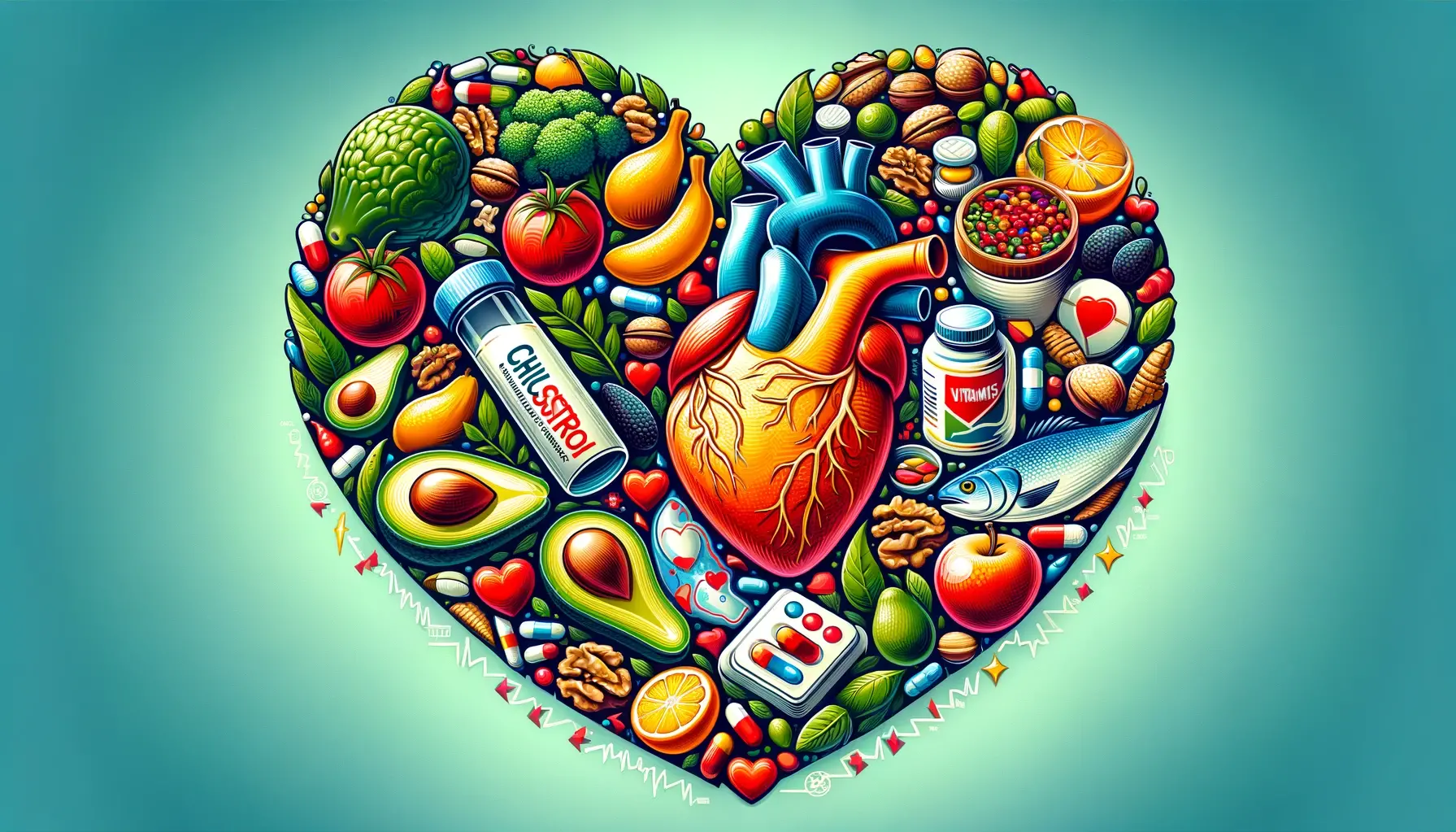
Are you looking for a natural way to lower your cholesterol levels? Look no further! In this comprehensive guide, you will discover a variety of natural supplements that have been shown to effectively reduce cholesterol levels. We will explore the benefits of these supplements, dosage recommendations, and potential side effects. Say goodbye to high cholesterol and hello to a healthier you with the help of this informative guide!

Understanding Cholesterol
What is cholesterol?
Cholesterol is a waxy substance that is found in the cells of your body. Although cholesterol is often portrayed as something harmful, it actually plays a vital role in the production of hormones, digestion of fats, and maintenance of cell membranes. Your body naturally produces cholesterol, but it can also be obtained through certain foods.
Different types of cholesterol
There are two main types of cholesterol: low-density lipoprotein (LDL) cholesterol and high-density lipoprotein (HDL) cholesterol. LDL cholesterol is often referred to as “bad” cholesterol because it can build up in your arteries and increase the risk of heart disease. On the other hand, HDL cholesterol is often called “good” cholesterol because it helps remove LDL cholesterol from your bloodstream.
Why is high cholesterol a concern?
Having high cholesterol levels can increase your risk of developing heart disease, stroke, and other cardiovascular problems. When there is too much LDL cholesterol in your blood, it can stick to the walls of your arteries and form plaque, which can eventually lead to blockages. These blockages can restrict blood flow and increase the risk of heart attacks and strokes. It is important to manage your cholesterol levels to maintain good heart health.
Diet and Lifestyle Changes
Importance of a healthy diet
Maintaining a healthy diet is crucial for managing cholesterol levels. A diet high in saturated fats, trans fats, and cholesterol can increase LDL cholesterol levels. On the other hand, a diet that is low in saturated fats and high in fiber, fruits, vegetables, whole grains, and lean proteins can help lower cholesterol levels and improve heart health.
What to include in a cholesterol-lowering diet
To lower cholesterol levels, it is important to include a variety of heart-healthy foods in your diet. This includes fruits like apples, berries, and citrus fruits, vegetables like broccoli, spinach, and kale, whole grains like oats and brown rice, and lean proteins like fish, poultry, and legumes. Additionally, incorporating healthy fats such as olive oil, avocados, and nuts can be beneficial for cholesterol management.
Foods to avoid
Certain foods can increase LDL cholesterol levels and should be limited in a cholesterol-lowering diet. These include saturated fats found in red meat, full-fat dairy products, and processed foods. Trans fats, often found in fried foods and baked goods, should also be avoided as they can raise LDL cholesterol levels. It is important to read food labels and choose healthier alternatives.
Benefits of regular exercise
Alongside a healthy diet, regular physical activity plays a key role in managing cholesterol levels. Exercise can increase HDL cholesterol, the “good” cholesterol, which helps remove LDL cholesterol from the bloodstream. Aim for at least 150 minutes of moderate-intensity aerobic activity or 75 minutes of vigorous-intensity activity each week to improve your cholesterol profile and overall cardiovascular health.
Tips for managing stress
Chronic stress can contribute to high cholesterol levels. Finding healthy ways to manage stress, such as practicing relaxation techniques, engaging in hobbies, and maintaining a strong support system, can positively impact cholesterol levels. It’s important to find what works best for you to alleviate stress and create a balanced lifestyle.
Herbal Supplements
Garlic
Garlic has been used for centuries in traditional medicine for its potential health benefits. Some studies suggest that garlic supplements may help lower LDL cholesterol levels. However, more research is needed to fully understand the effectiveness of garlic in managing cholesterol. If you’re considering garlic supplements, it’s best to consult with a healthcare professional.
Artichoke Leaf Extract
Artichoke leaf extract is another herbal supplement that has been studied for its potential cholesterol-lowering effects. Early research suggests that artichoke leaf extract may help reduce LDL cholesterol levels. However, more studies are needed to determine the optimal dosage and long-term effects of this supplement. Consult with a healthcare professional before adding artichoke leaf extract to your routine.
Fenugreek
Fenugreek is an herb that has been used in traditional medicine for a variety of purposes, including lowering cholesterol levels. Some studies suggest that fenugreek may help reduce LDL cholesterol and triglyceride levels. However, more research is needed to confirm these findings and determine the appropriate dosage for cholesterol management. It is important to consult with a healthcare professional before using fenugreek supplements.
Ginger
Ginger is a versatile herb that has been used for its medicinal properties. While research on ginger’s effect on cholesterol is limited, preliminary studies suggest that ginger may help lower LDL cholesterol and triglyceride levels. However, more research is needed to understand the potential benefits of ginger in managing cholesterol. As always, consult with a healthcare professional before taking ginger supplements.
Turmeric
Turmeric is a spice commonly used in cooking, and it is also known for its potential health benefits. Curcumin, the active compound in turmeric, has been studied for its cholesterol-lowering properties. Some research suggests that curcumin may help reduce LDL cholesterol levels. However, more studies are needed to confirm these findings and determine the optimal dosage. It is recommended to consult with a healthcare professional before incorporating turmeric supplements into your routine.
Omega-3 Fatty Acids
What are omega-3 fatty acids?
Omega-3 fatty acids are a type of polyunsaturated fat that is considered essential because our bodies cannot produce them on their own. They are important for overall health, including heart health.
Sources of omega-3 fatty acids
Omega-3 fatty acids can be obtained through both plant and animal sources. Fatty fish such as salmon, mackerel, and sardines are rich in omega-3 fatty acids. Plant-based sources include flaxseeds, chia seeds, walnuts, and algae-based supplements.
Effectiveness in lowering cholesterol
Research suggests that omega-3 fatty acids, particularly those found in fish oil supplements, may help lower LDL cholesterol levels. These supplements have been shown to reduce triglyceride levels and have additional benefits on heart health. However, more research is needed to determine the optimal dosage and long-term effects of omega-3 fatty acid supplementation. It is recommended to consult with a healthcare professional before starting any new supplements.
Plant Sterols and Stanols
What are plant sterols and stanols?
Plant sterols and stanols are naturally occurring substances found in plants. They are similar in structure to cholesterol and can help lower LDL cholesterol levels.
How do they lower cholesterol?
Plant sterols and stanols work by blocking the absorption of cholesterol in the intestines. As a result, less cholesterol is absorbed into the bloodstream, leading to lower LDL cholesterol levels.
Food sources and supplements
Plant sterols and stanols are naturally found in small amounts in various fruits, vegetables, nuts, and grains. However, it can be challenging to consume enough of these foods to have a significant impact on cholesterol levels. Therefore, fortified foods and supplements that contain concentrated levels of plant sterols and stanols are available. It is recommended to consult with a healthcare professional before incorporating these supplements into your routine.
Red Yeast Rice
What is red yeast rice?
Red yeast rice is a traditional Chinese fermented rice product that has been used for centuries. It contains naturally occurring substances called monacolins, one of which is similar in structure to statin medications used to lower cholesterol.
How does it work as a cholesterol-lowering supplement?
The active compound in red yeast rice, monacolin K, has been shown to inhibit the production of cholesterol in the liver. This can potentially lead to lower LDL cholesterol levels. However, the effectiveness of red yeast rice can vary, and the exact dosage of monacolin K can be difficult to determine in supplement form. It is important to consult with a healthcare professional before using red yeast rice as a cholesterol-lowering supplement.
Safety and potential side effects
While red yeast rice may be effective in lowering cholesterol, it is important to note that it can also have side effects similar to statin medications. These can include muscle pain, liver damage, and digestive issues. It is crucial to consult with a healthcare professional before using red yeast rice, especially if you are already taking cholesterol-lowering medications.
Coenzyme Q10
Role of coenzyme Q10 in the body
Coenzyme Q10, also known as CoQ10, is a naturally occurring compound found in every cell of the body. It plays a crucial role in energy production and acts as an antioxidant.
Benefits in relation to cholesterol levels
Some research suggests that taking CoQ10 supplements may help reduce LDL cholesterol levels and increase HDL cholesterol levels. It is believed that CoQ10 can help protect LDL cholesterol from oxidation, which can contribute to the development of atherosclerosis. However, further research is needed to fully understand the role of CoQ10 in managing cholesterol levels.
Possible interactions with medications
CoQ10 can interact with certain medications, including those commonly used to lower cholesterol, such as statins. It is important to consult with a healthcare professional before taking CoQ10 supplements if you are on any medications, to ensure there are no potential interactions or adverse effects.
Psyllium Husk
What is psyllium husk?
Psyllium husk is a soluble fiber derived from the seeds of the Plantago ovate plant. It is commonly used as a dietary supplement and is known for its potential health benefits, including lowering cholesterol levels.
How does it help lower cholesterol?
Psyllium husk works by binding to cholesterol and bile acids in the intestines, preventing their absorption into the bloodstream. This leads to a reduction in LDL cholesterol levels. Additionally, psyllium husk promotes healthy digestion and regular bowel movements.
Dosage and potential side effects
The recommended dosage of psyllium husk varies depending on the individual and their specific needs. It is important to start with a low dosage and gradually increase it while monitoring the effects on digestion. Potential side effects may include bloating, gas, and stomach discomfort. It is recommended to consult with a healthcare professional before starting psyllium husk supplementation.
Green Tea
Antioxidant properties of green tea
Green tea contains antioxidants known as catechins, which have been associated with numerous health benefits. These antioxidants help protect cells from damage caused by free radicals.
Potential cholesterol-lowering effects
Studies suggest that the catechins in green tea may help lower LDL cholesterol levels. Green tea has also been found to improve cholesterol ratios by increasing HDL cholesterol levels. While these effects are modest, incorporating green tea into a healthy diet and lifestyle may have additional benefits for heart health.
Other health benefits
In addition to its potential cholesterol-lowering effects, green tea has been studied for its potential benefits in reducing the risk of cardiovascular disease, improving blood sugar control, and promoting weight loss. Furthermore, green tea may also have anti-inflammatory and anti-cancer properties.
Considerations and precautions
While green tea is generally considered safe for most people, excessive consumption of caffeine from green tea can cause side effects such as sleep disturbances, irritability, and increased heart rate. It is recommended to limit consumption to moderate levels and avoid drinking green tea close to bedtime. Additionally, pregnant women, individuals with liver or kidney problems, and those taking certain medications should consult with a healthcare professional before consuming green tea.
Berberine
What is berberine?
Berberine is a compound found in various plants, including goldenseal, barberry, and Oregon grape. It has been used in traditional Chinese medicine for its potential health benefits.
Research on berberine and cholesterol
Research suggests that berberine may help lower LDL cholesterol levels and improve overall cholesterol profiles. It is believed that berberine works by inhibiting an enzyme involved in cholesterol synthesis, leading to reduced cholesterol production in the liver. Additional studies also suggest that berberine may help increase HDL cholesterol levels.
Dosage and potential side effects
The appropriate dosage of berberine varies depending on the individual and their specific needs. It is generally recommended to start with a low dosage and gradually increase it under the guidance of a healthcare professional. Common side effects of berberine may include digestive issues such as diarrhea and constipation. It is important to consult with a healthcare professional before starting berberine supplementation, particularly if you are taking any medications.
Precautions and interactions
Berberine may interact with certain medications, including those used to treat diabetes and high blood pressure. It is important to consult with a healthcare professional before starting berberine supplementation, especially if you have any underlying medical conditions or are taking any medications. They can provide guidance on dosage and potential interactions.
In conclusion, natural supplements can play a role in managing cholesterol levels and promoting heart health. However, it is important to remember that supplements should not replace a healthy diet and lifestyle. Incorporating a variety of heart-healthy foods, regular exercise, stress management techniques, and other lifestyle changes are fundamental in maintaining optimal cholesterol levels. Before starting any supplements, it is always best to consult with a healthcare professional to ensure they are safe and appropriate for your individual needs.