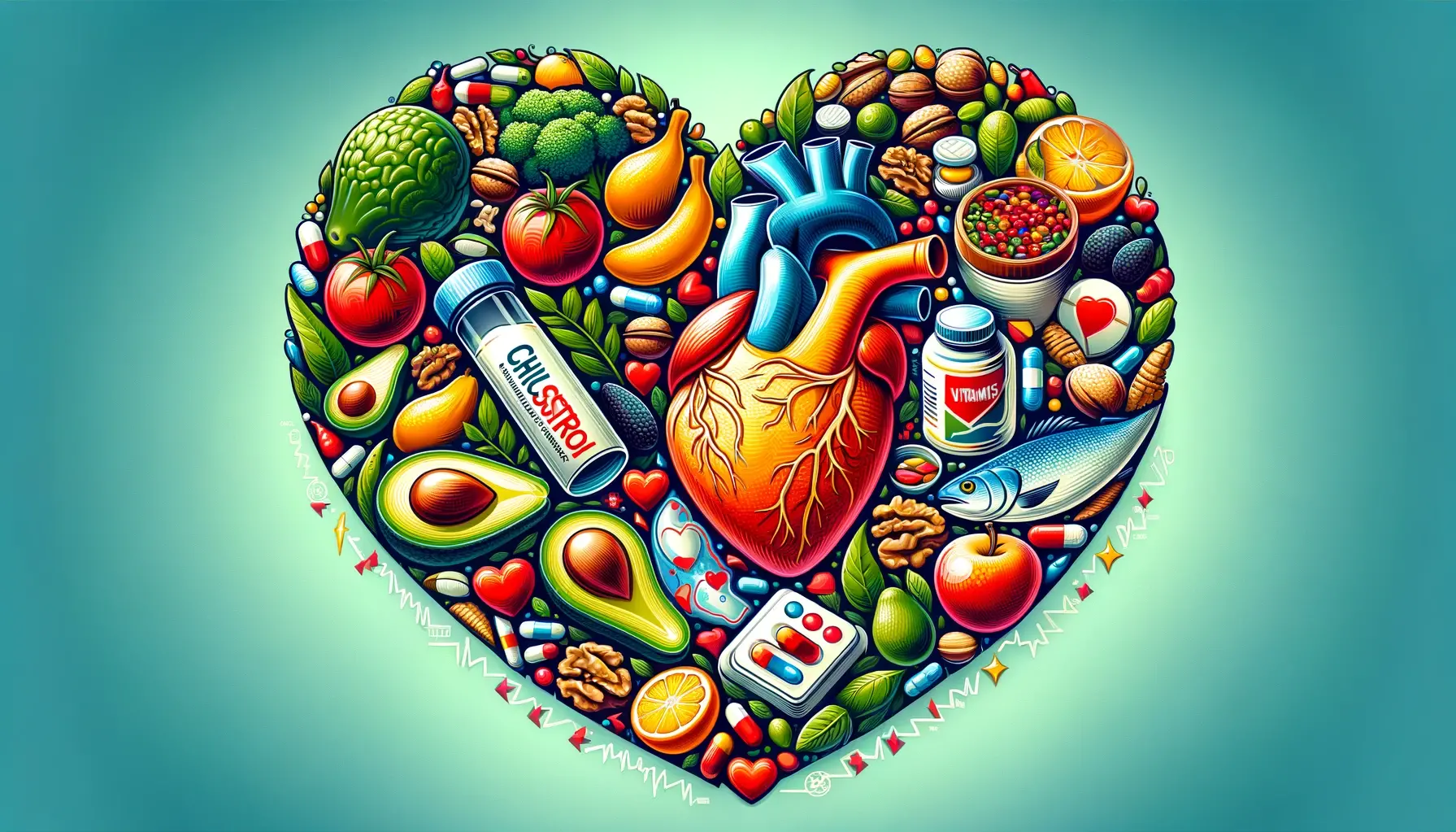
If you’re on the hunt for supplements that can help lower your cholesterol levels, it’s important to know what key ingredients to look for. While there are many options available on the market, not all supplements are created equal. In this article, we will explore the key ingredients that have been proven to be effective in lowering cholesterol and provide some tips on how to choose the right supplement for your needs. So, whether you’re aiming to improve your heart health or simply want to maintain healthy cholesterol levels, read on to discover the key ingredients that should be on your radar when purchasing supplements.

1. Omega-3 Fatty Acids
1.1 Overview of Omega-3 Fatty Acids
Omega-3 fatty acids are essential polyunsaturated fats that play a crucial role in maintaining overall heart health. These fats cannot be produced by your body, so it is important to obtain them through your diet or supplements. Omega-3 fatty acids consist of three main types: alpha-linolenic acid (ALA), eicosapentaenoic acid (EPA), and docosahexaenoic acid (DHA). They have been extensively studied for their potential to lower cholesterol levels and reduce the risk of heart disease.
1.2 Benefits of Omega-3 Fatty Acids for Lowering Cholesterol
Omega-3 fatty acids have been shown to have numerous benefits when it comes to lowering cholesterol levels. They can help decrease triglyceride levels, reduce the buildup of plaque in your arteries, and increase levels of high-density lipoprotein (HDL) cholesterol, which is considered “good” cholesterol. Additionally, omega-3 fatty acids have anti-inflammatory properties, which can further promote heart health and lower your overall risk of developing heart disease.
1.3 Common Sources of Omega-3 Fatty Acids in Supplements
While omega-3 fatty acids can be obtained through dietary sources such as fatty fish (salmon, tuna, mackerel), walnuts, flaxseeds, and chia seeds, many individuals choose to incorporate omega-3 supplements into their routine to ensure an adequate intake. Fish oil supplements are a popular option, as they contain high levels of EPA and DHA. Alternatively, plant-based options such as algal oil supplements, which are derived from marine algae, provide a vegan-friendly source of omega-3 fatty acids.
2. Plant Sterols and Stanols
2.1 Introduction to Plant Sterols and Stanols
Plant sterols and stanols are natural compounds found in plant-based foods such as fruits, vegetables, nuts, and legumes. These compounds have a structure similar to cholesterol and work by partially blocking the absorption of cholesterol in your intestines. As a result, your overall cholesterol levels can be reduced, specifically low-density lipoprotein (LDL) cholesterol, which is commonly referred to as “bad” cholesterol.
2.2 How Plant Sterols and Stanols Help Lower Cholesterol
Plant sterols and stanols have been extensively studied and have consistently shown to effectively lower LDL cholesterol levels. They work by reducing the amount of cholesterol that is absorbed from your diet, leading to decreased LDL cholesterol in your bloodstream. Research suggests that consuming 2-3 grams of plant sterols and stanols daily can lead to significant reductions in LDL cholesterol levels.
2.3 Finding Supplements with Adequate Plant Sterols and Stanols
When looking for supplements that contain plant sterols and stanols, it is essential to choose products that provide the recommended daily dosage. Ideally, a supplement should contain at least 800 mg of plant sterols and stanols per serving to ensure optimal cholesterol-lowering effects. Remember to read the product labels carefully and consult with a healthcare professional if you have any concerns or questions about proper dosage and usage.
3. Soluble Fiber
3.1 Understanding the Role of Soluble Fiber in Lowering Cholesterol
Soluble fiber is a type of fiber that dissolves in water and forms a gel-like substance in your digestive tract. It has been found to have significant benefits for cholesterol management. Soluble fiber works by binding to bile acids, which are made from cholesterol in your liver. By binding to these bile acids, soluble fiber helps your body eliminate more cholesterol through your feces, thus reducing the levels of LDL cholesterol in your bloodstream.
3.2 Sources of Soluble Fiber in Supplements
There are several sources of soluble fiber that are commonly found in cholesterol-lowering supplements. These include psyllium husk, oat bran, barley, and certain fruits and vegetables such as apples, citrus fruits, and carrots. When choosing a supplement, ensure that it contains an adequate amount of soluble fiber per serving, typically around 2-4 grams, to promote optimal cholesterol-lowering effects.
3.3 Recommended Dosage of Soluble Fiber for Cholesterol Management
The American Heart Association recommends consuming 25-30 grams of total dietary fiber per day, with at least 5-10 grams coming from soluble fiber. If you are using a supplement to increase your soluble fiber intake, it is important to follow the recommended dosage provided by the manufacturer. Taking too much soluble fiber can lead to digestive discomfort, so gradually increasing your intake and drinking plenty of water is advised.
4. Coenzyme Q10
4.1 Importance of Coenzyme Q10 in Cholesterol Management
Coenzyme Q10 (CoQ10) is a naturally occurring compound found in every cell of your body. It plays a vital role in energy production and acts as a powerful antioxidant. When it comes to cholesterol management, CoQ10 has been shown to have beneficial effects. Statin medications, commonly prescribed to lower cholesterol, can deplete CoQ10 levels, and supplementing with CoQ10 may help mitigate this depletion and support overall heart health.
4.2 Identifying Coenzyme Q10 in Supplement Labels
When looking for supplements that contain CoQ10, check the product labels for “Coenzyme Q10” or “Ubiquinol,” which is the active form of CoQ10. The recommended dosage of CoQ10 varies depending on individual needs, but a typical dosage for cholesterol management is around 100-200 mg per day. It is always advisable to consult with a healthcare professional to determine the appropriate dosage for you and any potential interactions with other medications you may be taking.
4.3 Recommended Dosage of Coenzyme Q10 for Cholesterol Management
The optimal dosage of CoQ10 for cholesterol management varies depending on individual circumstances, such as age, overall health, and the presence of any underlying medical conditions. It is recommended to start with a lower dosage and gradually increase it while closely monitoring your response. As always, consult with a healthcare professional to determine the appropriate dosage and ensure it aligns with your specific needs.

5. Garlic Extract
5.1 Impact of Garlic Extract on Cholesterol Levels
Garlic has been used for centuries for its medicinal properties and is believed to have cholesterol-lowering effects. Garlic extract supplements contain concentrated amounts of active compounds found in garlic, including allicin. Several studies have shown that garlic extract can help reduce total cholesterol and LDL cholesterol levels, making it a potentially beneficial supplement for individuals looking to manage their cholesterol levels.
5.2 Factors to Consider When Choosing Garlic Extract Supplements
Not all garlic extract supplements are created equal, so it is important to choose high-quality products. Look for products that are standardized to contain a specific amount of allicin or alliin, as these are the compounds responsible for the cholesterol-lowering effects. Additionally, consider the form of the supplement – aged garlic extract is a popular choice due to its tolerability and bioavailability. Always read the product labels and consult with a healthcare professional before starting any new supplement regimen.
5.3 Dosage and Safety of Garlic Extract Supplements
The recommended dosage of garlic extract supplements for cholesterol management may vary, but most studies have used a dosage range of 600-1,200 mg per day. It is essential to start with a lower dosage and gradually increase it while monitoring any potential side effects, such as gastrointestinal discomfort or allergic reactions. As with any supplement, it is advisable to consult with a healthcare professional to determine the appropriate dosage for your specific needs and to ensure it is safe for you to take.
6. Artichoke Leaf Extract
6.1 Role of Artichoke Leaf Extract in Lowering Cholesterol
Artichoke leaf extract is derived from the leaves of the artichoke plant and has been used traditionally for its medicinal properties. This extract contains compounds such as cynarin and flavonoids that are believed to have cholesterol-lowering effects. Research suggests that artichoke leaf extract can help reduce total cholesterol levels and increase HDL cholesterol, making it potentially beneficial for individuals aiming to manage their cholesterol levels.
6.2 Selecting High-Quality Artichoke Leaf Extract Supplements
When choosing artichoke leaf extract supplements, it is important to look for standardized products that contain a specific amount of cynarin. This ensures that you are getting a consistent and effective dosage. Additionally, consider the form of the supplement – standardized artichoke leaf extract capsules or tablets are the most commonly available options. As always, read the product labels carefully and consult with a healthcare professional before initiating any new supplement regimen.
6.3 Recommended Dosage of Artichoke Leaf Extract for Cholesterol Management
The recommended dosage of artichoke leaf extract for cholesterol management typically ranges from 600-1,800 mg per day, depending on the specific product and individual needs. It is advisable to start with a lower dosage and gradually increase it while closely monitoring your response. As with any supplement, it is important to consult with a healthcare professional to determine the appropriate dosage for your specific needs and to ensure its safety.

7. Resveratrol
7.1 Benefits of Resveratrol for Cholesterol Management
Resveratrol is a natural compound found in certain plants, such as grapes, berries, and peanuts. It has gained attention for its potential health benefits, including its role in cholesterol management. Resveratrol has been shown to have anti-inflammatory and antioxidant properties, which can help reduce LDL cholesterol oxidation and improve overall cardiovascular health.
7.2 Identifying Resveratrol in Supplement Products
When looking for supplements that contain resveratrol, check the product labels for “resveratrol” or “Polygonum cuspidatum extract,” which is another term for resveratrol. The recommended dosage of resveratrol varies depending on individual needs and specific health goals. However, dosages commonly range from 100-500 mg per day. As always, consult with a healthcare professional to determine the appropriate dosage for you and any potential interactions with other medications.
7.3 Optimal Dosage of Resveratrol for Cholesterol Management
The optimal dosage of resveratrol for cholesterol management depends on various factors, including age, overall health, and individual response. It is advisable to start with a lower dosage and gradually increase it while closely monitoring any potential side effects. As with any supplement, it is important to consult with a healthcare professional to determine the appropriate dosage for your specific needs and to ensure its safety.
8. Red Yeast Rice
8.1 Overview of Red Yeast Rice and its Role in Lowering Cholesterol
Red yeast rice is a traditional Chinese fermented rice product that has been used for centuries for its potential health benefits. It contains naturally occurring compounds called monacolins, one of which is known as monacolin K or lovastatin. Lovastatin is a statin medication often prescribed to lower cholesterol levels. Red yeast rice supplements can provide a natural source of lovastatin and may help lower LDL cholesterol levels.
8.2 Choosing Red Yeast Rice Supplements with Proper Standardization
When choosing red yeast rice supplements, look for standardized products that guarantee a specific amount of monacolin K, typically around 2-4 mg per serving. This ensures that you are getting a consistent dosage of the active compound responsible for the cholesterol-lowering effects. It is essential to read the product labels carefully and consult with a healthcare professional before starting any new supplement regimen.
8.3 Recommended Dosage of Red Yeast Rice for Cholesterol Management
The recommended dosage of red yeast rice for cholesterol management can vary depending on the concentration of monacolin K in the product and individual needs. However, a common dosage range is 1,200-2,400 mg per day, divided into two or three servings. As with any supplement, it is important to consult with a healthcare professional to determine the appropriate dosage for your specific needs, monitor your cholesterol levels regularly, and ensure its safety.
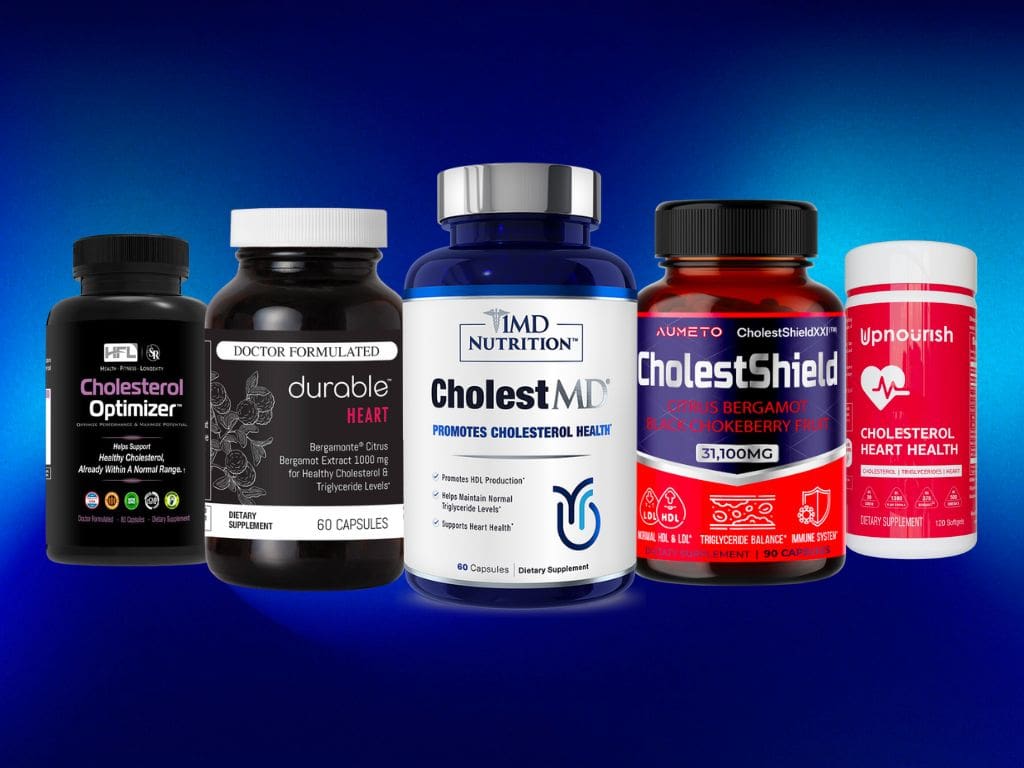
9. Niacin
9.1 Understanding Niacin and its Impact on Cholesterol Levels
Niacin, also known as vitamin B3, is an essential nutrient that plays a vital role in various metabolic processes in your body. It has been found to have significant effects on cholesterol levels. Niacin can increase HDL cholesterol, lower LDL cholesterol, and decrease triglyceride levels. It is commonly used in combination with statin medications to further optimize cholesterol management.
9.2 Selecting Niacin Supplements with Appropriate Formulations
When choosing niacin supplements, it is important to consider the formulation and type of niacin used. Immediate-release niacin is readily available but may cause flushing, a common side effect characterized by redness, warmth, and itching of the skin. However, extended-release niacin is designed to minimize flushing. It is essential to start with a low dosage and gradually increase it while closely monitoring any potential side effects. Consult with a healthcare professional to determine the appropriate formulation and dosage for your specific needs.
9.3 Important Considerations for Niacin Dosage
The optimal dosage of niacin for cholesterol management can vary depending on individual circumstances, such as age, overall health, and the presence of any underlying medical conditions. It is typically recommended to start with a lower dosage, around 250-500 mg per day, and gradually increase it while closely monitoring your response. Slow-release or extended-release formulations may allow for higher dosages, if necessary. Always consult with a healthcare professional to determine the appropriate dosage and ensure it aligns with your specific needs.
10. Green Tea Extract
10.1 Effects of Green Tea Extract on Cholesterol Levels
Green tea extract is derived from the leaves of the Camellia sinensis plant, which are rich in bioactive compounds called catechins. Research suggests that these catechins, particularly epigallocatechin gallate (EGCG), have potential cholesterol-lowering effects. Green tea extract has been shown to decrease total cholesterol and LDL cholesterol levels while increasing HDL cholesterol, making it a potentially beneficial supplement for cholesterol management.
10.2 Factors to Consider When Purchasing Green Tea Extract Supplements
When purchasing green tea extract supplements, it is important to consider the quality and potency of the product. Look for standardized products that indicate the percentage of catechins or the amount of EGCG present. It is advisable to choose supplements that contain higher levels of EGCG to maximize the potential cholesterol-lowering effects. As always, read the product labels carefully and consult with a healthcare professional before starting any new supplement regimen.
10.3 Optimal Dosage of Green Tea Extract for Cholesterol Management
The optimal dosage of green tea extract for cholesterol management can vary depending on the specific product and individual needs. However, a common dosage range is 200-500 mg of EGCG per day. It is important to start with a lower dosage and gradually increase it while monitoring any potential side effects, such as gastrointestinal discomfort or caffeine sensitivity. As with any supplement, consult with a healthcare professional to determine the appropriate dosage for your specific needs and to ensure its safety.
In conclusion, there are several key ingredients to look for when buying supplements for lowering cholesterol. Omega-3 fatty acids, plant sterols and stanols, soluble fiber, coenzyme Q10, garlic extract, artichoke leaf extract, resveratrol, red yeast rice, niacin, and green tea extract all have potential benefits in managing cholesterol levels. However, it is important to note that supplements should not replace a healthy diet and lifestyle. Always consult with a healthcare professional before starting any new supplement regimen to ensure it aligns with your specific needs and to monitor your overall health and well-being.
