
Looking to incorporate cholesterol-lowering vitamins into your vegetarian or vegan diet? We’ve got you covered! In this article, we will explore the best ways to ensure you’re getting all the essential nutrients while following a plant-based lifestyle. From exploring vitamin-rich food options to understanding the importance of supplements, you’ll discover practical tips to maintain a healthy cholesterol level and thrive on your vegetarian or vegan journey. So, let’s get started on this exciting and nutritious adventure!
Understanding Cholesterol and Its Effects
What is cholesterol?
Cholesterol is a waxy substance found in the cells of your body. It is produced in the liver and can also be obtained from certain foods. While cholesterol is necessary for the creation of hormones, vitamin D, and digestive fluids, having high levels of cholesterol can put you at risk for various health problems.
The importance of lowering cholesterol
Lowering cholesterol levels is crucial for maintaining good health and reducing the risk of heart disease. When there is an excess of cholesterol in the bloodstream, it can build up in the arteries, leading to blockages and an increased risk of heart attacks and strokes. By actively working to lower your cholesterol levels, you can improve your heart health and overall well-being.
Potential risks of high cholesterol levels
Having high levels of cholesterol can have several negative impacts on your health. It increases the risk of developing heart disease, atherosclerosis (hardening of the arteries), and stroke. High cholesterol levels can also contribute to the formation of blood clots and increase the workload on your heart. Taking steps to lower cholesterol levels is essential to reduce these risks and promote a healthy cardiovascular system.
Essential Cholesterol-Lowering Vitamins
Vitamin B3 (Niacin)
Vitamin B3, also known as niacin, plays a vital role in maintaining healthy cholesterol levels. It helps increase the levels of beneficial HDL cholesterol while decreasing harmful LDL and triglycerides. Niacin has been shown to lower total cholesterol and improve the overall lipid profile. Including niacin-rich foods or supplements in your diet can be beneficial for reducing cholesterol levels.
Vitamin C
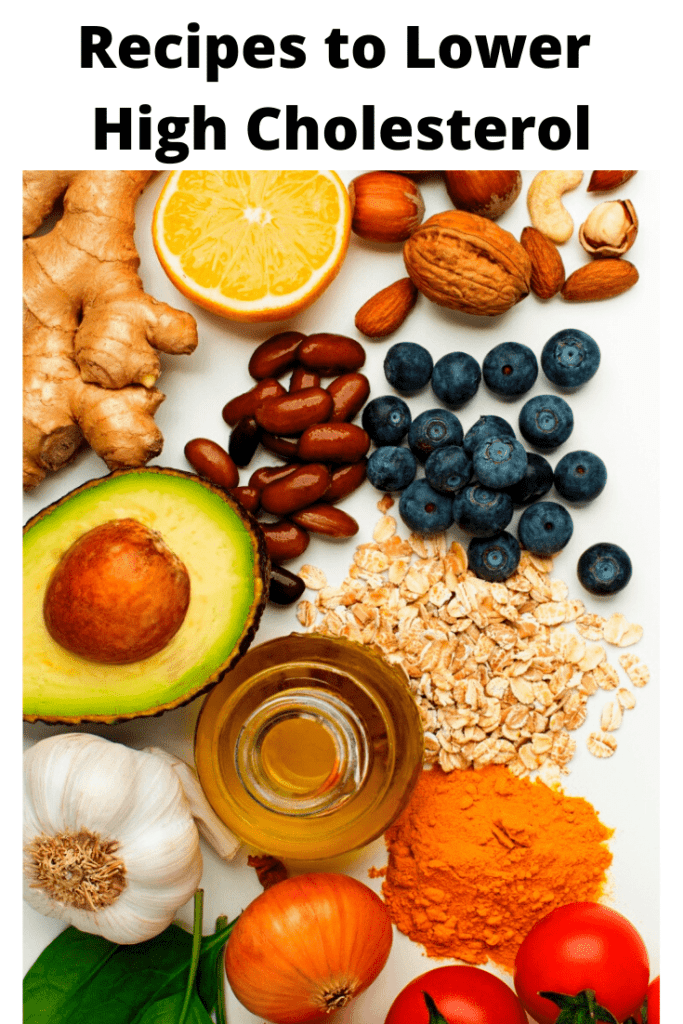
Vitamin C is not only essential for a strong immune system, but it also offers benefits for cholesterol management. This powerful antioxidant helps prevent the oxidation of LDL cholesterol, which is a crucial step in the development of plaque in the arteries. Including citrus fruits such as oranges, lemons, and grapefruits in your diet can help increase your vitamin C intake and support healthy cholesterol levels.
Vitamin E
Vitamin E is another potent antioxidant that plays a role in maintaining healthy cholesterol levels. It helps prevent the oxidation of LDL cholesterol, reducing the risk of plaque buildup in the arteries. Including vitamin E-rich foods such as almonds, sunflower seeds, and spinach in your diet can be beneficial for lowering cholesterol levels and promoting heart health.
Vitamin K
Vitamin K is essential for blood clotting and bone health, but it also offers benefits for cholesterol management. It helps regulate calcium, which is necessary for maintaining healthy blood vessels and preventing the buildup of unwanted plaque. Adding foods rich in vitamin K, such as dark leafy greens like kale and spinach, to your diet can support healthy cholesterol levels.
Plant-Based Food Sources of Cholesterol-Lowering Vitamins
Dark leafy greens rich in Vitamin K
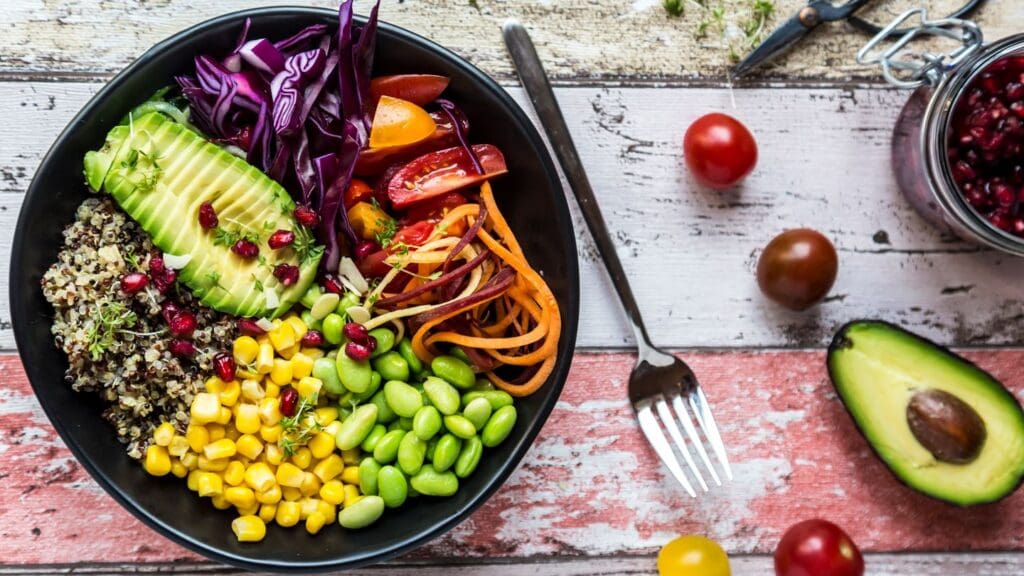
Dark leafy greens like kale, spinach, and Swiss chard are excellent sources of vitamin K. These vegetables are not only low in calories but also packed with fiber, antioxidants, and other essential nutrients. Including a variety of dark leafy greens in your diet can provide you with the vitamin K needed for cholesterol management and overall health.
Citrus fruits packed with Vitamin C
Citrus fruits such as oranges, lemons, and grapefruits are rich in vitamin C. These fruits not only add a burst of refreshing flavor to your meals but also help increase your vitamin C intake. Whether eaten as a snack, added to salads, or squeezed for juice, incorporating citrus fruits into your vegetarian or vegan diet can support healthy cholesterol levels.
Almonds and sunflower seeds for Vitamin E
Almonds and sunflower seeds are excellent sources of vitamin E. These nuts and seeds can be enjoyed as a snack, added to salads, or used as toppings for various dishes. Including a handful of almonds or sunflower seeds in your daily diet can provide you with the vitamin E necessary for cholesterol management.
Beans and legumes high in Vitamin B3
Beans and legumes such as lentils, chickpeas, and black beans are great sources of vitamin B3. These plant-based protein sources are not only cholesterol-free but also packed with fiber, minerals, and antioxidants. Including beans and legumes in your meals can help increase your intake of vitamin B3, supporting healthy cholesterol levels.
Incorporating Vitamin B3 (Niacin)
Choosing niacin-rich vegetarian or vegan food options
If you follow a vegetarian or vegan diet, there are plenty of niacin-rich food options available to you. Some examples include peanuts, mushrooms, tempeh, and whole grains such as brown rice and quinoa. These foods can be incorporated into your meals to ensure an adequate intake of vitamin B3 for cholesterol management.
The benefits and dosage of niacin supplements
In certain cases, niacin supplements may be recommended to help manage cholesterol levels. Niacin supplements, available in the form of tablets or capsules, can provide a higher concentration of niacin than food sources alone. It is important to consult with a healthcare professional before starting any supplementation and to follow the recommended dosage to ensure optimal results.
Boosting Vitamin C Intake
Consuming a variety of fruits and vegetables
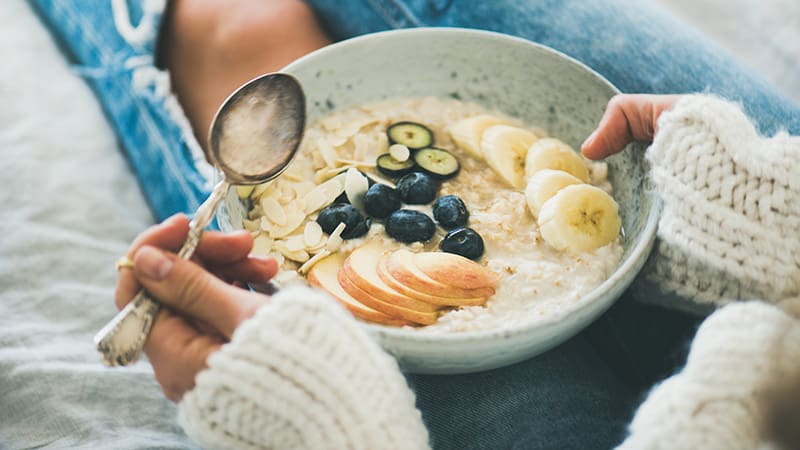
To increase your vitamin C intake, aim to consume a wide variety of fruits and vegetables. Include options such as strawberries, kiwi, bell peppers, broccoli, and tomatoes in your diet as they are rich in vitamin C. Incorporating a colorful assortment of fruits and vegetables will not only provide you with essential nutrients but also contribute to lowering cholesterol.
Opting for natural Vitamin C sources over supplements
While vitamin C supplements are available, it is generally recommended to obtain this nutrient from natural food sources. Whole foods not only provide vitamin C but also come with other beneficial compounds that work synergistically for better health. By choosing natural vitamin C sources such as fruits and vegetables, you can more effectively lower cholesterol and enhance overall well-being.
Getting Adequate Vitamin E
Including nuts and seeds in the diet
Nuts and seeds are excellent sources of vitamin E and can be easily incorporated into a vegetarian or vegan diet. Almonds, walnuts, sunflower seeds, and flaxseeds are some options to consider. Whether eaten as a snack, added to salads, or used in baking, these nutrient-rich foods can help increase your vitamin E intake and promote healthy cholesterol levels.
Using healthy oils like olive or sunflower oil for cooking
Cooking with healthy oils like olive or sunflower oil can also contribute to your vitamin E intake. Opt for these oils instead of saturated or trans fats to support heart health and cholesterol management. Using them in moderation while preparing meals can help ensure you receive adequate vitamin E for optimal cholesterol levels as part of your vegetarian or vegan diet.
Understanding the impact of heat on Vitamin E
It is important to note that excessive heat can destroy vitamin E. To retain the maximum amount of this nutrient in your food, consider incorporating raw or lightly cooked options in your diet. Adding vitamin E-rich nuts and seeds to salads or consuming them in their natural state can help preserve the vitamin E content and its benefits for cholesterol management.
Improving Vitamin K Levels
Choosing cruciferous vegetables like broccoli and Brussels sprouts
Cruciferous vegetables like broccoli, Brussels sprouts, and cabbage are excellent sources of vitamin K. Adding these vegetables to your vegetarian or vegan meals can increase your vitamin K intake while offering numerous health benefits. By including cruciferous vegetables in your diet, you can support healthy cholesterol levels and overall cardiovascular health.
Including fermented foods to enhance Vitamin K synthesis
In addition to consuming vitamin K-rich foods, incorporating fermented foods into your diet can also enhance vitamin K synthesis in the gut. Fermented foods such as sauerkraut, kimchi, and kombucha promote a healthy gut microbiome, which can aid in the production of vitamin K. Including these probiotic-rich foods can further support cholesterol management in your vegetarian or vegan diet.
Knowing the potential adverse effects of excess Vitamin K
While vitamin K is beneficial, it is crucial to be mindful of potential adverse effects when consuming large amounts. Excessive intake of vitamin K can interfere with certain medications, such as blood thinners. If you are on medication, it is essential to consult with your healthcare provider before significantly increasing your vitamin K consumption through supplementation or diet.
Considerations for Vegans
Alternative sources of B vitamins for vegans
Vegans can obtain B vitamins from various plant-based sources to support cholesterol management. Foods such as nutritional yeast, fortified soy and almond milk, whole grains, and fortified breakfast cereals are rich in B vitamins. Incorporating these alternatives into your diet can help ensure you meet your vitamin B requirements while following a vegan lifestyle.
Fortified foods and supplements for vegans
Fortified foods and supplements specifically designed for vegans are available to support overall nutrient intake, including cholesterol-lowering vitamins. Fortified plant-based milk, vegan spreads, and cereals can be excellent sources of B vitamins, including vitamin B3. Additionally, vegan-friendly supplements can provide a convenient way to meet individual nutrient needs, especially when dietary sources may be limited.
Balancing Macronutrients in a Vegetarian or Vegan Diet
Understanding the importance of a balanced macronutrient ratio
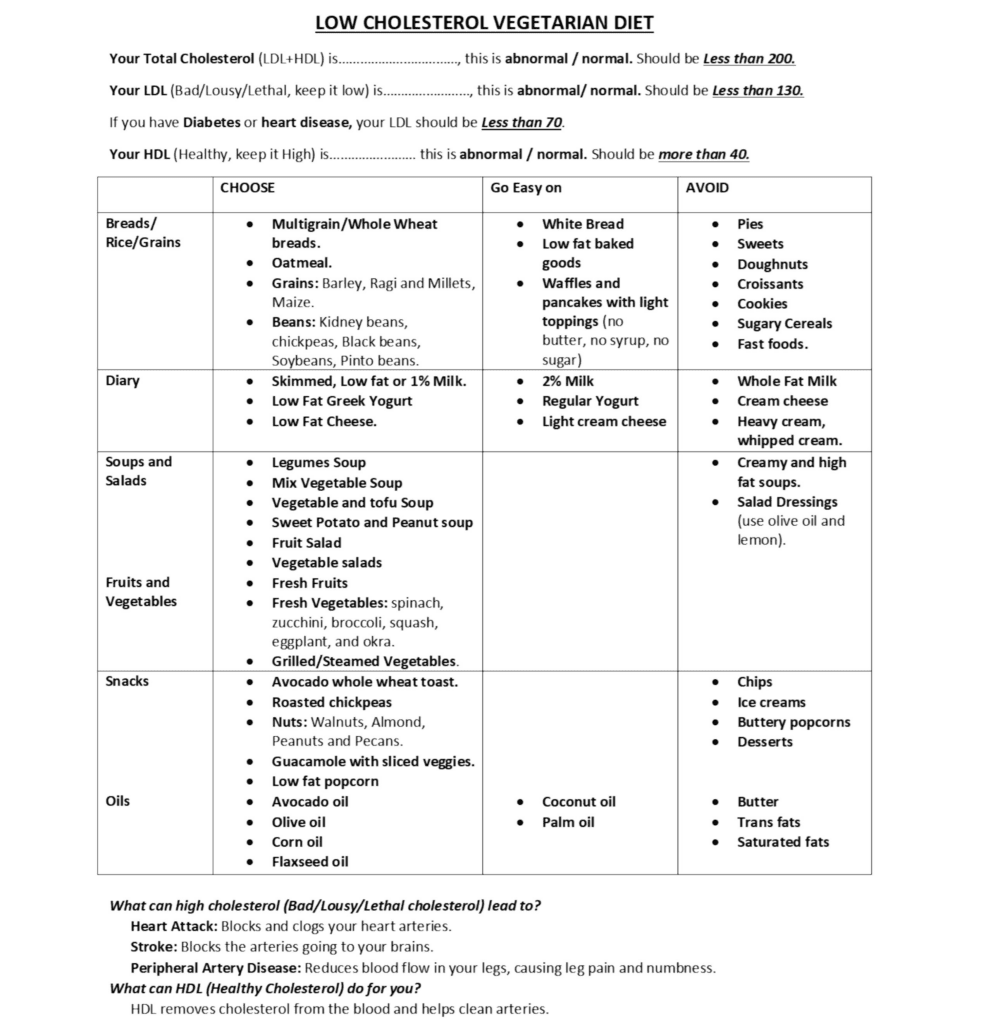
Maintaining a balanced macronutrient ratio is essential for overall health and cholesterol management in a vegetarian or vegan diet. While focusing on cholesterol-lowering vitamins, it is important not to neglect other macronutrients. Aim to consume a variety of plant-based proteins, healthy fats, and complex carbohydrates to support optimal cholesterol levels and overall well-being.
Combining plant-based protein sources with cholesterol-lowering vitamins
To maximize the cholesterol-lowering benefits of your vegetarian or vegan diet, consider combining plant-based protein sources with foods rich in cholesterol-lowering vitamins. For example, incorporating vitamin B3-rich legumes with dark leafy greens rich in vitamin K can provide a powerful combination. By strategically pairing these foods, you can optimize your nutrient intake and support healthy cholesterol levels.
Consulting with a Registered Dietitian
The benefits of seeking professional guidance
When it comes to managing cholesterol through diet, seeking guidance from a registered dietitian can be highly beneficial. A dietitian can provide personalized guidance based on your unique nutritional needs, medical history, and dietary preferences. They can help create a cholesterol-lowering plan tailored to your individual needs while ensuring that you obtain all necessary nutrients on a vegetarian or vegan diet.
Tailoring a cholesterol-lowering plan to individual dietary needs
A registered dietitian can help tailor a cholesterol-lowering plan that fits your dietary needs, whether vegetarian or vegan. They can assess your current eating habits, suggest modifications, and provide guidance on incorporating cholesterol-lowering vitamins through food choices or supplements. Having a personalized plan created by a professional can enhance your success in managing cholesterol levels and maintaining a healthy vegetarian or vegan lifestyle.
Incorporating cholesterol-lowering vitamins into a vegetarian or vegan diet is essential for maintaining optimal cholesterol levels and promoting heart health. By incorporating these vitamins through a variety of plant-based food sources and seeking guidance from a registered dietitian, you can effectively manage your cholesterol levels while enjoying the benefits of a vegetarian or vegan lifestyle. Remember, making small, sustainable changes can have a significant impact on your overall health and well-being.