

Are you looking for ways to make your diet more heart-healthy and low in cholesterol? Look no further! In this article, we will provide you with some valuable cooking tips that not only promote good heart health but are also delicious. From swapping unhealthy fats for healthier alternatives to incorporating more fruits and vegetables into your meals, these simple yet effective tips will help you create mouthwatering dishes that are good for your heart. So let’s get started and discover how you can make nutritious cooking a part of your everyday routine!
Choose heart-healthy oils and fats
Choosing the right oils and fats for cooking is essential for a heart-healthy, low-cholesterol diet. Two recommended options are olive oil and canola oil. These oils are rich in monounsaturated fats, which can help lower bad cholesterol levels in your body. When used in moderation, they can be a healthier alternative to saturated and trans fats. On the other hand, it is important to avoid or minimize the use of butter and margarine, as they contain high levels of saturated and trans fats that can increase your cholesterol levels.
Another great option for incorporating healthy fats into your diet is by including avocados and nuts. Avocados are a delicious and creamy fruit that is packed with monounsaturated fats. They can be used as a spread on toast or as a creamy addition to salads. Nuts, such as almonds, walnuts, and pistachios, are also a great source of healthy fats. They can be enjoyed as a snack or added to dishes like salads, stir-fries, or oatmeal.
Include plenty of fruits and vegetables
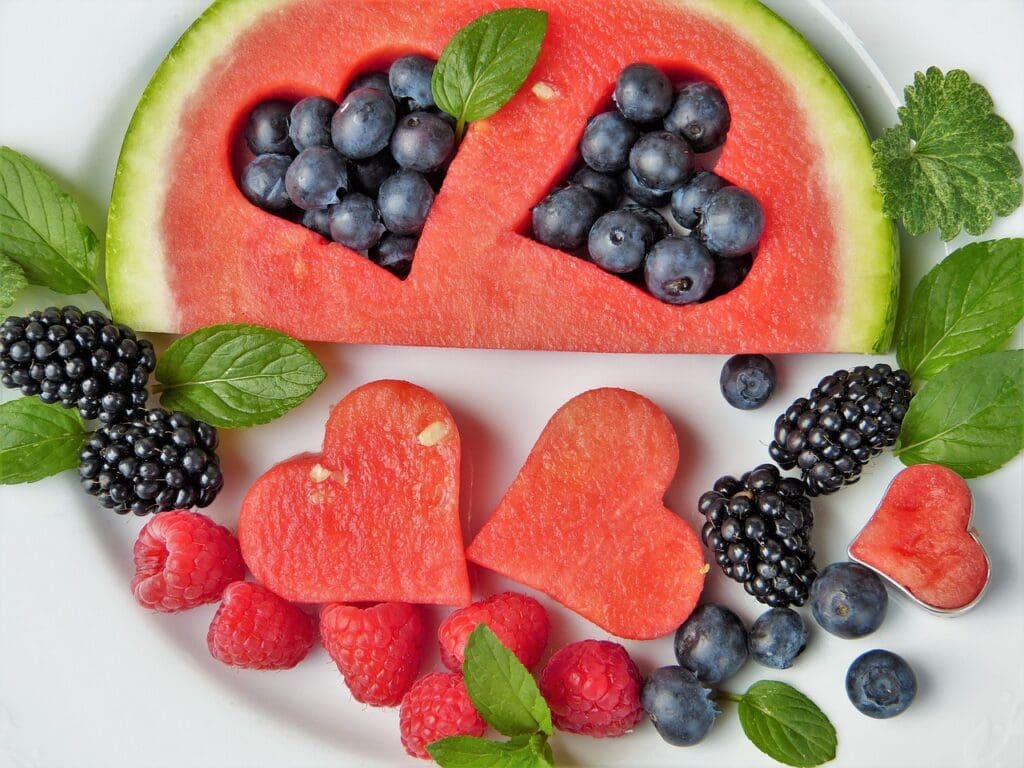
Fruits and vegetables are the cornerstone of a heart-healthy diet. They are rich in vitamins, minerals, and antioxidants that promote heart health and help lower cholesterol levels. To ensure you’re getting a variety of nutrients, it’s important to incorporate a wide range of colorful fruits and vegetables into your meals. Think greens like spinach and kale, vibrant berries, sweet bell peppers, and juicy tomatoes.
When preparing vegetables, it’s best to steam or lightly sauté them to retain their nutrients. Boiling can cause some vitamins to leach out into the water, so opting for these cooking methods can help preserve the beneficial properties of the veggies. Additionally, using fresh or frozen produce is generally better than canned options, as they tend to have lower sodium content and no added sugars.

Reduce sodium intake
Too much sodium in the diet can raise blood pressure and increase the risk of heart disease. To reduce your sodium intake, it’s important to carefully read food labels and choose low-sodium or sodium-free options whenever possible. Many packaged and processed foods contain high amounts of sodium, so being aware of the sodium content can help you make healthier choices.
Instead of relying on salt to enhance flavor, try using herbs, spices, and citrus juices. These natural flavor enhancers can add depth and complexity to your dishes without the need for additional sodium. Experiment with different combinations to find your favorite flavor profiles and make your meals more exciting.
Choose lean protein sources
Including lean protein sources in your meals is important for a heart-healthy diet. Skinless poultry, such as chicken and turkey, are excellent options as they are low in saturated fat. Fish, especially fatty fish like salmon, tuna, and mackerel, are rich in omega-3 fatty acids which can help lower cholesterol levels and reduce the risk of heart disease. Legumes, such as beans, lentils, and chickpeas, are also great sources of protein and fiber.
When preparing meat, it’s important to trim visible fat before cooking. This can help reduce the amount of saturated fat in your meals. Additionally, it’s advised to limit consumption of processed meats, such as sausages, bacon, and deli meats, as they are often high in sodium and unhealthy fats.
Opt for whole grains
Choosing whole grains over refined grains is a smart move for a heart-healthy diet. Whole grain options such as whole wheat bread, pasta, and rice are rich in fiber, vitamins, and minerals. These nutrients not only support heart health, but also help regulate blood sugar levels and promote healthy digestion.
Quinoa, brown rice, and oats are also great additions to a heart-healthy diet. Quinoa is a complete protein and a good source of fiber, while brown rice and oats provide a good dose of complex carbohydrates. These whole grains can be used in a variety of dishes, from salads and stir-fries to porridge and baked goods.
On the other hand, it’s important to avoid processed grains and products with added sugars. These can contribute to weight gain and increase the risk of heart disease. Opt for whole, unprocessed grains whenever possible for optimal health benefits.
Limit saturated and trans fats
Saturated and trans fats are known to raise bad cholesterol levels in the body, increasing the risk of heart disease. It’s important to choose lean cuts of meat and remove visible fat before cooking. This will help reduce the amount of saturated fat in your meals.
Fried foods and commercially baked goods such as cookies, cakes, and pastries are often high in unhealthy fats. It’s best to avoid these foods or enjoy them in moderation. When reading food labels, look for products that do not contain hydrogenated oils, as these are a source of trans fats.

Cooking techniques for a heart-healthy diet
The way you cook your food also plays a role in maintaining a heart-healthy diet. Instead of frying food, opt for grilling, baking, or broiling. These cooking methods require minimal added fats and help retain the natural flavors of the ingredients.
When sautéing or steaming, use minimal oil or cooking sprays to keep the added fats to a minimum. This not only reduces the calorie content of your dishes but also prevents the unnecessary addition of unhealthy fats.
Deep-frying and pan-frying with excessive amounts of oil should be avoided, as they can increase the calorie and fat content of your meals significantly. Choose healthier cooking methods and enjoy the natural flavors of your ingredients.
Practice portion control
Maintaining proper portion sizes is crucial for a heart-healthy diet. Using measuring cups and spoons can help you control portion sizes and prevent overeating. It’s important to be mindful of portion sizes, as even healthy foods can contribute to weight gain if consumed in excessive amounts.
Another tip for portion control is to avoid oversized plates and bowls. Using smaller plates and bowls can help trick your mind into thinking you’re eating more, even when the portion sizes are smaller. This can be particularly helpful if you’re trying to lose weight or maintain a healthy weight.
Additionally, it’s essential to be mindful of calorie-dense foods. While they may be healthy and nutritious, foods like nuts, seeds, and oils are high in calories and should be consumed in moderation. Balancing your portion sizes and choosing foods wisely will help you maintain a healthy weight and prevent heart disease.

Minimize added sugars
Consuming excessive amounts of added sugars can increase the risk of obesity, diabetes, and heart disease. It’s important to limit consumption of sugary drinks, such as soda, energy drinks, and fruit juices. These beverages are often high in calories and lack nutritional value.
Instead of using refined sugars to sweeten your food and drinks, opt for fresh fruits. Fresh fruits not only add natural sweetness but also provide important vitamins, minerals, and fiber. Incorporating fruits into your diet can satisfy your sweet tooth while keeping your heart health in check.
When reading food labels, pay attention to the amount of added sugars in the products. Avoid foods that have high amounts of added sugars and opt for healthier alternatives.
Make smart substitutions
Making smart substitutions in your cooking can significantly improve the heartiness of your diet. For instance, instead of using sour cream in recipes, try swapping it with Greek yogurt. Greek yogurt is lower in fat and higher in protein, making it a healthier choice for dips, dressings, and baked goods.
Replacing whole eggs with egg whites or egg substitutes is another smart substitution. Egg whites are lower in cholesterol and saturated fat compared to whole eggs, making them a heart-healthy choice. Egg substitutes, made from egg whites and other ingredients, provide a similar texture and taste to eggs while containing less cholesterol and fat.
Choosing low-fat or fat-free dairy products is also recommended for a heart-healthy diet. Opt for skim milk, low-fat yogurt, and reduced-fat cheese to enjoy the benefits of dairy without the added fat and cholesterol.
By implementing these smart substitutions, you can enjoy your favorite dishes while promoting heart health and reducing your cholesterol intake.
