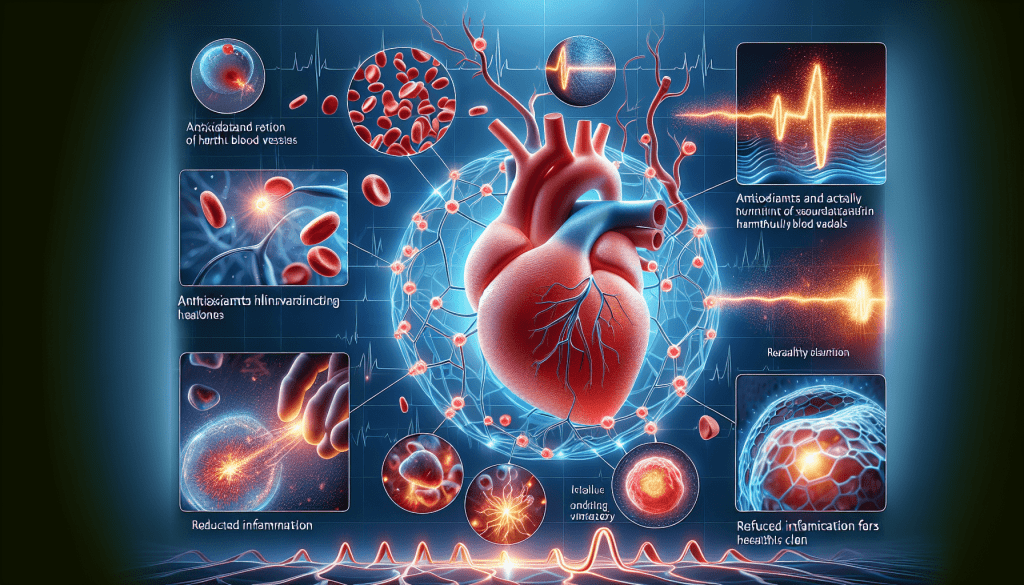
In this article, you will discover the crucial role that antioxidants play in maintaining a healthy heart and managing cholesterol levels. With the increasing prevalence of heart disease and the detrimental effects of high cholesterol, understanding how antioxidants can positively impact your cardiovascular health is more important than ever. By exploring the powerful benefits of antioxidants and their ability to combat harmful free radicals, you will gain valuable insights into incorporating these essential nutrients into your daily routine. Join us as we delve into the fascinating world of antioxidants and their significant role in supporting heart health and managing cholesterol.
What are antioxidants?
Antioxidants are substances that help protect the body from damage caused by harmful molecules called free radicals. Free radicals are produced naturally in the body and can also be found in certain environmental factors such as tobacco smoke, pollution, and radiation. These free radicals can damage cells and contribute to the development of various diseases, including heart disease.
Definition
Antioxidants are molecules that neutralize free radicals by donating an electron to stabilize them. They help prevent or slow down the damage caused by oxidative stress, a process that occurs when there is an imbalance between free radicals and the body’s ability to counteract them.
Types of antioxidants
There are several types of antioxidants, each with its own unique benefits. Some of the most well-known ones include:
-
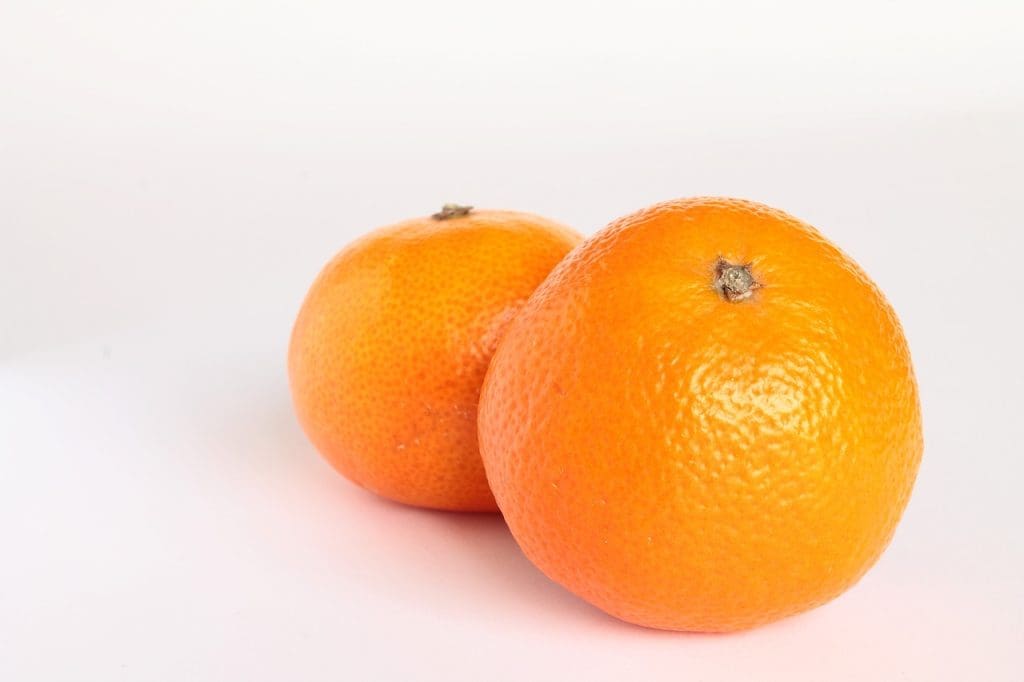
Vitamin C: Found in citrus fruits, strawberries, and bell peppers, vitamin C is a powerful antioxidant that protects against cellular damage and strengthens the immune system.
-
Vitamin E: Found in nuts, seeds, and vegetable oils, vitamin E helps protect cell membranes from oxidative damage and supports healthy blood circulation.
-
Beta-carotene: Found in orange and yellow fruits and vegetables, beta-carotene is converted into vitamin A in the body and has been shown to reduce the risk of heart disease.
-
Polyphenols: Found in green tea, dark chocolate, and berries, polyphenols have been associated with a reduced risk of heart disease due to their antioxidant and anti-inflammatory properties.
-
CoQ10: Found in meat, fish, and whole grains, CoQ10 plays a crucial role in energy production within cells and helps protect against oxidative stress.
-
Lycopene: Found in tomatoes, watermelon, and pink grapefruit, lycopene is known for its antioxidant properties and has been linked to a lower risk of heart disease.
Heart health and cholesterol management
Importance of heart health
Maintaining a healthy heart is vital for overall well-being. The heart is responsible for pumping oxygen-rich blood to all parts of the body, supplying essential nutrients and removing waste products. A healthy heart helps ensure that all organs and tissues receive the oxygen and nutrients they need to function properly.
The link between cholesterol and heart disease
Cholesterol is a waxy substance found in the bloodstream and cells of the body. While it is necessary for several bodily functions, such as hormone production and cell membrane formation, high levels of cholesterol can lead to the development of heart disease. Excess cholesterol can build up in the arteries, forming plaques that narrow the blood vessels and restrict blood flow. This can eventually lead to heart attacks and strokes.

Understanding oxidative stress
Definition of oxidative stress
Oxidative stress occurs when there is an imbalance between the production of free radicals and the body’s ability to neutralize them. It is a physiological process that can result from various factors such as pollution, poor diet, smoking, and stress. When oxidative stress is not properly regulated, it can contribute to the development of chronic diseases, including heart disease.
Effects of oxidative stress on the heart
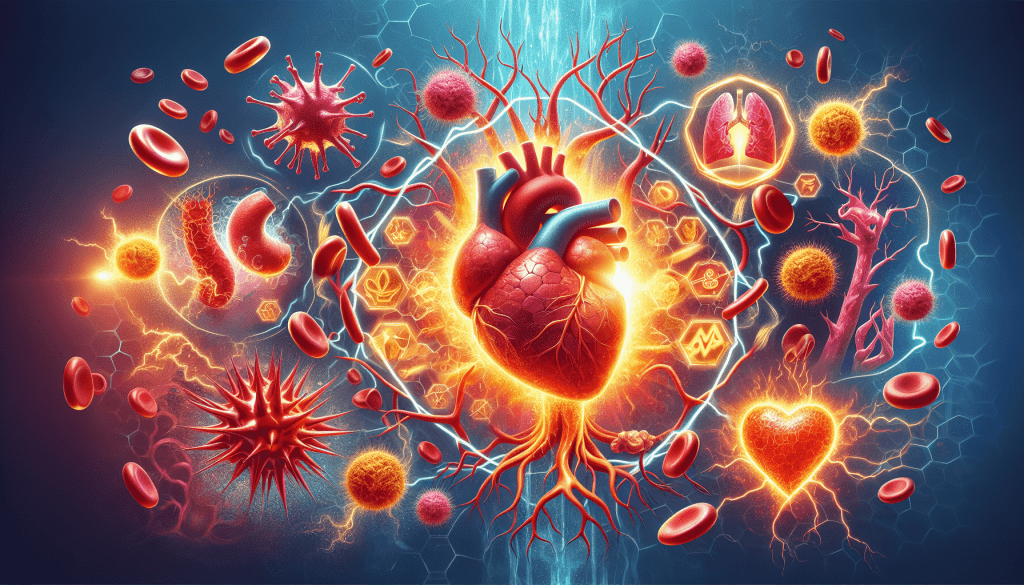
Oxidative stress can have detrimental effects on the heart and cardiovascular system. It can promote inflammation, damage cells, contribute to the formation of arterial plaques, and impair the function of blood vessels. Over time, this can increase the risk of developing heart disease and other cardiovascular conditions.
Role of antioxidants in combating oxidative stress
Antioxidants play a crucial role in combating oxidative stress. They help neutralize free radicals and reduce the damage they can cause to cells and tissues. By doing so, antioxidants help protect the heart and cardiovascular system from the harmful effects of oxidative stress. Incorporating foods rich in antioxidants into your diet can help maintain a healthy balance and reduce the risk of developing heart disease.
Antioxidants and cholesterol management
Types of cholesterol
There are two main types of cholesterol: low-density lipoprotein (LDL) cholesterol, also known as “bad” cholesterol, and high-density lipoprotein (HDL) cholesterol, also known as “good” cholesterol. High levels of LDL cholesterol can increase the risk of heart disease, while high levels of HDL cholesterol can have a protective effect.
Impact of antioxidants on cholesterol levels
Studies have shown that certain antioxidants can help improve cholesterol levels and reduce the risk of heart disease. They can help raise levels of HDL cholesterol while lowering levels of LDL cholesterol, therefore promoting a healthier cholesterol profile.
Lowering LDL cholesterol with antioxidants
Antioxidants such as vitamin E, beta-carotene, and polyphenols have been found to have cholesterol-lowering effects. They can inhibit the oxidation of LDL cholesterol, which is a key step in the development of arterial plaques. By reducing LDL oxidation, antioxidants can help lower LDL cholesterol levels and reduce the risk of plaque formation.

The role of specific antioxidants
Vitamin C
Vitamin C is a potent antioxidant that helps protect against oxidative stress and inflammation. It has been associated with a lower risk of heart disease and may help improve blood vessel function and reduce blood pressure.
Vitamin E
Vitamin E is a powerful antioxidant that helps protect cell membranes from oxidative damage. It has been shown to have positive effects on cholesterol levels, reducing LDL oxidation and improving overall cardiovascular health.
Beta-carotene
Beta-carotene is converted into vitamin A in the body and has been linked to a reduced risk of heart disease. It acts as an antioxidant and helps protect against oxidative stress and inflammation.
Polyphenols
Polyphenols, found in various plant-based foods, have been associated with a reduced risk of heart disease. They have antioxidant and anti-inflammatory properties that help protect against oxidative stress and promote cardiovascular health.
CoQ10
CoQ10 is a naturally occurring enzyme that plays a critical role in cellular energy production. It also acts as an antioxidant and helps protect against oxidative stress. CoQ10 has been shown to have beneficial effects on heart health, particularly in individuals with heart failure.
Lycopene
Lycopene is a carotenoid pigment found in red fruits and vegetables. It is a potent antioxidant that has been linked to a lower risk of heart disease. By neutralizing free radicals, lycopene helps protect against oxidative stress and supports cardiovascular health.
Food sources of antioxidants
Fruits and vegetables
Fruits and vegetables are excellent sources of antioxidants. Berries, citrus fruits, leafy greens, and colorful vegetables are particularly rich in antioxidants such as vitamin C, beta-carotene, and polyphenols.
Nuts and seeds
Nuts and seeds, including almonds, walnuts, flaxseeds, and chia seeds, are packed with antioxidants, including vitamin E and polyphenols. They make for a great snack or addition to meals to boost antioxidant intake.
Whole grains
Whole grains, such as oats, quinoa, and brown rice, contain antioxidants like polyphenols and CoQ10. They provide a good source of fiber and can contribute to a heart-healthy diet.
Herbs and spices
Herbs and spices such as turmeric, ginger, cinnamon, and oregano are rich in antioxidants. They not only add flavor to meals but also provide health benefits to support heart health.
Green tea
Green tea is a popular beverage that contains high levels of antioxidants, including catechins and polyphenols. Drinking green tea regularly can contribute to overall antioxidant intake and promote heart health.
Supplements and antioxidants
Advantages and disadvantages of antioxidant supplements
While incorporating a variety of antioxidant-rich foods into your diet is the best way to obtain antioxidants, some individuals may consider taking antioxidant supplements. These supplements can provide concentrated doses of antioxidants but should not replace a healthy diet. It is important to note that supplements are not regulated in the same way as medications and may vary in quality and effectiveness.
Recommended antioxidant intake
The recommended daily intake of antioxidants varies depending on age, sex, and overall health. It is generally recommended to consume a wide variety of antioxidant-rich foods to ensure an adequate intake. Consultation with a healthcare professional can help determine individual antioxidant needs.
Antioxidants and heart disease prevention
Reducing the risk of heart disease
Incorporating antioxidants into the diet can help reduce the risk of heart disease. Antioxidants protect against oxidative stress, inflammation, and the development of arterial plaques. By maintaining a healthy balance of antioxidants in the body, the risk of heart disease can be minimized.
Antioxidants and blood pressure
High blood pressure is a significant risk factor for heart disease. Studies have shown that antioxidants, particularly vitamin C, can help lower blood pressure levels. By reducing blood pressure, antioxidants contribute to better heart health.
Antioxidants and arterial health
Arterial health is crucial for the prevention of heart disease. Antioxidants have been shown to improve arterial function, reduce arterial stiffness, and enhance blood vessel dilation. By promoting arterial health, antioxidants support overall cardiovascular wellness.
Lifestyle choices for heart health
Regular exercise
Regular exercise plays a vital role in maintaining cardiovascular health. It not only helps strengthen the heart and improve blood circulation but also reduces the risk of heart disease. Engaging in moderate-intensity aerobic exercise for at least 150 minutes per week is recommended.
Balanced diet
A balanced diet rich in fruits, vegetables, whole grains, lean proteins, and healthy fats is essential for heart health. Including a variety of antioxidant-rich foods in your daily meals can help support a healthy heart and cholesterol management.
Maintaining a healthy weight
Maintaining a healthy weight is crucial for reducing the risk of heart disease. Excess body weight, especially around the waistline, can contribute to high cholesterol levels and increase the strain on the heart. Adopting a balanced diet and engaging in regular physical activity can help achieve and maintain a healthy weight.
Limiting alcohol consumption
Excessive alcohol consumption can have detrimental effects on the heart. It can lead to high blood pressure, abnormal heart rhythms, and damage to the heart muscle. Limiting alcohol intake to moderate levels (up to one drink per day for women and up to two drinks per day for men) is recommended for heart health.
Avoiding smoking
Smoking is a major risk factor for heart disease. It damages the blood vessels, reduces blood circulation, and increases the risk of blood clots. Quitting smoking and avoiding exposure to secondhand smoke are essential for a healthy heart.
Conclusion
The role of antioxidants in heart health and cholesterol management cannot be overstated. By neutralizing free radicals and protecting against oxidative stress, antioxidants play a crucial role in maintaining a healthy heart and preventing heart disease. Incorporating a variety of antioxidant-rich foods into your diet, along with adopting a heart-healthy lifestyle, can help support overall cardiovascular wellness. Remember to consult with a healthcare professional for personalized advice and guidance on incorporating antioxidants into your daily routine.