Have you ever wondered if all the information you’ve heard about cholesterol-lowering diets is true? In this article, we will debunk common misconceptions surrounding these diets, giving you a clear and accurate understanding of what they entail. It’s time to set the record straight and provide you with the knowledge you need to make informed decisions about your health. Let’s separate fact from fiction and uncover the truth about cholesterol-lowering diets.
Misconception 1: All fats are bad for cholesterol levels
Saturated fats vs. unsaturated fats
One common misconception is that all fats are bad for cholesterol levels. However, it’s important to understand the difference between saturated fats and unsaturated fats. Saturated fats, found primarily in animal products such as red meat and full-fat dairy, have been shown to raise LDL cholesterol levels, which is often referred to as “bad” cholesterol. On the other hand, unsaturated fats, found in foods like avocados, nuts, and olive oil, have been found to have a positive impact on cholesterol levels by increasing the levels of HDL cholesterol, often referred to as “good” cholesterol.
Importance of consuming healthy fats
Consuming healthy fats is an essential part of a cholesterol-lowering diet. It’s important to replace saturated fats with healthier options, such as monounsaturated and polyunsaturated fats. These fats not only promote healthy cholesterol levels but also provide other important benefits, such as reducing the risk of heart disease and inflammation. Including sources of healthy fats in your diet, such as fatty fish, nuts, and seeds, can help improve your cholesterol profile and overall heart health.
Role of dietary cholesterol in cholesterol levels
Another misconception is that consuming foods high in dietary cholesterol directly affects blood cholesterol levels. However, research has shown that dietary cholesterol only has a modest impact on blood cholesterol levels for most individuals. The liver, not dietary cholesterol, plays a more significant role in regulating blood cholesterol levels. Therefore, it is more important to focus on reducing saturated and trans fats, as well as increasing intake of soluble fiber and healthy fats, rather than solely restricting dietary cholesterol intake.
Misconception 2: A cholesterol-lowering diet means cutting out all high-cholesterol foods
Understanding the difference between dietary cholesterol and blood cholesterol
It is important to understand the difference between dietary cholesterol and blood cholesterol. Dietary cholesterol refers to the cholesterol found in foods, while blood cholesterol refers to the cholesterol present in our bloodstream. While it is true that consuming foods high in dietary cholesterol can raise blood cholesterol levels in some people, the impact varies among individuals. For most individuals, the main concern lies in consuming excessive saturated and trans fats, rather than foods high in cholesterol. Cutting out all high-cholesterol foods is not necessary, especially if they are part of a nutritious overall diet.
The impact of cholesterol-rich foods on cholesterol levels
Cholesterol-rich foods, such as eggs and shellfish, have long been mistakenly considered detrimental to heart health due to their cholesterol content. However, current research suggests that for most people, moderate consumption of cholesterol-rich foods does not significantly impact blood cholesterol levels. In fact, eggs, a classic example of a high-cholesterol food, are packed with essential nutrients, including proteins, vitamins, and minerals. Incorporating cholesterol-rich foods in moderation can be part of a healthy cholesterol-lowering diet without negatively affecting cholesterol levels.
Incorporating moderation and balance
Rather than completely eliminating high-cholesterol foods from your diet, it is more important to focus on moderation and balance. Including a wide variety of nutrient-dense foods, such as fruits, vegetables, whole grains, lean proteins, and healthy fats, can provide a well-rounded diet that supports heart health. It is all about achieving a balance between different food groups and making mindful choices about portion sizes and cooking methods. By doing so, you can enjoy a cholesterol-lowering diet while still indulging in your favorite high-cholesterol foods occasionally.

Misconception 3: A cholesterol-lowering diet is overly restrictive
Variety of food options available
One common misconception is that a cholesterol-lowering diet is overly restrictive and limits food choices. However, the truth is that there are numerous food options available that can help lower cholesterol levels while still maintaining a flavorful and varied diet. Focusing on whole foods, such as fruits, vegetables, whole grains, lean proteins, and healthy fats, can provide a wide range of options to create delicious and satisfying meals.
Focus on whole foods
A key aspect of a cholesterol-lowering diet is focusing on whole foods rather than processed foods. Whole foods are not only rich in essential nutrients but also generally low in saturated and trans fats. Incorporating foods like fresh fruits and vegetables, whole grains, legumes, and lean proteins can provide the foundation for a heart-healthy diet. By choosing whole foods, you can optimize your nutrient intake while naturally reducing your intake of unhealthy fats and cholesterol.
Adapting recipes and cooking methods
Adapting recipes and cooking methods is another way to make a cholesterol-lowering diet more enjoyable and less restrictive. You can experiment with different herbs, spices, and low-sodium seasonings to add flavor to your meals without relying on unhealthy additives. Additionally, replacing saturated fats like butter with heart-healthy alternatives, such as olive oil or avocado oil, can reduce the overall saturated fat content of your favorite recipes. Exploring and incorporating new cooking techniques, such as baking, grilling, or steaming, can also help create delicious and nutritious meals while reducing the need for excessive added fats.
Misconception 4: Only certain foods can help lower cholesterol levels
Foods rich in soluble fiber
There is a misconception that only specific foods can help lower cholesterol levels. However, incorporating certain foods into your diet can have a positive impact on cholesterol levels. One crucial group of foods is those rich in soluble fiber. Soluble fiber acts like a sponge in your digestive system, binding to cholesterol and preventing its absorption into the bloodstream. Foods such as oats, barley, legumes, fruits, and vegetables are excellent sources of soluble fiber. Including these foods in your daily meals can contribute to reducing LDL cholesterol levels.
Healthy sources of omega-3 fatty acids
Another group of foods that can help lower cholesterol levels is those rich in omega-3 fatty acids. Omega-3 fatty acids are a type of polyunsaturated fat that has been shown to have heart-healthy benefits, including reducing inflammation and improving cholesterol levels. Fatty fish, such as salmon, mackerel, and sardines, are excellent sources of omega-3 fatty acids. Alternatively, incorporating plant-based sources like flaxseeds, chia seeds, and walnuts can provide a similar benefit for individuals following a vegetarian or vegan diet.
Nuts and their beneficial effects on cholesterol
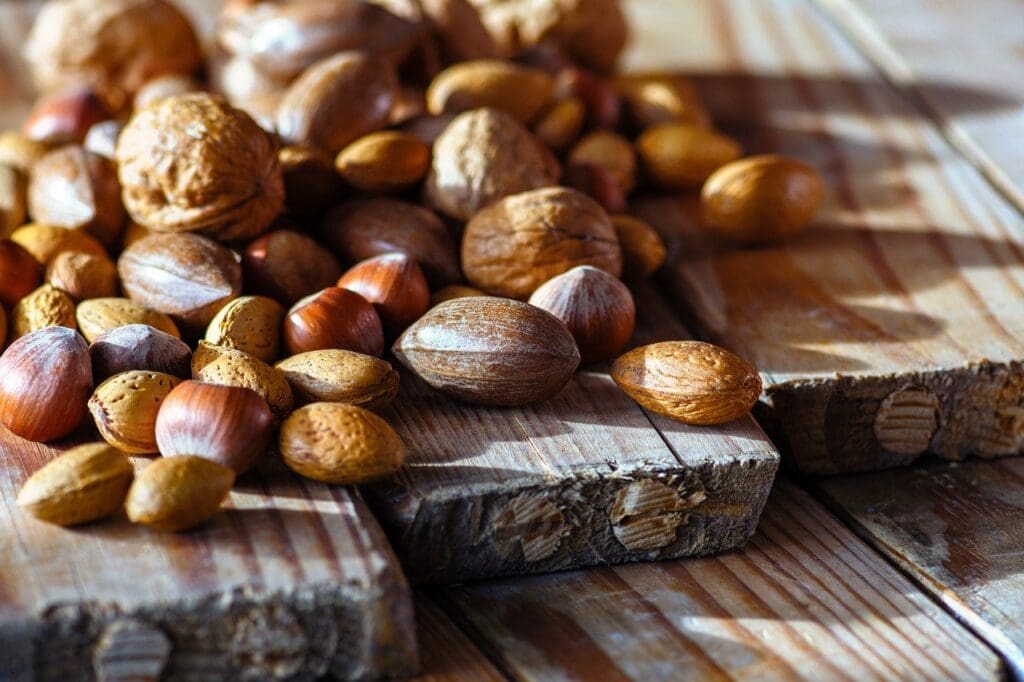
Contrary to popular belief, incorporating nuts into your diet can actually have a positive effect on cholesterol levels. Nuts contain a combination of healthy fats, fiber, and plant sterols, all of which contribute to lowering LDL cholesterol. Several studies have shown that regularly consuming nuts, such as almonds, walnuts, and pistachios, can improve cholesterol profiles and reduce the risk of heart disease. By enjoying a handful of nuts as a snack or incorporating them into meals and recipes, you can reap the cholesterol-lowering benefits of these nutritious and satisfying foods.

Misconception 5: Cholesterol-lowering diets are only for individuals with high cholesterol
Preventive benefits of a cholesterol-lowering diet
It is a misconception that cholesterol-lowering diets are only suitable for individuals with high cholesterol. In reality, these diets can be beneficial for anyone, regardless of their cholesterol levels. Adopting a cholesterol-lowering diet as a preventive measure can help maintain optimal cholesterol levels and overall heart health. By making healthy food choices and incorporating heart-healthy habits from a young age, you can reduce the risk of developing high cholesterol levels and other cardiovascular diseases later in life.
Managing overall cardiovascular health
A cholesterol-lowering diet is not just about lowering cholesterol levels; it also plays a vital role in managing overall cardiovascular health. By following a diet rich in fruits, vegetables, whole grains, lean proteins, and healthy fats, you can not only improve cholesterol profiles but also reduce the risk of high blood pressure, type 2 diabetes, and obesity. These are all risk factors for heart disease, and by addressing them through a cholesterol-lowering diet, you can promote optimal heart health and wellbeing.
Considerations for different age groups
Cholesterol-lowering diets are suitable for individuals of all ages, and considerations may vary depending on specific age groups. For example, children and adolescents can greatly benefit from developing healthy dietary habits early on. By encouraging the consumption of whole foods and limiting processed and sugary foods, parents can help establish a foundation for lifelong heart health. Similarly, adults and older adults can adjust portion sizes and food choices to meet their specific nutritional needs and maintain a well-balanced diet. It is never too early or too late to prioritize heart health through a cholesterol-lowering diet.
Misconception 6: Cholesterol-lowering diets are ineffective without medication
The power of diet in cholesterol management
Contrary to the misconception that cholesterol-lowering diets are ineffective without medication, diet plays a crucial role in managing cholesterol levels. In fact, dietary changes are often the first line of defense in improving cholesterol profiles and reducing the risk of heart disease. By adopting a cholesterol-lowering diet, you can effectively lower LDL cholesterol levels, increase HDL cholesterol levels, and reduce overall inflammation in the body. Incorporating heart-healthy foods and implementing mindful eating habits can significantly impact your cholesterol levels and overall cardiovascular health.
Collaboration between diet and medication
In some cases, medication may be necessary to manage cholesterol levels effectively. However, this does not diminish the importance of a cholesterol-lowering diet. Diet and medication can work synergistically to optimize cholesterol management. By following a cholesterol-lowering diet, you can potentially reduce the required dosage of medication or improve its effectiveness. It is important to work closely with your healthcare provider to find the best approach that combines dietary modifications and medication to achieve an optimal cholesterol profile.
Individual variations in response to dietary changes
It is important to note that individuals may respond differently to dietary changes, and what works for one person may not work the same way for another. Factors such as genetics, overall health, and lifestyle habits can influence how a person’s cholesterol levels respond to dietary modifications. While some individuals may experience significant improvements in cholesterol levels by following a cholesterol-lowering diet, others may require additional interventions such as medication or further adjustments to their diet. It is essential to work with a healthcare professional to develop an individualized plan based on your unique needs and health conditions.
Misconception 7: A cholesterol-lowering diet requires giving up all enjoyable foods
Making healthier versions of favorite dishes
One common misconception is that a cholesterol-lowering diet requires giving up all enjoyable foods. However, it is possible to make healthier versions of your favorite dishes without sacrificing taste. By modifying recipes and substituting healthier ingredients, you can still enjoy the flavors you love while promoting heart health. For example, using whole grains instead of refined grains, opting for leaner cuts of meat, and reducing the amount of added fats and sugars can significantly improve the nutritional profile of your favorite dishes without compromising on flavor.
Exploring new recipes and flavors
Adopting a cholesterol-lowering diet opens up a world of new recipes and flavors to explore. Instead of feeling restricted, consider this as an opportunity to try new ingredients, spices, and cooking techniques. Experimenting with plant-based proteins, such as tofu or legumes, can introduce exciting flavors and textures to your meals. Additionally, incorporating a variety of herbs, spices, and low-sodium seasonings can add depth and complexity to your dishes. By embracing the possibilities, you can discover a whole new world of delicious and satisfying meals that support your heart health.
Occasional indulgences and moderation
A cholesterol-lowering diet does not mean completely eliminating indulgences. It’s all about moderation and making mindful choices. While it is important to limit foods high in saturated and trans fats, occasional indulgences can be enjoyed as part of a healthy, balanced diet. By incorporating your favorite treats in moderation and balancing them with nutrient-dense meals, you can satisfy your cravings without compromising on your cholesterol-lowering goals. Remember, it’s the overall pattern of your diet that matters most, so occasional indulgences can still fit into a healthy lifestyle.
Misconception 8: A cholesterol-lowering diet is difficult to maintain when dining out
Researching and choosing restaurants wisely
Dining out can sometimes be challenging when following a cholesterol-lowering diet, but it is not impossible. A few simple strategies can help you make healthier choices when eating out. Researching restaurants in advance and choosing ones that offer healthier options can make a significant difference. Many restaurants now provide nutritional information online, allowing you to make informed choices before you arrive. Opting for restaurants that emphasize fresh, whole ingredients and offer grilled, steamed, or baked options can help you stick to your cholesterol-lowering goals.
Making specific requests and modifications
Don’t be afraid to make specific requests and modifications when ordering at a restaurant. Most establishments are willing to accommodate dietary restrictions and preferences. For example, you can request steamed vegetables instead of fried ones, ask for dressings and sauces on the side, or swap out certain ingredients for healthier alternatives. By being clear about your needs and making simple modifications, you can enjoy a meal that aligns with your cholesterol-lowering diet while still socializing and enjoying the dining experience.
Navigating menus for healthier options
When dining out, it is important to navigate menus wisely. Look for dishes that incorporate lean proteins, whole grains, and plenty of vegetables. Avoid items that are fried, breaded, or covered in creamy sauces. Instead, opt for grilled, baked, or steamed options. Additionally, be mindful of portion sizes, as many restaurants tend to serve larger portions than necessary. Consider sharing an entree with a friend or opting for a smaller portion from the appetizer or side dish section. By making conscious choices and paying attention to portion sizes, you can enjoy a fulfilling meal without compromising your cholesterol-lowering goals.
Misconception 9: Reducing cholesterol intake means compromising on nutritional needs
Importance of a well-balanced diet
Reducing cholesterol intake does not mean compromising on nutritional needs. In fact, a cholesterol-lowering diet can provide a wide range of essential nutrients when properly planned. A well-balanced diet that includes a variety of fruits, vegetables, whole grains, lean proteins, and healthy fats can meet all of your nutritional requirements while also promoting heart health. By focusing on nutrient-dense foods and making mindful choices, you can optimize your nutrient intake and maintain overall nutritional needs.
Meeting macro and micronutrient requirements
A cholesterol-lowering diet can help meet macro and micronutrient requirements while reducing cholesterol intake. By including lean proteins, such as skinless poultry, fish, legumes, and tofu, you can meet your protein needs without the added cholesterol and saturated fats found in red meat. Whole grains, fruits, and vegetables provide essential vitamins, minerals, and fiber, while healthy fats from sources like avocados, nuts, and seeds contribute to overall wellbeing. By planning your meals to include a variety of nutrient-dense options, you can ensure you are meeting your dietary requirements while actively managing cholesterol levels.
Combining cholesterol-lowering foods with nutrient-dense options
When reducing cholesterol intake, it is important to combine cholesterol-lowering foods with nutrient-dense options. Incorporating foods rich in soluble fiber, omega-3 fatty acids, and plant sterols can have a direct impact on managing cholesterol levels. For example, combining oats with fresh berries and a sprinkle of chia seeds can create a delicious and cholesterol-lowering breakfast. Adding a variety of colorful vegetables to a grilled salmon salad dressed with olive oil can provide a hearty and nutrient-packed meal. By intentionally combining cholesterol-lowering foods with other nutrient-dense options, you can create meals that are both delicious and supportive of your overall health.
Misconception 10: Cholesterol-lowering diets are not suitable for vegetarians or vegans
Plant-based sources of protein and healthy fats
Contrary to the misconception that cholesterol-lowering diets are not suitable for vegetarians or vegans, there are plenty of plant-based sources of protein and healthy fats that can support cholesterol reduction. Legumes, such as lentils, chickpeas, and black beans, are excellent sources of protein and fiber while being low in saturated fats. Tofu and tempeh are also great options for plant-based protein. Incorporating plant-based fats, such as avocados, nuts, seeds, and olive oil, can provide essential nutrients and promote heart health. By combining these plant-based protein and fat sources with a variety of fruits, vegetables, and whole grains, vegetarians and vegans can effectively follow a cholesterol-lowering diet.
Replacing animal products with cholesterol-lowering alternatives
For individuals following a vegetarian or vegan diet, replacing animal products with cholesterol-lowering alternatives is crucial. For example, replacing butter with plant-based spreads low in saturated fats or using mashed avocado as a substitute can significantly reduce overall cholesterol intake. When it comes to protein, plant-based options like legumes, tofu, tempeh, seitan, and quinoa can provide essential amino acids without the added cholesterol and saturated fats found in animal products. By exploring new recipes and incorporating these cholesterol-lowering alternatives, vegetarians and vegans can effectively manage their cholesterol levels while following their dietary preferences.
Achieving cholesterol reduction through plant-based diets
Plant-based diets have been shown to be effective in reducing cholesterol levels and promoting heart health. By focusing on whole plant foods and avoiding animal products, individuals can naturally reduce their intake of dietary cholesterol and saturated fats. The high fiber content of plant-based diets also aids in managing cholesterol levels by binding to cholesterol in the digestive system and promoting its excretion. Regularly consuming cholesterol-lowering foods like oats, soy products, nuts, and plant sterol-fortified foods can further enhance the cholesterol-reducing effects of a plant-based diet. With proper planning and well-rounded meal choices, individuals following plant-based diets can achieve significant cholesterol reduction and overall cardiovascular benefits.