
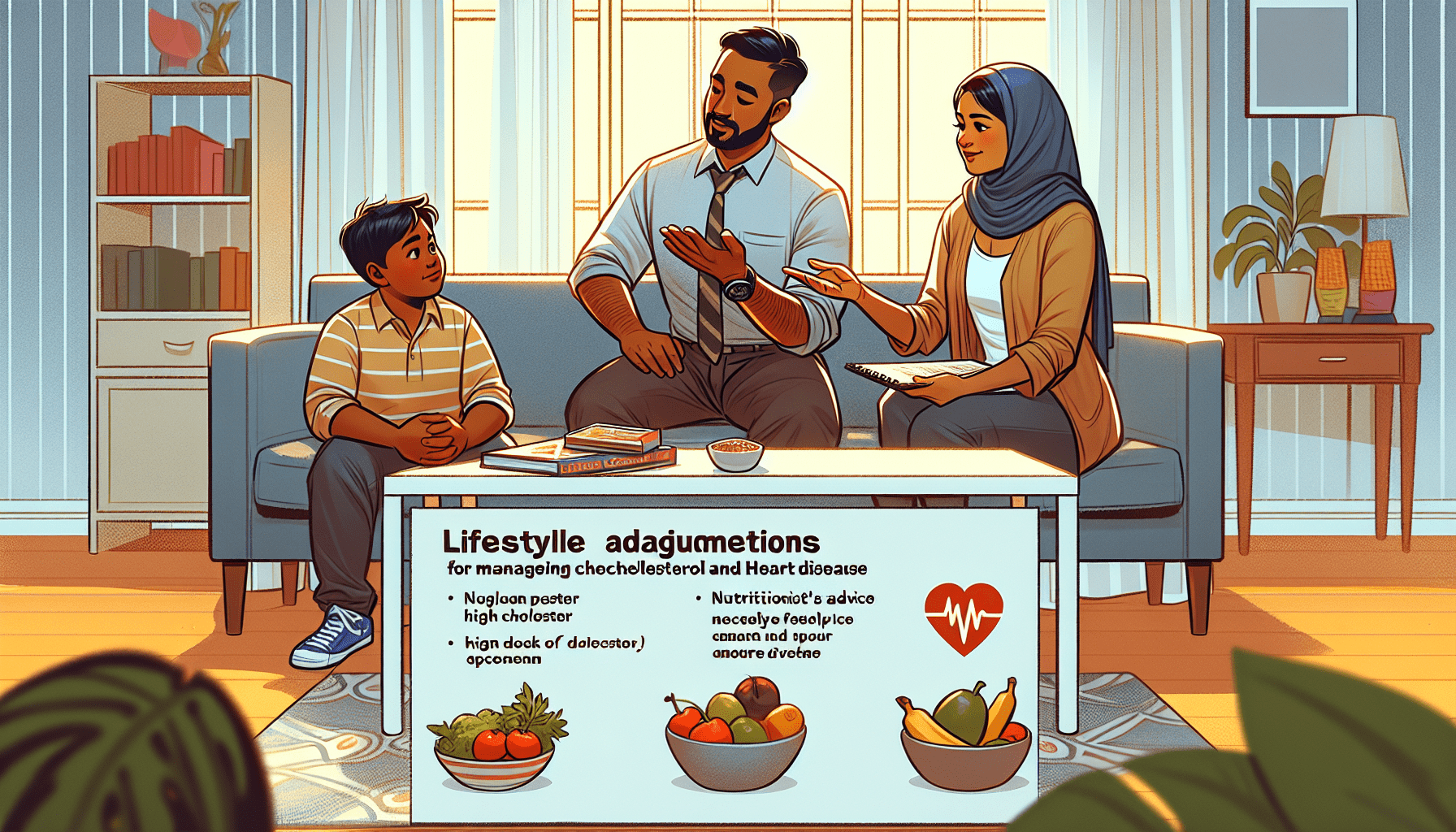
Living with a loved one who has high cholesterol and heart disease can be challenging, but your support can make a significant difference in their journey towards better health. By understanding their condition, encouraging healthy lifestyle choices, and offering emotional support, you can help empower your loved one to manage their cholesterol levels and reduce the risk of cardiovascular problems. This article will provide you with practical tips and insights on how to effectively support your loved one through their battle with high cholesterol and heart disease.
Understanding High Cholesterol and Heart Disease
Explanation of high cholesterol and heart disease
High cholesterol is a condition in which there is an increased level of cholesterol in the blood. Cholesterol is a waxy, fat-like substance that is produced by the liver and also found in certain foods. While cholesterol is necessary for the production of hormones and digestion, excessive levels can pose a risk to heart health.
Heart disease, on the other hand, refers to various conditions that affect the heart, including coronary artery disease, heart attacks, and strokes. High cholesterol is one of the major risk factors for developing heart disease. When there is too much cholesterol in the blood, it can build up in the arteries, causing them to narrow, restricting blood flow, and potentially leading to heart-related complications.
Risk factors for high cholesterol and heart disease
Several risk factors contribute to the development of high cholesterol and heart disease. Some factors, such as age, gender, and family history, are beyond our control. However, there are also modifiable risk factors that can be influenced through lifestyle changes. These include smoking, poor diet, lack of exercise, obesity, and certain medical conditions like diabetes and hypertension.
Understanding these risk factors can help you better comprehend the importance of managing cholesterol levels and taking steps to reduce the likelihood of heart disease.
Effects of high cholesterol on the heart
When cholesterol levels are high, the excess cholesterol can deposit along the walls of the arteries, forming plaque. Over time, this plaque buildup can narrow the arteries, making it difficult for blood to flow freely. Reduced blood flow to the heart muscle can result in chest pain, known as angina, or in severe cases, a heart attack. It is crucial to recognize the impact that high cholesterol can have on the heart and take proactive measures to prevent complications.
Educate Yourself
Research about high cholesterol and heart disease
The first step in supporting a loved one with high cholesterol and heart disease is to educate yourself about these conditions. By taking the time to read articles, scientific research, and reliable sources of information, you can better understand the causes, symptoms, and treatments associated with high cholesterol and heart disease. Empowering yourself with knowledge will enable you to be a reliable source of information and offer valuable support.
Learn about treatment options
Understanding the available treatment options for high cholesterol and heart disease is crucial in assisting your loved one. Consult with healthcare professionals, such as doctors and cardiologists, who can provide insights into medications, lifestyle changes, and interventions. By familiarizing yourself with the potential treatment options, you can support your loved one in making informed decisions about their health.
Understand dietary and lifestyle changes
Dietary and lifestyle changes play a significant role in managing high cholesterol and heart disease. Educate yourself on the dietary modifications necessary for reducing cholesterol levels, such as incorporating more fruits, vegetables, whole grains, lean proteins, and healthy fats into meals. Additionally, encourage your loved one to limit their intake of saturated fats, trans fats, and cholesterol-rich foods. Understanding these dietary changes will allow you to offer guidance and assist your loved one in making healthier food choices.

Encourage Healthy Eating Habits
Provide information about low-cholesterol foods
Helping your loved one adopt healthy eating habits is crucial for managing high cholesterol and promoting heart health. Provide them with information about low-cholesterol foods, such as fresh fruits and vegetables, whole grains, lean proteins such as skinless chicken and fish, and plant-based oils like olive oil. Emphasize the importance of incorporating these foods into their daily diet to improve cholesterol levels and overall heart health.
Help plan and prepare heart-healthy meals
Assisting in the planning and preparation of heart-healthy meals can make a significant difference in supporting your loved one’s dietary goals. Collaborate on meal plans by suggesting recipes that incorporate low-cholesterol ingredients and ensuring that the meals are nutritious and well-balanced. Offer to go grocery shopping together or help with meal preparation, making it easier for your loved one to make healthy choices and stick to their dietary guidelines.
Encourage portion control and moderation
In addition to choosing the right foods, portion control is essential for maintaining a heart-healthy diet. Encourage your loved one to be mindful of their portion sizes and understand the concept of moderation. Help them learn how to read food labels, understand serving sizes, and avoid overeating. By promoting portion control and moderation, you can ensure that their dietary efforts are effective in managing their cholesterol levels.
Support a balanced diet
Remember that a balanced diet is not just about avoiding high-cholesterol foods but also about incorporating a variety of nutrients. Encourage your loved one to diversify their diet by including a range of fruits, vegetables, whole grains, and lean proteins. Offer suggestions for healthy snacks and alternative cooking methods that can add flavor without adding excess fats or sodium. By supporting a balanced diet, you can help your loved one maintain a healthy lifestyle and reduce the risk of heart disease.
Promote Regular Physical Activity
Discuss the importance of exercise for heart health
Regular physical activity is essential for maintaining heart health and managing cholesterol levels. Engage in open conversations with your loved one about the importance of exercise and its significant role in reducing the risk of heart disease. Emphasize that physical activity not only helps improve cholesterol levels but also strengthens the heart muscle, reduces blood pressure, and promotes overall well-being.
Help find suitable exercises
Not everyone enjoys the same type of exercise, so it’s essential to find activities that your loved one enjoys and can do regularly. Help them explore different options and find exercises that suit their interests, abilities, and lifestyle. This could include activities like walking, swimming, cycling, yoga, or dancing. By assisting in finding suitable exercises, you can support your loved one in establishing a regular exercise routine.
Encourage regular physical activity
Motivation is key to maintaining a consistent exercise regimen. Encourage your loved one to stick to their exercise routine and offer support and motivation along the way. Be their exercise buddy, if possible, and join them in their physical activities. By providing encouragement and being a source of motivation, you can help them stay committed to regular physical activity and reap the health benefits it brings.
Offer to exercise together
Support your loved one by offering to exercise together. You can plan walks or bike rides together, join a fitness class, or simply engage in activities that get both of you moving. Exercising together not only promotes bonding but also makes physical activity more enjoyable and less intimidating. By being an active participant, you can encourage your loved one to stay active and establish healthy habits that benefit their heart health.

Assist with Medication Management
Help organize medication schedule
Managing medications can be overwhelming, especially if your loved one is taking multiple prescriptions. Offer to help organize their medication schedule by creating a comprehensive calendar or using smartphone apps that send reminders for each dose. By proactively managing their medication schedule, you can ensure that they are taking their medications as prescribed and reduce the risk of missed doses.
Remind about taking medication
In addition to organizing the medication schedule, periodically remind your loved one to take their medication at the specified times. Set up reminders on your phone or coordinate with them to establish an effective system that works for both of you. Gentle reminders can make a significant difference in ensuring that they stay on track with their prescribed medications.
Assist with refilling prescriptions
Running out of medications can disrupt treatment plans, so offering to assist with refilling prescriptions is immensely helpful. Keep track of expiration dates and refill periods, and ensure that they have an adequate supply of medication on hand. If necessary, help with contacting pharmacies or healthcare professionals for prescription renewals. By taking an active role in prescription management, you can alleviate some of the stress associated with medication refills.
Support in doctor’s appointments
Accompanying your loved one to their doctor’s appointments can provide much-needed support. Offer to attend appointments with them, taking note of any questions or concerns they may have. By being present during medical consultations, you can help ensure that all relevant information is communicated and gain a better understanding of their condition and treatment plan. Additionally, you can help them remember important details discussed during the appointment and assist in scheduling necessary follow-up visits.
Reduce Stress and Support Emotional Well-being
Offer emotional support and understanding
Managing high cholesterol and heart disease can be emotionally challenging for your loved one. Offer them emotional support and understanding throughout their journey. Be a compassionate listener, allowing them to express their fears, frustrations, and concerns. Remind them that they are not alone and that you are there to provide support every step of the way.
Encourage healthy stress management techniques
Stress can have a negative impact on heart health, so it’s crucial to help your loved one develop healthy stress management techniques. Encourage them to engage in activities that promote relaxation and reduce stress, such as deep breathing exercises, meditation, or yoga. Encourage them to pursue hobbies or activities that bring joy and help them unwind. By advocating for healthy stress management, you can support their emotional well-being and overall heart health.
Spend quality time together
Incorporating quality time into your lives is important not only for enjoying each other’s company but also for reducing stress and maintaining emotional well-being. Plan activities that you both enjoy, such as going for walks, watching movies, or cooking together. Taking time to bond and nurture your relationship can provide a sense of comfort and happiness, contributing to your loved one’s overall well-being.
Recommend relaxation activities like meditation or yoga
Relaxation activities, such as meditation or yoga, can be beneficial for managing stress and improving emotional well-being. Recommend these activities to your loved one and offer to practice them together. There are numerous resources available, such as guided meditation apps or online yoga classes, making it easier to incorporate these techniques into daily life. By promoting relaxation activities, you can help your loved one find inner calmness and support their emotional health.

Create a Supportive Environment
Promote a smoke-free and alcohol-free environment
Smoking and excessive alcohol consumption can significantly worsen heart health and interfere with the management of high cholesterol. Create a supportive environment by promoting a smoke-free and alcohol-free lifestyle. If you or others in the household smoke, consider quitting together or establishing designated areas for smoking outdoors. Encourage responsible alcohol consumption and help your loved one make healthier choices when it comes to indulging in alcoholic beverages.
Encourage family and friends to support healthy habits
A strong support system is crucial in managing high cholesterol and heart disease. Encourage family and friends to be supportive and understanding of your loved one’s health journey. Educate them about the importance of healthy habits in managing cholesterol levels and heart health. Ask for their cooperation in creating an environment that promotes healthy eating, regular exercise, and stress management. When your loved one feels supported by those around them, it becomes easier for them to maintain healthy habits and stay motivated.
Assist in removing unhealthy temptations
Removing unhealthy temptations from the home can greatly aid your loved one in maintaining a heart-healthy lifestyle. Work together to clear the pantry and refrigerator of high-fat, high-cholesterol foods, and replace them with healthier alternatives. Help them resist temptations by finding delicious low-cholesterol recipes and exploring new flavors and ingredients. By creating an environment free from unhealthy temptations, you are setting the stage for success in managing cholesterol levels.
Provide encouragement and positive reinforcement
Positive reinforcement plays a crucial role in supporting your loved one’s efforts towards a heart-healthy lifestyle. Offer praise, recognition, and encouragement for their progress, no matter how small. Celebrate every milestone and achievement, and remind them of the positive impact their actions are having on their heart health. By providing encouragement and positive reinforcement, you can inspire your loved one to continue making healthy choices and working towards a healthier future.
Keep Track of Medical Appointments and Test Results
Help maintain a calendar of appointments
Keeping track of medical appointments can be challenging, especially when dealing with multiple healthcare providers. Assist your loved one by helping them maintain a calendar of appointments. This can be done through a physical planner or using digital tools like reminder apps. Make sure all upcoming appointments, including regular check-ups and important tests, are accurately recorded so that nothing is missed.
Accompany to doctor visits, if needed
Accompanying your loved one to doctor visits can provide an extra layer of support and ensure that important information is not overlooked. Offer to be their advocate, taking notes during appointments and asking questions on their behalf. By being present, you can help ensure that all concerns are addressed and important instructions or recommendations are fully understood.
Keep track of test results and important information
Keeping track of test results and important medical information is crucial for effective management of high cholesterol and heart disease. Offer to help your loved one organize and maintain a record of test results, such as cholesterol levels, blood pressure readings, and other relevant lab tests. This information can be useful for monitoring progress and discussing treatment plans with healthcare professionals.
Ensure follow-up appointments are scheduled
Following up with healthcare providers is essential for continued care. Help your loved one schedule follow-up appointments as recommended by their doctors. Assist in making phone calls or using online appointment systems to ensure that necessary follow-up visits are never overlooked or canceled. Consistency in medical care is essential for effectively managing high cholesterol and heart disease.

Educate Others in the Support Network
Inform family and friends about high cholesterol and heart disease
Sharing information about high cholesterol and heart disease with family and friends can help them better understand your loved one’s condition and the necessary lifestyle changes. Educate them about the importance of managing high cholesterol and reducing the risk of heart disease. Explain how their support can make a significant difference in your loved one’s journey towards heart health.
Provide educational resources or articles
Provide educational resources or articles about high cholesterol and heart disease to family and friends. These can help them gain a deeper understanding of the condition and the steps required to support your loved one effectively. Share reliable sources of information that offer insights into the latest research, treatment options, and healthy lifestyle recommendations. By equipping others with knowledge, you are expanding the support network for your loved one.
Suggest ways others can help support their loved one
Encourage family and friends to actively participate in supporting your loved one’s journey towards managing high cholesterol and heart disease. Suggest specific ways they can help, such as cooking heart-healthy meals, joining in exercise activities, or offering moral support during doctor appointments. By providing clear suggestions, you make it easier for others to contribute and show their support.
Encourage open communication and empathy
Promote open communication and empathy within the support network surrounding your loved one. Encourage family and friends to listen with understanding and offer support without judgment. Emphasize the importance of creating a safe space where your loved one feels comfortable discussing their concerns, fears, and successes. By fostering empathy and open communication, you are creating a supportive community that plays an integral role in your loved one’s journey towards heart health.
Celebrate Progress and Successes
Acknowledge achievements in maintaining healthy habits
Recognizing and acknowledging your loved one’s efforts in maintaining healthy habits is essential for their motivation and overall well-being. Celebrate their dedication to regular exercise, their commitment to making dietary changes, and their progress in managing high cholesterol. Express your pride and admiration for their efforts, acknowledging that every step forward is a significant achievement.
Celebrate milestones in cholesterol levels improvement
Monitoring cholesterol levels is an essential component of managing high cholesterol and heart disease. Celebrate significant milestones in cholesterol level improvements with your loved one. Whether it’s a reduction in LDL (bad) cholesterol or an increase in HDL (good) cholesterol, acknowledge and celebrate these achievements. Reinforce the importance of their lifestyle changes and the positive impact they are having on their heart health.
Reward efforts towards a heart-healthy lifestyle
Encourage and reward your loved one’s efforts in maintaining a heart-healthy lifestyle. Consider small gestures, such as treating them to a heart-healthy meal at their favorite restaurant or surprising them with a thoughtful gift that supports their health goals. Rewarding their efforts helps reinforce the positive impact of their choices and boosts their motivation to continue making healthy lifestyle changes.
Provide encouragement and positive reinforcement
Above all, provide constant encouragement and positive reinforcement throughout your loved one’s journey. Remind them of their strength and resilience, affirming that their commitment to a heart-healthy lifestyle is making a difference. Regularly express your belief in their ability to succeed and emphasize that you are there to support them every step of the way. Your unwavering encouragement can have a profound impact on their mindset and determination to manage high cholesterol and heart disease effectively.
Supporting a loved one with high cholesterol and heart disease requires a comprehensive approach that addresses various aspects of their well-being. By understanding the conditions, educating yourself, encouraging healthy habits, assisting with medication management, promoting a supportive environment, and celebrating milestones, you can offer invaluable support and contribute to their journey towards improved heart health. Remember that your role as a supporter is critical and that your efforts make a significant difference in the lives of those you care about.
