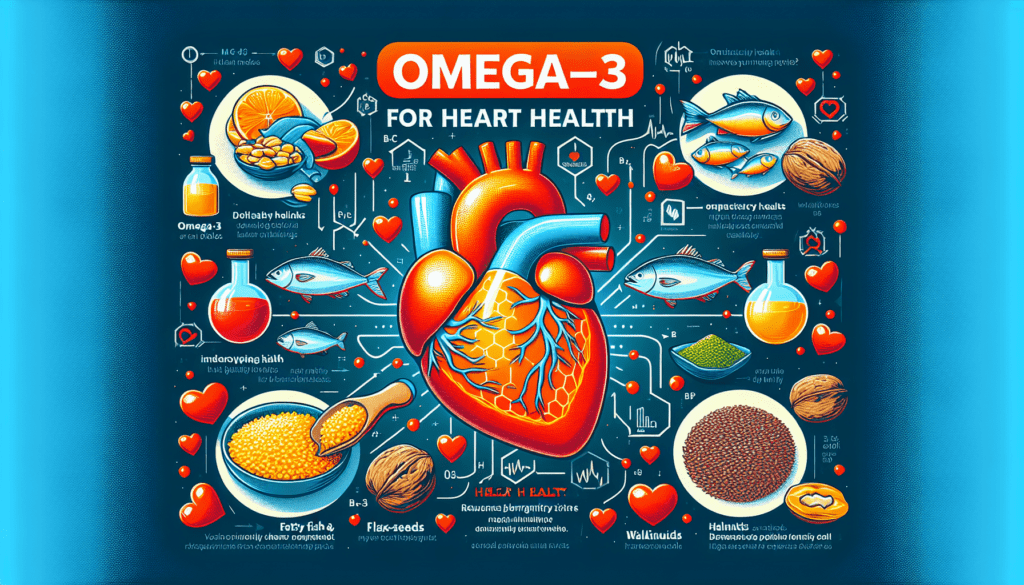
If you’re looking to support your heart health and keep your cholesterol levels in check, omega-3 fatty acids could be your new best friend. These essential nutrients, commonly found in fatty fish like salmon, sardines, and mackerel, have been shown to have a multitude of benefits for your cardiovascular system. From reducing inflammation to lowering triglyceride levels, omega-3s are a powerhouse when it comes to supporting a healthy heart and improving your cholesterol profile. So if you’re ready to dive into the world of omega-3s, let’s explore the incredible benefits that these healthy fats have to offer.

Reduced Risk of Heart Disease
Heart disease is a widespread health concern that affects millions of people worldwide. However, incorporating omega-3 fatty acids into your diet can significantly reduce the risk of heart disease. These essential fats offer numerous benefits for heart health, including lowering triglyceride levels, blood pressure, and preventing heart arrhythmias.
Lowering Triglyceride Levels
One of the primary benefits of omega-3 fatty acids is their ability to lower triglyceride levels in the blood. Triglycerides are a type of fat that can contribute to the development of heart disease when present in high amounts. Omega-3 fatty acids, especially those found in fish oil, have been shown to effectively reduce triglyceride levels, promoting a healthier heart.
Lowering Blood Pressure
High blood pressure is a significant risk factor for heart disease and stroke. By incorporating omega-3 fatty acids into your diet, you can help lower blood pressure levels. Research suggests that these healthy fats reduce inflammation in blood vessels, allowing for better blood flow and ultimately decreasing blood pressure.
Preventing Heart Arrhythmias
Heart arrhythmias refer to abnormal heart rhythms that can increase the risk of heart attack and stroke. Omega-3 fatty acids have been shown to have a protective effect against heart arrhythmias by regulating the electrical impulses that control the heart’s rhythm. By including omega-3 rich foods or supplements in your routine, you can help maintain a healthy heart rhythm and reduce the risk of developing dangerous arrhythmias.
Improved Cholesterol Levels
Maintaining healthy cholesterol levels is crucial for heart health. Omega-3 fatty acids offer a two-fold benefit in improving cholesterol levels by increasing HDL cholesterol, often referred to as the “good” cholesterol, and reducing LDL cholesterol, known as the “bad” cholesterol. Additionally, omega-3s help lower total cholesterol levels, contributing to a healthier cardiovascular system.
Increasing HDL Cholesterol Levels
High-density lipoprotein (HDL) cholesterol plays a vital role in removing excess cholesterol from the bloodstream, preventing the build-up of plaque in the arteries that can lead to heart disease. Omega-3 fatty acids help increase HDL cholesterol, promoting better cardiovascular health and reducing the risk of developing heart disease.
Reducing LDL Cholesterol Levels
Low-density lipoprotein (LDL) cholesterol is often referred to as the “bad” cholesterol because high levels of LDL can contribute to the formation of plaque in the arteries, leading to atherosclerosis. Omega-3 fatty acids have been shown to help lower LDL cholesterol levels, reducing the risk of plaque formation and improving heart health.
Lowering Total Cholesterol Levels
In addition to raising HDL cholesterol and reducing LDL cholesterol, omega-3 fatty acids also help lower total cholesterol levels. By addressing all aspects of cholesterol, these healthy fats have a comprehensive impact on maintaining healthy levels and reducing the risk of heart disease.
Anti-Inflammatory Effects
Chronic inflammation in the body can contribute to the development of heart disease. Omega-3 fatty acids possess anti-inflammatory properties, which can help combat inflammation and its detrimental effects on the cardiovascular system.
Reducing Inflammation in Blood Vessels
Inflammation within the blood vessels is a common contributor to heart disease. Omega-3 fatty acids help reduce this inflammation, allowing for improved blood flow and reducing the risk of complications such as blood clots and atherosclerosis.
Decreasing Systemic Inflammation
Systemic inflammation refers to inflammation throughout the body and can have various negative effects on overall health, including heart health. Omega-3 fatty acids have been shown to reduce systemic inflammation, benefiting the cardiovascular system by promoting a healthier inflammatory response and reducing the risk of heart disease.
Prevention of Plaque Buildup
Plaque buildup in the arteries is a significant contributor to heart disease. Omega-3 fatty acids offer preventive benefits by reducing platelet aggregation and inhibiting plaque formation.
Reducing Platelet Aggregation
Omega-3 fatty acids help reduce platelet aggregation, the clumping together of blood cells that can lead to the formation of blood clots. By preventing excessive platelet aggregation, omega-3s promote better blood flow, reducing the risk of heart attacks and strokes.
Inhibiting Plaque Formation
Plaque formation in the arteries occurs when cholesterol, fats, and other substances accumulate and harden on the arterial walls. Omega-3 fatty acids have been found to inhibit this plaque formation, helping to maintain clear and healthy arteries and preventing the progression of heart disease.

Improved Endothelial Function
Endothelial function refers to the health and function of the cells lining the blood vessels. Omega-3 fatty acids have been shown to enhance endothelial function, leading to better cardiovascular health.
Enhancing Blood Vessel Dilation
Healthy blood vessels have the ability to dilate or widen when necessary, allowing for improved blood flow. Omega-3 fatty acids promote the production of substances that enhance blood vessel dilation, optimizing blood flow and reducing the risk of heart disease.
Reducing Endothelial Dysfunction
Endothelial dysfunction occurs when the cells lining the blood vessels lose their ability to function properly. This dysfunction can impair blood flow and increase the risk of heart disease. Omega-3 fatty acids help reduce endothelial dysfunction, maintaining healthier blood vessels and promoting optimal heart function.
Enhanced Heart Rate Variability
Heart rate variability refers to the variation in time intervals between heartbeats. This variability is an essential indicator of heart health, with higher variability associated with better cardiovascular function. Omega-3 fatty acids have been shown to improve heart rate variability, indicating improved autonomic nervous system regulation and a reduced risk of heart disease.
Improving Autonomic Nervous System Regulation
The autonomic nervous system controls various involuntary bodily functions, including heart rate and blood pressure. Omega-3 fatty acids help regulate the autonomic nervous system, leading to improved heart rate variability and overall cardiovascular health.

Reduced Risk of Atherosclerosis
Atherosclerosis is the hardening and narrowing of arteries due to the accumulation of plaque. Omega-3 fatty acids offer protective effects against atherosclerosis, reducing the risk of developing this dangerous condition.
Preventing Hardening and Narrowing of Arteries
Omega-3 fatty acids help prevent the hardening and narrowing of arteries by reducing plaque formation, promoting better blood flow, and maintaining healthier blood vessel walls. By incorporating omega-3 rich foods or supplements into your diet, you can actively lower the risk of atherosclerosis and its associated complications.
Lowered Oxidative Stress
Oxidative stress occurs when there is an imbalance between free radicals and antioxidants in the body, leading to cell damage. Omega-3 fatty acids help combat oxidative stress, leading to numerous benefits for heart health.
Increasing Antioxidant Defense
Omega-3 fatty acids possess antioxidant properties, helping to neutralize free radicals and protect cells from oxidative damage. By increasing the body’s antioxidant defense, omega-3s promote a healthier cardiovascular system and reduce the risk of heart disease.
Reducing Oxidized LDL Cholesterol
Oxidized LDL cholesterol is a particularly harmful form of cholesterol that contributes to the development of heart disease. Omega-3 fatty acids have been shown to reduce the levels of oxidized LDL cholesterol, further protecting against cardiovascular damage and reducing the risk of heart disease.

Improved Blood Flow
Healthy blood flow is essential for optimal heart function and overall cardiovascular health. Omega-3 fatty acids offer benefits for blood flow by increasing nitric oxide production and enhancing blood vessel elasticity.
Increasing Nitric Oxide Production
Nitric oxide plays a crucial role in promoting blood vessel dilation and improving blood flow. Omega-3 fatty acids have been found to increase the production of nitric oxide, leading to better blood flow and reducing the risk of heart disease.
Enhancing Blood Vessel Elasticity
Healthy blood vessels possess elasticity, allowing for efficient blood flow. Omega-3 fatty acids help enhance blood vessel elasticity, ensuring that the arteries can expand and contract as necessary, promoting optimal blood circulation and reducing the risk of heart disease.
Reduced Inflammation in Blood Vessels
Inflammation in the blood vessels can contribute to the development of heart disease. Omega-3 fatty acids help reduce inflammation in the blood vessels, offering protective effects for heart health.
Minimizing C-Reactive Protein Levels
C-reactive protein (CRP) is a marker of inflammation in the body, and high levels are associated with an increased risk of heart disease. Omega-3 fatty acids have been shown to lower CRP levels, reducing inflammation in the blood vessels and promoting a healthier cardiovascular system.
In conclusion, incorporating omega-3 fatty acids into your diet offers a multitude of benefits for heart health and cholesterol. From reducing the risk of heart disease to improving cholesterol levels, preventing plaque buildup, and enhancing blood flow, omega-3s provide comprehensive support for a healthy cardiovascular system. By including omega-3 rich foods, such as fatty fish, flaxseeds, or chia seeds, or considering omega-3 supplements, you can actively promote better heart health and reduce the risk of developing heart disease. Remember to consult with your healthcare provider before making any significant changes to your diet or starting a new supplement to ensure it is suitable for your individual health needs. Start taking care of your heart today by incorporating omega-3 fatty acids into your daily routine!