
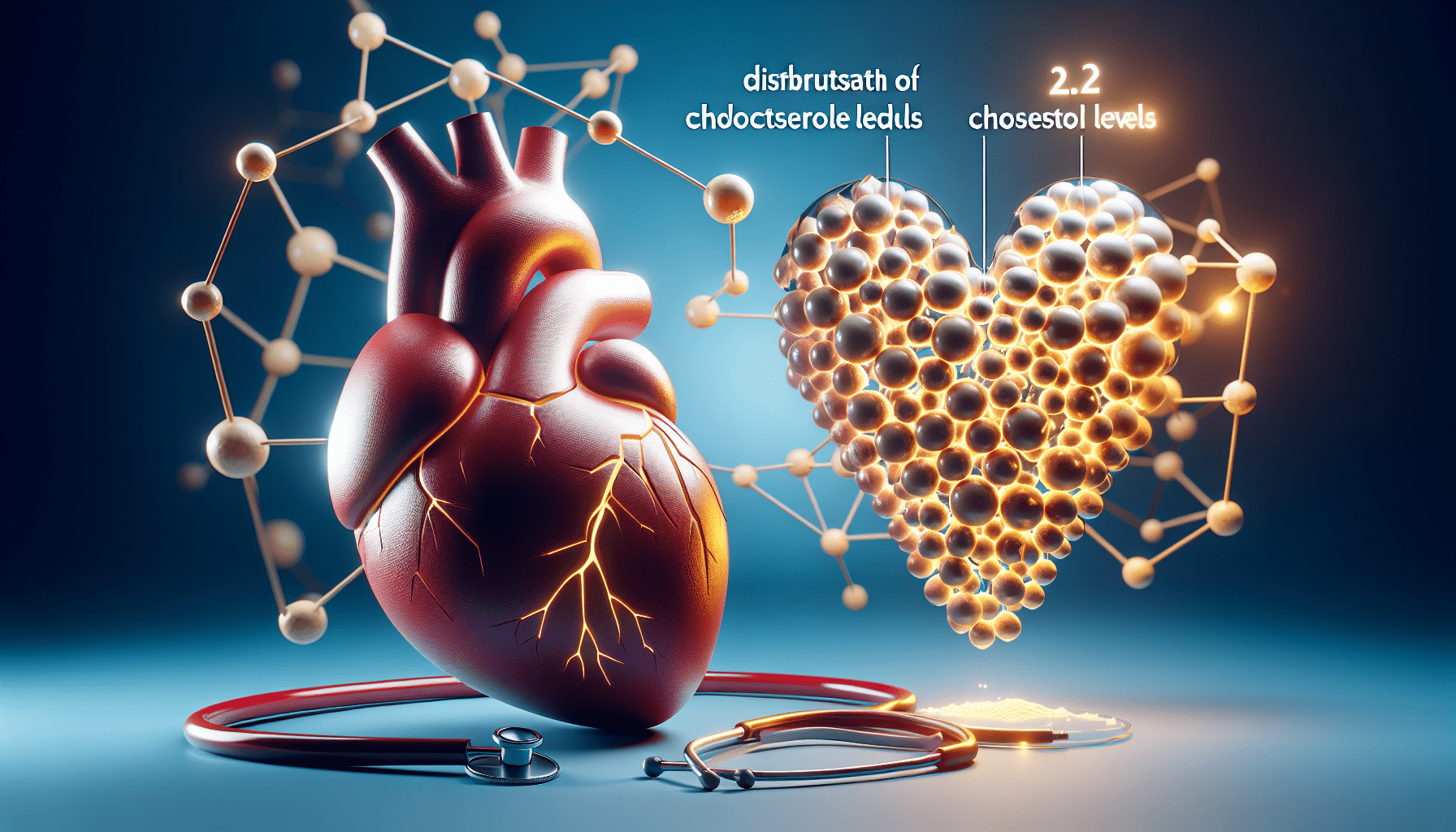
You may not realize it, but the levels of stress you experience on a daily basis could have a direct impact on your cholesterol levels. It’s a connection that often goes unnoticed, but has significant implications for our health. Chronic stress has been linked to increased levels of LDL (bad) cholesterol and decreased levels of HDL (good) cholesterol, which can put us at a higher risk for heart disease. So, the next time you find yourself feeling overwhelmed, it may be worth considering how it could be affecting more than just your mental well-being.
Overview of Stress and Cholesterol Levels
Definition of stress
Stress is a natural response to various physical and psychological demands that can affect your overall well-being. It can be triggered by various factors, such as work pressures, relationship issues, financial worries, or major life changes. The body responds to stress by releasing hormones like cortisol and adrenaline, which prepare it for the “fight or flight” response.
Definition of cholesterol levels
Cholesterol is a waxy substance that is produced by your body and also found in certain foods. It is essential for the production of cell membranes, hormones, and vitamin D. However, too much cholesterol in the blood can lead to the formation of plaque in the arteries, increasing the risk of heart disease.
Understanding the connection
Research has shown a complex relationship between stress and cholesterol levels. While stress does not directly cause high cholesterol, it can influence various biological and lifestyle factors, ultimately affecting cholesterol levels. Understanding this connection is important for promoting heart health and implementing effective strategies for managing stress and cholesterol.
Impact of Stress on Cholesterol Levels
Effect of stress on cholesterol production
Chronic stress can lead to an increase in cholesterol production in the liver. Stress hormones like cortisol stimulate the liver to produce more LDL cholesterol, commonly known as the “bad” cholesterol. Elevated LDL cholesterol levels can clog arteries and increase the risk of cardiovascular disease.
Effect of stress on LDL and HDL cholesterol
Stress can affect both LDL and HDL cholesterol levels. While stress may increase LDL cholesterol, it can also lower HDL cholesterol, which is known as the “good” cholesterol. Low levels of HDL cholesterol are associated with a higher risk of heart disease. This dual impact of stress on cholesterol makes it crucial to manage stress effectively.
Influence of stress on cholesterol transport
Stress can disrupt the normal transport of cholesterol in the body. It can affect the function of lipoproteins, which are responsible for carrying cholesterol in the blood. Stress-related changes in lipoprotein metabolism can alter the balance between LDL and HDL cholesterol, further contributing to the risk of heart disease.
Biological Mechanisms of Stress and Cholesterol Relationship
Stress hormones and cholesterol metabolism
Stress hormones, particularly cortisol, play a significant role in regulating cholesterol metabolism. Cortisol stimulates the synthesis of cholesterol by increasing the activity of specific enzymes involved in cholesterol production. The prolonged elevation of cortisol levels due to chronic stress can disrupt this delicate balance and lead to abnormal cholesterol metabolism.
Inflammation and oxidative stress
Chronic stress can promote inflammation and oxidative stress in the body. Inflammatory processes can damage blood vessels and promote the formation of cholesterol plaques. Oxidative stress, caused by an imbalance between antioxidants and free radicals, can also contribute to the development of atherosclerosis. Both inflammation and oxidative stress are closely linked to cholesterol levels and cardiovascular health.
Impact of stress on lifestyle factors that affect cholesterol
Stress can have a significant impact on various lifestyle factors that influence cholesterol levels. People under stress often resort to unhealthy coping mechanisms, such as overeating, excessive alcohol consumption, or smoking. These behaviors can contribute to an unhealthy lipid profile and increase the risk of heart disease. Additionally, stress may lead to physical inactivity and poor sleep quality, negatively affecting cholesterol and overall cardiovascular health.
Stress-Induced Lifestyle Factors and Cholesterol
Unhealthy diet and stress
Stress can disrupt normal eating patterns and lead to unhealthy food choices. Many people turn to comfort foods high in saturated fats, refined sugars, and cholesterol when facing stress. These dietary habits can increase LDL cholesterol levels, promote weight gain, and impair overall cardiovascular health.
Physical inactivity and stress
Stress can often lead to decreased physical activity levels due to lack of motivation, fatigue, or time constraints. Regular exercise has been shown to increase HDL cholesterol levels and improve overall cholesterol profiles. However, when stress limits physical activity, it can contribute to unfavorable changes in cholesterol levels.
Smoking and stress
Smoking is a habit that is often associated with stressful situations. Nicotine and other chemicals in cigarettes can negatively impact cholesterol levels by lowering HDL cholesterol and increasing LDL cholesterol. When stress and smoking are combined, it creates a dangerous synergy that significantly raises the risk of cardiovascular disease.
Psychological Factors and Cholesterol
Emotional eating and stress
Many individuals turn to food for comfort and emotional support during times of stress. Emotional eating often involves choosing high-fat and sugary foods, which can lead to weight gain and negatively impact cholesterol levels. It is important to address these psychological factors to develop healthier coping mechanisms and promote proper cholesterol management.
Stress-induced poor sleep quality and cholesterol
Stress can disrupt sleep patterns and lead to poor sleep quality. Chronic sleep deprivation has been linked to unfavorable changes in cholesterol levels, including increased LDL cholesterol and reduced HDL cholesterol. Incorporating stress management techniques and improving sleep hygiene can positively impact cholesterol health.
Chronic stress and adherence to cholesterol management
Consistently high levels of stress can make it challenging to adhere to cholesterol management strategies, such as healthy eating or exercise regimens. Chronic stress can diminish motivation and willpower, making it easier to neglect healthy habits. It is crucial to address stress levels to ensure better adherence to cholesterol management plans.
Managing Stress and Cholesterol Levels
Stress management techniques
There are various stress management techniques that can help reduce stress levels and promote overall well-being. These include exercise, meditation, deep breathing exercises, engaging in hobbies, and seeking support from friends, family, or professionals. Implementing these techniques can positively influence cholesterol levels and reduce the risk of heart disease.
Healthy lifestyle changes
Adopting a healthy lifestyle is key to managing stress and cholesterol levels. This includes adopting a balanced diet rich in fruits, vegetables, whole grains, lean proteins, and healthy fats. Regular physical activity and weight management are also essential for maintaining optimal cholesterol levels. By making these lifestyle changes, individuals can effectively manage stress while improving their cholesterol health.
Medical interventions
In some cases, medical interventions may be necessary to manage stress and cholesterol levels. Medications, such as statins, are commonly prescribed to lower cholesterol and reduce the risk of cardiovascular events. Psychotropic medications may also be recommended to help manage stress-related symptoms. It is important to work with a healthcare professional to determine the most appropriate treatment approach.
Effectiveness of Stress Management on Cholesterol
Studies on stress reduction techniques and cholesterol levels
Several studies have demonstrated the positive impact of stress reduction techniques on cholesterol levels. Regular practice of stress management methods, such as mindfulness meditation or relaxation techniques, has been associated with improvements in cholesterol profiles, including decreased LDL cholesterol and increased HDL cholesterol.
Long-term impact of stress management on cholesterol
Consistent stress management over the long term can have a significant impact on cholesterol health. By effectively managing stress levels, individuals can reduce the risk of developing high cholesterol and cardiovascular diseases. Long-term stress reduction has been shown to lead to sustained improvements in cholesterol levels, highlighting the importance of implementing stress management as a long-term lifestyle practice.
Individual variations in response to stress reduction
It is important to acknowledge that individual responses to stress reduction techniques may vary. Some individuals may experience significant improvements in cholesterol levels with stress management, while others may see more modest changes. Recognizing these variations can help tailor stress management approaches to suit individual needs and maximize the benefits on cholesterol health.
Role of Medications in Reducing Stress and Cholesterol
Medications for stress-related cholesterol management
Certain medications, such as beta-blockers or antidepressants, may be prescribed to manage stress-related symptoms. These medications can indirectly impact cholesterol levels by alleviating stress and improving overall well-being. However, it is important to discuss the potential side effects and risks with a healthcare professional before starting any medication.
Statins and their impact on stress and cholesterol
Statins are widely prescribed medications for cholesterol management. They work by reducing the production of cholesterol in the liver and increasing the removal of LDL cholesterol from the bloodstream. While statins primarily focus on cholesterol management, they can indirectly contribute to stress reduction by improving cardiovascular health and reducing the risk of heart disease.
Psychotropic medications and cholesterol levels
Some psychotropic medications used to manage stress-related conditions, such as anxiety or depression, can have potential effects on cholesterol levels. These medications may impact cholesterol metabolism, leading to changes in LDL and HDL cholesterol. It is important for healthcare professionals to closely monitor cholesterol levels in individuals taking psychotropic medications.
Additional Factors Influencing the Stress-Cholesterol Relationship
Gender differences in stress and cholesterol
Gender can play a role in the stress-cholesterol relationship. Research suggests that women may be more susceptible to the impact of stress on their cholesterol levels compared to men. Hormonal fluctuations during the menstrual cycle and menopause may contribute to these differences. Understanding gender-specific responses to stress can help develop tailored approaches to managing stress and cholesterol.
Age-related factors in stress and cholesterol
Age can also influence the stress-cholesterol relationship. As individuals age, their stress levels may accumulate and become chronic, increasing the risk of developing high cholesterol. Older adults may be more vulnerable to the effects of stress on cholesterol due to age-related physiological changes. Recognizing age-related factors can help tailor stress and cholesterol management strategies to different age groups.
Environmental factors and their influence
Environmental factors, such as socioeconomic status or access to healthcare, can impact both stress levels and cholesterol health. High-stress environments, such as low-income neighborhoods or workplaces with high demands, can contribute to elevated stress levels and poor cholesterol management. Addressing these environmental factors is crucial for promoting overall well-being and reducing the burden of stress-related cholesterol disorders.
Conclusion
In conclusion, stress and cholesterol levels are intricately connected, with stress influencing various biological and lifestyle factors that impact cholesterol metabolism and cardiovascular health. Managing stress effectively is vital for maintaining optimal cholesterol levels and reducing the risk of heart disease. By adopting stress management techniques, making healthy lifestyle changes, and considering appropriate medical interventions, individuals can improve their cholesterol health and overall well-being. Future research should focus on deeper understanding of the stress-cholesterol relationship and developing personalized approaches for stress management and cholesterol management.
3000 words