

In today’s fast-paced society, maintaining healthy cholesterol levels can be a constant struggle. But fear not, for there is a solution that lies within the bountiful world of vitamin-rich foods. By incorporating certain fruits, vegetables, and whole grains into your diet, you can naturally improve your cholesterol levels and embark on a journey towards better heart health. Say goodbye to the days of relying solely on medication, and say hello to a delicious and nutritious way of taking control of your cholesterol levels.
Understanding Cholesterol
Cholesterol is a waxy substance that is found in the cells of your body. It plays a crucial role in various bodily functions, such as hormone production and cell membrane formation. However, having high levels of cholesterol can be detrimental to your health, as it can increase your risk of heart disease and other cardiovascular conditions. Understanding cholesterol and its different types is essential in taking the necessary steps to improve your cholesterol levels.
What is cholesterol?
Cholesterol can be classified into two main types: LDL (low-density lipoprotein) cholesterol and HDL (high-density lipoprotein) cholesterol. LDL cholesterol, commonly known as “bad” cholesterol, carries cholesterol to the cells in your body. If you have too much LDL cholesterol, it can build up in the arteries and form plaques, narrowing the blood vessels and increasing your risk of heart disease. HDL cholesterol, on the other hand, is known as “good” cholesterol. It helps remove excess cholesterol from the bloodstream and transports it to the liver for disposal.
LDL vs. HDL cholesterol
While both types of cholesterol are necessary for the body to function properly, it’s important to maintain a balance between them. High levels of LDL cholesterol can lead to atherosclerosis, a condition characterized by the buildup of plaques in the arteries, while low levels of HDL cholesterol can increase your risk of heart disease. To improve your cholesterol levels, it’s crucial to focus on reducing LDL cholesterol and increasing HDL cholesterol.
How to measure cholesterol levels
To determine your cholesterol levels, a blood test called a lipid profile or lipid panel is conducted. This test measures various types of cholesterol in your blood, including total cholesterol, LDL cholesterol, HDL cholesterol, and triglycerides. The results of this test can help you and your healthcare provider understand your current cholesterol levels and develop a plan to improve them. Regular monitoring of your cholesterol levels is important to track your progress and make any necessary adjustments to your lifestyle.
Choosing the Right Foods
When it comes to improving your cholesterol levels, making informed choices about the foods you consume is crucial. Incorporating foods that are high in vitamins and other nutrients, particularly those that have been shown to promote heart health, can significantly benefit your cholesterol levels and overall well-being.
Foods high in vitamins and nutrients
A well-rounded diet that includes a variety of fruits, vegetables, whole grains, lean proteins, and healthy fats is essential for maintaining optimal health. These foods are rich in essential vitamins, minerals, and antioxidants that support various bodily functions, including cholesterol management. By focusing on consuming nutrient-dense foods, you can provide your body with the necessary tools to improve your cholesterol levels naturally.
Fruits and vegetables for cholesterol reduction
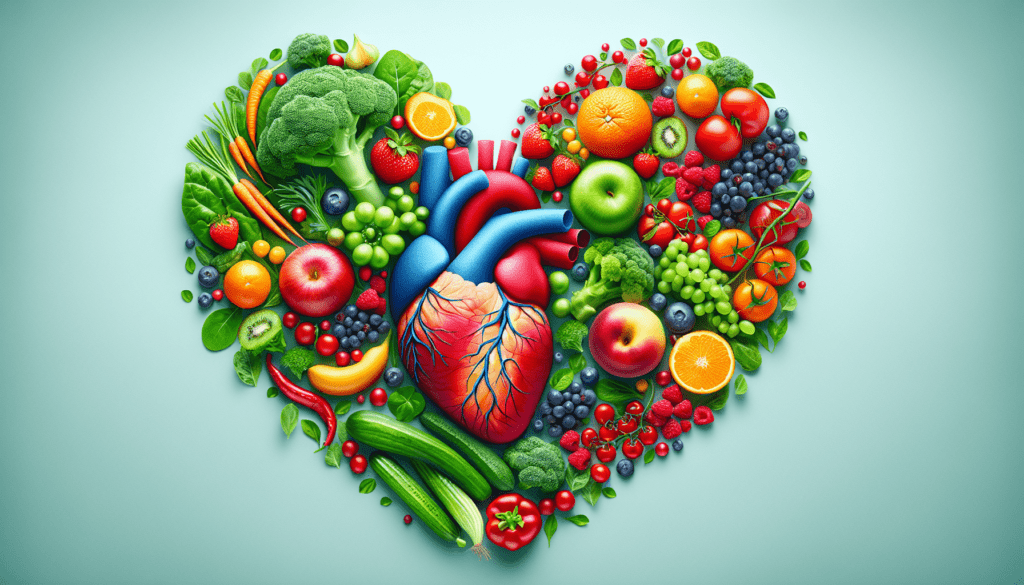
Fruits and vegetables are not only delicious and colorful additions to your meals, but they are also rich in fiber and antioxidants, making them excellent choices for cholesterol reduction. Soluble fiber, found in fruits such as apples, oranges, and berries, as well as vegetables like Brussels sprouts and broccoli, can help lower LDL cholesterol levels. Antioxidants, present in fruits and vegetables of all colors, protect the body from harmful free radicals and promote heart health.
Whole grains for heart health
Whole grains, such as oats, brown rice, quinoa, and whole wheat, are crucial for maintaining heart health and improving cholesterol levels. Unlike refined grains, whole grains retain their natural fiber, vitamins, and minerals, which are beneficial for cholesterol management. The fiber in whole grains helps reduce the absorption of cholesterol in the bloodstream, effectively lowering LDL cholesterol levels. Adding whole grains to your diet can be as simple as replacing refined grains with whole grain alternatives in your favorite recipes.
Top Vitamin-Rich Foods for Cholesterol Improvement
While maintaining a balanced diet is important, certain foods have been shown to have specific benefits for cholesterol improvement. Including these vitamin-rich foods in your meal plan can help you optimize your efforts in managing your cholesterol levels.
Amla (Indian Gooseberry)
Amla, also known as Indian gooseberry, is a vitamin C powerhouse that can improve cholesterol levels. Vitamin C acts as an antioxidant, protecting LDL cholesterol from oxidation and reducing the risk of plaque formation in the arteries. Amla can be consumed in various ways, such as raw, juiced, or incorporated into dishes and desserts. Adding this tangy fruit to your diet can not only improve your cholesterol levels but also support your overall health.
Garlic
Garlic is not only a flavor booster in various cuisines; it is also known for its cholesterol-lowering properties. Garlic contains compounds that can help reduce LDL cholesterol levels and increase HDL cholesterol levels. Incorporating raw or cooked garlic into your meals can enhance the flavor while benefiting your heart health.
Nuts and seeds
Nuts and seeds, such as almonds, walnuts, flaxseeds, and chia seeds, are excellent sources of heart-healthy fats, fiber, and other nutrients. These nutrient-dense powerhouses can help improve cholesterol levels by reducing LDL cholesterol and increasing HDL cholesterol. Adding a handful of nuts or seeds to your daily routine as a snack or incorporating them into your meals can be a simple and tasty way to support your heart health.
Leafy greens
Leafy greens, such as spinach, kale, and Swiss chard, are packed with vitamins, minerals, and antioxidants. They are particularly beneficial for cholesterol improvement because they are low in calories and high in fiber. The fiber in leafy greens helps reduce the absorption of cholesterol in the bloodstream, effectively lowering LDL cholesterol levels. Including leafy greens in your salads, stir-fries, or smoothies can help boost your nutrient intake and promote heart health.
Berries
Berries, including strawberries, blueberries, and raspberries, are not only delicious but also rich in antioxidants, fiber, and various vitamins. The antioxidants present in berries help protect LDL cholesterol from oxidation, reducing the risk of plaque formation in the arteries. Additionally, their fiber content can help lower LDL cholesterol levels. Snacking on fresh berries or adding them to your morning cereal or yogurt can be a simple and enjoyable way to support your cholesterol improvement journey.
Citrus fruits
Citrus fruits, such as oranges, grapefruits, and lemons, are known for their high vitamin C content. Vitamin C is a powerful antioxidant that can help prevent LDL cholesterol from oxidizing and forming plaques in the arteries. Consuming citrus fruits regularly, either as a refreshing snack or as a tangy addition to your meals and beverages, can contribute to cholesterol reduction and overall heart health.
Maximizing the Benefits of Vitamin-Rich Foods
While incorporating vitamin-rich foods into your diet is essential for cholesterol improvement, there are additional factors to consider in order to maximize the benefits of these foods.
Optimal cooking methods
To preserve the nutritional value of vitamin-rich foods when cooking, it is important to use cooking methods that minimize nutrient loss. For example, steaming and stir-frying vegetables can help retain more nutrients compared to boiling them for extended periods. Grilling or baking lean proteins, such as fish or chicken, can help retain their nutrients while adding flavor. By choosing cooking methods that are gentle and do not involve excessive heat or prolonged cooking times, you can ensure that the nutrients in the foods are preserved.
Raw vs. cooked foods
While cooking can enhance the flavors and textures of foods, some nutrients are more readily available in raw foods. For instance, vitamin C is sensitive to heat and can be partially lost during the cooking process. Consuming a combination of raw and cooked vitamin-rich foods can help ensure that you receive a wide range of nutrients. Incorporating raw fruits and vegetables into salads, smoothies, or as snacks can provide a natural source of essential vitamins and minerals.
Food combinations for better nutrient absorption
Certain food combinations can enhance the absorption of nutrients in your body. For example, pairing vitamin C-rich foods, such as citrus fruits or leafy greens, with iron-rich foods, like lean meats or beans, can improve the absorption of iron. Similarly, consuming healthy fats, such as those found in nuts or avocados, alongside fat-soluble vitamins, such as vitamin E, can help your body absorb these nutrients more effectively. Being mindful of food combinations can optimize the benefits of the foods you consume and support your cholesterol improvement goals.
Portion control
While vitamin-rich foods are beneficial for cholesterol improvement, it is important to practice portion control to maintain a balanced diet. Consuming excessive portions, even of healthy foods, can lead to weight gain, which can negatively impact cholesterol levels. Being mindful of your portion sizes and listening to your body’s hunger and fullness cues can help you achieve a balanced intake of nutrients while enjoying the benefits of vitamin-rich foods.
Lifestyle Factors that Influence Cholesterol Levels
In addition to making wise dietary choices, certain lifestyle factors can have a significant impact on your cholesterol levels. By incorporating these healthy habits into your daily routine, you can further improve your cholesterol levels and overall heart health.
Physical activity and exercise
Regular physical activity and exercise can have a positive impact on your cholesterol levels. Engaging in aerobic exercises, such as walking, jogging, cycling, or swimming, can help raise HDL cholesterol levels and lower LDL cholesterol levels. Aim for at least 150 minutes of moderate-intensity exercise each week, or consult with a healthcare professional to establish an exercise routine that suits your individual needs.
Stress management
Chronic stress can contribute to higher cholesterol levels, as it can result in behaviors such as emotional eating or leading a sedentary lifestyle. Finding healthy ways to manage stress, such as practicing mindfulness meditation, engaging in hobbies, or spending time with loved ones, can help reduce the negative impact of stress on your cholesterol levels. Prioritizing self-care and stress management techniques can promote overall well-being and improve cholesterol levels.
Smoking and alcohol consumption
Smoking and excessive alcohol consumption can have detrimental effects on cholesterol levels and overall heart health. Smoking not only lowers HDL cholesterol levels but also damages the blood vessels, increasing the risk of atherosclerosis. Excessive alcohol consumption can raise blood pressure and triglyceride levels, as well as contribute to weight gain. Quitting smoking and moderating alcohol consumption are vital steps towards improving your cholesterol levels and reducing your risk of heart disease.
Maintaining a healthy weight
Maintaining a healthy weight is essential for managing cholesterol levels. Excess body weight, especially around the waist area, can contribute to high LDL cholesterol and triglyceride levels, while lowering HDL cholesterol levels. Losing weight through a combination of healthy eating and regular exercise can help improve your cholesterol profile. Consulting with a healthcare professional or registered dietitian can provide personalized guidance and support in achieving and maintaining a healthy weight.
Supplements for Cholesterol Improvement
In addition to a balanced diet and healthy lifestyle, certain supplements can be beneficial in improving cholesterol levels. However, it is important to note that supplements should not replace a healthy diet or lifestyle, and consulting with a healthcare professional is recommended before starting any new supplement regimen.
Vitamin C supplements
Vitamin C supplements can be an option for individuals who struggle to consume enough vitamin C-rich foods in their diet. Vitamin C supplements can help prevent the oxidation of LDL cholesterol, reducing the risk of plaque formation in the arteries. However, it is important to follow the recommended dosage and consult with a healthcare professional before starting any new supplement.
Omega-3 fatty acid supplements
Omega-3 fatty acid supplements, such as fish oil or flaxseed oil, can help improve cholesterol levels by reducing triglyceride levels and increasing HDL cholesterol levels. These supplements can be beneficial for individuals who do not regularly consume fatty fish, which is a natural source of omega-3 fatty acids. As with any supplement, it is important to consult with a healthcare professional before starting omega-3 fatty acid supplementation.
Garlic supplements
Garlic supplements can be an alternative for individuals who do not prefer the taste or smell of raw or cooked garlic. These supplements contain the active compounds found in garlic that have been shown to lower LDL cholesterol levels. It is important to choose a high-quality product and follow the recommended dosage when considering garlic supplements.
Plant sterols and stanols
Plant sterols and stanols are substances found in certain plants that can lower LDL cholesterol levels by blocking the absorption of cholesterol in the intestines. These compounds are often added to fortified foods or can be consumed in supplement form. It is important to consult with a healthcare professional before incorporating plant sterols and stanols into your diet, especially if you are already taking cholesterol-lowering medications.
Creating a Balanced Cholesterol-Lowering Meal Plan
One of the most effective ways to improve your cholesterol levels is by following a balanced meal plan that incorporates various vitamins, nutrients, and heart-healthy ingredients. Here are some ideas for each meal of the day to get you started on your cholesterol improvement journey.
Breakfast ideas
- Overnight oats topped with berries, sliced almonds, and a drizzle of honey.
- Whole wheat toast with avocado, a poached egg, and a side of grapefruit segments.
- Spinach and mushroom omelette served with whole grain toast.
Lunch options
- Quinoa salad with grilled chicken, mixed greens, cherry tomatoes, and a lemon vinaigrette.
- Salmon or tofu stir-fry with a variety of colorful vegetables and brown rice.
- Chickpea and vegetable wrap with a side of raw vegetables and hummus.
Snack suggestions
- Carrot sticks with a small handful of mixed nuts.
- Greek yogurt topped with fresh berries and a sprinkle of flaxseeds.
- Apple slices spread with almond butter.
Dinner recipes
- Grilled lean steak or portobello mushrooms with roasted sweet potatoes and steamed broccoli.
- Baked salmon with quinoa pilaf and roasted Brussels sprouts.
- Lentil curry with brown rice and sautéed spinach.
Dessert ideas
- Dark chocolate-covered strawberries.
- Baked apple slices with a sprinkle of cinnamon and a dollop of Greek yogurt.
- Chia seed pudding made with almond milk and topped with fresh fruit.
Potential Risks and Considerations
While improving cholesterol levels naturally through vitamin-rich foods and a healthy lifestyle is generally safe and beneficial, there are a few potential risks and considerations to keep in mind.
Individual sensitivities and allergies
Some individuals may have sensitivities or allergies to certain foods, such as nuts, seafood, or dairy products. It is important to be aware of any potential allergic reactions or intolerances and make appropriate substitutions or avoidances when necessary. If you suspect you may have a food allergy or sensitivity, consult with a healthcare professional or registered dietitian for proper evaluation and guidance.
Interactions with medications
Certain foods, supplements, or natural remedies may interact with medications, including those used to manage cholesterol levels or other health conditions. It is important to consult with a healthcare professional before making any significant changes to your diet or starting any new supplements, especially if you are currently taking medications.
Consulting with a healthcare professional
While the information provided in this article serves as a general guide for improving cholesterol levels naturally, it is always wise to consult with a healthcare professional or registered dietitian for personalized advice and guidance. They can assess your individual needs, medical history, and current medications to provide tailored recommendations for your cholesterol improvement journey.
Tracking and Monitoring Cholesterol Levels
Regular monitoring of your cholesterol levels is essential to assess your progress and make any necessary adjustments to your lifestyle. Here are a few key considerations for tracking and monitoring your cholesterol levels.
Regular blood tests
A lipid profile or lipid panel blood test is typically conducted to measure various types of cholesterol in your blood, including total cholesterol, LDL cholesterol, HDL cholesterol, and triglycerides. A healthcare professional will guide you on how often you should have this test, based on your specific health needs and goals. Regular blood tests provide valuable insights into your cholesterol levels and help you gauge the effectiveness of your dietary and lifestyle changes.
Understanding cholesterol targets
Your healthcare professional will provide you with target ranges for your cholesterol levels based on your overall health and risk factors for heart disease. Understanding these targets can help you stay motivated and focused on making the necessary changes to improve your cholesterol levels. Your healthcare professional will also guide you on specific lifestyle modifications or additional interventions, such as medication, if needed.
Long-term monitoring
Improving your cholesterol levels is a long-term commitment to your health. Regular monitoring helps you track your progress over time and identify any potential issues or areas for improvement. By staying vigilant and proactive in monitoring your cholesterol levels, you can maintain healthy habits and enjoy the long-term benefits of improved heart health.
Conclusion
Maintaining a heart-healthy diet and lifestyle is essential for improving cholesterol levels naturally. By incorporating vitamin-rich foods, making informed dietary choices, and incorporating lifestyle modifications, you can achieve long-term benefits for your cholesterol levels and overall wellness. Remember to consult with a healthcare professional or registered dietitian for personalized guidance and support on your cholesterol improvement journey. With dedication, knowledge, and a positive mindset, you can take control of your cholesterol and enjoy the many benefits of a heart-healthy lifestyle.