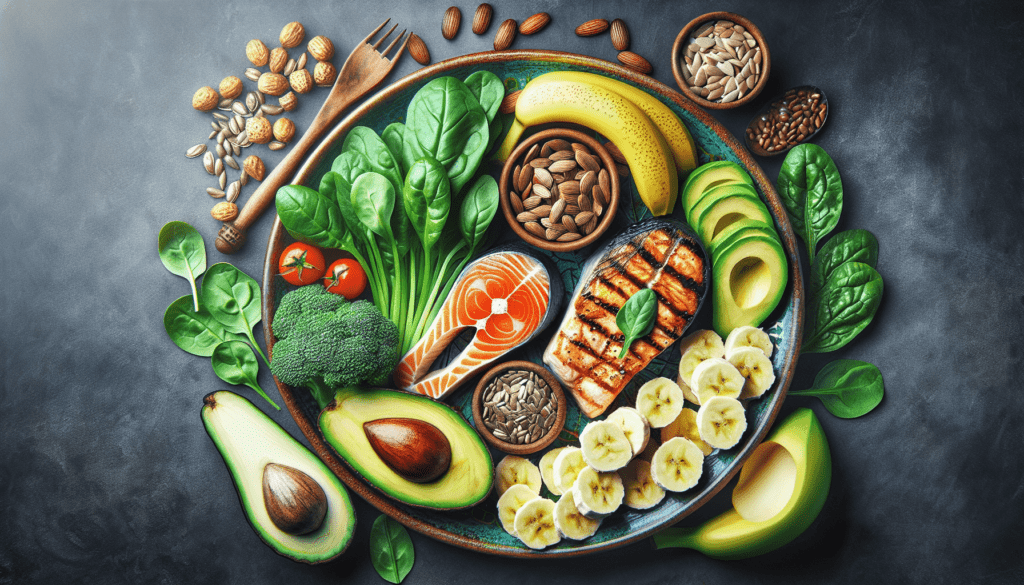
If you’re looking for a natural way to manage your cholesterol levels, incorporating vitamin B6 into your diet may be the solution you’ve been searching for. Vitamin B6, also known as pyridoxine, plays a crucial role in maintaining a healthy heart by keeping cholesterol levels in check. This essential nutrient can be easily incorporated into your daily meals, whether you’re a meat lover or a vegetarian. From incorporating foods rich in vitamin B6 into your breakfast routine to adding them to your favorite dinner recipes, there are numerous delicious and nutritious options available to help you maintain optimal cholesterol levels and promote overall heart health.
1. Understand the Importance of Vitamin B6 for Cholesterol Management
The role of Vitamin B6 in cholesterol metabolism
Vitamin B6 plays a crucial role in the metabolism of cholesterol in our bodies. It helps in the conversion of fats into energy and assists in the production of certain enzymes that are responsible for breaking down cholesterol. By promoting the breakdown of cholesterol, Vitamin B6 can help prevent the accumulation of this substance in the arteries and reduce the risk of heart disease.
The recommended daily intake of Vitamin B6 for adults
The recommended daily intake of Vitamin B6 for adults varies depending on age and gender. For men and women between the ages of 19 and 50, the recommended daily intake is 1.3 milligrams (mg). After the age of 50, the recommended intake increases to 1.7 mg for men and 1.5 mg for women. It is important to note that pregnant and breastfeeding women have higher Vitamin B6 needs and should consult with a healthcare provider for specific recommendations.
The benefits of Vitamin B6 for cholesterol management
In addition to its role in cholesterol metabolism, Vitamin B6 offers several other benefits for cholesterol management. It helps in the synthesis of HDL (good) cholesterol and aids in the conversion of homocysteine, a harmful amino acid, into other beneficial substances. By promoting the production of HDL cholesterol and reducing homocysteine levels, Vitamin B6 actively contributes to maintaining healthy cholesterol levels and preventing the development of heart disease.
2. Sources of Vitamin B6
Rich food sources of Vitamin B6
There are numerous food sources that are rich in Vitamin B6. Some excellent sources include:
- Poultry such as chicken and turkey breast
- Fish such as salmon, tuna, and cod
- Fortified cereals
- Beans and legumes like chickpeas and lentils
- Nuts and seeds, especially sunflower seeds
- Whole grains like brown rice and oats
Foods with moderate levels of Vitamin B6
In addition to the rich sources, there are also several foods that contain moderate levels of Vitamin B6. These include:
- Avocados
- Bananas
- Potatoes
- Spinach
- Carrots
Supplements as a source of Vitamin B6
While it is preferable to obtain nutrients from whole foods, Vitamin B6 supplements can be a convenient option for those who struggle to meet their daily intake through diet alone. Before starting any supplementation, it is important to consult with a healthcare provider to determine the appropriate dosage and ensure it does not interact with any medications or existing health conditions.

3. Meal Ideas to Incorporate Vitamin B6 into Your Diet
Breakfast options with Vitamin B6-rich foods
Start your day with a nutrient-packed breakfast that includes Vitamin B6-rich foods. Some ideas include:
- Oatmeal topped with sliced bananas and a handful of sunflower seeds
- Scrambled eggs with spinach and diced turkey breast
- Avocado toast on whole-grain bread sprinkled with salted sunflower seeds
Lunch ideas with Vitamin B6 sources
For a satisfying and nutritious lunch, consider incorporating these Vitamin B6 sources into your meal:
- Grilled chicken or turkey breast salad with a variety of vegetables and a drizzle of lemon-tahini dressing
- Lentil soup with a side of roasted sweet potatoes
- Whole-grain wrap filled with canned salmon, avocado, and spinach
Dinner recipes to boost Vitamin B6 intake
Make dinner a flavorful and nutritious affair with these Vitamin B6-rich recipes:
- Baked cod with a side of brown rice pilaf and steamed broccoli
- Stir-fried chicken and vegetable medley with a ginger-soy sauce, served over quinoa
- Roasted chickpea and vegetable curry with whole-grain naan bread
Snacks and desserts with Vitamin B6
Snacks and desserts can also be an opportunity to incorporate Vitamin B6 into your diet. Consider these options:
- Trail mix with dried apricots, sunflower seeds, and almonds
- Carrot and hummus dip
- Banana and almond butter smoothie
4. Cooking Techniques to Preserve Vitamin B6 Content
Optimal cooking methods to retain Vitamin B6 levels
To preserve the Vitamin B6 content in your foods, it is important to use cooking methods that minimize nutrient loss. Optimal cooking techniques include:
- Steaming: Steaming vegetables allows them to retain more nutrients compared to boiling.
- Grilling: Grilling meats and fish helps to lock in their nutritional value.
- Roasting: Roasting vegetables and proteins can enhance their flavors while minimizing nutrient loss.
Avoiding excessive heat and long cooking times
Excessive heat and prolonged cooking times can degrade the Vitamin B6 content in foods. It is best to avoid boiling or overcooking foods, as this can result in significant nutrient loss. Instead, aim for cooking methods that are efficient and minimize exposure to high temperatures.
Steaming and minimal water usage for Vitamin B6 preservation
Steaming is a particularly effective cooking method for preserving the Vitamin B6 content in foods. By using minimal water, steaming helps to prevent nutrient loss through leaching. It also retains the natural flavors and textures of the ingredients, making it a healthy and delicious option for preserving Vitamin B6.

5. Combining Vitamin B6 Foods with Other Cholesterol-Lowering Foods
Vitamin B6 and fiber-rich foods
Combining Vitamin B6 foods with fiber-rich options can enhance their cholesterol-lowering effects. High-fiber foods like whole grains, fruits, vegetables, and legumes can help reduce LDL (bad) cholesterol levels. Try pairing Vitamin B6-rich foods with options like quinoa, brown rice, apples, and black beans for a heart-healthy and delicious meal.
Vitamin B6 and omega-3 fatty acids
Omega-3 fatty acids have been shown to have significant benefits for heart health, including reducing triglyceride levels and inflammation. By combining Vitamin B6 foods with omega-3-rich options like fatty fish (salmon, mackerel, sardines), flaxseeds, and walnuts, you can create a powerful combination to support cholesterol management.
Vitamin B6 and plant sterols and stanols
Plant sterols and stanols are natural compounds found in certain fruits, vegetables, and fortified foods. They have been shown to lower LDL cholesterol levels by inhibiting its absorption in the intestines. Pairing Vitamin B6 foods with plant sterol and stanol-rich options like fortified margarine, orange juice, and almonds can further enhance their cholesterol-lowering effects.
Vitamin B6 and soluble fiber sources
Soluble fiber is known to reduce LDL cholesterol levels by binding to it and removing it from the body. Combining Vitamin B6 foods with soluble fiber sources like oats, beans, lentils, and Brussels sprouts can create a powerful combination for cholesterol management. Consider adding these ingredients to your meals to maximize their impact on your health.
6. Meal Planning Tips for Adequate Vitamin B6 Consumption
Including a variety of Vitamin B6 foods in your meal plan
To ensure adequate Vitamin B6 consumption, it is important to include a variety of Vitamin B6-rich foods in your meal plan. Rotate your sources regularly, and aim to incorporate different food groups such as poultry, fish, legumes, whole grains, and vegetables. This not only provides a wide array of nutrients but also keeps your meals interesting and enjoyable.
Balancing Vitamin B6 intake with other essential nutrients
While Vitamin B6 is important, it is crucial to maintain a balanced approach to nutrition. Remember to include other essential nutrients like vitamins A, C, D, E, and minerals such as potassium, magnesium, and calcium in your meal plan. This can be easily achieved by consuming a variety of whole, nutrient-dense foods.
Consulting a healthcare provider for personalized guidance
If you have specific dietary concerns or health conditions, it is recommended to consult with a healthcare provider or registered dietitian. They can offer personalized guidance and help you create a meal plan that meets your individual needs, including the appropriate intake of Vitamin B6 for cholesterol management.

7. Potential Risks and Precautions When Consuming Vitamin B6
Possible side effects of excessive Vitamin B6 intake
While Vitamin B6 is generally safe when consumed in recommended amounts, excessive intake can lead to side effects. Symptoms of Vitamin B6 toxicity may include nerve damage, numbness, and difficulty coordinating movements. It is important to stick to the recommended daily intake and refrain from exceeding the upper limits set by regulatory authorities.
Interaction of Vitamin B6 with certain medications
Vitamin B6 may interact with certain medications, such as those used to treat Parkinson’s disease and epilepsy. It is essential to inform your healthcare provider about all the medications you are taking to ensure there are no potential interactions. They can help you determine the appropriate dosage of Vitamin B6 and advise on any necessary adjustments.
Recommended upper intake levels of Vitamin B6
The recommended upper intake levels of Vitamin B6 have been established to prevent the risk of toxicity. For adults over the age of 19, the upper limit is set at 100 mg per day. It is important to avoid exceeding this limit to maintain proper health and prevent any adverse effects.
8. Monitoring and Adjusting Vitamin B6 Intake for Cholesterol Management
Measuring Vitamin B6 levels in the blood
Measuring Vitamin B6 levels in the blood can provide valuable information about your nutrient status. If you have concerns about your Vitamin B6 intake or suspect a deficiency, a healthcare provider can order a blood test to determine your levels. This can help guide adjustments to your diet or supplementation if necessary.
Guidelines for adjusting Vitamin B6 intake based on cholesterol levels
The optimal intake of Vitamin B6 for cholesterol management varies depending on individual health factors and cholesterol levels. If your cholesterol levels are not within the recommended ranges, it may be beneficial to consult with a healthcare provider to determine if adjustments to your diet, including Vitamin B6 intake, are necessary.
Regular check-ups and communicating with healthcare provider
To ensure ongoing success in managing cholesterol levels, it is important to have regular check-ups with your healthcare provider. They can monitor your progress, evaluate your response to dietary changes, and make any necessary adjustments to your treatment plan. Open communication with your healthcare provider is key in achieving optimal cholesterol management.

9. Lifestyle Changes to Support Cholesterol Management
Incorporating regular exercise into your routine
Regular physical activity is essential for maintaining healthy cholesterol levels. Engaging in aerobic exercises such as brisk walking, jogging, or cycling can help raise HDL cholesterol (good cholesterol) and lower LDL cholesterol (bad cholesterol). Aim for at least 150 minutes of moderate-intensity exercise per week, or as recommended by your healthcare provider.
Maintaining a healthy weight
Maintaining a healthy weight is vital for cholesterol management. Excess weight, especially around the midsection, can contribute to higher LDL cholesterol levels. By adopting a balanced and nutritious diet, along with regular exercise, you can achieve and maintain a healthy weight, which in turn supports healthy cholesterol levels.
Limiting alcohol consumption
Excessive alcohol consumption can negatively impact cholesterol levels, leading to an increase in LDL cholesterol and triglycerides. To support cholesterol management, limit your alcohol intake to moderate levels. For men, this means no more than two standard drinks per day, and for women, no more than one standard drink per day.
Quitting smoking
Smoking not only damages the lungs, but it also has a detrimental effect on cholesterol levels. It lowers HDL (good cholesterol) while increasing LDL (bad cholesterol) and the risk of heart disease. Quitting smoking is one of the most impactful ways to improve your cholesterol profile and overall health. Seek support from healthcare professionals or smoking cessation programs to successfully quit smoking.
10. Final Thoughts on Incorporating Vitamin B6 into Your Diet for Cholesterol Management
The role of overall diet and lifestyle in cholesterol management
While Vitamin B6 plays an important role in cholesterol management, it is essential to remember that it is just one piece of the puzzle. A holistic approach that includes a healthy diet, regular exercise, maintaining a healthy weight, limiting alcohol consumption, and quitting smoking is crucial for effectively managing cholesterol levels. By combining these lifestyle factors, you can achieve optimal cholesterol health.
The importance of a balanced approach to nutrition
Incorporating Vitamin B6-rich foods into your diet is an excellent step towards managing your cholesterol levels. However, it is important to maintain a balanced approach to nutrition by including a wide variety of whole, nutrient-dense foods. This ensures that you receive all the necessary vitamins, minerals, and other essential nutrients that contribute to overall health and wellness.
Seeking professional guidance for personalized recommendations
Every individual is unique, and the ideal approach to cholesterol management may vary. It is recommended to seek professional guidance from a healthcare provider or registered dietitian to receive personalized recommendations tailored to your specific needs. They can help you create a meal plan, monitor your progress, and make any necessary adjustments for optimal cholesterol management.