
Are you looking for effective ways to lower your cholesterol levels? Look no further! In this article, we will provide you with essential information on supplements for lowering cholesterol, including the proper dosage and usage guidelines. By incorporating these supplements into your daily routine, you can take control of your cholesterol and maintain a healthy heart. So let’s dive in and discover how these supplements can support your journey towards better cardiovascular health!
Introduction to Cholesterol
Cholesterol is a waxy, fat-like substance that is found in every cell of your body. It plays an important role in the production of hormones, Vitamin D, and digestive bile. However, having high levels of cholesterol in your blood can increase your risk of developing heart disease and other health problems. Understanding the different types of cholesterol and the importance of managing your cholesterol levels is crucial for maintaining good health.
Understanding Cholesterol and its Types
There are two main types of cholesterol: low-density lipoprotein (LDL) cholesterol, often referred to as “bad” cholesterol, and high-density lipoprotein (HDL) cholesterol, known as “good” cholesterol. LDL cholesterol can build up in the arteries, leading to plaque formation and narrowing of the blood vessels. On the other hand, HDL cholesterol helps remove LDL cholesterol from the bloodstream, reducing the risk of heart disease.
The Importance of Managing Cholesterol Levels
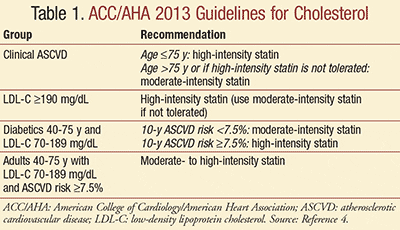
Managing your cholesterol levels is essential for maintaining a healthy heart and preventing cardiovascular diseases. With the right lifestyle modifications and the use of certain supplements, you can effectively lower your LDL cholesterol levels and increase your HDL cholesterol levels. By doing so, you can significantly reduce your risk of heart disease and improve your overall well-being.
Supplements for Lowering Cholesterol
When it comes to managing cholesterol levels, supplements can be a helpful addition to your routine. There are different types of supplements that have been proven to be effective in lowering cholesterol levels. These supplements work in various ways to help reduce LDL cholesterol and promote heart health.

Different Types of Supplements
-
Plant Sterols: Plant sterols, also known as phytosterols, are naturally occurring compounds found in plants that have been shown to lower LDL cholesterol levels. These compounds work by blocking the absorption of cholesterol in the intestines, leading to a decrease in overall cholesterol levels.
-
Psyllium Fiber: Psyllium fiber is a soluble fiber derived from the seeds of the Plantago ovata plant. This natural fiber has been found to reduce LDL cholesterol levels by binding to cholesterol in the digestive system and preventing its absorption into the bloodstream. It can also help promote regularity and improve overall digestive health.
-
Fish Oil: Fish oil is rich in omega-3 fatty acids, which have been shown to have numerous health benefits, including reducing inflammation and lowering triglyceride levels. Omega-3 fatty acids can also help increase HDL cholesterol levels and reduce LDL cholesterol levels, ultimately improving heart health.
-
Garlic: Garlic has long been recognized for its potential health benefits, including its ability to lower cholesterol levels. Garlic supplements contain compounds that can help decrease LDL cholesterol and triglyceride levels, as well as increase HDL cholesterol levels. It may also have antioxidant and anti-inflammatory properties.
-
Red Yeast Rice: Red yeast rice is a traditional Chinese fermented rice product that has been used for centuries to promote heart health. It contains naturally occurring compounds called monacolins, which are similar to the active ingredient found in some cholesterol-lowering medications. Red yeast rice supplements have been shown to effectively lower LDL cholesterol levels.
Benefits of Using Supplements for Cholesterol Management
Supplements can provide a natural and convenient way to support your cholesterol management efforts. They can be easily incorporated into your daily routine and may offer several benefits, including:
-
Lowering LDL cholesterol levels: Many supplements, such as plant sterols and psyllium fiber, have been clinically proven to reduce LDL cholesterol levels and promote heart health.
-
Increasing HDL cholesterol levels: Certain supplements, like fish oil and garlic, have been shown to increase HDL cholesterol levels, which helps remove LDL cholesterol from the bloodstream.
-
Enhancing overall cardiovascular health: By reducing LDL cholesterol levels and improving the lipid profile, supplements can help lower the risk of heart disease and other cardiovascular problems.
-
Providing additional nutrients: Some supplements, like fish oil, also contain essential nutrients such as omega-3 fatty acids, which have various health benefits beyond cholesterol management.

Dosage Guidelines
It is important to consult with a healthcare professional before starting any new supplement regimen. They can assess your individual needs, evaluate any potential interactions with medications you are taking, and provide personalized dosage recommendations.
Consulting a Healthcare Professional
Before adding any new supplements to your routine, it is crucial to consult with a healthcare professional, such as your doctor or a registered dietitian. They can evaluate your overall health, review your medical history, and provide personalized recommendations based on your specific needs. This is especially important if you have pre-existing medical conditions or are taking medications, as some supplements may interact with certain drugs.
Finding the Right Dosage for Individual Needs
The optimal dosage of a supplement may vary depending on individual factors such as age, gender, weight, and overall health. Your healthcare professional will consider these factors when determining the appropriate dosage for you. It is important to follow their recommendations and not exceed the recommended dosage, as excessive intake of certain supplements may have adverse effects on your health.
Usage Guidelines for Plant Sterols
What are Plant Sterols?
Plant sterols are naturally occurring compounds found in fruits, vegetables, nuts, and seeds. They have a similar structure to cholesterol and work by blocking the absorption of cholesterol in the digestive system.
Recommended Dosage and Usage Instructions
The recommended dosage of plant sterols varies, but generally ranges between 1.5 to 3 grams per day. This can be achieved through a combination of dietary sources and supplements. It is important to spread the intake throughout the day for optimal absorption. Plant sterols can be found in various forms, such as capsules, powders, and fortified foods. Follow the instructions provided on the supplement packaging or consult your healthcare professional for specific usage guidelines.
Possible Side Effects and Precautions
Plant sterols are generally safe for most individuals when consumed as recommended. However, some people may experience digestive issues such as bloating, gas, or diarrhea. If you have a known allergy to certain plants, it is important to check the source of the plant sterols to avoid any adverse reactions. As with any supplement, it is always best to consult with a healthcare professional before starting plant sterol supplementation.
Usage Guidelines for Psyllium Fiber
What is Psyllium Fiber?
Psyllium fiber is a soluble fiber derived from the seeds of the Plantago ovata plant. It is commonly used as a dietary supplement to support digestive health and promote regularity.
Recommended Dosage and Usage Instructions
The recommended dosage of psyllium fiber varies, but a typical dose for cholesterol management is around 5 grams, taken one to three times daily. It is important to mix the psyllium fiber with an adequate amount of water or other fluids to prevent choking or gastrointestinal discomfort. Start with a smaller dosage and gradually increase to the recommended amount. Follow the usage instructions provided on the supplement packaging or consult your healthcare professional for personalized recommendations.
Possible Side Effects and Precautions
Psyllium fiber is generally safe for most individuals when taken as directed. However, some people may experience mild digestive side effects such as bloating, gas, or stomach cramps. It is important to drink plenty of water when consuming psyllium fiber to prevent dehydration. Individuals with certain medical conditions, such as difficulty swallowing, intestinal blockage, or diabetes, should consult with a healthcare professional before starting psyllium fiber supplementation.
Usage Guidelines for Fish Oil
What is Fish Oil?
Fish oil is derived from the tissues of fatty fish, such as salmon, mackerel, and sardines. It is rich in omega-3 fatty acids, which have been shown to have numerous health benefits, including reducing inflammation and supporting heart health.
Recommended Dosage and Usage Instructions
The recommended dosage of fish oil varies depending on the concentration of omega-3 fatty acids in the supplement. For general heart health, a daily dosage of 1 gram of combined EPA and DHA (the main omega-3 fatty acids) is often recommended. However, higher dosages may be recommended for individuals with specific health conditions. It is important to follow the dosage instructions provided on the supplement packaging or consult your healthcare professional for personalized recommendations.
Possible Side Effects and Precautions
Fish oil is generally safe for most individuals when taken as directed. However, high doses of fish oil may cause digestive issues such as nausea, diarrhea, or fishy burps. Individuals with bleeding disorders or taking blood-thinning medications should exercise caution when taking fish oil supplements, as they may increase the risk of bleeding. It is always advisable to consult with a healthcare professional before starting fish oil supplementation.
Usage Guidelines for Garlic
What are Garlic Supplements?
Garlic supplements are derived from the garlic plant and contain compounds that may have various health benefits, including supporting heart health and lowering cholesterol levels.
Recommended Dosage and Usage Instructions
The recommended dosage of garlic supplements varies depending on the formulation and concentration of active compounds. A typical dosage range for cholesterol management is between 600 to 1,200 mg of garlic extract per day, standardized to contain a specific amount of allicin, the active compound. It is important to follow the dosage instructions provided on the supplement packaging or consult your healthcare professional for personalized recommendations.
Possible Side Effects and Precautions
Garlic supplements are generally safe for most individuals when taken as directed. However, some people may experience digestive issues, such as heartburn or indigestion, and allergic reactions. Garlic may also interact with certain medications, including blood-thinning drugs. If you have any known allergies or are taking medications, it is important to consult with a healthcare professional before starting garlic supplementation.
Usage Guidelines for Red Yeast Rice
What is Red Yeast Rice?
Red yeast rice is a traditional Chinese fermented rice product that contains naturally occurring compounds called monacolins. Monacolins have been shown to have cholesterol-lowering effects and are similar to the active ingredient found in some cholesterol-lowering medications.
Recommended Dosage and Usage Instructions
The recommended dosage of red yeast rice varies depending on the concentration of monacolins. A typical dosage range is between 1,200 to 2,400 mg per day, standardized to contain a specific amount of monacolins. It is important to follow the dosage instructions provided on the supplement packaging or consult your healthcare professional for personalized recommendations.
Possible Side Effects and Precautions
Red yeast rice supplements are generally safe for most individuals when taken as directed. However, some people may experience digestive issues, muscle pain, or liver problems. It is important to note that the use of red yeast rice supplements may also be contraindicated for individuals with liver disease or those taking certain medications, including statins. It is crucial to consult with a healthcare professional before starting red yeast rice supplementation.
Combining Supplements with a Healthy Lifestyle
While supplements can be beneficial in managing cholesterol levels, they are not a substitute for a healthy lifestyle. It is important to maintain a well-rounded approach that includes a balanced diet, regular exercise, and other heart-healthy habits.
The Importance of Diet and Exercise
A healthy diet rich in fruits, vegetables, whole grains, lean proteins, and healthy fats can help support cholesterol management efforts. Limiting saturated and trans fats, cholesterol-rich foods, and processed snacks can also have a positive impact on your lipid profile. Regular physical activity, such as brisk walking or aerobic exercises, can help increase HDL cholesterol levels and improve overall cardiovascular health.
Tips for Maintaining a Healthy Lifestyle alongside Supplements
-
Follow a balanced and nutritious diet: Incorporate a variety of fruits, vegetables, whole grains, lean proteins, and healthy fats into your meals. Limit the intake of saturated and trans fats, cholesterol-rich foods, and processed snacks.
-
Engage in regular physical activity: Aim for at least 150 minutes of moderate-intensity aerobic exercise or 75 minutes of vigorous-intensity aerobic exercise each week. Include activities that raise your heart rate and promote cardiovascular health.
-
Maintain a healthy weight: Achieve and maintain a healthy weight through a combination of balanced eating and regular exercise.
-
Manage stress levels: Find effective stress management techniques that work for you, such as meditation, deep breathing exercises, or engaging in hobbies.
-
Avoid smoking and limit alcohol consumption: Smoking can raise LDL cholesterol levels and increase the risk of heart disease. Limiting alcohol consumption is also important, as excessive intake can have negative effects on cholesterol levels and overall health.
By combining the use of supplements with a healthy lifestyle, you can optimize your cholesterol management efforts and promote long-term heart health. Remember to consult with a healthcare professional before starting any new supplement regimen, and be consistent in following their recommendations. With dedication and a well-rounded approach, you can effectively lower your cholesterol levels and improve your overall well-being.