
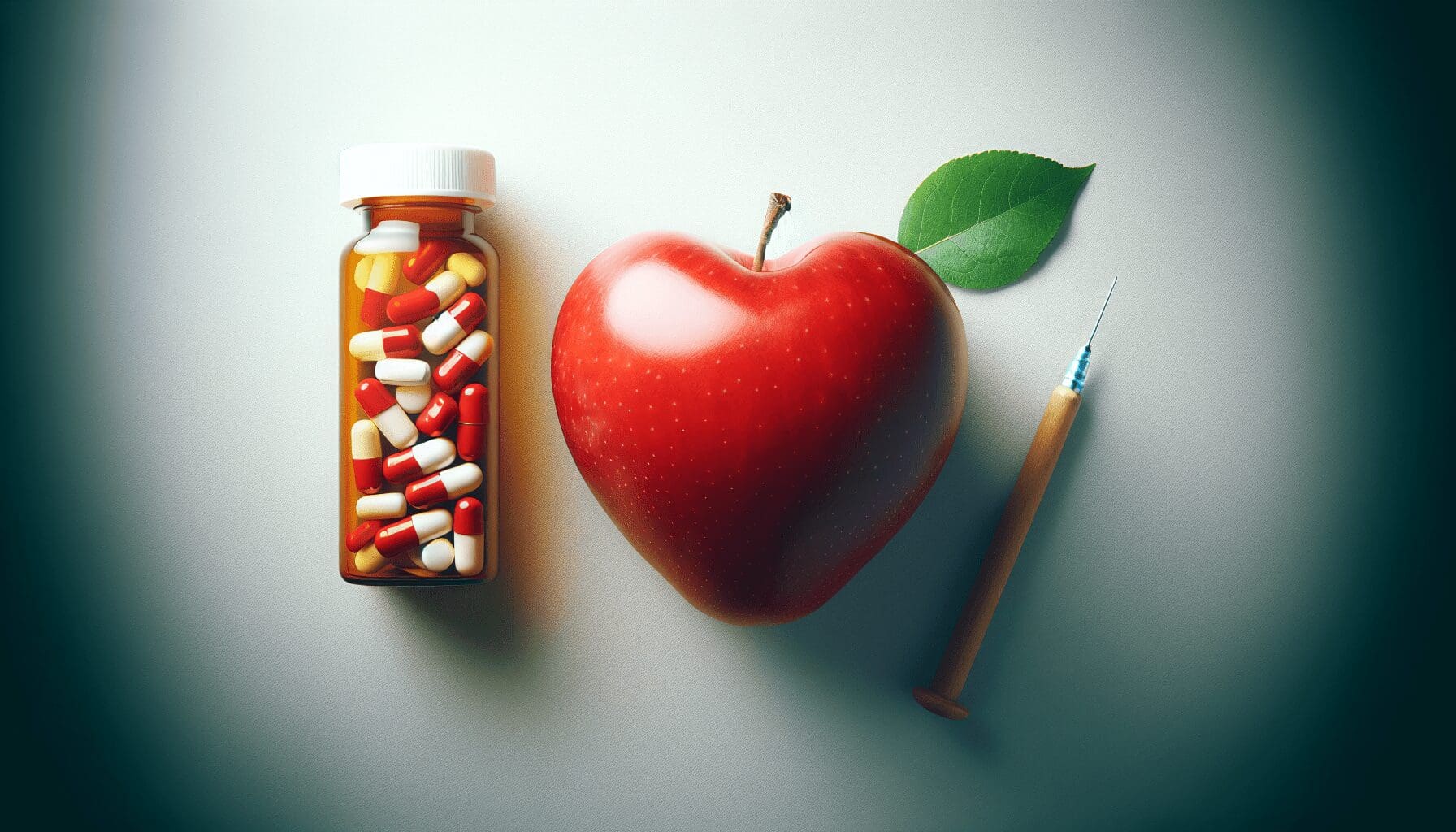
You’re on a mission to lower your cholesterol levels, but you’re looking for natural ways to do it. Look no further than this ultimate guide, which will walk you through the world of supplements that can help you achieve your goal. From well-known options like fish oil and red yeast rice to lesser-known ones like plant sterols and garlic extract, this comprehensive guide covers it all. Get ready to discover the power of these supplements and take charge of your heart health.
Understanding Cholesterol
Cholesterol is a waxy substance that is found in the cells of your body. It is important for various bodily functions, such as producing hormones and digesting food. However, having high levels of cholesterol in your blood can increase your risk of developing heart disease. Understanding cholesterol and how it affects your health is crucial for making informed decisions about your well-being.
What is Cholesterol?
Cholesterol is a type of lipid, or fat, that is carried through your bloodstream by proteins called lipoproteins. There are two main types of cholesterol: low-density lipoprotein (LDL) cholesterol, often referred to as “bad” cholesterol, and high-density lipoprotein (HDL) cholesterol, often referred to as “good” cholesterol.
The Different Types of Cholesterol
LDL cholesterol is considered “bad” because it can build up on the walls of your arteries, forming plaque that narrows the arteries and restricts blood flow. This can increase your risk of heart disease and stroke. On the other hand, HDL cholesterol is considered “good” because it helps remove LDL cholesterol from your arteries and carries it back to your liver for disposal.
In addition to LDL and HDL cholesterol, there is another type of fat called triglycerides. High levels of triglycerides can also increase your risk of heart disease. It is important to keep all these cholesterol levels within a healthy range to maintain optimal heart health.
The Relationship Between Cholesterol and Heart Health
Having high levels of LDL cholesterol and triglycerides, along with low levels of HDL cholesterol, can increase your risk of heart disease. When LDL cholesterol builds up in your arteries, it can cause blockages that can lead to heart attacks or strokes.
Additionally, when there is an imbalance between LDL and HDL cholesterol in your body, it can lead to inflammation and oxidative stress, which further contribute to the development of heart disease. Therefore, it is essential to manage your cholesterol levels to keep your heart healthy.
Dietary Supplements for Lowering Cholesterol
While diet and lifestyle changes are the first line of defense against high cholesterol, some people may benefit from the use of dietary supplements to help lower their cholesterol levels. These supplements can complement a healthy lifestyle and provide additional support for maintaining optimal cholesterol levels.
Plant Sterols and Stanols
Plant sterols and stanols are compounds that occur naturally in plants. They have a structure similar to cholesterol and can reduce LDL cholesterol levels by blocking its absorption in the intestines. By preventing the absorption of cholesterol from food, plant sterols and stanols help lower LDL cholesterol levels and reduce the risk of heart disease.
These compounds can be found in some fortified foods, such as margarine and orange juice, but are also available as dietary supplements in the form of capsules or tablets. When used as directed, plant sterols and stanols can be an effective addition to a cholesterol-lowering regimen.
Omega-3 Fatty Acids
Omega-3 fatty acids are a type of polyunsaturated fat that is known for its various health benefits, including reducing inflammation and improving cardiovascular health. They have been shown to lower triglyceride levels and potentially reduce the risk of heart disease.
The two main types of omega-3 fatty acids found in dietary supplements are eicosapentaenoic acid (EPA) and docosahexaenoic acid (DHA). These can be obtained from oily fish, such as salmon and sardines, or from fish oil supplements. Alternatively, vegetarian options such as algae-based supplements are available for those who do not consume fish.
Soluble Fiber
Dietary fiber is essential for maintaining a healthy digestive system, but certain types of fiber, known as soluble fiber, can also help lower cholesterol levels. Soluble fiber binds to cholesterol in the intestines and prevents its absorption into the bloodstream.
Sources of soluble fiber include fruits, vegetables, whole grains, and legumes. However, if you struggle to consume enough soluble fiber through your diet alone, dietary supplements can provide an additional source of this heart-healthy nutrient.
Garlic
Garlic has long been recognized for its potential health benefits, including its ability to lower cholesterol levels. Allicin, a compound found in garlic, is believed to be responsible for its cholesterol-lowering effects.
While more research is needed to fully understand the impact of garlic on cholesterol levels, studies suggest that incorporating garlic into your diet or taking garlic supplements may have a modest effect on reducing LDL cholesterol. Garlic is a versatile ingredient that can be used in various dishes, making it an easy addition to your cholesterol-lowering plan.
Niacin
Niacin, also known as vitamin B3, is a nutrient that plays a vital role in energy production and metabolism. It can also help lower LDL cholesterol and triglyceride levels while raising HDL cholesterol levels.
Niacin is available over-the-counter as a dietary supplement, but it is important to consult with your doctor before starting niacin therapy, as it can have side effects and interactions with certain medications. Your doctor can determine the appropriate dosage and monitor your progress to ensure its effectiveness.
Red Yeast Rice
Red yeast rice is a traditional Chinese dietary supplement that has been used for centuries to promote heart health. It is made by fermenting rice with a specific strain of red yeast, which contains a compound called monacolin K.
Monacolin K is structurally identical to lovastatin, a prescription medication used to lower cholesterol. Therefore, red yeast rice supplements can have similar cholesterol-lowering effects. However, it is important to note that the FDA considers red yeast rice with more than trace amounts of monacolin K to be a drug, and it may pose the same risks and side effects as statin medications.
Herbal Supplements for Lowering Cholesterol
In addition to dietary supplements, there are also several herbal supplements that have been traditionally used to support healthy cholesterol levels. It is important to note that the effectiveness of herbal supplements can vary, and more research is needed to fully understand their potential benefits and safety.
Artichoke Extract
Artichoke extract is derived from the leaves of the artichoke plant and has been used in traditional medicine for its potential cholesterol-lowering effects. It contains compounds called cynarins, which are believed to promote the excretion of cholesterol from the body and inhibit its synthesis.
While the research on artichoke extract is limited, some studies suggest that it may have a modest effect on reducing total cholesterol and LDL cholesterol levels. However, more research is needed to confirm these potential benefits and determine the optimal dosage.
Turmeric
Turmeric is a spice that is commonly used in Indian cuisine and has gained popularity for its potential health benefits. It contains a compound called curcumin, which has antioxidant and anti-inflammatory properties.
While turmeric is not specifically known for its cholesterol-lowering effects, research suggests that curcumin may help improve HDL cholesterol levels and reduce LDL oxidation, which is believed to contribute to the development of heart disease. Turmeric can be incorporated into cooking or taken as a dietary supplement.
Green Tea
Green tea is rich in antioxidants and has been associated with various health benefits, including potential cardiovascular benefits. It contains compounds called catechins, which have been shown to help lower LDL cholesterol levels and reduce the risk of heart disease.
Drinking green tea regularly or taking green tea extract supplements may contribute to improving your cholesterol profile. However, it is important to note that adding excessive amounts of sugar or sweeteners to your tea can negate its health benefits.
Guggul
Guggul is a resin derived from the guggul tree, which is native to India. It has been used in Ayurvedic medicine for centuries and is believed to have various health benefits, including supporting healthy cholesterol levels.
Guggul contains compounds called guggulsterones, which have been shown to help reduce LDL cholesterol levels and increase HDL cholesterol levels. However, the research on guggul is limited, and more studies are needed to confirm its effectiveness and determine the optimal dosage.
Policosanol
Policosanol is a mixture of natural compounds extracted from sugar cane wax and other plant sources. It has been studied for its potential cholesterol-lowering effects and has shown promise in several clinical trials.
Research suggests that policosanol may help lower LDL cholesterol levels and increase HDL cholesterol levels. It is believed to work by inhibiting the synthesis of cholesterol in the liver. Policosanol is available as a dietary supplement and is generally well-tolerated, but it is essential to speak with your doctor before starting any new supplement regimen.
Choosing the Right Supplements
When considering using supplements to help lower your cholesterol, there are several factors to take into account to ensure their effectiveness and safety.
Consulting Your Doctor
Before starting any new supplement regimen, it is crucial to consult with your doctor or a qualified healthcare professional. They can evaluate your individual health needs, review your current medications, and provide personalized recommendations based on your unique circumstances.
Your doctor can also help monitor your progress and make any necessary adjustments to your treatment plan to help you achieve optimal cholesterol levels.
Checking for Quality and Purity
When choosing dietary or herbal supplements, it is important to look for reputable brands that adhere to good manufacturing practices. Look for third-party certifications, such as those from organizations like NSF International or the United States Pharmacopeia (USP), as they ensure quality and purity.
Additionally, reading customer reviews and seeking recommendations from healthcare professionals or trusted sources can provide helpful insights on the quality and effectiveness of different supplements.
Considering Potential Side Effects and Interactions
While supplements can offer valuable support for cholesterol management, it is essential to consider potential side effects and interactions. Some supplements, such as niacin or red yeast rice, may have side effects or interact with certain medications.
It is important to disclose all your current medications, including over-the-counter drugs and herbal supplements, to your doctor to identify any potential interactions. They can help ensure that the supplements you choose are safe and compatible with your existing treatment plan.

Combining Supplements with Lifestyle Changes
While dietary supplements can provide additional support for lowering cholesterol levels, they should not replace a healthy lifestyle. Adopting and maintaining healthy habits is crucial for maximizing the effectiveness of supplements and ensuring long-term heart health.
Maintaining a Healthy Diet
A heart-healthy diet is the foundation for managing cholesterol levels. Focus on consuming whole foods, such as fruits, vegetables, whole grains, lean proteins, and healthy fats. Avoid processed foods, sugary snacks, and foods high in saturated and trans fats, as they can contribute to high cholesterol levels.
Incorporate cholesterol-lowering foods into your diet, such as avocados, fatty fish, nuts, seeds, and legumes. These foods are rich in nutrients, including omega-3 fatty acids, fiber, and plant sterols, which can help reduce LDL cholesterol levels.
Regular Physical Activity
Engaging in regular physical activity is another essential component of a healthy lifestyle and can contribute to lowering cholesterol levels. Aim for at least 150 minutes of moderate-intensity aerobic activity or 75 minutes of vigorous-intensity aerobic activity per week.
Exercise helps raise HDL cholesterol, reduce triglyceride levels, and improve overall cardiovascular health. Find activities you enjoy, such as walking, cycling, swimming, or dancing, and make them a regular part of your routine.
Managing Stress
Chronic stress can have a negative impact on your overall health, including your heart health. Find healthy ways to manage stress, such as practicing relaxation techniques, engaging in hobbies, spending time with loved ones, or seeking proper support when needed.
Stress management techniques, such as meditation, deep breathing exercises, or engaging in activities that bring you joy, can help reduce stress levels and promote heart health.
Quitting Smoking
Smoking not only increases your risk of numerous health conditions, including heart disease, but it also negatively affects your cholesterol levels. Smoking damages blood vessels, reduces HDL cholesterol levels, and increases the buildup of plaque in the arteries.
Quitting smoking is one of the most significant steps you can take to improve your heart health and lower your cholesterol levels. Seek support from healthcare professionals or smoking cessation programs to increase your chances of successfully quitting.
Possible Risks and Precautions
While supplements can be valuable in helping lower cholesterol, it is important to be aware of potential risks and take necessary precautions to ensure your safety.
Potential Interactions with Medications
Some dietary and herbal supplements may interact with certain medications, including cholesterol-lowering medications, blood thinners, and medications for other health conditions. These interactions can affect the effectiveness of both the supplements and the medications.
To avoid potential interactions, it is essential to inform your doctor or pharmacist about all the supplements and medications you are taking. They can evaluate the potential risks and benefits and make appropriate recommendations.
Allergic Reactions and Side Effects
Although dietary and herbal supplements are generally well-tolerated, they can still cause allergic reactions or side effects in some individuals. Common side effects may include digestive issues, headaches, or allergic skin reactions.
If you experience any unexpected or concerning symptoms after starting a new supplement, discontinue use and seek medical advice. Allergic reactions, such as difficulty breathing, swelling, or hives, require immediate medical attention.
Avoiding Overdose
While supplements can be beneficial, it is important to remember that more is not always better. Taking excessive amounts of certain supplements, such as niacin or fish oil, can lead to adverse effects and potential toxicity.
Always follow the recommended dosage instructions provided by the manufacturer or, preferably, as advised by your doctor or healthcare professional. Taking supplements in excess does not necessarily translate to greater benefits and can do more harm than good.
In conclusion, understanding cholesterol and its impact on your health is essential for making informed decisions to maintain optimal heart health. While dietary and herbal supplements can add support to a healthy lifestyle, they should not replace the foundation of a balanced diet, regular exercise, stress management, and smoking cessation. By incorporating supplements under the guidance of your doctor, choosing high-quality products, and considering potential risks, you can take proactive steps in managing your cholesterol levels and promoting your overall well-being.