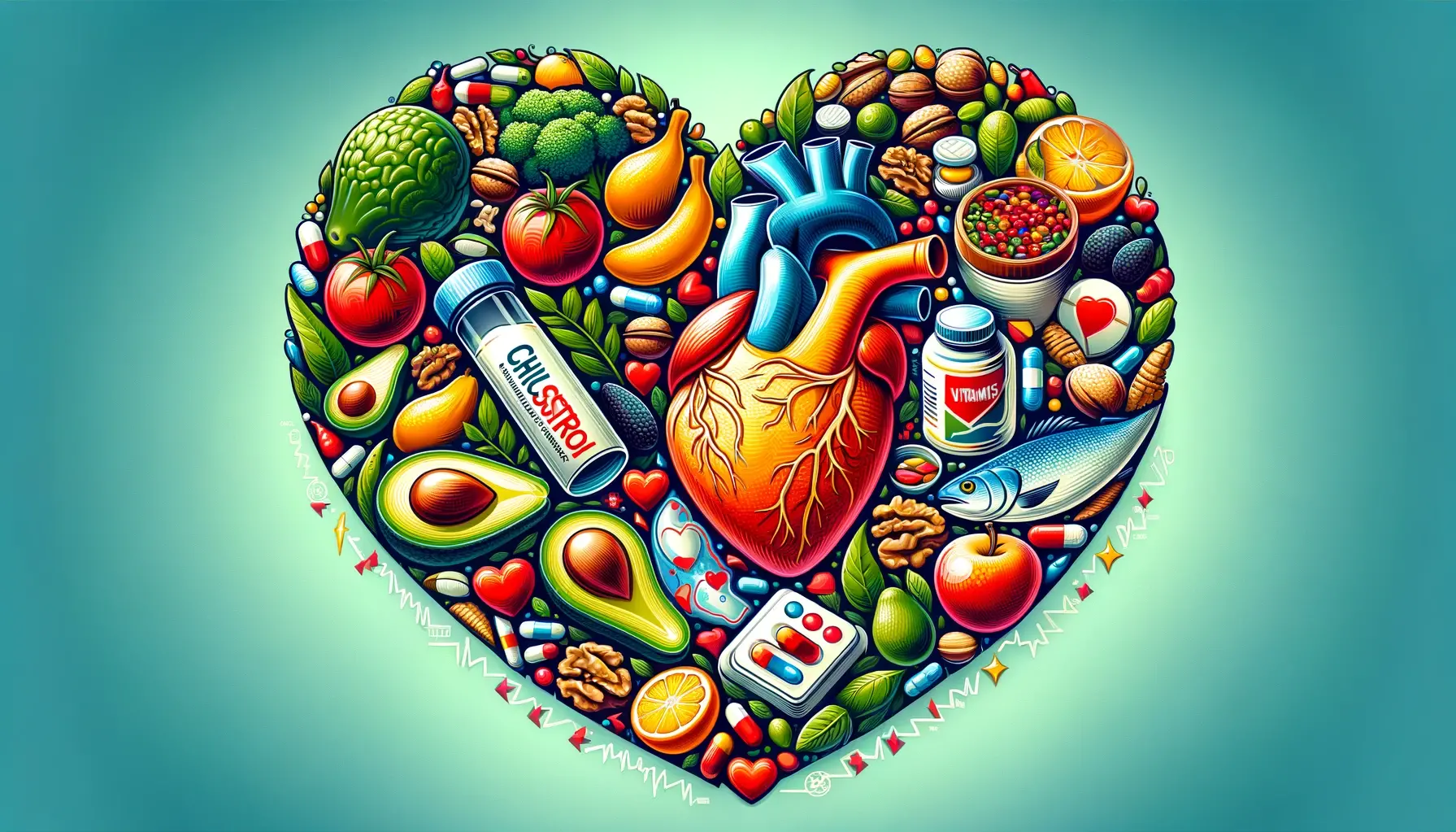

Have you been struggling to lower your cholesterol levels despite taking vitamins regularly?
Cholesterol is a vital substance in our bodies that helps form cell membranes, produce hormones, and digest fat. However, high cholesterol levels can increase your risk of heart disease and stroke. Many people turn to vitamins as a natural way to lower their cholesterol levels, but did you know that combining vitamins with exercise can optimize their cholesterol-lowering effects?
Understanding Cholesterol and its Effects on the Body
Cholesterol is a waxy substance that is found in every cell of your body. Your body needs cholesterol to build healthy cells, but having high levels of cholesterol can increase your risk of heart disease. There are two main types of cholesterol:
-
Low-Density Lipoprotein (LDL): Known as the “bad” cholesterol, high levels of LDL cholesterol can lead to plaque buildup in your arteries, increasing your risk of heart disease.
-
High-Density Lipoprotein (HDL): Referred to as the “good” cholesterol, HDL helps carry the bad cholesterol away from your arteries to be processed by your liver.
When your LDL cholesterol levels are high and your HDL cholesterol levels are low, you are at a higher risk of developing heart disease. This is why it is essential to take steps to lower your cholesterol levels, whether through diet, supplements, exercise, or medication.
The Role of Vitamins in Lowering Cholesterol
Vitamins are organic compounds that are essential for various bodily functions, including maintaining healthy cholesterol levels. Some vitamins have been found to have cholesterol-lowering properties:
Vitamin C:
Vitamin C is a powerful antioxidant that can help reduce LDL cholesterol levels and prevent the oxidation of LDL cholesterol, which can lead to the formation of plaque in your arteries. Foods rich in vitamin C include citrus fruits, bell peppers, strawberries, and kiwi.
Vitamin E:
Vitamin E is another antioxidant that can help prevent the oxidation of LDL cholesterol and reduce inflammation in your blood vessels. Foods rich in vitamin E include nuts, seeds, spinach, and broccoli.
Vitamin D:
Vitamin D plays a crucial role in calcium absorption and bone health, but it has also been linked to lower LDL cholesterol levels. Sunlight is the best source of vitamin D, but you can also find it in fatty fish, fortified dairy products, and mushrooms.
Vitamin B3 (Niacin):
Niacin is a B vitamin that can help raise HDL cholesterol levels and lower LDL cholesterol levels. However, it is essential to follow your healthcare provider’s guidance when taking niacin supplements, as high doses can cause side effects.
Combining Vitamins with Exercise for Maximum Benefits
While vitamins can help lower your cholesterol levels, combining them with regular exercise can amplify their effects. Exercise has been shown to increase HDL cholesterol levels, improve blood circulation, and reduce inflammation in your body—all of which can help lower your risk of heart disease.
The Benefits of Cardiovascular Exercise
Cardiovascular exercise, also known as aerobic exercise, includes activities that elevate your heart rate and increase your oxygen consumption. Examples of cardiovascular exercise include walking, running, cycling, swimming, and dancing. Regular cardiovascular exercise can:
- Increase HDL cholesterol levels
- Lower LDL cholesterol levels
- Improve blood flow and circulation
- Aid in weight management
- Reduce inflammation and oxidative stress

Creating a Balanced Exercise Routine
To optimize the cholesterol-lowering effects of vitamins with exercise, it is essential to create a balanced exercise routine that includes cardiovascular exercise, strength training, and flexibility exercises. Here are some tips for incorporating exercise into your daily routine:
-
Start Slow: If you are new to exercise, start slow and gradually increase the intensity and duration of your workouts. Consistency is key, so aim to exercise for at least 30 minutes most days of the week.
-
Mix It Up: Incorporate a variety of cardiovascular activities, such as walking, cycling, and swimming, to keep your workouts engaging and challenging. Add strength training exercises using weights, resistance bands, or bodyweight exercises to build muscle and improve overall strength.
-
Stay Consistent: Make exercise a regular part of your routine by scheduling specific times for workouts and sticking to them. Consider working out with a friend or joining a fitness class to stay motivated and accountable.
Tracking Your Progress
Tracking your progress is essential for staying motivated and seeing results. Consider keeping a workout journal to record your exercise routines, set goals, and track your improvements over time. You can also use fitness apps or wearable devices to monitor your heart rate, calories burned, and steps taken.
Building Healthy Habits for Life
Incorporating vitamins and exercise into your daily routine is not just a temporary fix but a long-term commitment to your health and well-being. Building healthy habits for life can help you maintain healthy cholesterol levels, prevent chronic diseases, and improve your overall quality of life.
Conclusion
Lowering your cholesterol levels naturally through a combination of vitamins and exercise is an effective way to reduce your risk of heart disease and improve your overall health. By understanding the role of vitamins in cholesterol management, incorporating regular exercise into your routine, and making healthy lifestyle choices, you can optimize the cholesterol-lowering effects of vitamins and enjoy a healthier, more active lifestyle.
Remember, always consult with your healthcare provider before starting any new vitamin supplements or exercise routine, especially if you have pre-existing health conditions or are taking medications that may interact with vitamins or exercise. Your health and safety should always be your top priority.