Do You Know Your Cholesterol Levels?
Before we dive into creating a balanced diet for managing cholesterol, it’s important to know your current cholesterol levels. High cholesterol levels can increase your risk of heart disease and other health problems. Make sure to get regular check-ups and blood tests to keep track of your cholesterol levels.
Understanding Cholesterol
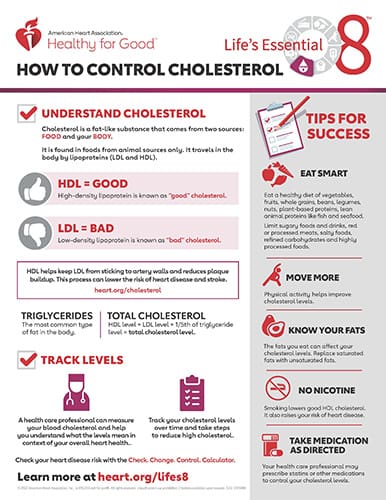
Cholesterol is a fatty substance found in your blood that your body needs to function properly. There are two main types of cholesterol: low-density lipoprotein (LDL) and high-density lipoprotein (HDL). LDL cholesterol is often referred to as “bad” cholesterol because high levels can lead to plaque buildup in your arteries, increasing your risk of heart disease. HDL cholesterol, on the other hand, is known as “good” cholesterol because it helps remove LDL cholesterol from your arteries.
The Importance of a Balanced Diet
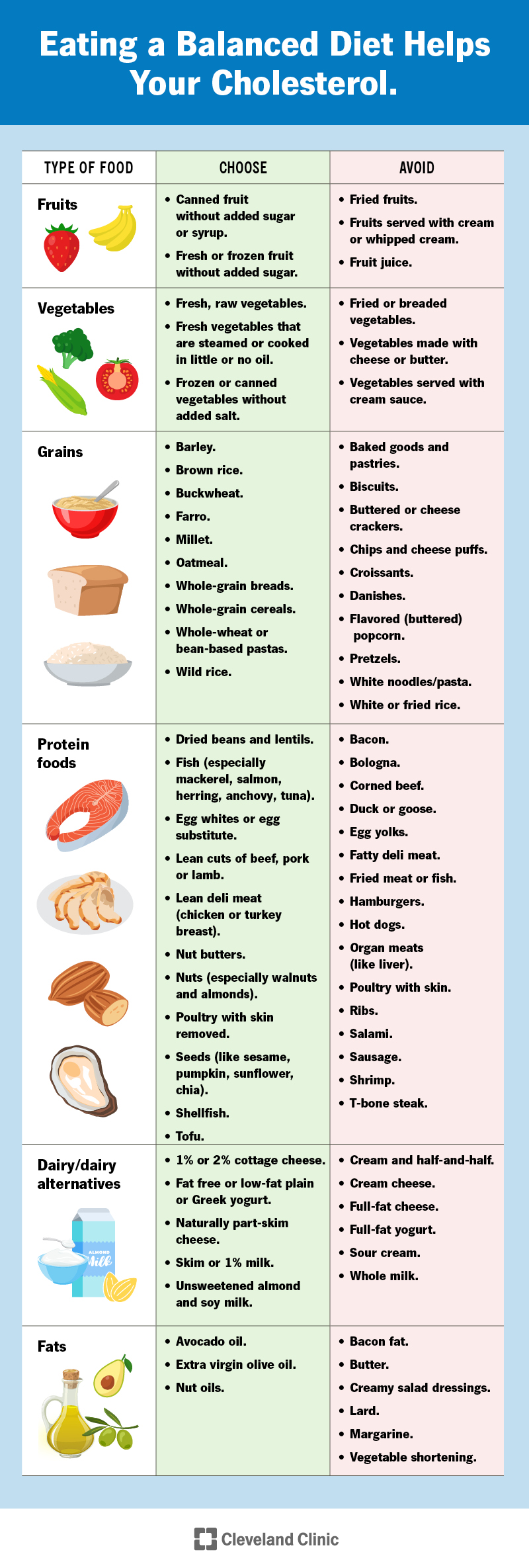
Maintaining a healthy diet is essential for managing cholesterol levels. A balanced diet that is low in saturated fats and trans fats can help lower LDL cholesterol and reduce your risk of heart disease. Incorporating a variety of nutrient-dense foods into your meals will not only benefit your cholesterol levels but also your overall health.
Macronutrients: Protein, Carbohydrates, and Fats
Protein, carbohydrates, and fats are the three main macronutrients that your body needs in larger amounts for energy and overall functioning. When it comes to managing cholesterol, it’s important to focus on the quality of these macronutrients rather than simply the quantity.
Protein
Incorporating lean sources of protein such as skinless poultry, fish, beans, and legumes into your diet can help lower LDL cholesterol levels. These protein sources are lower in saturated fats and can be part of a heart-healthy diet.
Carbohydrates
Choosing complex carbohydrates such as whole grains, fruits, vegetables, and legumes over refined grains and sugars can help improve cholesterol levels. Fiber-rich foods can help lower LDL cholesterol and improve heart health.
Fats
Opt for healthier fats such as monounsaturated and polyunsaturated fats found in olive oil, avocados, nuts, and seeds. These fats can help raise HDL cholesterol levels and lower LDL cholesterol levels. Limiting saturated fats found in red meat, full-fat dairy products, and processed foods is important for managing cholesterol.
Micronutrients: Vitamins and Minerals
In addition to macronutrients, your body also needs micronutrients such as vitamins and minerals to support various bodily functions. Certain vitamins and minerals play a role in managing cholesterol levels and promoting heart health.
Vitamin E
Vitamin E is an antioxidant that can help prevent LDL cholesterol from oxidizing and forming plaque in your arteries. Foods rich in vitamin E include almonds, sunflower seeds, spinach, and avocado.
Omega-3 Fatty Acids
Omega-3 fatty acids found in fatty fish like salmon, mackerel, and sardines have been shown to lower triglycerides, reduce inflammation, and improve overall heart health. Consider incorporating fish into your meals at least twice a week to reap the benefits of omega-3 fatty acids.
Fiber
Fiber is essential for maintaining healthy cholesterol levels as it helps lower LDL cholesterol and improve digestion. Include a variety of fiber-rich foods such as whole grains, fruits, vegetables, and legumes in your diet for optimal health.
Meal Planning for Managing Cholesterol
Creating a well-rounded meal plan that focuses on heart-healthy foods can make managing cholesterol levels easier and more sustainable. Here’s a sample meal plan to help you get started:
| Meal | Sample Foods |
|---|---|
| Breakfast | Oatmeal with fresh berries, a tablespoon of chia seeds, and a handful of walnuts. |
| Scrambled eggs with spinach and tomatoes, whole-grain toast with avocado. | |
| Lunch | Grilled chicken salad with mixed greens, tomatoes, cucumbers, and a lemon vinaigrette dressing. |
| Lentil soup with a side of quinoa and roasted vegetables. | |
| Dinner | Baked salmon with a side of roasted sweet potatoes and steamed broccoli. |
| Whole-wheat pasta with marinara sauce, lean ground turkey, and a side salad. |

The Role of Physical Activity
In addition to maintaining a balanced diet, regular physical activity is essential for managing cholesterol levels and promoting heart health. Aim for at least 150 minutes of moderate-intensity aerobic exercise per week, such as brisk walking, cycling, or swimming. Strength training exercises can also help improve your overall cardiovascular health.
Monitoring Your Progress
Keeping track of your cholesterol levels and how your body responds to dietary changes is crucial for managing cholesterol effectively. Work closely with your healthcare provider to monitor your cholesterol levels through blood tests and make adjustments to your diet and lifestyle as needed.

Final Thoughts
Creating a balanced diet for managing cholesterol doesn’t have to be complicated or restrictive. By focusing on nutrient-dense foods, incorporating lean sources of protein, healthy fats, and fiber-rich foods, you can support your heart health and overall well-being. Remember to stay active, monitor your cholesterol levels, and make small, sustainable changes to your diet for long-term success. Your heart will thank you for it!