Welcome to an informative article on the most popular lifestyle changes for lowering cholesterol naturally. Making adjustments to your daily routine can have a significant impact on your cholesterol levels and overall heart health. From adopting a heart-healthy diet to increasing physical activity, there are plenty of simple yet effective ways to lower your cholesterol without medication. Stay tuned to discover some of the most popular lifestyle changes that can help you achieve a healthier cholesterol profile. Have you been looking for ways to naturally lower your cholesterol levels without relying solely on medication? Making lifestyle changes can have a significant impact on your cholesterol levels and overall heart health. In this article, we will explore the most popular lifestyle changes that can help you lower your cholesterol naturally. Let’s dive in!
Understanding Cholesterol
Before we delve into the lifestyle changes, let’s first understand what cholesterol is and why it’s important to keep it in check. Cholesterol is a waxy, fat-like substance found in your blood that is essential for building cell membranes, producing hormones, and vitamin D. However, high levels of cholesterol can increase your risk of heart disease and stroke.
LDL vs. HDL Cholesterol
There are two main types of cholesterol: low-density lipoprotein (LDL) and high-density lipoprotein (HDL). LDL cholesterol, also known as “bad” cholesterol, can build up in the walls of your arteries and form plaque, leading to atherosclerosis. On the other hand, HDL cholesterol, also known as “good” cholesterol, helps remove LDL cholesterol from your arteries.
Lifestyle Changes for Lowering Cholesterol
Now that we have a basic understanding of cholesterol, let’s explore the most effective lifestyle changes you can make to lower your cholesterol naturally.
Healthy Diet
One of the most crucial lifestyle changes for lowering cholesterol is adopting a heart-healthy diet. Focus on incorporating foods that are high in fiber, such as fruits, vegetables, whole grains, and legumes. Avoid foods high in saturated and trans fats, as they can raise your LDL cholesterol levels.
Physical Activity
Regular physical activity is essential for maintaining healthy cholesterol levels. Aim for at least 150 minutes of moderate-intensity exercise per week, such as brisk walking, swimming, or cycling. Exercise can also help raise your HDL cholesterol levels, further improving your heart health.
Maintain a Healthy Weight
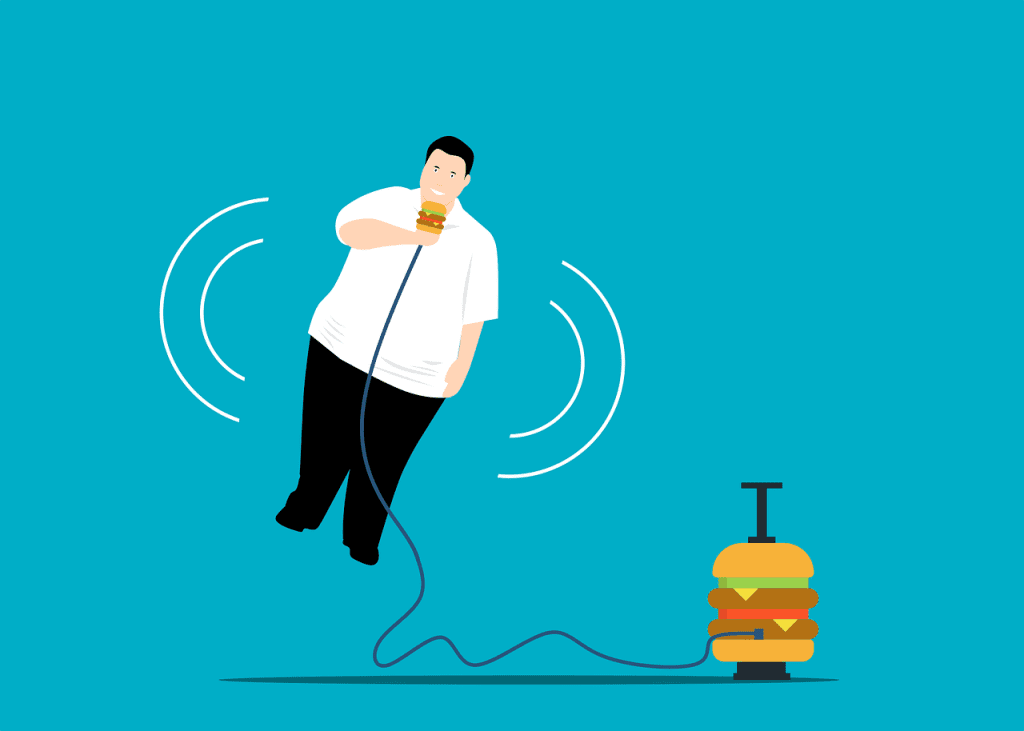
Being overweight or obese can increase your LDL cholesterol levels and reduce your HDL cholesterol levels. By maintaining a healthy weight through a combination of diet and exercise, you can improve your cholesterol profile and reduce your risk of heart disease.
Quit Smoking
Smoking cigarettes can lower your HDL cholesterol levels and damage the walls of your blood vessels, leading to atherosclerosis. Quitting smoking is one of the best things you can do for your cholesterol levels and overall heart health.
Limit Alcohol Intake
While moderate alcohol consumption can raise HDL cholesterol levels, excessive drinking can have a detrimental effect on your cholesterol levels. Limit your alcohol intake to no more than one drink per day for women and two drinks per day for men.

Foods to Lower Cholesterol
In addition to making lifestyle changes, incorporating specific foods into your diet can help lower your cholesterol levels naturally. Here are some foods that have been shown to be effective in reducing cholesterol:
Oats and Barley
Oats and barley are rich in beta-glucans, a type of soluble fiber that can help lower LDL cholesterol levels. Start your day with a bowl of oatmeal or incorporate barley into soups and stews for a heart-healthy boost.
Fatty Fish
Fatty fish like salmon, mackerel, and sardines are high in omega-3 fatty acids, which can help lower triglyceride levels and reduce inflammation in the body. Aim to eat fatty fish at least twice a week for optimal heart health.
Nuts and Seeds
Nuts and seeds are excellent sources of healthy fats, fiber, and antioxidants that can help lower cholesterol levels. Almonds, walnuts, chia seeds, and flaxseeds are particularly beneficial for heart health.
Fruits and Vegetables
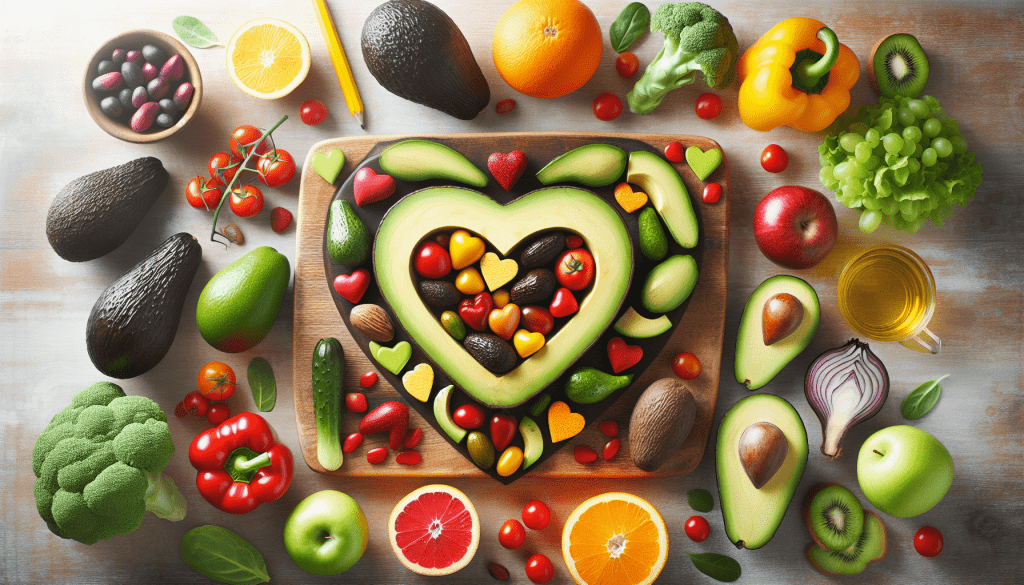
Fruits and vegetables are rich in fiber, vitamins, minerals, and antioxidants that can help lower cholesterol and reduce inflammation in the body. Aim to fill half your plate with fruits and vegetables at every meal for maximum health benefits.
Avocado
Avocado is a unique fruit that is high in monounsaturated fats, which can help raise HDL cholesterol levels and lower LDL cholesterol levels. Add avocado to salads, sandwiches, or smoothies for a heart-healthy boost.
Supplements for Lowering Cholesterol
In addition to making dietary changes, certain supplements may help lower cholesterol levels naturally. While it’s essential to consult with your healthcare provider before taking any supplements, here are some that have shown promise in improving cholesterol profiles:
Plant Sterols and Stanols
Plant sterols and stanols are plant-based compounds that mimic cholesterol and can help block the absorption of dietary cholesterol in the gut. Adding plant sterols and stanols to your diet through supplements or fortified foods can help lower LDL cholesterol levels.
Omega-3 Fatty Acids
Omega-3 fatty acids, found in fish oil supplements, can help reduce triglyceride levels, lower blood pressure, and improve overall heart health. Consider taking an omega-3 supplement if you don’t eat enough fatty fish regularly.
Coenzyme Q10 (CoQ10)
Coenzyme Q10 is a potent antioxidant that plays a crucial role in energy production in the body. Some studies suggest that CoQ10 supplements may help lower LDL cholesterol levels and improve overall heart health.
Red Yeast Rice
Red yeast rice is a traditional Chinese medicine made by fermenting rice with a strain of red yeast. It contains compounds that are similar to statin medications and can help lower LDL cholesterol levels. However, it’s essential to consult with your healthcare provider before taking red yeast rice, as it may interact with other medications.
Conclusion
Lowering your cholesterol naturally through lifestyle changes, dietary modifications, and supplements can have a profound impact on your heart health. By adopting a heart-healthy diet, engaging in regular physical activity, maintaining a healthy weight, and avoiding smoking and excessive alcohol consumption, you can improve your cholesterol profile and reduce your risk of heart disease. Remember to consult with your healthcare provider before making any significant changes to your lifestyle or starting any new supplements. Here’s to a healthier you!