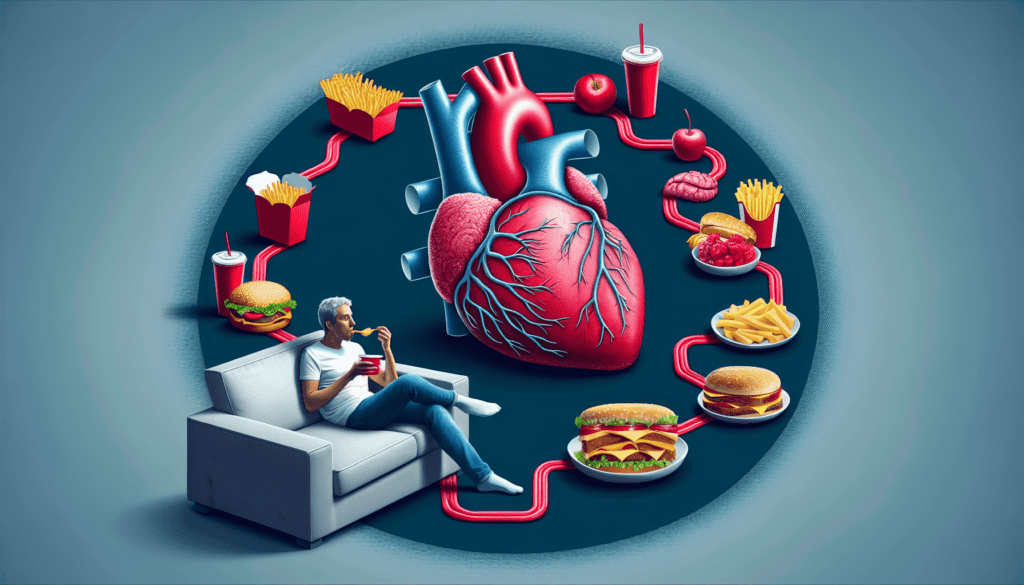
Imagine a world where your favorite indulgent foods, like crispy french fries and sugary, mouthwatering desserts, could actually be contributing to your high cholesterol levels and negatively impacting your heart health. It’s a sobering thought, but one that we must confront if we want to make informed choices about our diets. In this article, we will explore the impact of processed and fast foods on cholesterol levels and heart health, shedding light on the potential risks and providing valuable insights to help you navigate the tempting but treacherous landscape of modern cuisine.
Definition of Processed and Fast Foods
What are processed foods?
Processed foods refer to products that have undergone various alterations in order to enhance their flavor, extend their shelf life, or make them more convenient for consumption. These alterations often involve the addition of preservatives, artificial flavors, colors, and other additives. Processed foods may also undergo processes such as refining, extracting, or fermenting to change their texture or flavor.
What are fast foods?
Fast foods are a specific category of processed foods that are typically ready to eat or quickly prepared and served in restaurants or fast-food chains. They are often high in calories, unhealthy fats, sodium, and added sugars. Fast foods are known for their convenience and quick availability, making them a popular choice for individuals with busy lifestyles.
Understanding Cholesterol Levels and Heart Health
What is cholesterol?
Cholesterol is a waxy substance that is produced naturally by the body and is also found in certain foods. It is essential for the production of hormones, building cell membranes, and assisting in the digestion of fat. However, too much cholesterol can lead to health problems, particularly when it comes to heart health.
Types of cholesterol
There are two main types of cholesterol: low-density lipoprotein (LDL) cholesterol and high-density lipoprotein (HDL) cholesterol. LDL cholesterol is often referred to as “bad” cholesterol as it can build up in the arteries and lead to plaque formation. HDL cholesterol, on the other hand, is often referred to as “good” cholesterol as it helps remove LDL cholesterol from the arteries and carries it back to the liver for processing and removal.
The role of cholesterol in heart health
Cholesterol plays a crucial role in heart health as excessive levels of LDL cholesterol can contribute to the development of atherosclerosis, a condition characterized by the build-up of plaque in the arteries. This can restrict blood flow to the heart and other organs, leading to an increased risk of heart disease, heart attacks, and strokes. Maintaining a healthy balance of cholesterol is essential for overall cardiovascular well-being.
Ideal cholesterol levels
When it comes to cholesterol levels, it is important to aim for a balance between LDL and HDL cholesterol. Ideally, LDL cholesterol should be kept low, with levels below 100 mg/dL considered optimal. HDL cholesterol, on the other hand, should be kept high, with levels above 60 mg/dL considered beneficial for heart health.

Effects of Processed Foods on Cholesterol Levels
High in trans fats and unhealthy oils
Processed foods are often high in trans fats and unhealthy oils, which can significantly impact cholesterol levels. Trans fats, in particular, have been shown to increase LDL cholesterol and decrease HDL cholesterol, thereby increasing the risk of heart disease.
Increased levels of low-density lipoprotein (LDL) cholesterol
Processed foods, especially those containing high levels of saturated fats and trans fats, can contribute to elevated levels of LDL cholesterol. This occurs when the body takes in more cholesterol than it can effectively process and remove, leading to the accumulation of LDL cholesterol in the arteries.
Decreased levels of high-density lipoprotein (HDL) cholesterol
Consuming processed foods can also lead to decreased levels of HDL cholesterol, which is responsible for removing excess LDL cholesterol from the arteries. When HDL levels are low, the process of removing LDL cholesterol becomes less efficient, further contributing to the development of plaque in the arteries.
Promoting inflammation and oxidative stress
Processed foods are often devoid of essential nutrients and high in additives and preservatives. This can lead to an imbalance in the body’s antioxidant defenses and promote oxidative stress. Oxidative stress can contribute to inflammation, which in turn can affect cholesterol metabolism and increase the risk of heart disease.
Impact of Processed Foods on Heart Health
Development of atherosclerosis
The consumption of processed foods, especially those high in unhealthy fats and additives, can contribute to the development of atherosclerosis. As mentioned earlier, atherosclerosis occurs when plaque builds up in the arteries and restricts blood flow to the heart. This can lead to various cardiovascular problems, including heart attacks and strokes.
Increased risk of heart disease and stroke
Regular consumption of processed foods has been linked to an increased risk of heart disease and stroke. The excessive intake of unhealthy fats, sodium, and added sugars found in many processed foods can adversely affect cholesterol levels, blood pressure, and overall cardiovascular health.
Higher incidence of obesity and type 2 diabetes
Processed foods are often calorie-dense and lack essential nutrients. Their consumption has been associated with weight gain and an increased risk of obesity. Obesity, in turn, is a significant risk factor for heart disease and type 2 diabetes. The high sugar content in many processed foods can also contribute to insulin resistance and the development of type 2 diabetes.
Negative effects on blood pressure
Processed foods are often high in sodium, which can lead to elevated blood pressure levels. Prolonged high blood pressure poses a significant risk to heart health and increases the likelihood of heart disease, heart attacks, and strokes.

Fast Foods and Cholesterol Levels
High in saturated fats and trans fats
Fast foods are notorious for being high in unhealthy fats, specifically saturated fats and trans fats. Saturated fats can increase levels of LDL cholesterol, while trans fats have the dual effect of increasing LDL cholesterol and decreasing HDL cholesterol.
Elevated levels of LDL cholesterol
The consumption of fast foods, with their high content of saturated and trans fats, can contribute to elevated levels of LDL cholesterol. These unhealthy fats can be found in items such as fried foods, burgers, and certain types of fast-food sauces.
Reduced levels of HDL cholesterol
Fast foods can also lead to reduced levels of HDL cholesterol. The combination of unhealthy fats, additives, and limited nutritional value found in fast foods can negatively impact the body’s ability to effectively process and remove LDL cholesterol.
Promoting insulin resistance
The high sugar content and unhealthy fats found in fast foods can contribute to the development of insulin resistance. Insulin resistance occurs when the body becomes less responsive to the hormone insulin, leading to imbalanced blood sugar levels and an increased risk of type 2 diabetes.
Effects of Fast Foods on Heart Health
Contributing to coronary artery disease
Fast foods, with their high levels of unhealthy fats and sodium, contribute to the development of coronary artery disease. The excessive intake of these foods can lead to plaque build-up in the arteries, reducing blood flow to the heart and increasing the risk of heart attacks and other cardiovascular problems.
Increased risk of heart attacks and heart failure
Regular consumption of fast foods has been strongly linked to an increased risk of heart attacks and heart failure. The combination of unhealthy fats, sodium, and additives found in these foods can significantly impact cholesterol levels, blood pressure, and overall cardiovascular health.
Association with metabolic syndrome
Fast foods have also been associated with metabolic syndrome, a cluster of conditions that increase the risk of heart disease, stroke, and type 2 diabetes. Metabolic syndrome is characterized by abdominal obesity, high blood pressure, high blood sugar levels, and abnormal cholesterol levels.
Impact on blood vessel function
The consumption of fast foods can impair blood vessel function and promote inflammation and oxidative stress. These factors can affect the health and elasticity of blood vessels, leading to increased cardiovascular risk and reduced overall heart health.

Healthier Alternatives to Processed and Fast Foods
Choosing whole, unprocessed foods
A key step towards improving cholesterol levels and heart health is to choose whole, unprocessed foods. These include fresh fruits and vegetables, whole grains, lean proteins, and healthy fats. By opting for whole foods, you can avoid the unhealthy fats, added sugars, and additives found in processed and fast foods.
Emphasizing fruits and vegetables
Fruits and vegetables are rich in antioxidants, vitamins, minerals, and fiber, all of which are essential for heart health. They can help reduce LDL cholesterol, lower blood pressure, and promote overall cardiovascular well-being. Aim to include a variety of colorful fruits and vegetables in your daily diet.
Opting for lean protein sources
When consuming protein, choose lean sources such as skinless poultry, fish, legumes, and tofu. These options are lower in unhealthy fats and can help maintain healthy cholesterol levels. Limit your intake of red and processed meats, as they can be high in saturated fats and sodium.
Including heart-healthy fats
Incorporating heart-healthy fats into your diet can have a positive impact on cholesterol levels and heart health. These fats can be found in sources such as avocados, nuts, seeds, and olive oil. They contain monounsaturated and polyunsaturated fats, which can help raise HDL cholesterol levels and lower LDL cholesterol levels.
Reducing salt and sugar intake
Processed and fast foods are often high in salt and added sugars. Excess salt can contribute to high blood pressure, while added sugars can negatively impact cholesterol levels and promote weight gain. Be mindful of your salt and sugar intake by reading food labels and preparing meals at home.
Cooking meals at home
One of the best ways to take control of your diet and improve your cholesterol levels is to cook meals at home. By preparing your own meals, you have complete control over the ingredients and can opt for healthier alternatives to processed and fast foods. This allows you to be more mindful of your overall nutritional intake.
Tips for Lowering Cholesterol and Improving Heart Health
Following a balanced and varied diet
In addition to choosing whole, unprocessed foods, it is important to follow a balanced and varied diet. Include a combination of fruits, vegetables, whole grains, lean proteins, and healthy fats in your meals. Aim for portion control and moderation, and limit your intake of unhealthy fats, sodium, and added sugars.
Engaging in regular physical activity
Regular physical activity is essential for maintaining a healthy weight, managing cholesterol levels, and improving overall heart health. Aim for at least 150 minutes of moderate-intensity aerobic exercise or 75 minutes of vigorous-intensity aerobic exercise each week. Additionally, incorporate strength training exercises to promote muscle health.
Quitting smoking
Smoking has been linked to numerous health problems, including heart disease. Quitting smoking is one of the most beneficial steps you can take to improve your heart health and lower your risk of heart attacks and other cardiovascular problems. Seek support and resources to help you quit smoking successfully.
Reducing stress levels
Chronic stress can negatively impact heart health and contribute to the development of heart disease. Find healthy ways to manage stress, such as practicing relaxation techniques, engaging in hobbies, and seeking support from loved ones. Consider incorporating stress-reducing activities into your daily routine.
Getting regular check-ups with a healthcare provider
Regular check-ups with a healthcare provider are crucial for monitoring cholesterol levels and overall heart health. Schedule routine appointments to assess your cholesterol levels, blood pressure, and other relevant markers. Your healthcare provider can offer guidance, support, and potential medical interventions if necessary.
Considering cholesterol-lowering medications if necessary
In some cases, lifestyle changes alone may not be sufficient to manage cholesterol levels. If indicated by your healthcare provider, cholesterol-lowering medications, such as statins, may be prescribed to help lower LDL cholesterol levels and reduce the risk of heart disease. Work closely with your healthcare provider to determine the most appropriate treatment plan.
The Importance of Education and Awareness
Promoting nutritional education
Education about the impact of processed and fast foods on cholesterol levels and heart health is crucial for individuals to make informed dietary choices. Educating individuals about nutrition, reading food labels, and understanding the significance of a balanced diet can empower them to make healthier choices.
Raising awareness on the impact of processed and fast foods
Raising awareness about the detrimental effects of processed and fast foods on cholesterol levels and heart health is vital to promote healthier food choices. By highlighting the potential risks associated with excessive consumption of these foods, individuals can become more motivated to prioritize their cardiovascular well-being.
Encouraging policy changes and regulations
Advocating for policy changes and regulations that promote healthier food options can have a significant impact on public health. Implementing measures such as improved food labeling, restricting the use of unhealthy additives, and promoting the availability of nutritious foods can help individuals make healthier choices and reduce the prevalence of processed and fast foods.
Supporting healthy food choices in schools and communities
Creating environments that support healthy food choices in schools and communities is essential for promoting heart health. This includes implementing nutrition education programs, improving access to fresh and nutritious foods, and encouraging the availability of healthy options in cafeteria menus and local food establishments.
Conclusion
Recognizing the detrimental effects of processed and fast foods on cholesterol levels and heart health is the first step towards prioritizing cardiovascular well-being. By understanding the impact of these foods on cholesterol, blood pressure, and overall heart health, individuals can take proactive steps towards adopting a healthier and more balanced diet. Choosing whole, unprocessed foods, incorporating fruits and vegetables, opting for lean proteins, and reducing salt and sugar intake are key strategies for improving cholesterol levels and heart health. It is important to engage in regular physical activity, quit smoking, manage stress, and seek regular check-ups with a healthcare provider. By promoting education, raising awareness, and supporting policy changes, we can work towards a future where healthier food choices are accessible and prioritized for the benefit of heart health. Remember, your heart health is in your hands.