

Eating out at restaurants can be a delightful experience, but for those who are trying to maintain a heart-healthy, low-cholesterol diet, it can often be a challenging task. However, with a few simple strategies and some smart choices, you can still enjoy dining out while staying true to your dietary goals. In this article, we will explore some practical tips to help you navigate the restaurant scene, make healthier choices, and ensure that your heart stays happy and healthy. So, let’s dive into the world of dining out while maintaining a heart-healthy, low-cholesterol diet!

Researching Restaurants
When you’re trying to maintain a heart-healthy, low-cholesterol diet while dining out, it’s essential to do some research beforehand. Start by searching for restaurants in your area that offer heart-healthy options. Many restaurants these days are aware of the importance of catering to different dietary needs and have specific menus or dishes that meet those requirements.
After finding suitable restaurants, take the time to read online reviews and menus. This will give you a better idea of what dishes are available and whether they align with your dietary restrictions. Reviews can also provide insights into the overall dining experience, including the quality of service and the atmosphere.
Once you’ve narrowed down your choices, it’s a good idea to call ahead and inquire about the menu options. This allows you to ask specific questions about ingredients, preparation methods, and any potential modifications or substitutions that can be made to accommodate your dietary needs. Speaking directly with the staff can give you a clearer understanding of what to expect and help you make an informed decision.
Additionally, many restaurants now provide nutrition information on their websites. Take advantage of this resource and look for dishes that are low in cholesterol, saturated fats, and sodium. This information can help you make healthier choices before even setting foot in the restaurant.
Choosing the Right Dish
Once you’re at the restaurant and ready to order, it’s important to choose a dish that aligns with your heart-healthy, low-cholesterol diet. Here are some tips to guide you in making the right decision:
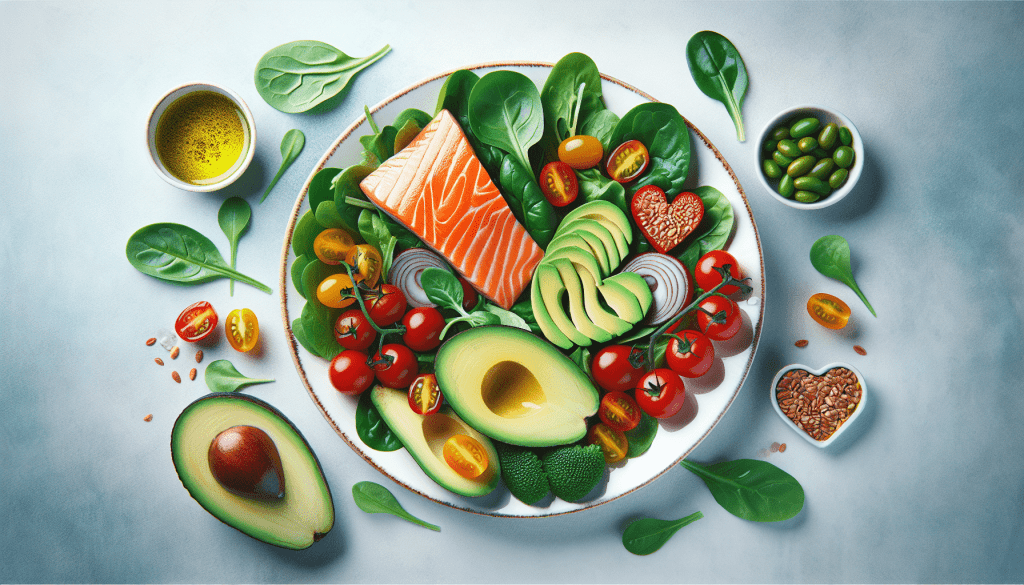
Opt for lean protein sources like skinless poultry, fish, or beans. These options are typically lower in saturated fats and cholesterol compared to red meat or processed meats. Look for dishes that feature these protein sources as the main component.
Select dishes that have plenty of vegetables. Vegetables are an excellent source of vitamins, minerals, and fiber. They are also low in calories and can help fill you up. Look for salads, stir-fries, or vegetable-based entrees.
Avoid fried or breaded foods, as they are often high in unhealthy fats and cholesterol. Instead, look for dishes that are grilled, steamed, broiled, or baked. These cooking methods usually require less added fats and retain more nutrients.
Ask for dressings and sauces to be served on the side. This way, you can control the amount you use and minimize the intake of excess calories, fats, and sodium. Use them sparingly or consider skipping them altogether.

Navigating Menu Terminology
Understanding the terminology used on menus can be challenging, but it’s crucial in making healthy choices. Here are some tips to navigate menu terms and make informed decisions:
Look for keywords like grilled, steamed, broiled, or baked. These terms indicate healthier cooking methods that require less added fats. Dishes prepared this way are more likely to be lower in cholesterol and saturated fats.
Beware of terms like crispy, creamy, or breaded. These words often indicate dishes that are fried or prepared with high-fat ingredients. These options tend to be higher in saturated fats and cholesterol, so it’s best to avoid them or enjoy them in moderation.
If you come across unfamiliar terms on the menu, don’t hesitate to ask your server for clarification. They are there to assist you and will be happy to explain any unfamiliar terms or ingredients. It’s always better to ask and ensure you understand what you’re ordering than to be surprised by a dish that doesn’t align with your dietary needs.

Requesting Modifications
Don’t be afraid to request modifications to your dish to suit your heart-healthy, low-cholesterol diet. Most restaurants are willing to accommodate reasonable requests. Here are some modifications to consider:
Ask for sauces, dressings, and toppings to be served on the side. This allows you to control the amount you use and reduces the intake of excess fats and calories. You can dip your fork into the dressing or sauce before taking a bite to enjoy the flavors without overdoing it.
Request grilled or steamed preparations for your protein and vegetables. This cooking method requires little to no added fats and retains more of the natural flavors and nutrients. Grilled or steamed dishes are usually lower in cholesterol and saturated fats.
Ask for substitutions or omissions of high-cholesterol ingredients. For example, if a dish comes with cheese or bacon, you can ask to leave them out or substitute them with healthier options like avocado, tomatoes, or extra vegetables. Most restaurants are flexible and happy to accommodate your requests.
Inquire about the cooking oils used in the kitchen. Opt for restaurants that use healthier cooking oils, such as olive oil or avocado oil. If these options aren’t available, ask if there are any alternatives, such as cooking spray or vegetable broth, that can be used instead.
Being Mindful of Portions
Managing portion sizes is key to maintaining a heart-healthy, low-cholesterol diet while dining out. Here are some tips to help you stay mindful of your portions:
Consider sharing an entree with someone else. Many restaurant portions are much larger than necessary, so sharing can help reduce your overall intake. You can also save money and have the opportunity to try multiple dishes.
If sharing isn’t an option, order a smaller portion if available. Some restaurants offer smaller plate options or lunch-sized portions that are more appropriate for individual meals. Don’t be afraid to ask your server if these options are available.
Ask for a to-go box upfront when your food arrives. This way, you can pack half of your meal before you even start eating. By avoiding the temptation to finish everything on your plate, you can enjoy your meal while staying mindful of your portion sizes.
Avoid all-you-can-eat buffets or unlimited menu options. These types of dining experiences can make it difficult to control your portions. Instead, opt for a restaurant with à la carte options or fixed portion sizes to better manage your intake.
- 779 words.
