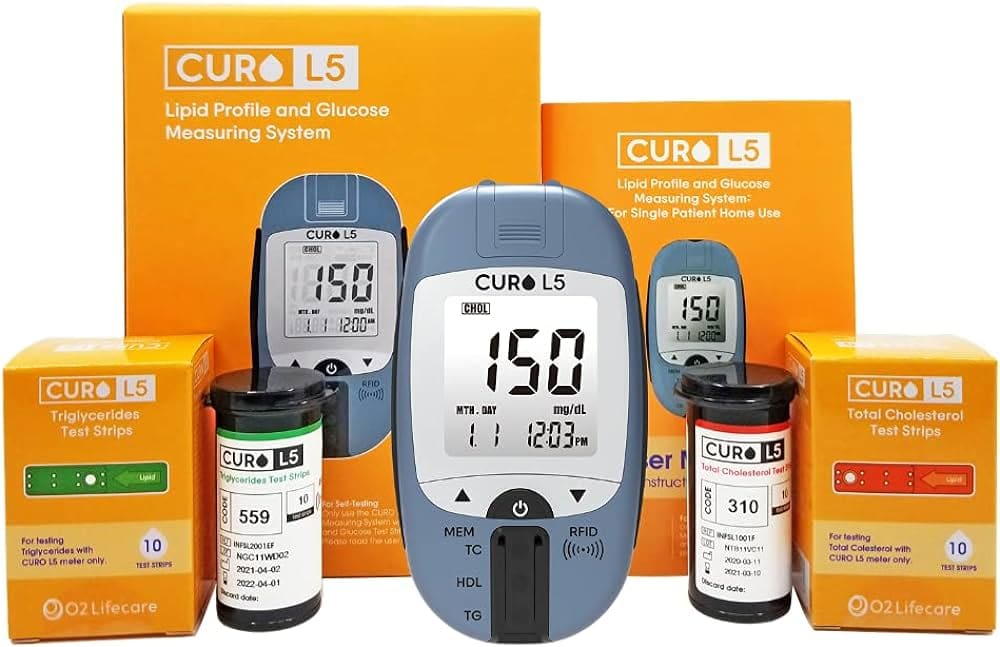

So, you’ve heard about cholesterol testing but you’re not quite sure what it entails or why it’s important. Don’t worry, we’ve got you covered! In this beginner’s guide to cholesterol testing, we’ll break down everything you need to know in a friendly and informative way. From understanding what cholesterol is and why it matters for your health, to learning about the different types of cholesterol tests and how they are conducted, this article will provide you with all the essential information to navigate through the world of cholesterol testing with confidence. So, let’s get started on this journey towards maintaining a healthy heart!
What is Cholesterol?
Definition and function of cholesterol
Cholesterol is a waxy substance found in your blood, which is produced by your liver and also obtained through certain foods. It plays a crucial role in several bodily functions, including the production of hormones, vitamin D, and bile acids that aid in digestion. While cholesterol is essential for your body to function properly, an excess of it can lead to health problems.
Types of cholesterol
There are two main types of cholesterol: low-density lipoprotein (LDL) and high-density lipoprotein (HDL). LDL cholesterol is often referred to as “bad” cholesterol because it can build up on the walls of your arteries, increasing the risk of heart disease. HDL cholesterol, on the other hand, is known as “good” cholesterol as it helps remove LDL cholesterol from the arteries, reducing the risk of heart disease.
Why cholesterol testing is important
Cholesterol testing is important as it provides valuable information about your overall heart health. By measuring your cholesterol levels, you can identify if you have high LDL cholesterol or low HDL cholesterol, which are both risk factors for heart disease. Regular cholesterol testing also helps in monitoring the effectiveness of lifestyle changes or medications aimed at controlling cholesterol levels. Early detection and intervention can significantly reduce the risk of heart-related complications.
Understanding Cholesterol Testing
What cholesterol tests measure
Cholesterol tests measure the levels of different types of cholesterol in your blood. They provide information about your total cholesterol, LDL cholesterol, HDL cholesterol, triglycerides, and cholesterol ratios. This comprehensive profile helps healthcare providers assess your risk for heart disease and guide appropriate treatment plans.
Common cholesterol tests
The most common cholesterol test is the lipid panel, which measures your total cholesterol, LDL cholesterol, HDL cholesterol, and triglycerides. This test is usually done after a period of fasting to obtain accurate results. Another test is the non-fasting cholesterol test, which measures only your total cholesterol and HDL cholesterol levels. While non-fasting tests are more convenient, they may not provide a complete picture of your cholesterol profile.
Recommended frequency of testing
The frequency of cholesterol testing depends on various factors such as your age, overall health, family history, and existing risk factors. In general, it is recommended to have a cholesterol test done at least once every five years for individuals above the age of 20. However, if you have existing health conditions or are at a higher risk of heart disease, your healthcare provider may advise more frequent testing.

Preparing for a Cholesterol Test
Fasting requirement
For most cholesterol tests, fasting is required for accuracy. This means refraining from consuming any food or beverages, except water, for a specified period of time, usually 9 to 12 hours prior to the test. Fasting helps ensure that the results reflect your true cholesterol levels, as eating can temporarily affect them.
Medications and supplements
Certain medications and supplements can affect cholesterol levels, so it is important to inform your healthcare provider about all the medications and supplements you are taking before the test. They may recommend temporarily stopping or adjusting the doses of certain medications to obtain accurate results.
Informing your healthcare provider
It is crucial to inform your healthcare provider about any existing medical conditions, family history of heart disease, or lifestyle factors that may impact your cholesterol levels. This information will help them interpret the test results accurately and provide personalized recommendations for managing your cholesterol levels.
Managing anxiety
Getting a cholesterol test can cause anxiety for some individuals. To manage this, try engaging in relaxation techniques such as deep breathing exercises or visualization. It might also help to have a conversation with your healthcare provider about any concerns or questions you may have before the test.
Types of Cholesterol Testing
Total cholesterol test
A total cholesterol test measures the overall amount of cholesterol in your blood, including both the “good” and “bad” cholesterol. This test gives you a general idea of your cholesterol levels, but it does not provide a detailed breakdown of the different types.
LDL cholesterol test
An LDL cholesterol test specifically measures the amount of low-density lipoprotein cholesterol in your blood. This type of cholesterol is often referred to as the “bad” cholesterol because high levels can contribute to the formation of plaque in your arteries, increasing the risk of heart disease.
HDL cholesterol test
An HDL cholesterol test measures the level of high-density lipoprotein cholesterol in your blood. HDL cholesterol is considered the “good” cholesterol because it helps remove LDL cholesterol from the arteries, reducing the risk of heart disease. Higher levels of HDL cholesterol are generally desirable.
Triglyceride test
A triglyceride test measures the level of triglycerides, a type of fat, in your blood. Higher levels of triglycerides can increase your risk of heart disease, especially when combined with elevated LDL cholesterol levels. This test is usually included as part of a lipid panel.
Non-fasting cholesterol tests
Non-fasting cholesterol tests are conducted without the requirement for fasting beforehand. These tests measure the total cholesterol and HDL cholesterol levels, providing a quick snapshot of your cholesterol health. While they are convenient, they may not provide a complete picture and are often recommended for general screening purposes.
Advanced cholesterol tests
Advanced cholesterol tests, such as the LDL particle number test or the lipoprotein(a) test, provide more detailed information about your cholesterol profile. These tests are usually recommended for individuals with specific risk factors or for those who require a more in-depth assessment of their cholesterol levels.

Interpreting Cholesterol Test Results
Desirable cholesterol levels
Desirable cholesterol levels depend on various factors, including your overall health and existing risk factors for heart disease. In general, the American Heart Association (AHA) recommends the following target ranges: total cholesterol below 200 mg/dL, LDL cholesterol below 100 mg/dL, HDL cholesterol above 40 mg/dL for men and above 50 mg/dL for women, and triglycerides below 150 mg/dL.
Understanding LDL, HDL, and triglyceride levels
LDL cholesterol levels should ideally be kept low since high levels contribute to the progression of heart disease. HDL cholesterol levels, on the other hand, should be higher as they help protect against heart disease. Triglyceride levels should also be kept within a healthy range, as elevated levels can increase the risk of heart disease.
Cholesterol ratios
Cholesterol ratios help provide a better understanding of your overall heart health. One such ratio is the total cholesterol to HDL cholesterol ratio. Ideally, this ratio should be below 5:1. Another useful ratio is the LDL cholesterol to HDL cholesterol ratio, which should ideally be below 3.5:1. Higher ratios indicate a higher risk of heart disease.
Factors affecting cholesterol levels
Several factors can affect your cholesterol levels, including genetics, age, gender, diet, exercise habits, and certain medical conditions. It is important to consider these factors when interpreting cholesterol test results to have a comprehensive understanding of your overall heart health.
Cholesterol Testing Guidelines
American Heart Association recommendations
The American Heart Association (AHA) provides guidelines for cholesterol testing based on different age groups and risk factors. These guidelines suggest regular cholesterol testing for adults aged 20 years and above as part of routine health check-ups. The frequency of testing may vary depending on individual factors, such as existing health conditions and family history of heart disease.
Personalized recommendations
In addition to general guidelines, your healthcare provider may provide personalized recommendations for cholesterol testing based on your unique health profile. They will consider factors such as your age, overall health, family history, and existing risk factors to determine the appropriate frequency and timing of cholesterol tests.
Age-specific guidelines
Cholesterol testing guidelines may vary based on age. For example, for individuals aged 20-39 years without any risk factors, the AHA recommends cholesterol testing every four to six years. Adults aged 40-75 years are advised to have cholesterol tests done every four to six years, and those above 75 years should discuss testing with their healthcare provider.
Guidelines for high-risk individuals
For individuals at a higher risk of heart disease, such as those with existing medical conditions like diabetes or a family history of heart disease, more frequent cholesterol testing may be recommended. Your healthcare provider will tailor the testing frequency and guidelines to your specific needs to ensure your heart health is properly monitored.

Controlling Cholesterol Levels
Healthy lifestyle changes
Adopting a healthy lifestyle can have a significant impact on your cholesterol levels. This includes incorporating a balanced diet rich in fruits, vegetables, whole grains, and lean proteins. Limiting the intake of saturated and trans fats, as well as reducing cholesterol-rich foods, can also help manage cholesterol levels. Additionally, avoiding smoking and excessive alcohol consumption can further contribute to improving heart health.
Dietary considerations
Certain dietary considerations can directly impact cholesterol levels. For example, increasing your intake of soluble fiber (found in foods like oats, lentils, and apples) can help lower LDL cholesterol. Consuming foods high in omega-3 fatty acids (such as fatty fish, walnuts, and flaxseeds) can help increase HDL cholesterol levels. Your healthcare provider or a registered dietitian can help customize a diet plan that suits your specific cholesterol goals.
Exercise and physical activity
Regular exercise and physical activity play a crucial role in maintaining healthy cholesterol levels. Engaging in aerobic exercises like brisk walking, jogging, cycling, or swimming can help raise HDL cholesterol levels and lower LDL cholesterol and triglyceride levels. Aim for at least 150 minutes of moderate-intensity aerobic activity or 75 minutes of vigorous activity per week, as recommended by the Centers for Disease Control and Prevention (CDC).
Medication options
In some cases, lifestyle changes alone may not be sufficient to control cholesterol levels. In such instances, your healthcare provider may prescribe medications to help manage your cholesterol levels effectively. These medications, such as statins, work by reducing LDL cholesterol production in the liver. It is important to follow your healthcare provider’s instructions regarding medication usage and continue with lifestyle changes for optimal results.
Potential Risks and Limitations
False positives and false negatives
Cholesterol tests, like any medical test, are not always 100% accurate. False positives and false negatives can occur, leading to inaccurate results. A false positive means that the test suggests high cholesterol levels when they are actually normal, while a false negative indicates normal cholesterol levels when they are actually high. It is important to consider these factors and discuss any concerns with your healthcare provider.
Inconclusive results
In some cases, cholesterol test results may be inconclusive. This could be due to external factors such as recent illness, certain medications, or medical conditions that impact cholesterol metabolism. Your healthcare provider will consider these factors and may recommend further testing or monitoring to obtain a clearer understanding of your cholesterol profile.
Implications of inaccurate test results
Inaccurate cholesterol test results can have implications for both overdiagnosis and undertreatment. False positives may lead to unnecessary lifestyle modifications or medications, which can have their own potential risks and side effects. Conversely, false negatives may result in missed opportunities for early intervention and appropriate management of cholesterol levels. Regular follow-up and clear communication with your healthcare provider can help mitigate these risks.
Follow-up and Monitoring
Repeating cholesterol tests
Regular monitoring of cholesterol levels is essential for assessing the effectiveness of treatment plans and making any necessary adjustments. Your healthcare provider may recommend repeating cholesterol tests at periodic intervals to track changes and ensure that your cholesterol levels are well-managed.
Monitoring treatment effectiveness
If you are undergoing treatment for high cholesterol, regular cholesterol tests will help determine if the prescribed interventions, such as medication or lifestyle changes, are effectively controlling your cholesterol levels. Adjustments can be made as needed to ensure your treatment plan remains tailored to your individual needs.
Regular check-ups with healthcare provider
In addition to cholesterol testing, it is important to schedule regular check-ups with your healthcare provider. These appointments provide an opportunity to discuss any concerns, review cholesterol test results, and receive guidance on managing your cholesterol levels effectively. It also allows your healthcare provider to monitor any other potential risk factors for heart disease and provide holistic care.
Additional Resources
Cholesterol education materials
There are numerous educational resources available to help you learn more about cholesterol, cholesterol testing, and managing your cholesterol levels. Organizations like the American Heart Association and the National Heart, Lung, and Blood Institute provide reliable information on their websites, including brochures, fact sheets, and educational videos.
Support groups and online communities
Joining support groups or online communities focused on heart health and cholesterol can provide valuable support and insights. These platforms allow you to connect with individuals who may be going through similar experiences, share information and tips, and receive emotional support along your cholesterol management journey.
Certified healthcare providers
Certified healthcare providers, including doctors, registered dietitians, and pharmacists, are valuable resources for personalized guidance and recommendations. They can help interpret your cholesterol test results, develop tailored treatment plans, and provide ongoing support and monitoring to ensure your cholesterol levels are well-managed. Reach out to them whenever you have questions or concerns.