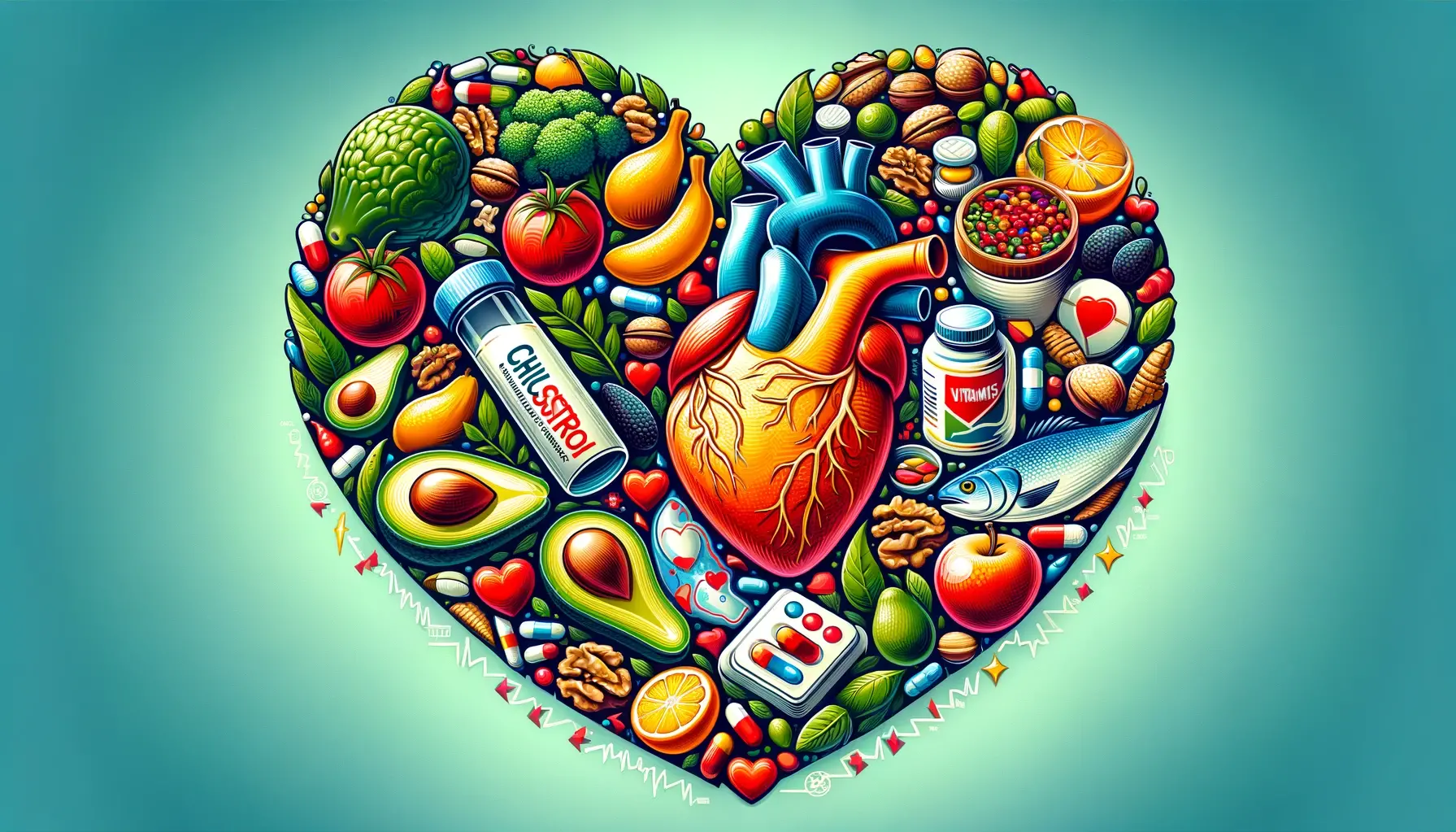

Have you ever wondered about the latest research on cholesterol-lowering supplements? Look no further, as this article will provide you with a fascinating insight into the most recent studies conducted in this field. We will explore the potential benefits and drawbacks of these supplements, giving you the information you need to make informed decisions about your health. So, get ready to delve into the world of cholesterol-lowering supplements and discover the latest scientific discoveries that can help you take control of your cholesterol levels.
Understanding Cholesterol
The basics of cholesterol
Cholesterol is a waxy, fat-like substance that is naturally produced in the liver and found in certain foods. It plays a vital role in the body, serving as a building block for cell membranes, as well as being essential for the production of hormones, vitamin D, and bile acids. However, having high levels of cholesterol, particularly LDL cholesterol (commonly known as “bad” cholesterol), can increase the risk of heart disease and stroke.
Types of cholesterol
When we talk about cholesterol, it’s important to differentiate between the different types that exist in our bodies. There are two main types of cholesterol: LDL cholesterol and HDL cholesterol (commonly known as “good” cholesterol). LDL cholesterol carries cholesterol from the liver to the cells and tissues, while HDL cholesterol helps remove excess cholesterol from the bloodstream and carries it back to the liver for disposal.
The role of cholesterol in the body
Cholesterol is vital for the proper functioning of our bodies. It is involved in the production of hormones like estrogen and testosterone, as well as the synthesis of vitamin D. Cholesterol also plays a crucial role in forming and maintaining the structure of cell membranes. However, an imbalance in cholesterol levels, with too much LDL cholesterol and too little HDL cholesterol, can lead to a buildup of cholesterol in the arteries, forming plaque and increasing the risk of heart disease.
Introduction to Cholesterol-lowering Supplements
What are cholesterol-lowering supplements?
Cholesterol-lowering supplements are natural or synthetic substances that aim to reduce cholesterol levels in the body. They are often used in conjunction with lifestyle changes, such as adopting a healthy diet and increasing physical activity, to manage cholesterol levels. These supplements typically work by inhibiting cholesterol synthesis, increasing cholesterol excretion, or improving the ratio of LDL to HDL cholesterol.
Different types of cholesterol-lowering supplements
There are various types of cholesterol-lowering supplements available on the market today. Some of the most popular ones include plant sterols and stanols, red yeast rice, garlic supplements, fish oil or omega-3 supplements, niacin or vitamin B3 supplements, and green tea extract. Each of these supplements works in different ways to help lower cholesterol levels and reduce the risk of heart disease.
Popular Cholesterol-lowering Supplements
Plant sterols and stanols
Plant sterols and stanols are naturally occurring substances found in plants that have been shown to effectively lower LDL cholesterol levels. These compounds work by blocking the absorption of cholesterol in the intestines, thereby preventing it from entering the bloodstream. Plant sterols and stanols can be found in certain foods or taken as supplements in the form of capsules or fortified products like margarine.
Red yeast rice
Red yeast rice is a traditional Chinese medicine that has gained popularity as a cholesterol-lowering supplement. It is made by fermenting rice with a specific strain of yeast called Monascus purpureus. Red yeast rice contains a compound called monacolin K, which is chemically identical to lovastatin, a prescription medication used to lower cholesterol. Studies have shown that red yeast rice can effectively reduce LDL cholesterol levels, but it should be used with caution due to potential side effects and drug interactions.
Garlic supplements
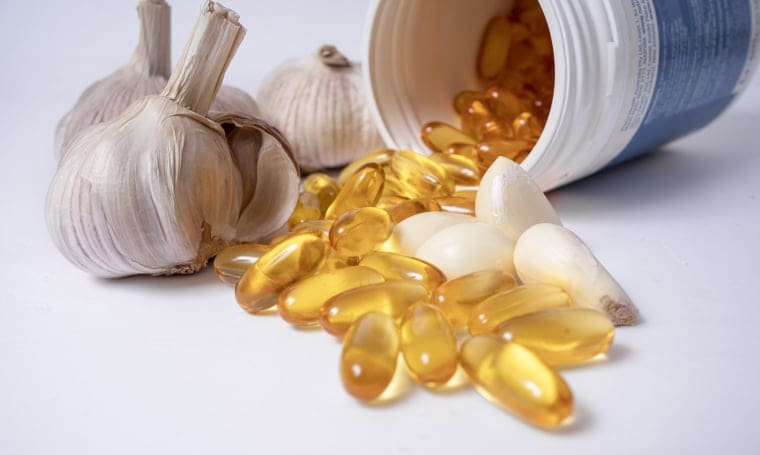
Garlic has long been used for its medicinal properties, including its potential to lower cholesterol levels. Garlic contains a compound called allicin, which is believed to have cholesterol-lowering effects. Studies have shown that garlic supplements can modestly reduce total cholesterol and LDL cholesterol levels. However, it’s important to note that the exact mechanism of action and optimal dosage of garlic supplements for cholesterol management are still being investigated.
Fish oil or omega-3 supplements
Fish oil supplements, which are rich in omega-3 fatty acids, have gained popularity for their potential cardiovascular benefits. Omega-3 fatty acids, particularly eicosapentaenoic acid (EPA) and docosahexaenoic acid (DHA), have been shown to have cholesterol-lowering effects, as well as anti-inflammatory properties. Studies have demonstrated that fish oil supplements can reduce triglyceride levels and have a modest impact on lowering LDL cholesterol levels. It’s important to choose high-quality fish oil supplements that are free from contaminants, and to always consult with a healthcare professional before starting any supplementation regime.
Niacin or vitamin B3 supplements
Niacin, also known as vitamin B3, is a water-soluble vitamin that has been used for decades to manage cholesterol levels. Niacin works by reducing the liver’s production of LDL cholesterol and increasing HDL cholesterol levels. It also helps lower triglyceride levels in the blood. Clinical trials have shown that niacin supplements can effectively improve lipid profiles and reduce the risk of cardiovascular events. However, niacin supplementation should be done under medical supervision due to potential side effects and risks.
Green tea extract
Green tea extract is derived from the leaves of the Camellia sinensis plant and has been consumed for centuries for its various health benefits. It contains catechins, which are antioxidant compounds that have been associated with cholesterol-lowering effects. Several studies have investigated the impact of green tea extract on cholesterol levels, with mixed results. While some studies have shown a significant reduction in LDL cholesterol, others have found no significant changes. Further research is needed to determine the optimal dosage and consumption methods for cholesterol management.
Scientific Studies on Cholesterol-lowering Supplements
Overview of recent research
In recent years, numerous scientific studies have been conducted to evaluate the efficacy and safety of cholesterol-lowering supplements. These studies have aimed to provide evidence-based recommendations on the use of these supplements as part of a comprehensive approach to managing cholesterol levels. While some supplements have shown promising results in reducing LDL cholesterol levels, it’s important to note that the effectiveness of these supplements can vary depending on individual factors and overall lifestyle habits.
Effectiveness and safety of cholesterol-lowering supplements
The effectiveness of cholesterol-lowering supplements can be influenced by various factors, such as the type and dosage of the supplement, individual response, and overall lifestyle choices. While many supplements have shown promising results in reducing LDL cholesterol levels, it’s important to approach their use with caution. It’s always advisable to consult with a healthcare professional before starting any new supplement regimen, especially if you have pre-existing medical conditions or are taking medications.
Comparison of different supplements’ efficacy
When considering cholesterol-lowering supplements, it’s natural to wonder which one is the most effective. However, it’s important to remember that the effectiveness of these supplements can vary from person to person. Factors such as individual response, overall lifestyle, and other medications being taken can influence the efficacy of a particular supplement. It’s recommended to work closely with a healthcare professional to determine the most appropriate supplement for your individual needs.
Possible side effects and risks
While cholesterol-lowering supplements are generally considered safe for most individuals, they can still carry potential side effects and risks. Some supplements, such as niacin, can cause flushing, itching, and gastrointestinal issues. Others may interact with certain medications, potentially affecting their effectiveness or causing harmful side effects. It’s crucial to be aware of these potential risks and consult with a healthcare professional before starting any new supplement regimen.

Plant Sterols and Stanols
Mechanism of action
Plant sterols and stanols work by inhibiting the absorption of cholesterol in the intestines. They have a similar structure to cholesterol and compete with it for absorption, thereby reducing the amount of cholesterol that enters the bloodstream. By blocking the absorption of cholesterol, plant sterols and stanols effectively reduce LDL cholesterol levels.
Evidence from clinical trials
Numerous clinical trials have demonstrated the efficacy of plant sterols and stanols in lowering LDL cholesterol levels. These trials have consistently shown that daily consumption of 2 to 3 grams of plant sterols or stanols can lead to significant reductions in LDL cholesterol levels. It’s important to note that the cholesterol-lowering effect of plant sterols and stanols is most pronounced in individuals with elevated LDL cholesterol levels.
Recommended dosage and usage
To achieve cholesterol-lowering benefits, it is recommended to consume 2 to 3 grams of plant sterols or stanols per day. This can be obtained through dietary sources such as fortified margarine, orange juice, or supplements. It’s important to spread the consumption throughout the day to maximize the effectiveness of these compounds. It’s also crucial to note that plant sterols and stanols should be used as part of a heart-healthy diet and lifestyle.
Potential side effects
Plant sterols and stanols are generally considered safe with minimal side effects. However, some individuals may experience mild digestive issues such as bloating, gas, or diarrhea. These side effects are typically mild and transient, and they can be minimized by starting with a lower dosage and gradually increasing it. As always, it’s essential to consult with a healthcare professional before starting any new supplement regimen.
Red Yeast Rice
How red yeast rice works
Red yeast rice contains a compound called monacolin K, which is chemically identical to lovastatin, a prescription medication used to lower cholesterol. Monacolin K inhibits the enzyme HMG-CoA reductase, which is involved in cholesterol synthesis. By inhibiting this enzyme, red yeast rice effectively reduces LDL cholesterol levels in the blood.
Clinical evidence on red yeast rice
Several studies have explored the cholesterol-lowering effects of red yeast rice. These studies have shown that red yeast rice can significantly reduce LDL cholesterol levels, with some trials demonstrating reductions of up to 20%. However, it’s important to note that the composition and concentration of monacolin K in red yeast rice can vary among different products, which may impact its effectiveness.
Dosage and administration
The recommended dosage of red yeast rice for cholesterol management is typically 1,200 to 2,400 milligrams per day, standardized to contain 2.4% monacolin K. It’s important to follow the instructions provided by the manufacturer or healthcare professional, as well as to check for any potential drug interactions. Red yeast rice is usually taken in divided doses with meals to maximize absorption.
Safety concerns and drug interactions
While red yeast rice can be an effective cholesterol-lowering supplement, it should be used with caution. Red yeast rice contains naturally occurring statins, which can have similar side effects and drug interactions as prescription statins. Common side effects include muscle pain, liver toxicity, and gastrointestinal issues. It’s crucial to discuss the use of red yeast rice with a healthcare professional, especially if you are already taking medications or have pre-existing medical conditions.

Garlic Supplements
Allicin in garlic and its cholesterol-lowering effects
Garlic contains a compound called allicin, which is believed to have cholesterol-lowering effects. Allicin inhibits an enzyme called HMG-CoA reductase, which is involved in cholesterol synthesis in the liver. By inhibiting this enzyme, allicin helps reduce the production of cholesterol and lowers LDL cholesterol levels in the blood.
Research studies on garlic supplements
Several research studies have investigated the impact of garlic supplements on cholesterol levels. While the results have been mixed, some studies have shown that garlic supplements can modestly reduce total cholesterol and LDL cholesterol levels. However, it’s important to note that the optimal dosage and duration of garlic supplementation for cholesterol management are still being studied.
Appropriate dosage and usage
The appropriate dosage of garlic supplements for cholesterol-lowering effects is still uncertain. Most studies have used doses ranging from 600 to 900 milligrams of garlic powder standardized to contain 1.3% allicin. It’s important to choose a high-quality garlic supplement and follow the instructions provided by the manufacturer. Garlic supplements can be taken with meals to minimize potential digestive discomfort.
Potential adverse reactions
Garlic supplements are generally considered safe for most people when taken in recommended doses. However, some individuals may experience mild side effects such as bad breath, body odor, or gastrointestinal issues. In rare cases, excessive garlic consumption or allergic reactions to garlic may cause more severe symptoms. If you experience any adverse reactions, it’s important to discontinue use and consult with a healthcare professional.
Fish Oil or Omega-3 Supplements
Omega-3 fatty acids and cholesterol
Omega-3 fatty acids, particularly eicosapentaenoic acid (EPA) and docosahexaenoic acid (DHA), have been shown to have numerous health benefits, including cholesterol-lowering effects. These fatty acids help reduce triglyceride levels in the blood and have been associated with modest reductions in LDL cholesterol levels. They also have anti-inflammatory properties, which can help protect against heart disease.
Scientific evidence supporting fish oil supplements
Numerous scientific studies have investigated the impact of fish oil supplements on cholesterol levels. The results have been mixed, with some studies showing significant reductions in triglycerides and LDL cholesterol, while others have found no significant effects. However, overall, fish oil supplements are generally considered safe and can be beneficial for individuals with high triglyceride levels or those at risk of heart disease.
Optimal dosage and recommended sources
The optimal dosage of fish oil supplements for cholesterol management can vary depending on individual factors and overall health status. Most studies have used doses ranging from 1,000 to 4,000 milligrams per day, providing approximately 250 to 1,000 milligrams of EPA and DHA combined. It’s important to choose high-quality fish oil supplements that are free from contaminants, such as heavy metals or toxins. The best sources of omega-3 fatty acids are typically cold-water fatty fish like salmon, sardines, and mackerel.
Possible side effects and precautions
Fish oil supplements are generally well-tolerated, but some individuals may experience mild side effects such as fishy aftertaste, gastrointestinal issues, or a slight increase in bleeding risk. It’s important to inform your healthcare professional if you are taking blood thinners or have a bleeding disorder, as fish oil supplements can interact with these medications. To ensure your safety, always consult with a healthcare professional before starting any new supplementation regime.

Niacin or Vitamin B3 Supplements
Role of niacin in cholesterol management
Niacin, also known as vitamin B3, is a water-soluble vitamin that has been used for decades to manage cholesterol levels. Niacin works by reducing the liver’s production of LDL cholesterol and increasing HDL cholesterol levels. It can also lower triglyceride levels in the blood, providing comprehensive lipid management.
Clinical trials on niacin supplements
Numerous clinical trials have evaluated the efficacy of niacin supplements in lowering cholesterol levels. These trials have consistently shown that niacin can significantly reduce LDL cholesterol levels, increase HDL cholesterol levels, and lower triglyceride levels. Niacin is primarily used in combination with lifestyle modifications and other medications to achieve optimal cholesterol control.
Dosage recommendations and usage
The optimal dosage of niacin supplements for cholesterol management can vary depending on individual factors, including existing cholesterol levels and overall health status. Most studies have used doses ranging from 500 to 2,000 milligrams per day, divided into multiple doses. It’s important to note that high-dose niacin supplementation should only be done under medical supervision, as it can come with potential side effects and risks.
Common side effects and risks
Niacin supplementation can be associated with side effects such as flushing, itching, and gastrointestinal issues. These side effects are usually mild and transient, and they can be minimized by starting with a lower dosage and gradually increasing it. In rare cases, high-dose niacin supplementation can cause liver toxicity. It’s crucial to consult with a healthcare professional before starting niacin supplementation, especially if you have pre-existing medical conditions or are taking other medications.
Green Tea Extract
Components of green tea and their effects on cholesterol
Green tea is rich in antioxidants called catechins, particularly epigallocatechin gallate (EGCG), which have been associated with numerous health benefits, including potential cholesterol-lowering effects. Catechins in green tea can inhibit the absorption of cholesterol in the intestines, increase the excretion of cholesterol through bile, and improve lipid metabolism, leading to favorable changes in cholesterol levels.
Studies examining green tea extract’s impact on cholesterol levels
Numerous studies have investigated the impact of green tea extract on cholesterol levels. While some studies have shown a significant reduction in LDL cholesterol levels, others have found no significant changes. The effectiveness of green tea extract can be influenced by various factors, including the dosage, duration of supplementation, individual response, and overall lifestyle habits. Further research is needed to establish conclusive recommendations.
Appropriate dosage and consumption methods
The optimal dosage of green tea extract for cholesterol-lowering effects is still uncertain. Most studies have used doses ranging from 300 to 1,500 milligrams per day, standardized to contain a certain amount of catechins. It’s important to choose a high-quality green tea extract and follow the instructions provided by the manufacturer. Green tea extract can be consumed as capsules or added to hot water to make tea.
Potential adverse effects and interactions
Green tea extract is generally well-tolerated when consumed in moderate amounts. However, excessive consumption or concentrated doses of green tea extract can lead to potential adverse effects such as digestive issues, liver toxicity, and interactions with certain medications. It’s crucial to consult with a healthcare professional before starting green tea extract supplementation, especially if you have pre-existing medical conditions or are taking other medications.
In conclusion, cholesterol-lowering supplements can be a valuable addition to a comprehensive approach to managing cholesterol levels. However, it’s important to remember that the effectiveness and safety of these supplements can vary from person to person. It’s always advisable to consult with a healthcare professional before incorporating any new supplements into your routine. By working closely with a healthcare professional and making lifestyle changes, you can take proactive steps towards achieving and maintaining healthy cholesterol levels.
