
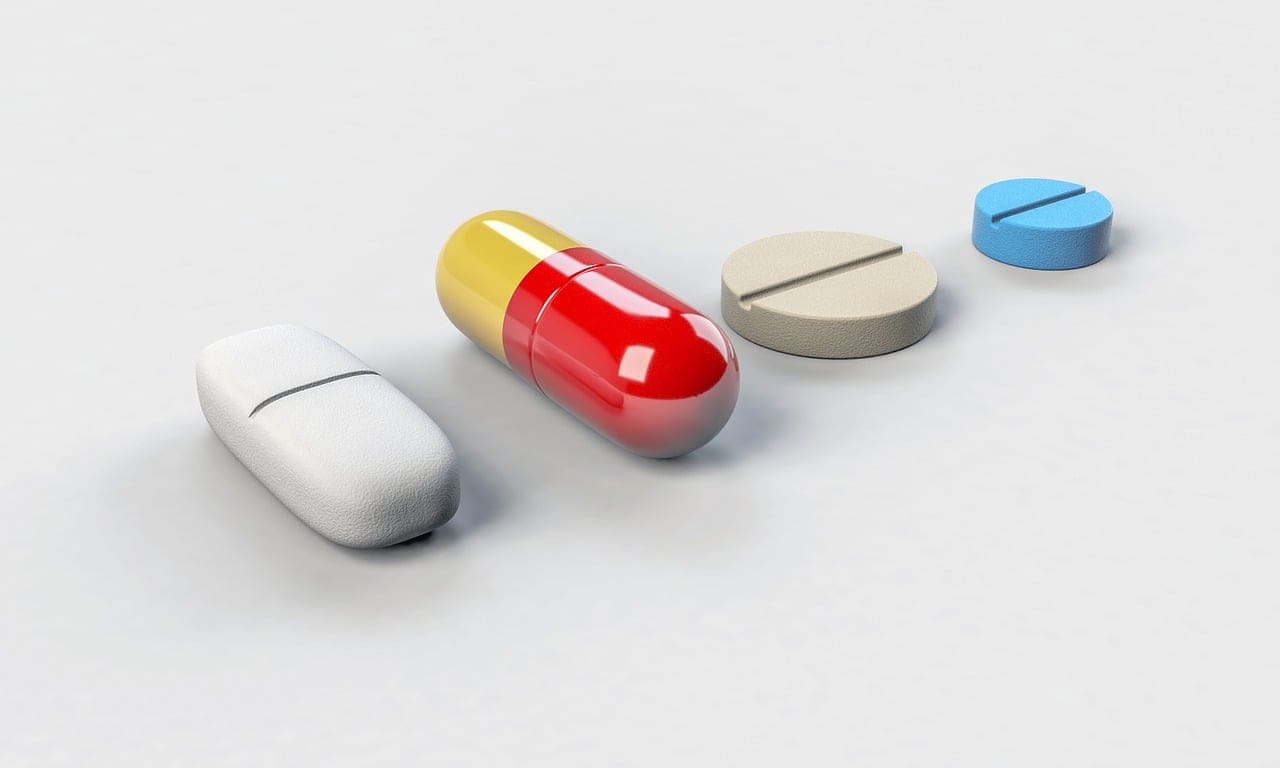
When it comes to managing your cholesterol levels, finding the right supplements can make all the difference. But with so many options available, how do you choose quality products that actually work? In this article, we’ll explore the key factors to consider when selecting supplements to lower your cholesterol. From understanding the ingredients to checking for certification, we’ve got you covered. So, if you’re ready to take control of your cholesterol and improve your overall health, keep reading to discover what to look for in quality supplements.
Understanding Cholesterol
Cholesterol is a substance that plays a vital role in our body’s functioning. It is a waxy, fat-like substance that is found in every cell of our body and is essential for the production of hormones, vitamin D, and substances that help in digesting food. However, not all cholesterol is the same. There are different types of cholesterol that serve different purposes in our body.
Different types of cholesterol
The two main types of cholesterol are LDL (low-density lipoprotein) and HDL (high-density lipoprotein). LDL cholesterol is often referred to as “bad” cholesterol because high levels of it can lead to the buildup of plaque in the arteries, increasing the risk of heart disease and stroke. On the other hand, HDL cholesterol is known as “good” cholesterol because it helps remove LDL cholesterol from the arteries, reducing the risk of cardiovascular problems.
The role of cholesterol in the body
Cholesterol is essential for various bodily functions, such as the production of cell membranes, hormones, and bile acids that aid in digestion. It serves as a building block for many important compounds that our body needs to function properly. Without cholesterol, our bodies would not be able to perform essential tasks, and our overall health would be compromised.
Importance of Lowering Cholesterol
While cholesterol is necessary for our body’s functioning, it is crucial to maintain a healthy balance of cholesterol levels. High levels of LDL cholesterol can increase the risk of heart disease, stroke, and other cardiovascular problems. Lowering cholesterol levels can significantly reduce these risks and promote overall heart health.
Risk factors associated with high cholesterol
Several risk factors contribute to high cholesterol levels. These include a poor diet high in saturated and trans fats, lack of exercise, obesity, smoking, and certain genetic factors. It is important to identify these risk factors and take steps to mitigate them to maintain optimal cholesterol levels and reduce the risk of developing serious health conditions.
Benefits of lowering cholesterol
Lowering cholesterol has numerous benefits for our overall health. By reducing LDL cholesterol levels, we can decrease the buildup of plaque in the arteries and improve blood flow. This, in turn, reduces the risk of heart disease, heart attacks, and strokes. Additionally, maintaining healthy cholesterol levels can also help improve energy levels, promote a healthier weight, and contribute to better overall cardiovascular health.

Supplements for Lowering Cholesterol
In addition to lifestyle changes, such as adopting a healthy diet and regular exercise, supplements can be a useful tool in managing cholesterol levels. These supplements are specifically designed to aid in lowering LDL cholesterol and maintaining a healthy balance.
Understanding the role of supplements
Supplements are products that contain concentrated amounts of specific nutrients or ingredients that can have a positive impact on our health. In the case of cholesterol-lowering supplements, they often contain ingredients that have been scientifically shown to lower LDL cholesterol levels or improve heart health.
Types of supplements available
There are various types of cholesterol-lowering supplements available on the market. Some common types include plant sterols and stanols, omega-3 fatty acids, red yeast rice, and soluble fiber supplements. Each type of supplement works differently and may have varying degrees of effectiveness for different individuals. It is important to understand the potential benefits and limitations of each type before choosing a supplement.
Choosing Quality Supplements
When selecting a cholesterol-lowering supplement, it is essential to consider several factors to ensure that you are choosing a high-quality product that will deliver the desired results. Here are some key considerations to keep in mind:
Researching the brand
Before purchasing any supplement, it is important to research the brand and manufacturer. Look for companies with a reputation for producing high-quality products and have a commitment to rigorous testing and quality control. Reading reviews and checking for certifications can also provide insights into the brand’s trustworthiness and product efficacy.
Checking for certifications and quality standards
Look for supplements that have undergone third-party testing and are certified by reputable organizations, such as the United States Pharmacopeia (USP), ConsumerLab, or NSF International. These certifications ensure that the product meets stringent quality standards and has been tested for purity, potency, and overall quality.
Key Ingredients to Look For
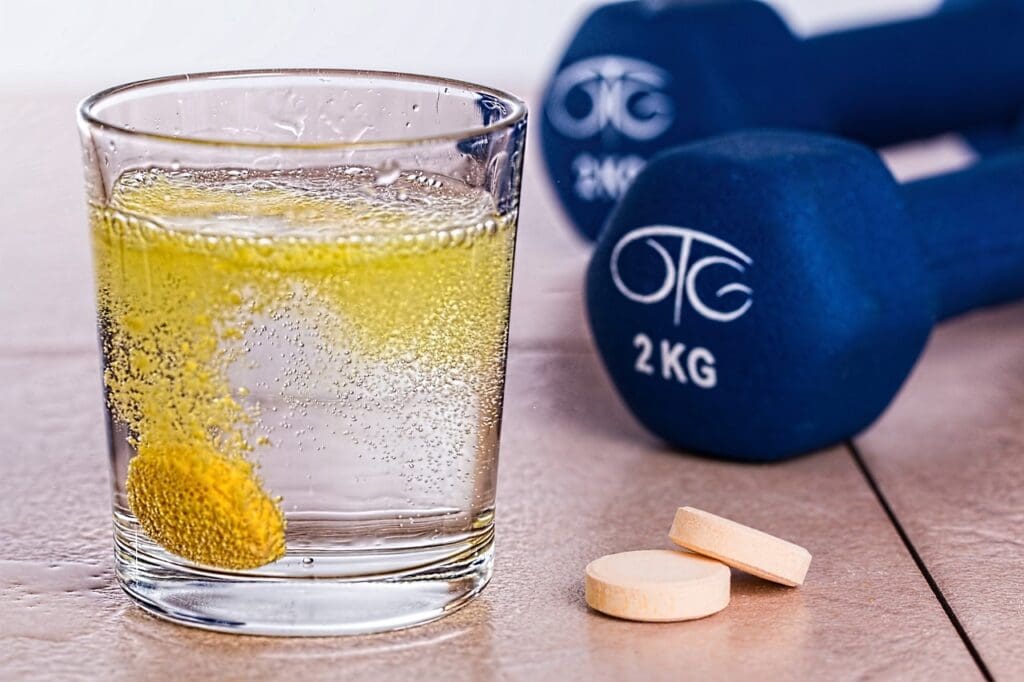
When choosing a cholesterol-lowering supplement, it is important to consider the key ingredients present in the product. These ingredients have been extensively studied and proven to have beneficial effects on cholesterol levels and overall heart health.
Plant sterols and stanols
Plant sterols and stanols are naturally occurring compounds found in plants that closely resemble the structure of cholesterol. They have been shown to lower LDL cholesterol levels by inhibiting its absorption in the intestines. Look for supplements that contain a sufficient amount of plant sterols and stanols to effectively lower cholesterol.
Omega-3 fatty acids
Omega-3 fatty acids, particularly EPA (eicosapentaenoic acid) and DHA (docosahexaenoic acid), have been extensively researched for their cardiovascular benefits. These healthy fats help reduce inflammation in the body, lower triglyceride levels, and promote overall heart health. Look for supplements that contain high levels of omega-3 fatty acids sourced from reputable sources, such as fish oil or algae oil.
Dosage and Recommended Intake
When taking any supplement, it is important to consult with a healthcare professional to determine the appropriate dosage and recommended intake. The dosage may vary depending on factors such as age, overall health, and specific health conditions.
Consulting with a healthcare professional
A healthcare professional, such as a doctor or registered dietitian, can assess your individual health needs and guide you in determining the most appropriate dosage and usage instructions for your cholesterol-lowering supplement. They can also provide valuable insights on any potential interactions with medications you may be taking.
Understanding the recommended dosage
The recommended dosage for cholesterol-lowering supplements will vary depending on the specific product and its formulation. It is important to carefully read and follow the instructions provided by the manufacturer or as advised by your healthcare professional. Taking the correct dosage at the appropriate times is crucial to ensure the desired health benefits and to minimize any potential risks.

Evaluating Safety and Side Effects
Before incorporating any supplement into your daily routine, it is essential to be aware of the potential side effects and safety considerations associated with the product. While supplements are generally safe when used appropriately, it is important to be well-informed and make informed decisions.
Common side effects to be aware of
Certain cholesterol-lowering supplements may have potential side effects. Common side effects can include digestive issues such as stomach upset, diarrhea, or constipation. Other individuals may experience allergic reactions or interact with certain medications. It is important to be vigilant about any unexpected changes or symptoms and consult a healthcare professional if needed.
Interactions with other medications
Some cholesterol-lowering supplements may interact with certain medications, such as blood thinners or statins. It is important to inform your healthcare professional about any supplements you are taking or considering taking to avoid any potential interactions or negative effects on medication efficacy.
Customer Reviews and Testimonials
Reading customer reviews and testimonials can provide valuable insights into the effectiveness and overall satisfaction of the supplement you are considering. While individual experiences may vary, reviews can help you gauge the general consensus and identify any potential issues or concerns.
Importance of reading reviews
Reading reviews allows you to gain a sense of the overall effectiveness and customer satisfaction of the supplement. Look for reviews from reputable sources or platforms and consider both positive and negative reviews to get a well-rounded perspective. Pay attention to reviews from individuals with similar health concerns or goals to your own to see if the supplement has been beneficial for others in similar situations.
Validating the effectiveness of the supplement
Positive reviews and testimonials can provide reassurance that the supplement has delivered the desired benefits to other individuals. However, it is important to remember that results may vary depending on various factors, including individual differences, underlying health conditions, and adherence to a healthy lifestyle. It is always advisable to consult with a healthcare professional before starting any new supplement regimen.

Cost and Value for Money
When considering a cholesterol-lowering supplement, it is important to evaluate the cost and value for money. While price should not be the sole determining factor, it is essential to find a supplement that offers a reasonable balance between cost and quality.
Comparing prices of different supplements
Research and compare the prices of different cholesterol-lowering supplements available in the market. Look for supplements that provide high-quality ingredients, research-backed efficacy, and good value for the price. Don’t forget to consider the recommended dosage and the duration the supplement is intended to last to calculate the overall cost.
Considering the value provided
When evaluating the value for money, consider not just the price, but also the quality of ingredients, certifications, manufacturing processes, and overall brand reputation. It is important to find a supplement that meets your specific needs, delivers the desired benefits, and aligns with your budget.
Long-term Commitment and Lifestyle Changes
While cholesterol-lowering supplements can be a helpful addition to managing cholesterol levels, they should not be relied upon as the sole solution. Long-term commitment to a healthy lifestyle is crucial for overall cardiovascular health.
Supplements as a part of a comprehensive approach
Cholesterol-lowering supplements should be viewed as part of a comprehensive approach to managing cholesterol levels. They should complement other lifestyle changes, such as adopting a heart-healthy diet rich in fruits, vegetables, whole grains, lean proteins, and healthy fats. Regular exercise, maintaining a healthy weight, and avoiding smoking are also key components of a comprehensive approach.
Importance of healthy diet and exercise
No supplement can substitute a healthy diet and regular exercise when it comes to maintaining optimal cholesterol levels. Incorporating more fruits, vegetables, whole grains, and lean proteins into your diet can help reduce LDL cholesterol levels. Engaging in aerobic exercise and strength training can improve heart health and overall fitness. By combining these lifestyle changes with cholesterol-lowering supplements, you can maximize the benefits and achieve the desired results.
In conclusion, understanding cholesterol and its impact on our health is crucial for making informed decisions. Lowering cholesterol can significantly reduce the risk of heart disease and stroke, and cholesterol-lowering supplements can be a valuable tool in achieving and maintaining healthy cholesterol levels. When choosing a supplement, it is important to research the brand, look for certifications, consider key ingredients, consult with a healthcare professional, and evaluate safety and side effects. Reading customer reviews, considering the cost and value for money, and recognizing the importance of long-term commitment to lifestyle changes are also essential factors to consider. By incorporating cholesterol-lowering supplements as part of a comprehensive approach that includes a healthy diet, regular exercise, and other healthy lifestyle choices, you can optimize your heart health and overall well-being.