Are you looking for natural ways to manage your cholesterol levels without relying on medication? Look no further! In this article, we will explore the top natural remedies that can effectively help you maintain healthy cholesterol levels. From dietary changes and exercise to herbal supplements and stress management techniques, we’ve got you covered. Say goodbye to invasive medications and embrace these natural alternatives to take control of your cholesterol health.
Healthy Diet
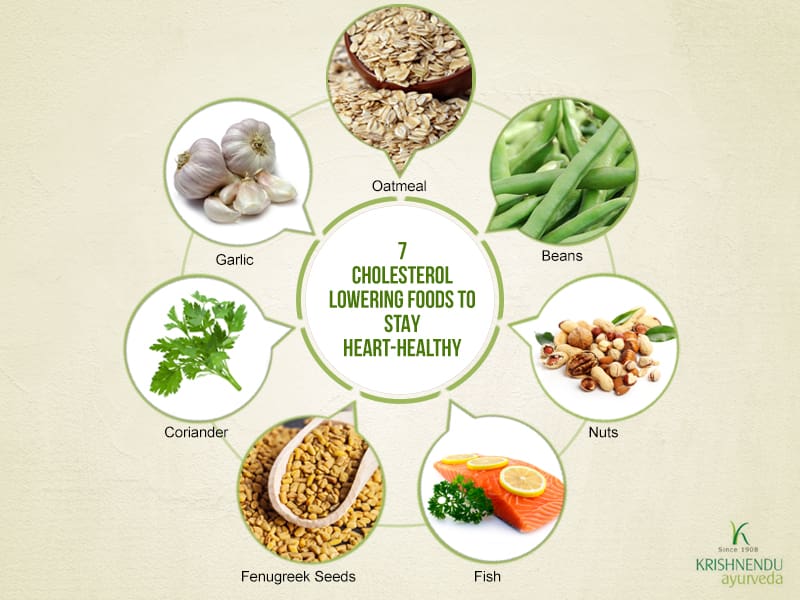
Eating a healthy diet is essential for maintaining overall health and well-being. When it comes to managing cholesterol levels, there are certain dietary choices that can make a significant impact. One of the key components of a cholesterol-lowering diet is increasing your fiber intake. Fiber acts like a sponge, soaking up excess cholesterol and preventing its absorption into the bloodstream. Include foods like whole grains, fruits, vegetables, and legumes in your diet to get an adequate amount of fiber.
In addition to fiber, healthy fats also play a crucial role in managing cholesterol levels. Incorporating sources of healthy fats, such as avocados, nuts, seeds, and olive oil, can help increase the levels of good cholesterol (HDL) while reducing bad cholesterol (LDL). Healthy fats are a great addition to any meal or snack and can provide a sense of satiety and satisfaction.
On the other hand, trans fats should be avoided at all costs. Trans fats are artificially created fats that are commonly found in processed and fried foods, such as chips, cookies, and fast food. These fats not only increase bad cholesterol levels but also decrease good cholesterol levels, making them a double threat to heart health. When reading food labels, be sure to steer clear of any products that contain hydrogenated oils or partially hydrogenated oils, as these are indicators of trans fats.
Exercise Regularly
Regular exercise is not only beneficial for weight management but also plays a crucial role in managing cholesterol levels. Engaging in aerobic exercises, such as walking, jogging, swimming, or cycling, helps increase your heart rate and improve cardiovascular health. Aim for at least 150 minutes of moderate-intensity aerobic exercise or 75 minutes of vigorous-intensity aerobic exercise per week to reap the cholesterol-lowering benefits.
Strength training is another important aspect of your exercise routine. By incorporating exercises that target major muscle groups, such as weightlifting or bodyweight exercises, you can increase your muscle mass and boost your metabolism. This, in turn, helps burn more calories and promotes healthy weight management. Aim for two or more sessions of strength training per week, focusing on different muscle groups each time.
In addition to aerobic and strength exercises, consider incorporating yoga or flexibility exercises into your routine. Yoga not only helps improve flexibility and balance but also promotes relaxation and stress reduction. Stress can have a negative impact on cholesterol levels, so it is essential to find ways to de-stress. Whether it’s through yoga, meditation, or other stress-reducing activities, taking the time to care for your mental health can ultimately benefit your physical health as well.

Maintain a Healthy Weight
Maintaining a healthy weight is crucial for managing cholesterol levels and reducing the risk of heart disease. One of the key factors in maintaining a healthy weight is monitoring your calorie intake. By keeping track of the number of calories you consume, you can ensure that you are not consuming more than your body needs. This helps prevent excessive weight gain, which can increase cholesterol levels.
Portion control is another important aspect of weight management. By being mindful of your portion sizes and avoiding oversized servings, you can better manage your calorie intake. Consider using smaller plates and bowls to visually trick yourself into thinking that you are consuming more food than you actually are. This can help prevent overeating and promote healthier portion sizes.
Intermittent fasting is a popular strategy for weight management and has shown promising results in managing cholesterol levels as well. Intermittent fasting involves restricting your eating window to a certain number of hours per day or fasting for a set number of days per week. This approach can help control calorie intake and promote weight loss, ultimately leading to improved cholesterol levels. However, it is important to consult with a healthcare professional before starting any intermittent fasting regimen to ensure that it is suitable for you.
Increase Physical Activity
Increasing your overall physical activity level can have a positive impact on your cholesterol levels. Incorporating simple lifestyle changes like taking the stairs instead of the elevator or escalator can help you burn more calories and improve cardiovascular health. Similarly, opting for walking or biking instead of driving whenever possible can not only help reduce your cholesterol levels but also benefit the environment.
If you have a sedentary job that involves sitting for long periods, make it a point to stand up or move around during breaks. Sitting for prolonged periods has been linked to various health issues, including high cholesterol levels. By incorporating regular movement breaks into your day, you can prevent the negative effects of prolonged sitting and promote better overall health.
Quit Smoking
Smoking is not only detrimental to lung health but also has a significant impact on cholesterol levels and heart health. Quitting smoking is one of the most beneficial steps you can take to improve your overall well-being. Seek support or counseling to help you in your journey to quit smoking. There are various resources available, such as support groups, helplines, or online programs, that can provide guidance and assistance.
Smoking cessation products, such as nicotine replacement therapies or prescription medications, can also be helpful in managing withdrawal symptoms and cravings. Consult with a healthcare professional to determine the best approach for you and to ensure that you are using these products safely and effectively.
It is also important to find healthy alternatives to cope with cravings and manage stress, as these are often triggers for smoking. Engaging in activities like exercising, practicing relaxation techniques, or finding hobbies that keep your mind occupied can be beneficial in managing cravings and reducing the desire to smoke. Surrounding yourself with a supportive network of friends and family who understand your decision to quit smoking can provide the encouragement and motivation you need.
Reduce Alcohol Consumption
While moderate alcohol consumption may have some health benefits, excessive and regular alcohol intake can have detrimental effects on cholesterol levels and overall health. Setting limits and sticking to them is crucial for managing your alcohol intake. The Centers for Disease Control and Prevention (CDC) defines moderate drinking as up to one drink per day for women and up to two drinks per day for men.
Choosing lower-risk drinking options, such as light beer or wine, can help reduce calorie and sugar intake while still allowing you to enjoy a drink. It is important to be mindful of portion sizes and avoid binge drinking, as this can have severe health consequences.
Finding alternative ways to socialize that do not revolve around alcohol can also be beneficial. Engaging in activities like going to the movies, organizing a game night, or participating in sports or fitness classes can provide a fun and healthy way to spend time with friends and family. By shifting the focus away from alcohol-centered activities, you can prioritize your health and well-being.

Manage Stress
Stress can have a significant impact on cholesterol levels and overall health. Therefore, finding effective ways to manage stress is crucial for maintaining optimal cholesterol levels. Practice relaxation techniques like deep breathing exercises, meditation, or yoga to help calm your mind and reduce stress levels. These techniques can be incorporated into your daily routine and offer a quick and convenient way to de-stress.
Engaging in stress-reducing activities can also have a positive impact on your mental and physical well-being. Whether it’s going for a walk in nature, practicing mindfulness, or enjoying a hobby that brings you joy, finding activities that help you relax and unwind can be instrumental in managing stress.
Additionally, seeking support from friends and family can provide an outlet for sharing your feelings and concerns. Talking to a trusted confidant can provide emotional support and help alleviate stress. If needed, consider professional support through therapy or counseling to develop healthy coping mechanisms and learn effective stress management techniques.
Include Plant Sterols or Stanols
Plant sterols and stanols are compounds naturally found in plants that can help lower cholesterol levels. These compounds have a structure similar to cholesterol and can compete with cholesterol for absorption in the intestines. Including plant sterols or stanols in your diet can help reduce cholesterol absorption and lower overall cholesterol levels.
Fortified foods, such as margarine, spreads, and yogurt, often contain added plant sterols or stanols. Look for products that are specifically fortified with these compounds. Reading food labels can help you identify products that contain added plant sterols or stanols and incorporate them into your diet.
If necessary, consult with a healthcare professional to determine if supplementation is appropriate for you. Supplements containing plant sterols or stanols may also be available and can provide a convenient way to ensure you are getting optimal amounts of these cholesterol-lowering compounds.

Add Omega-3 Fatty Acids to Your Diet
Omega-3 fatty acids are a type of healthy fat that offers numerous health benefits, including cholesterol management. Including omega-3 fatty acids in your diet can help increase levels of good cholesterol (HDL) while lowering levels of bad cholesterol (LDL) and triglycerides.
Fatty fish like salmon, mackerel, and sardines are excellent sources of omega-3 fatty acids. Aim to incorporate these types of fish into your diet two to three times per week to meet your omega-3 needs. If you’re vegetarian or don’t enjoy fish, consider including plant sources of omega-3 fatty acids, such as flaxseeds and chia seeds. These can be easily added to smoothies, oatmeal, or baked goods to increase your intake.
If needed, fish oil supplements can also be considered. Look for high-quality fish oil supplements that have been third-party tested for purity and potency. Consult with a healthcare professional to determine the appropriate dosage and to ensure that supplements do not interact with any other medications or health conditions.
Drink Green Tea
Green tea has been revered for its numerous health benefits, including its potential to lower cholesterol levels. Consuming two to three cups of green tea daily has been shown to have a positive impact on cholesterol levels, specifically by reducing total cholesterol and LDL cholesterol.
In addition to regular green tea, you can also explore other variants like matcha or flavored green teas. Matcha is a powdered form of green tea that is known for its concentrated levels of antioxidants. Avoid sweetening your tea with added sugars, as this can counteract the health benefits. If needed, you can add a natural sweetener like honey or stevia to enhance the taste.
Incorporating green tea into your daily routine can provide a refreshing and healthful alternative to other beverages. Be consistent and make it a habit to enjoy a few cups of green tea each day to maximize its cholesterol-lowering benefits.
In conclusion, managing cholesterol levels doesn’t necessarily have to involve medication. By making simple lifestyle changes and adopting healthy habits, such as eating a nutritious diet, exercising regularly, and managing stress, you can effectively manage your cholesterol levels naturally. Incorporating the tips discussed in this article into your daily routine can lead to improved cholesterol levels, better overall health, and a lower risk of heart disease. Remember, it’s never too late to start prioritizing your health, and every small step you take towards a healthier lifestyle can make a significant difference. So why not start today?