Did you know that maintaining healthy cholesterol levels is crucial for your overall well-being? If you’re looking for natural ways to lower your cholesterol levels, you’re in luck! In this article, we will explore some of the most popular natural remedies that can help you effectively manage and lower your cholesterol. From incorporating specific foods into your diet to exploring the benefits of herbal supplements, these remedies are not only effective but also easily accessible. By making simple changes to your lifestyle and incorporating these natural remedies, you can take proactive steps towards improving your cholesterol levels and ultimately promoting a healthier heart.
Dietary Changes
Increase Soluble Fiber Intake
One of the most effective ways to lower your cholesterol naturally is by increasing your intake of soluble fiber. Soluble fiber can help reduce LDL cholesterol levels by binding to cholesterol in your digestive system and preventing it from being absorbed into your bloodstream. Foods that are rich in soluble fiber include oats, barley, lentils, beans, and fruits such as apples and oranges. By incorporating these foods into your diet, you can help lower your cholesterol levels and improve your heart health.
Include Omega-3 Fatty Acids
Omega-3 fatty acids are essential fats that have been shown to have numerous health benefits, including lowering cholesterol levels. These fatty acids can be found in oily fish such as salmon, mackerel, and sardines. Consuming these fish two to three times a week can help increase your intake of omega-3 fatty acids and potentially reduce your cholesterol. If you’re not a fan of fish, you can also supplement with fish oil capsules, which provide a concentrated dose of omega-3 fatty acids.
Reduce Trans Fats Consumption
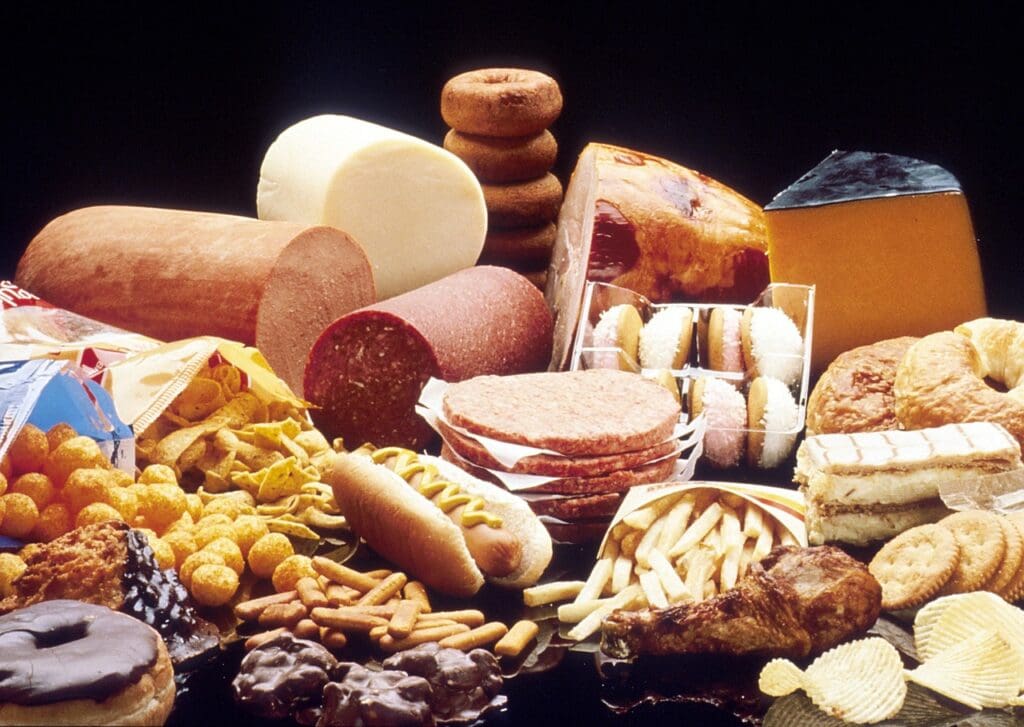
Trans fats are artificially created fats that can raise your LDL cholesterol levels and lower your HDL cholesterol levels, which is the opposite of what you want for a healthy heart. These fats are often found in processed foods, fried foods, and baked goods. By reducing your consumption of these unhealthy fats, you can help improve your cholesterol profile and decrease your risk of heart disease. Opt for healthier fats such as monounsaturated fats found in olive oil, avocados, and nuts, and avoid foods that contain hydrogenated oils.
Herbal Supplements
Garlic
Garlic has been used for centuries for its medicinal properties, including its potential to lower cholesterol levels. Certain compounds found in garlic, such as allicin, have been shown to have cholesterol-lowering effects. Including fresh garlic in your meals or taking garlic supplements can potentially help decrease your LDL cholesterol levels and improve your overall heart health. However, it’s important to note that more research is needed to fully understand the effects of garlic on cholesterol levels.
Artichoke Leaf
Artichoke leaf extract has been used in traditional medicine for its potential cholesterol-lowering effects. It contains compounds such as cynarin, which has been shown to inhibit cholesterol synthesis in the liver and increase the excretion of cholesterol from the body. Including artichoke leaf extract in your diet or taking artichoke leaf supplements can potentially help lower your LDL cholesterol levels. As with any herbal supplement, it’s important to consult with your healthcare provider before adding it to your routine.
Red Yeast Rice
Red yeast rice is a fermented rice product that has been used in traditional Chinese medicine for centuries. It contains a compound called monacolin K, which is similar in structure to the statin drug lovastatin. Several studies have shown that red yeast rice can effectively lower LDL cholesterol levels. However, it’s important to note that the concentration of monacolin K in red yeast rice supplements can vary, and some products may even contain high levels of contaminants. It’s crucial to choose a high-quality supplement and consult with your healthcare provider before taking red yeast rice.
Plant Sterols and Stanols
Foods Fortified with Sterols and Stanols
Plant sterols and stanols are compounds naturally found in certain plants that have been shown to lower LDL cholesterol levels. They work by reducing the absorption of cholesterol in the intestines, thereby decreasing its levels in the bloodstream. Many food products, such as margarine, orange juice, and yogurt, are now fortified with plant sterols and stanols to provide an easy way to incorporate them into your diet. Consuming these fortified foods regularly can help lower your cholesterol levels and improve your heart health.
Supplements with Plant Sterols and Stanols
If you struggle to consume enough plant sterols and stanols through your diet alone, you may consider taking supplements that contain these compounds. These supplements typically come in the form of capsules or tablets and are readily available over-the-counter. However, it’s important to note that while these supplements can be effective in lowering cholesterol levels, they should be used as part of a comprehensive approach that includes dietary changes and lifestyle modifications. Consult with your healthcare provider before starting any new supplements.
Exercise
Aerobic Exercise
Engaging in regular aerobic exercise can have a positive impact on your cholesterol levels. Activities such as brisk walking, jogging, cycling, and swimming can help increase your HDL cholesterol levels, which is the “good” cholesterol that helps remove LDL cholesterol from your bloodstream. Aim for at least 150 minutes of moderate-intensity aerobic exercise or 75 minutes of vigorous-intensity aerobic exercise per week. By incorporating regular aerobic exercise into your routine, you can improve your overall cholesterol profile and reduce your risk of heart disease.
Resistance Training
In addition to aerobic exercise, resistance training or strength training can also have beneficial effects on your cholesterol levels. Resistance training involves activities such as weightlifting, using resistance bands, or performing bodyweight exercises. By building lean muscle mass, you can increase your metabolism and improve your cholesterol profile. Aim to include resistance training exercises into your routine at least two times per week, targeting all major muscle groups. With regular resistance training, you can not only lower your cholesterol levels but also enhance your overall physical fitness.
Yoga and Pilates
While aerobic exercise and resistance training are important for cholesterol management, it’s also essential to incorporate activities that focus on flexibility and stress reduction. Yoga and Pilates are two popular forms of mind-body exercise that can help lower cholesterol levels indirectly. These practices involve gentle stretching, deep breathing, and relaxation techniques, which can help reduce stress levels and promote a sense of well-being. Elevated stress levels can contribute to high cholesterol, so incorporating yoga or Pilates into your routine can be beneficial for both your physical and mental health.

Lifestyle Modifications
Quit Smoking
If you’re a smoker, quitting smoking is one of the most important lifestyle modifications you can make to improve your cholesterol levels and overall health. Smoking not only lowers your HDL cholesterol levels but also damages your blood vessels, making it easier for cholesterol to stick to their walls. By quitting smoking, you can improve your HDL cholesterol levels and decrease your risk of heart disease. Seek support from healthcare professionals, join a smoking cessation program, or explore nicotine replacement therapies to increase your chances of successful quitting.
Limit Alcohol Consumption
While moderate alcohol consumption may have some health benefits, excessive alcohol intake can negatively impact your cholesterol levels. Consuming too much alcohol can raise your triglyceride levels and increase your LDL cholesterol levels. To keep your cholesterol in check, it’s important to limit your alcohol intake. The American Heart Association recommends a maximum of one drink per day for women and two drinks per day for men. If you’re concerned about your cholesterol levels, reducing or eliminating alcohol altogether may be beneficial.
Manage Stress Levels
Chronic stress can contribute to high cholesterol levels and an increased risk of heart disease. When you’re stressed, your body releases stress hormones that can raise your LDL cholesterol levels. Finding healthy ways to manage stress is crucial for maintaining healthy cholesterol levels. Engaging in activities such as meditation, deep breathing exercises, or engaging in hobbies you enjoy can help reduce stress levels. Additionally, seeking support from loved ones or professional counselors can provide valuable emotional support during times of stress.
Green Tea
Catechins in Green Tea
Green tea is known for its high content of catechins, which are powerful antioxidants. These catechins, especially epigallocatechin gallate (EGCG), have been shown to have numerous health benefits, including the potential to lower cholesterol levels. Consuming green tea regularly can help increase your HDL cholesterol levels and decrease your LDL cholesterol levels. Aim to drink at least two cups of green tea per day to reap its potential cholesterol-lowering effects.
Green Tea Supplements
If you’re not a fan of drinking tea or simply prefer the convenience of supplements, green tea extract supplements are available. These supplements typically contain higher concentrations of catechins compared to a cup of green tea. However, it’s important to choose a reputable brand and follow the recommended dosage instructions. Additionally, keep in mind that supplements should not replace a healthy diet and lifestyle. Consult with your healthcare provider before adding green tea supplements to your routine, especially if you have any underlying health conditions or take other medications.

Nuts and Seeds
Almonds
Almonds are a heart-healthy snack that can help lower your cholesterol levels. They are rich in monounsaturated fats, fiber, and antioxidants, all of which have been shown to have cholesterol-lowering effects. Consuming a handful of almonds as a snack or incorporating them into your meals can contribute to improved cholesterol profiles and overall heart health. However, keep in mind that almonds are high in calories, so it’s important to consume them in moderation as part of a balanced diet.
Walnuts
Walnuts are another nut that can help lower your cholesterol levels due to their high content of omega-3 fatty acids, fiber, and antioxidants. Omega-3 fatty acids have been shown to decrease LDL cholesterol levels and reduce inflammation in the body, both of which contribute to heart disease. Adding a handful of walnuts to your diet or sprinkling them on top of salads, oatmeal, or yogurt can provide you with these heart-healthy benefits.
Chia Seeds
Chia seeds are small but mighty when it comes to cholesterol management. They are packed with fiber, omega-3 fatty acids, and antioxidants, all of which can help lower LDL cholesterol levels. Chia seeds can absorb water and form a gel-like substance in your stomach, which slows down digestion and helps you feel fuller for longer. Incorporating chia seeds into your diet by adding them to smoothies, yogurt, or as a topping on your favorite dishes can be an easy and delicious way to improve your cholesterol profile.
Fish Oil
Omega-3 Fatty Acids in Fish Oil
Fish oil is a rich source of omega-3 fatty acids, which have been shown to have numerous health benefits, including lowering cholesterol levels. Omega-3 fatty acids can decrease triglyceride levels, reduce inflammation, and improve blood vessel function. Incorporating fish oil supplements into your routine can help increase your intake of these beneficial fats and promote heart health. However, it’s important to choose a high-quality fish oil supplement that is free from contaminants and follow the recommended dosage instructions.
Dosage and Safety Considerations
When it comes to fish oil supplementation, it’s important to consider the dosage and potential safety concerns. The American Heart Association recommends a daily dosage of 1 gram of omega-3 fatty acids from fish oil supplements for individuals with high triglyceride levels. However, it’s essential to consult with your healthcare provider before starting any new supplements, especially if you have any underlying health conditions or take other medications. Additionally, fish oil supplements can interact with certain medications, so it’s crucial to disclose all your medications to your healthcare provider.
Apple Cider Vinegar
Beneficial Effects on Cholesterol
Apple cider vinegar has gained popularity for its potential health benefits, including its effects on cholesterol levels. Although research on apple cider vinegar specifically is limited, studies have shown that vinegar consumption, including apple cider vinegar, can help lower LDL cholesterol levels and increase HDL cholesterol levels. The acetic acid in vinegar is believed to be responsible for these cholesterol-lowering effects. Incorporating apple cider vinegar into your diet by adding it to dressings, marinades, or simply diluting it in water can potentially contribute to improved cholesterol levels.
Incorporating Apple Cider Vinegar into Diet
When incorporating apple cider vinegar into your diet, it’s important to dilute it in water to protect your tooth enamel and esophagus from the acidity. Start by adding one to two tablespoons of apple cider vinegar to a glass of water and gradually increase the amount if desired. It’s best to consume apple cider vinegar before meals to potentially aid digestion and improve cholesterol management. However, keep in mind that apple cider vinegar should be used as part of a healthy diet and lifestyle, and it’s crucial to consult with your healthcare provider before making any significant dietary changes.
Psyllium Husk
High Fiber Content
Psyllium husk is a popular dietary supplement that is rich in soluble fiber. This soluble fiber has been shown to have beneficial effects on cholesterol levels. When consumed, psyllium husk forms a gel-like substance in your digestive system that can bind to cholesterol and prevent its absorption into your bloodstream. This can lead to a decrease in LDL cholesterol levels and improved heart health. Adding psyllium husk to your diet can be as simple as mixing it with water or incorporating it into recipes such as smoothies or baked goods.
Effectiveness in Lowering Cholesterol
Several studies have demonstrated the effectiveness of psyllium husk in lowering cholesterol levels. The soluble fiber in psyllium husk has been shown to reduce LDL cholesterol levels by up to 10%. However, it’s important to note that psyllium husk may take several weeks to show its full effect on cholesterol levels, so it’s essential to be consistent with its use. Additionally, it’s important to start with small doses and gradually increase the intake to prevent digestive discomfort. As with any dietary supplement, consult with your healthcare provider before adding psyllium husk to your routine, especially if you have any existing medical conditions or take other medications.
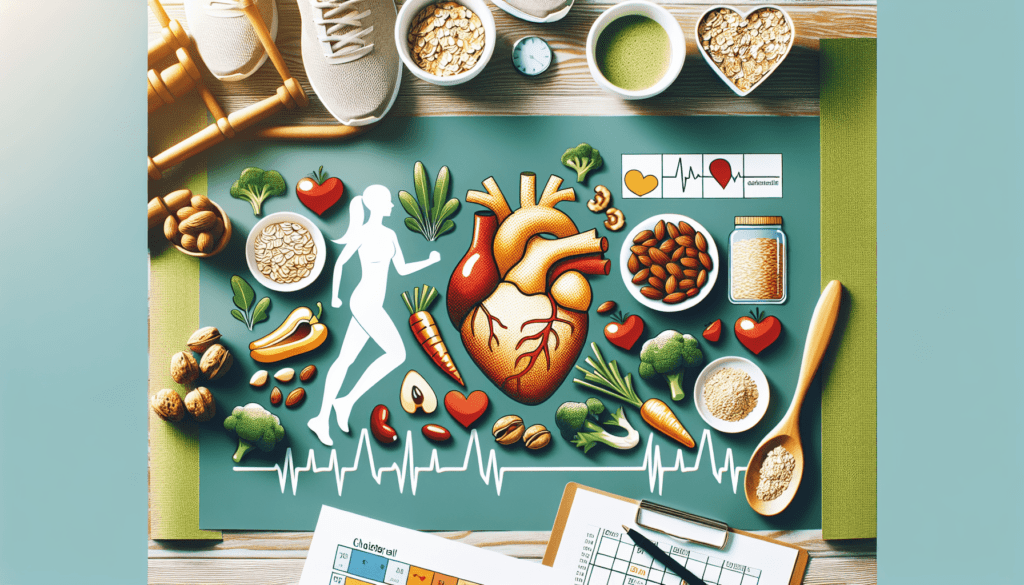
In conclusion, there are several natural remedies and lifestyle modifications that can help lower cholesterol levels and improve heart health. Dietary changes such as increasing soluble fiber intake, including omega-3 fatty acids, and reducing trans fats consumption are key strategies. Herbal supplements such as garlic, artichoke leaf, and red yeast rice, as well as plant sterols and stanols, can also contribute to lower cholesterol levels. Incorporating exercise into your routine, including aerobic exercise, resistance training, and mind-body exercises like yoga and Pilates, can have a positive impact on cholesterol management. Making lifestyle modifications such as quitting smoking, managing stress levels, and limiting alcohol consumption are crucial for maintaining healthy cholesterol levels. Additionally, incorporating green tea, nuts and seeds, fish oil, apple cider vinegar, and psyllium husk into your diet can provide additional support for cholesterol management. Remember to consult with your healthcare provider before making any significant dietary changes or starting any new supplements to ensure they are appropriate for your individual needs. With a comprehensive approach, you can improve your cholesterol profile and promote a healthy heart.