
In today’s fast-paced world, it’s no secret that maintaining a healthy lifestyle can be challenging. With our busy schedules and on-the-go meals, it’s easy to overlook the impact our diet has on our cholesterol levels. However, there is hope. In recent years, research has shown that antioxidants, found in various supplements, play a crucial role in lowering cholesterol. In this article, discover how antioxidants can be your secret weapon in achieving optimal heart health and reducing cholesterol levels.
What are antioxidants?
Definition
Antioxidants are compounds that help protect the body against cellular damage caused by unstable molecules called free radicals. Free radicals are produced naturally in the body as a result of various metabolic processes, but they can also be generated through exposure to environmental factors such as pollution, cigarette smoke, and radiation. These free radicals can cause oxidative stress, leading to damage to cells, proteins, and DNA. Antioxidants work by neutralizing these free radicals, thereby preventing or reducing their harmful effects on the body.
Sources of antioxidants
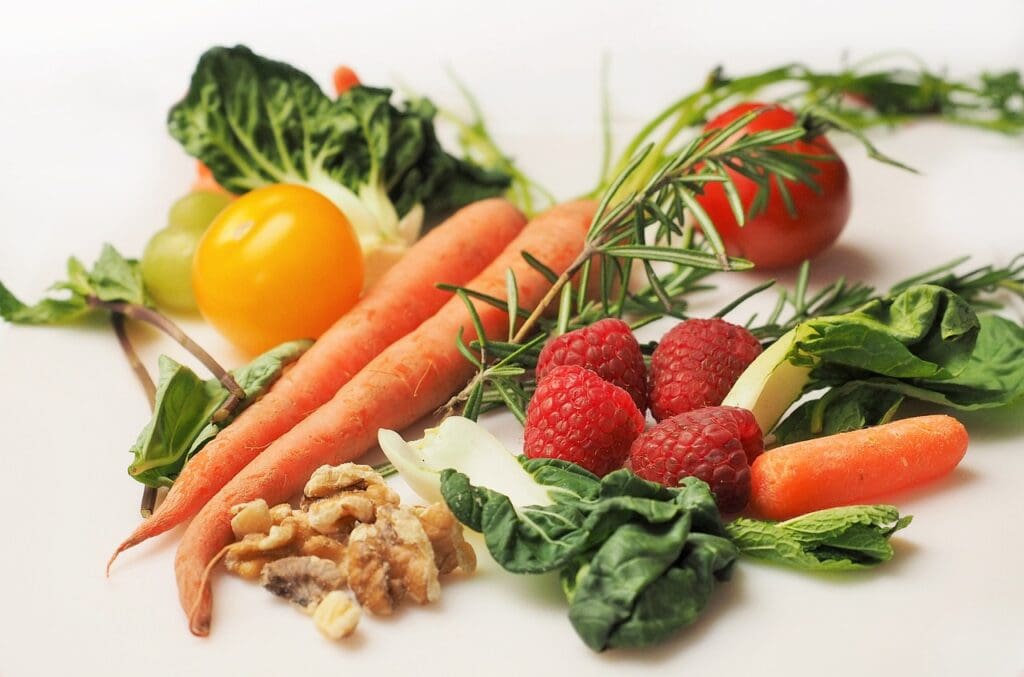
Antioxidants can be found in a wide range of foods. Fruits and vegetables, particularly those that are brightly colored, are excellent sources of antioxidants. Some examples include berries (such as blueberries, strawberries, and raspberries), citrus fruits (like oranges and lemons), leafy greens (such as spinach and kale), and red or purple fruits like grapes and pomegranates. Other sources of antioxidants include nuts, seeds, whole grains, and certain spices like cinnamon and turmeric. It is important to consume a varied diet that includes a wide range of antioxidant-rich foods to ensure adequate intake of these important compounds.
Types of antioxidants
There are several different types of antioxidants, each with its own unique properties and benefits. Some of the most common types include:
-
Vitamin E: This fat-soluble vitamin is a powerful antioxidant that helps protect cell membranes from oxidative damage. It can be found in foods like nuts, seeds, vegetable oils, and leafy greens.
-
Vitamin C: This water-soluble vitamin is another potent antioxidant that plays a crucial role in protecting cells from damage. Good sources include citrus fruits, strawberries, bell peppers, and leafy greens.
-
Beta-carotene: This is a type of carotenoid, a group of antioxidants that gives fruits and vegetables their vibrant colors. Found in foods like carrots, sweet potatoes, spinach, and apricots, beta-carotene is converted into vitamin A in the body and acts as an antioxidant.
-
Selenium: This trace mineral is an essential component of many antioxidant enzymes in the body. Good dietary sources of selenium include Brazil nuts, seafood, whole grains, and dairy products.
-
Flavonoids: These plant compounds have antioxidant properties and can be found in foods such as berries, cocoa, tea, and red wine. They have been shown to possess numerous health benefits, including reducing inflammation and improving heart health.
Understanding cholesterol
What is cholesterol?
Cholesterol is a waxy, fat-like substance that is found in every cell of the body. It is essential for the normal functioning of the body, playing a role in the production of hormones, bile acids, and vitamin D. Cholesterol is mainly produced by the liver, but it can also be obtained through the diet from animal-based foods such as meat, eggs, and dairy products. While some cholesterol is necessary for the body, an excess of it can lead to health problems.
Types of cholesterol
There are two main types of cholesterol: low-density lipoprotein (LDL) cholesterol, often referred to as “bad” cholesterol, and high-density lipoprotein (HDL) cholesterol, often called “good” cholesterol. LDL cholesterol is responsible for transporting cholesterol to the body’s cells, but if levels become too high, it can build up in the arteries and form plaques, increasing the risk of heart disease. On the other hand, HDL cholesterol helps remove excess cholesterol from the bloodstream and transport it to the liver for disposal, which can help lower the risk of heart disease.
Role of cholesterol in the body
Cholesterol is involved in many important processes in the body. It is a key component of cell membranes, contributing to their structure and fluidity. It also serves as a building block for the synthesis of hormones such as estrogen, testosterone, and cortisol. Additionally, cholesterol is essential for the absorption of fat-soluble vitamins, including vitamins A, D, E, and K. While cholesterol has important functions, maintaining a balance is crucial to prevent the onset of cardiovascular diseases.
Antioxidants and cholesterol
How antioxidants affect cholesterol levels
Research has shown that antioxidants can play a role in lowering cholesterol levels and reducing the risk of heart disease. Antioxidants help prevent the oxidation of LDL cholesterol particles, which is a key step in the development of atherosclerosis, a condition characterized by the build-up of plaque in the arteries. By inhibiting the oxidation of LDL cholesterol, antioxidants can potentially reduce the risk of plaque formation and the subsequent narrowing of blood vessels.
Mechanism of action
Antioxidants work by neutralizing free radicals, which are highly reactive molecules that can cause damage to cells and tissues. When LDL cholesterol particles become oxidized, they can trigger an inflammatory response that leads to the accumulation of plaque in the arteries. Antioxidants help prevent this oxidation process by donating an electron to the free radicals, thereby stabilizing them and preventing them from causing damage.
Research studies on the relationship between antioxidants and cholesterol
Multiple studies have investigated the relationship between antioxidants and cholesterol levels. For example, a study published in the Journal of Nutrition found that supplementation with vitamin E, a potent antioxidant, led to a significant reduction in LDL cholesterol levels in individuals with elevated cholesterol levels. Another study published in the Archives of Internal Medicine showed that a combination of vitamin C and vitamin E supplementation resulted in a decrease in LDL cholesterol oxidation in smokers. These studies suggest that antioxidants can have a positive impact on cholesterol levels and reduce the risk of cardiovascular disease.
Popular antioxidants for lowering cholesterol

Vitamin E
Vitamin E is one of the most well-known antioxidants and has been extensively studied for its potential benefits in lowering cholesterol. It is believed to work by preventing the oxidation of LDL cholesterol particles. Good dietary sources of vitamin E include nuts, seeds, vegetable oils, and leafy greens. However, supplementation may be necessary in some cases to ensure adequate intake, particularly for those at higher risk of heart disease.
Vitamin C
Vitamin C is another powerful antioxidant that has been shown to have positive effects on cholesterol levels. It helps reduce LDL cholesterol oxidation and can also increase levels of HDL cholesterol. Vitamin C is abundant in citrus fruits, strawberries, bell peppers, and leafy greens. However, individuals with certain medical conditions or dietary restrictions may need to supplement with vitamin C to achieve optimal levels.
Beta-carotene
Beta-carotene, which is converted into vitamin A in the body, is another antioxidant that has been studied for its potential cholesterol-lowering effects. It is found in orange and yellow fruits and vegetables such as carrots, sweet potatoes, and apricots. While beta-carotene supplementation has not shown consistent results in reducing cholesterol levels, incorporating foods rich in beta-carotene into the diet can still provide numerous health benefits.
Benefits of antioxidants in lowering cholesterol
Reduction in LDL cholesterol levels
One of the key benefits of antioxidants in lowering cholesterol is their ability to reduce levels of LDL cholesterol. LDL cholesterol is often referred to as “bad” cholesterol, as high levels can lead to the development of plaque in the arteries. By inhibiting the oxidation of LDL cholesterol particles, antioxidants help prevent the formation of plaques and reduce the risk of cardiovascular disease.
Increase in HDL cholesterol levels
Antioxidants have also been shown to increase levels of HDL cholesterol, which is considered “good” cholesterol. HDL cholesterol helps remove excess cholesterol from the bloodstream and transports it to the liver for disposal. By raising HDL cholesterol levels, antioxidants promote the removal of LDL cholesterol from the arteries, further reducing the risk of plaque formation.
Prevention of cholesterol oxidation and plaque formation
Another significant benefit of antioxidants in lowering cholesterol is their role in preventing the oxidation of LDL cholesterol particles. When LDL cholesterol becomes oxidized, it undergoes changes that make it more likely to build up in the arteries and form plaque. By inhibiting this oxidation process, antioxidants help prevent the development of atherosclerosis and reduce the risk of heart disease.
Recommended antioxidant intake for cholesterol management
Daily recommended intake
The recommended intake of antioxidants varies depending on the specific compound and individual factors. In general, it is recommended to consume a diverse and balanced diet that includes a variety of antioxidant-rich foods. The American Heart Association suggests consuming at least five servings of fruits and vegetables per day to ensure an adequate intake of antioxidants. However, in some cases, supplementation may be necessary to achieve optimal levels of certain antioxidants.
Supplementation guidelines
If you are considering supplementing with antioxidants for cholesterol management, it is important to consult with a healthcare professional before starting any new regimen. They can provide personalized recommendations based on your medical history, current medications, and individual needs. It is also important to choose high-quality supplements from reputable brands to ensure their safety and effectiveness.
Safety and considerations
Possible side effects
While antioxidants are generally safe when consumed through foods, excessive intake of certain antioxidant supplements may have adverse effects. For example, high doses of vitamin E supplements have been associated with an increased risk of bleeding in some individuals. Similarly, high doses of beta-carotene supplements have been linked to an increased risk of lung cancer in smokers. It is important to follow recommended dosages and consult with a healthcare professional to avoid potential side effects.
Interactions with medications
Some antioxidants may interact with certain medications, potentially affecting their effectiveness or causing adverse effects. For example, vitamin E supplements can interact with blood-thinning medications and increase the risk of bleeding. Vitamin C supplements may interfere with certain chemotherapy drugs. It is crucial to inform your healthcare professional about all the medications you are taking to ensure there are no potential interactions.
Consulting a healthcare professional
Before starting any antioxidant supplementation for cholesterol management, it is strongly recommended to consult with a healthcare professional. They can assess your individual needs, discuss potential benefits and risks, and provide specific recommendations based on your medical history, current medications, and overall health status. They can also monitor your progress and make adjustments as necessary.
Other lifestyle changes for managing cholesterol
Importance of a healthy diet
While antioxidants can play a significant role in lowering cholesterol, it is essential to incorporate other lifestyle changes for optimal results. A healthy diet that is low in saturated and trans fats and high in fruits, vegetables, whole grains, and lean proteins is crucial for maintaining healthy cholesterol levels. Limiting the intake of processed foods, sugary beverages, and alcohol is also important.
Regular exercise
Engaging in regular physical activity is another key component of cholesterol management. Exercise can help raise HDL cholesterol levels, improve overall cardiovascular health, and promote weight loss or maintenance. Aim for at least 150 minutes of moderate-intensity aerobic activity or 75 minutes of vigorous-intensity activity per week, along with strength training exercises.
Controlling body weight
Maintaining a healthy weight is essential for managing cholesterol levels. Excess body weight, especially around the waist, can contribute to higher levels of LDL cholesterol and lower levels of HDL cholesterol. Adopting a balanced diet, implementing regular exercise, and practicing portion control can help achieve and maintain a healthy weight.
Combining antioxidants with other cholesterol-lowering strategies
Statins and antioxidants
Statins are a common medication prescribed to lower cholesterol levels. While statins are highly effective, some research suggests that combining them with antioxidants may provide additional benefits. For example, a study published in the Journal of the American Medical Association found that combining statin therapy with vitamin E supplements led to a greater reduction in LDL cholesterol compared to statins alone. However, it is important to consult with a healthcare professional before combining any medications or supplements.
Dietary changes and antioxidants
Combining a diet rich in antioxidants with other cholesterol-lowering strategies can have synergistic effects in managing cholesterol levels. By incorporating antioxidant-rich foods alongside a low-saturated fat, high-fiber diet, individuals can maximize the benefits of both approaches. This combination can help reduce LDL cholesterol levels, increase HDL cholesterol levels, and improve overall cardiovascular health.
Conclusion
In conclusion, antioxidants play a crucial role in lowering cholesterol levels and reducing the risk of heart disease. They work by neutralizing free radicals and preventing the oxidation of LDL cholesterol particles. The most popular antioxidants for cholesterol management include vitamin E, vitamin C, and beta-carotene, which can be obtained through a balanced diet or supplementation. Antioxidants offer numerous benefits, including reducing LDL cholesterol levels, increasing HDL cholesterol levels, and preventing cholesterol oxidation and plaque formation. However, it is important to consult with a healthcare professional before starting any antioxidant supplementation, as individual needs may vary. Incorporating other lifestyle changes, such as maintaining a healthy diet, engaging in regular exercise, and controlling body weight, can further enhance the effectiveness of antioxidants in managing cholesterol. By combining antioxidants with other cholesterol-lowering strategies, individuals can take proactive steps towards maintaining optimal cardiovascular health.