

Are you looking for ways to ensure you are getting enough Vitamin B6 in your diet? Look no further! In this article, we will explore the best foods that can help you avoid a deficiency in this essential vitamin. By incorporating these foods into your meals, you can maintain optimal levels of Vitamin B6 and support your overall health and well-being. So let’s dive in and discover the top food sources that can keep Vitamin B6 deficiency at bay!
1. Poultry
When it comes to poultry, there are several options that can help you avoid Vitamin B6 deficiency. Chicken is a popular choice, as it is not only delicious but also a good source of this essential vitamin. Turkey is another excellent option, especially during holiday seasons when it is commonly enjoyed. Duck, although less commonly consumed, can also contribute to your Vitamin B6 intake. Including these poultry options in your diet can provide you with a good amount of Vitamin B6 and help you maintain a healthy balance.
2. Fish and Seafood
Fish and seafood are well-known for their great nutritional value. When it comes to Vitamin B6, there are a few options that stand out. Salmon is not only a delicious choice, but it is also packed with Vitamin B6. Tuna, whether canned or fresh, is another fish that can provide you with a good dose of this essential vitamin. Shrimp, mackerel, and cod are also excellent seafood choices to consider. Lastly, don’t forget about sardines, which are not only rich in Omega-3 fatty acids but also contain a good amount of Vitamin B6.
3. Beans and Legumes
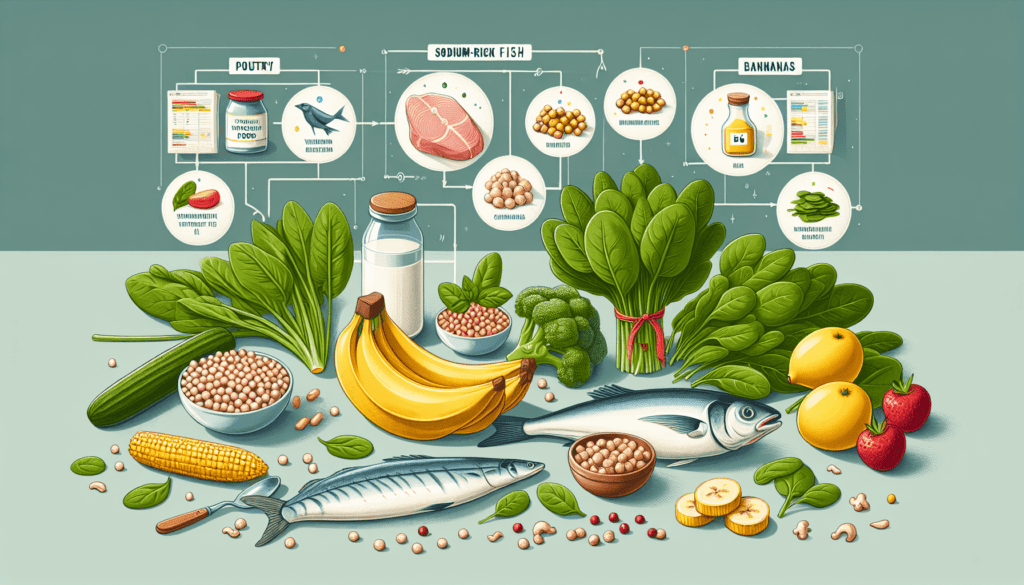
A variety of beans and legumes can help you avoid Vitamin B6 deficiency. Chickpeas, also known as garbanzo beans, are a popular choice and can be used in various dishes, including hummus and stews. Lentils, whether red, green, or brown, are another great source of Vitamin B6 and also provide iron and fiber. Soybeans, commonly used to make tofu and edamame, are a nutritious option to consider. Black beans and kidney beans are also rich in Vitamin B6 and make a great addition to salads, soups, and side dishes.
4. Nuts and Seeds
Nuts and seeds are not only crunchy and flavorful but also packed with essential nutrients, including Vitamin B6. Pistachios are a great snack choice and can provide you with a good amount of this vitamin. Sunflower seeds, whether enjoyed on their own or added to salads and baked goods, are another excellent source of Vitamin B6. Flaxseeds are not only rich in Omega-3 fatty acids and fiber but also contain a good amount of Vitamin B6. Sesame seeds, whether in the form of tahini or sprinkled on top of dishes, are a flavorful way to boost your Vitamin B6 intake. Don’t forget about peanuts and cashews, which can be enjoyed as a snack or added to various recipes, providing you with this essential vitamin.

5. Whole Grains
Incorporating whole grains into your diet is not only beneficial for overall health but can also help you avoid Vitamin B6 deficiency. Oats, whether enjoyed as oatmeal or added to baked goods, are a great way to start your day with a healthy dose of this vitamin. Brown rice is a versatile grain that can be used as a base for various dishes and is a good source of Vitamin B6. Quinoa, known for its high protein content, is also rich in this essential vitamin. Barley, commonly used in soups and stews, can contribute to your Vitamin B6 intake. Finally, buckwheat, a gluten-free grain alternative, is not only nutritious but also contains a good amount of Vitamin B6.
6. Vegetables
Including a variety of vegetables in your diet is essential for overall health and can also help you meet your Vitamin B6 needs. Spinach, whether enjoyed raw in salads or cooked in various dishes, is not only packed with iron but also contains a good amount of Vitamin B6. Sweet potatoes, known for their rich orange color and sweet flavor, are a nutritious vegetable that can provide you with this essential vitamin. Broccoli, often referred to as a superfood, is not only high in fiber and antioxidants but also contains a good dose of Vitamin B6. Bell peppers, whether red, yellow, or green, are a colorful addition to your meals that can boost your Vitamin B6 intake. Lastly, asparagus, whether grilled, roasted, or steamed, is a tasty vegetable that can contribute to your Vitamin B6 needs.
7. Fruits
Incorporating fruits into your diet is not only refreshing but can also help you meet your Vitamin B6 requirements. Bananas, a popular and widely available fruit, are not only a great source of potassium but also contain a decent amount of Vitamin B6. Avocado, known for its creamy texture and healthy fats, is another fruit that can provide you with this essential vitamin. Mango, with its juicy and tropical flavor, is a delicious way to boost your Vitamin B6 intake. Papaya, whether enjoyed fresh or added to smoothies and salads, is not only rich in digestive enzymes but also contains a good amount of Vitamin B6. Lastly, watermelon, a hydrating and refreshing fruit, can contribute to your Vitamin B6 needs.
8. Fortified Foods
Fortified foods are products that have been enriched with additional vitamins and minerals. When it comes to Vitamin B6, fortified cereals can be a convenient and tasty way to meet your requirements. Fortified soy products, such as tofu and soy milk, are not only plant-based alternatives but also can provide you with a good amount of Vitamin B6. Additionally, fortified plant-based milk options, such as almond milk and oat milk, offer a dairy-free way to obtain this essential vitamin.
9. Meat and Organ Meats
Meat and organ meats can be excellent sources of various nutrients, including Vitamin B6. Beef is a protein-rich meat that can provide you with a good dose of this essential vitamin. Liver, although not as commonly consumed, is highly nutritious and contains a significant amount of Vitamin B6. Kidneys, whether from beef, pork, or lamb, are organ meats that can be incorporated into dishes to boost your Vitamin B6 intake. If you consume meat, including these options can help you avoid Vitamin B6 deficiency.
10. Dairy Products
Dairy products, although not suitable for everyone, can be a good source of Vitamin B6. Milk, whether cow’s milk or plant-based alternatives such as soy milk or almond milk, contains a moderate amount of this essential vitamin. Cheese, whether soft or hard, provides you with not only a delicious addition to meals but also contributes to your Vitamin B6 intake. Lastly, yogurt, whether enjoyed on its own or added to smoothies and savory dishes, is a nutritious dairy product that contains a good amount of Vitamin B6.
In conclusion, incorporating a variety of foods into your diet can help you avoid Vitamin B6 deficiency. Poultry, fish and seafood, beans and legumes, nuts and seeds, whole grains, vegetables, fruits, fortified foods, meat and organ meats, and dairy products all offer good sources of Vitamin B6. By including these foods in your daily meals, you can ensure you’re getting enough Vitamin B6 to support your overall health and well-being.