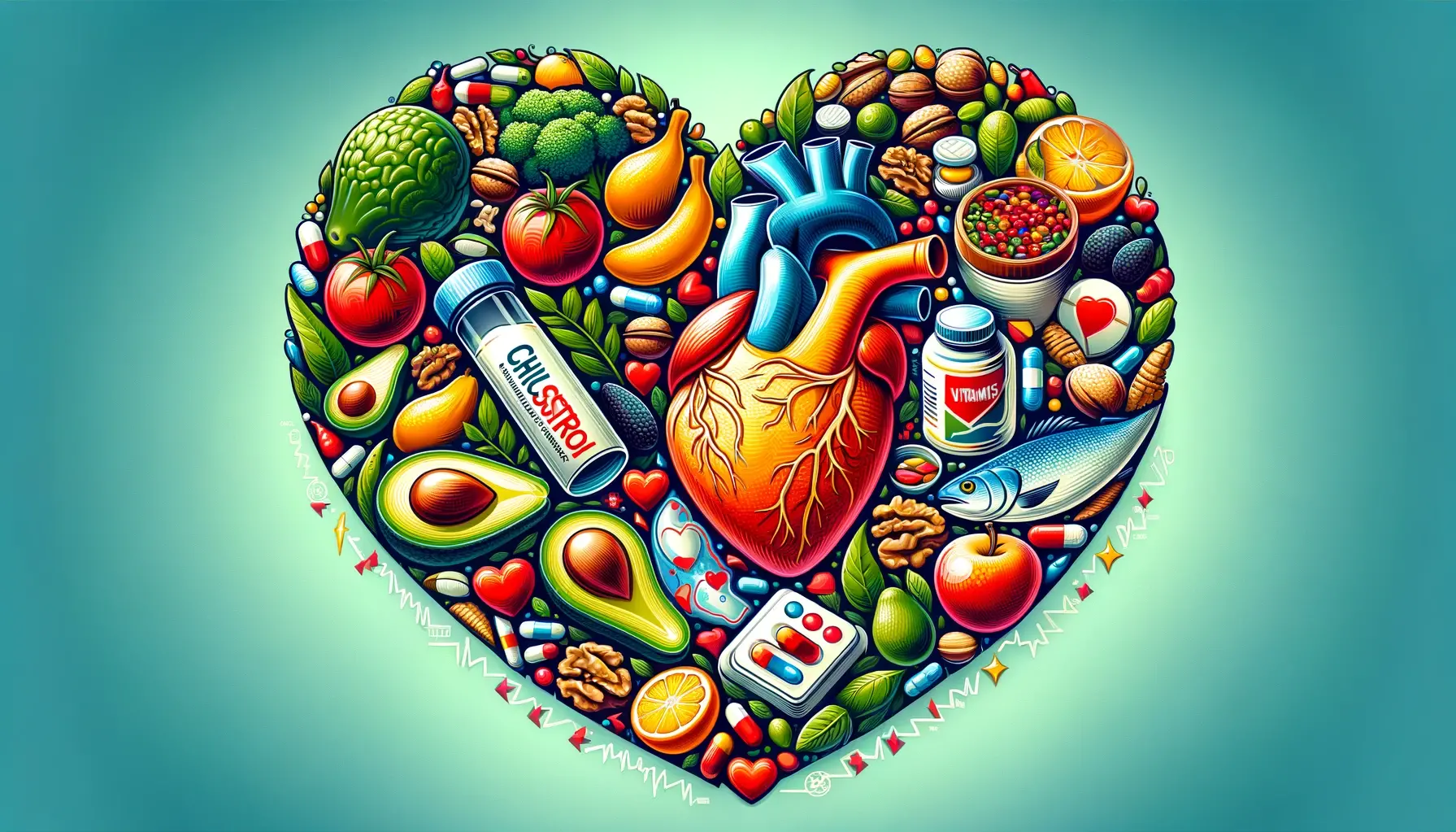
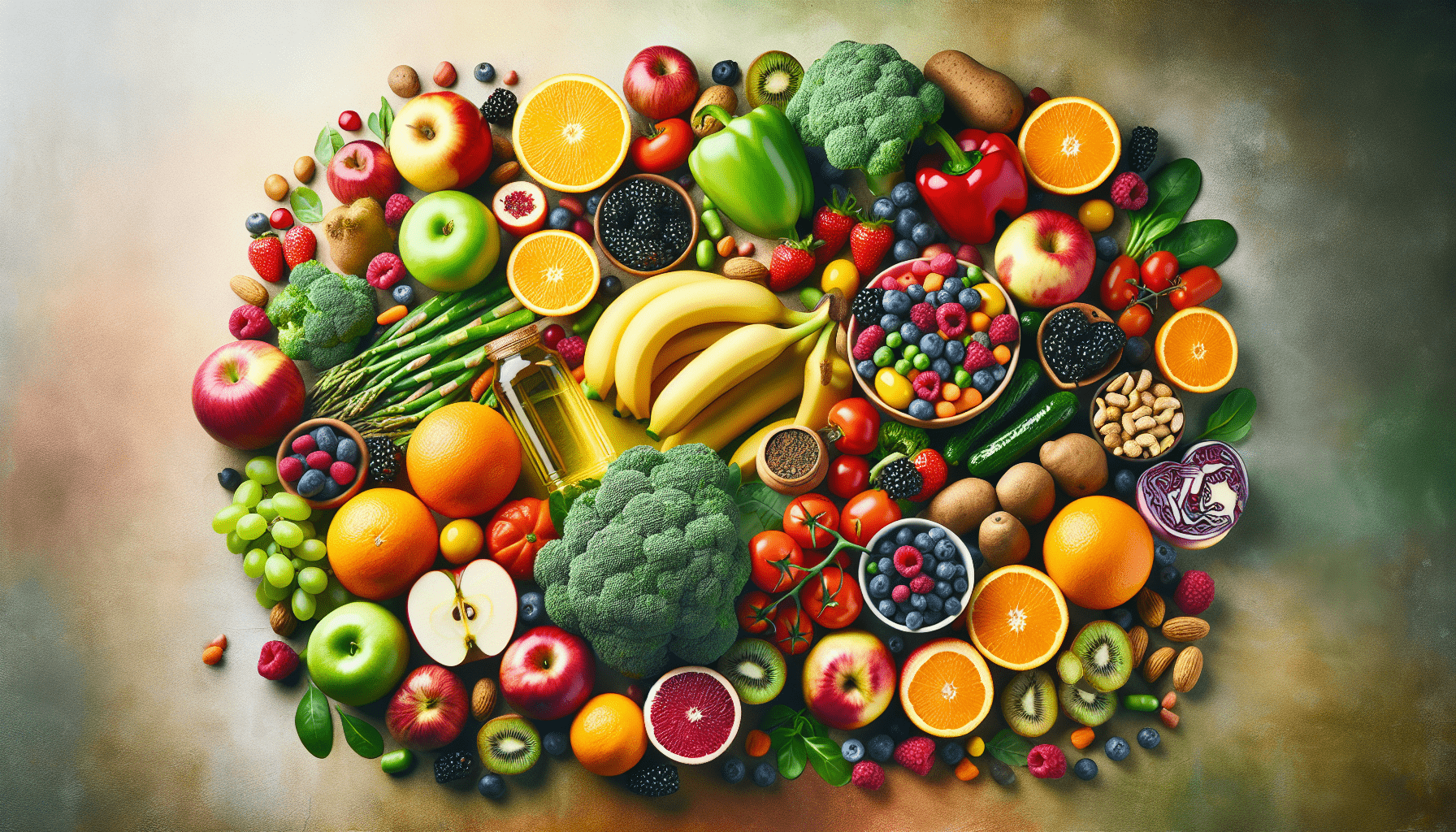
Have you ever wondered how to incorporate cholesterol-lowering vitamins into your daily meals? Look no further! “Cholesterol-Lowering Vitamins: A Complete Guide to Cooking with Nutrient-Dense Ingredients” is here to provide you with all the information you need. From simple yet delicious recipes to a breakdown of the best nutrient-dense ingredients, this guide will take you on a flavorful and health-enhancing culinary journey. Say goodbye to boring meals and hello to a heart-healthy lifestyle!
Understanding Cholesterol
Cholesterol, a substance found in the body, plays a crucial role in various bodily functions. It is important to understand the different types of cholesterol to effectively manage your cholesterol levels.
Types of cholesterol
There are two main types of cholesterol: LDL (low-density lipoprotein) and HDL (high-density lipoprotein). LDL cholesterol is often referred to as “bad” cholesterol because high levels of it can build up and clog arteries, increasing the risk of heart disease. On the other hand, HDL cholesterol is known as “good” cholesterol as it helps transport excess cholesterol back to the liver for removal from the body.
The role of cholesterol in the body
Cholesterol serves several essential functions in the body. It is required to produce hormones, including cortisol, estrogen, and testosterone. Cholesterol is also necessary for the synthesis of vitamin D and bile acids, which aid in the digestion and absorption of fats. However, it is important to maintain a balance and manage cholesterol levels to prevent any adverse health effects.
The importance of managing cholesterol levels
Maintaining healthy cholesterol levels is essential for overall well-being. High levels of LDL cholesterol can contribute to the buildup of plaque in the arteries, increasing the risk of heart disease and stroke. On the other hand, adequate levels of HDL cholesterol can help protect against these conditions. By managing cholesterol levels, you can reduce the risk of cardiovascular diseases and promote better overall health.
Nutrient-Dense Ingredients for Lowering Cholesterol
Choosing the right ingredients is key to managing cholesterol levels effectively. Incorporating nutrient-dense foods into your diet can help lower LDL cholesterol and improve heart health.
Fruits and vegetables
Fruits and vegetables are packed with essential nutrients, fiber, and antioxidants, making them excellent choices for maintaining healthy cholesterol levels. Berries, such as blueberries and strawberries, are rich in antioxidants that can help prevent cholesterol oxidation. Leafy greens like spinach and kale are high in fiber and can assist in reducing LDL cholesterol levels. By including a variety of colorful fruits and vegetables in your diet, you can support heart health and lower cholesterol levels.
Whole grains
Whole grains, such as oats, quinoa, and brown rice, are excellent sources of fiber that can aid in reducing LDL cholesterol. They also provide essential nutrients like vitamins, minerals, and antioxidants. Including whole grains in your meals can be as simple as opting for whole wheat bread or swapping refined grains with whole grain alternatives. This small change can have a significant impact on your cholesterol levels and overall well-being.
Lean proteins
Choosing lean sources of protein, such as skinless poultry, fish, legumes, and tofu, can have a positive impact on cholesterol levels. These protein-rich options are typically lower in saturated fat, which is known to increase LDL cholesterol. Incorporating lean proteins into your meals not only supports heart health but also provides essential amino acids and nutrients.
Healthy fats
Contrary to popular belief, not all fats are unhealthy. Including healthy fats, such as those found in avocados, nuts, seeds, and olive oil, can actually help lower LDL cholesterol levels. These monounsaturated and polyunsaturated fats have been shown to have heart-healthy benefits. Adding a drizzle of olive oil to your salad or enjoying a handful of nuts as a snack can be a tasty way to incorporate these heart-healthy fats into your diet.
Cooking Techniques for Retaining Nutrients
The way we cook our food can significantly impact its nutritional value. To retain the maximum amount of nutrients while preparing meals, consider using these cooking techniques.
Steaming
Steaming is a gentle and effective cooking method that helps retain the natural flavors, colors, and nutrients in ingredients. By using a steamer basket or an electric steamer, you can cook vegetables, fish, and poultry while minimizing the loss of nutrients. Steaming also requires minimal added fats, making it a heart-healthy option for preparing nutrient-dense meals.
Baking
Baking is a versatile cooking technique that can be used to cook a variety of foods, from vegetables to lean proteins. By using your oven to bake instead of frying, you can reduce the amount of added fats in your recipes. Baking also allows for a caramelization process that enhances flavors without compromising the nutritional value of your ingredients. It is important to note that excessive baking time or high temperatures can lead to nutrient loss, so it’s best to bake at moderate temperatures and monitor cooking times.
Grilling
Grilling is a popular cooking method that can impart a smoky flavor to your meals without excessive added fats. It is a great way to cook lean proteins like chicken, fish, or vegetables. By grilling your food, you can reduce the need for oils or butter, promoting heart-healthy cooking. However, it is important to avoid charring or overcooking your food, as burnt portions may contain harmful compounds.
Sautéing
Sautéing involves cooking food quickly in a small amount of oil or cooking spray. This method allows for the preservation of nutrients, especially in vegetables, while also enhancing flavors. It is important to use heart-healthy oils like olive oil or avocado oil to maintain the overall health benefits of your dish. Sautéing can be a versatile cooking technique, enabling you to incorporate nutrient-dense ingredients into your meals while keeping them delicious.
Incorporating Cholesterol-Lowering Vitamins into Your Diet
Certain vitamins have been shown to have cholesterol-lowering effects, making them valuable additions to your diet. By including these vitamins in your meals, you can further support your journey towards healthy cholesterol levels.
Vitamin C
Vitamin C is not only important for immune function but also plays a role in cholesterol management. Foods rich in vitamin C, such as citrus fruits, strawberries, bell peppers, and leafy greens, can help lower LDL cholesterol levels. Including these vitamin C-packed ingredients in your salads, smoothies, or stir-fries can provide a delicious way to support heart health.
Vitamin E
Vitamin E is a powerful antioxidant that can help prevent cholesterol oxidation. Nuts, seeds, avocados, and vegetable oils, such as olive oil and sunflower oil, are excellent sources of vitamin E. Adding a handful of almonds to your snack or drizzling some avocado oil on your salad can give you a tasty dose of this cholesterol-lowering vitamin.
Vitamin B3
Also known as niacin, vitamin B3 has been shown to raise HDL cholesterol levels while lowering LDL cholesterol levels. Foods rich in vitamin B3 include lean meats, fish, whole grains, and legumes. Incorporating these nutrient-dense ingredients into your meals can provide a natural way to improve your cholesterol profile.
Vitamin B6
Vitamin B6 plays a vital role in cholesterol metabolism and can support healthy cholesterol levels. You can find vitamin B6 in foods like fish, poultry, beans, nuts, and whole grains. Including these ingredients in your recipes can not only contribute to cholesterol management but also provide you with essential nutrients.
Vitamin B9
Vitamin B9, or folate, has been associated with reduced levels of LDL cholesterol. Leafy greens, legumes, citrus fruits, and fortified cereals are excellent sources of vitamin B9. By incorporating these ingredients into your diet, you can promote heart health and keep your cholesterol levels in check.
Recipes for Lowering Cholesterol
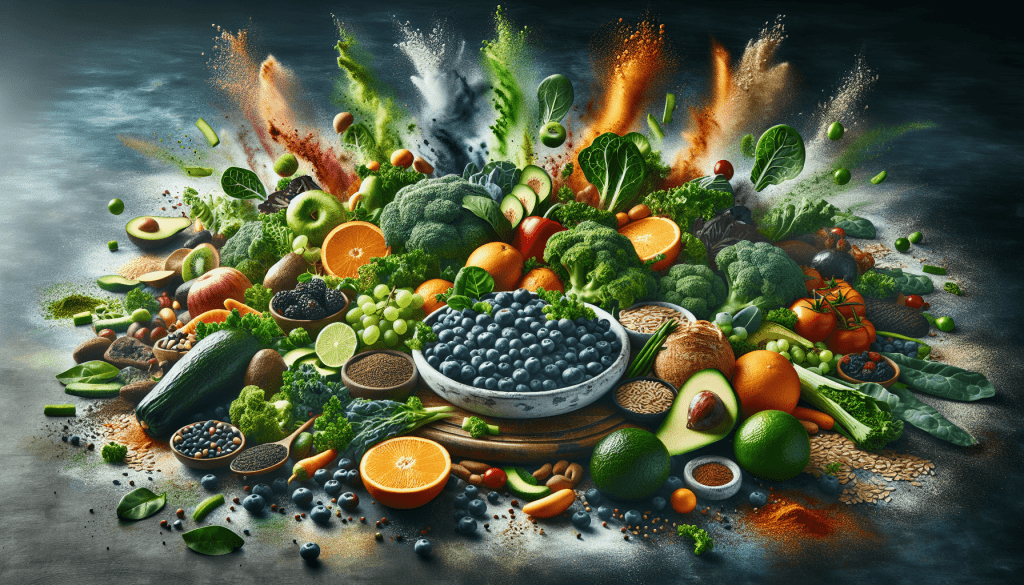
Preparing delicious meals that help manage cholesterol levels can be both enjoyable and beneficial to your health. Here are some nutrient-dense recipes to get you started on your cholesterol-lowering journey.
Breakfast: Spinach and mushroom omelet
Ingredients:
- 3 eggs
- 1 cup fresh spinach, chopped
- 1/2 cup mushrooms, sliced
- 2 tablespoons reduced-fat cheese, grated
- Salt and pepper to taste
Instructions:
- In a non-stick skillet, sauté the mushrooms until tender. Set them aside.
- In a bowl, whisk the eggs and season with salt and pepper.
- Pour the egg mixture into the skillet and cook over medium heat until the edges start to set.
- Sprinkle the cooked mushrooms, spinach, and grated cheese over one side of the omelet.
- Fold the other side of the omelet over the filling and cook for an additional minute or until the cheese melts.
- Serve hot and enjoy a cholesterol-friendly breakfast!
Lunch: Quinoa salad with grilled chicken
Ingredients:
- 1 cup cooked quinoa
- 4 ounces grilled chicken breast, sliced
- 1 cup cherry tomatoes, halved
- 1/2 cucumber, diced
- 1/4 cup red onion, finely chopped
- 1/4 cup feta cheese, crumbled
- 2 tablespoons fresh lemon juice
- 2 tablespoons extra-virgin olive oil
- Salt and pepper to taste
Instructions:
- In a large bowl, combine the cooked quinoa, grilled chicken breast, cherry tomatoes, cucumber, and red onion.
- In a separate small bowl, whisk together the lemon juice, olive oil, salt, and pepper to make the dressing.
- Drizzle the dressing over the quinoa salad and toss gently to coat all the ingredients.
- Sprinkle the crumbled feta cheese over the top.
- Serve chilled and enjoy a satisfying and cholesterol-friendly lunch!
Dinner: Baked salmon with roasted vegetables
Ingredients:
- 4 salmon fillets
- 1 tablespoon olive oil
- 1 teaspoon dried dill
- 1/2 teaspoon garlic powder
- Salt and pepper to taste
- 4 cups mixed vegetables (e.g., broccoli, bell peppers, carrots)
Instructions:
- Preheat your oven to 400°F (200°C).
- In a small bowl, mix together the olive oil, dried dill, garlic powder, salt, and pepper.
- Place the salmon fillets on a baking sheet lined with parchment paper.
- Brush the salmon fillets with the oil and spice mixture.
- Toss the mixed vegetables with the remaining oil and spice mixture in a separate bowl.
- Arrange the seasoned vegetables around the salmon fillets on the baking sheet.
- Bake for 15-20 minutes, or until the salmon is cooked through and the vegetables are tender.
- Serve hot and savor a delicious and heart-healthy dinner!
Snack: Avocado and tomato salsa with whole grain crackers
Ingredients:
- 1 ripe avocado, diced
- 1 medium tomato, diced
- 1/4 cup red onion, finely chopped
- 1/4 cup fresh cilantro, chopped
- 1 jalapeño pepper, seeds removed and finely chopped (optional for spice)
- Juice of 1 lime
- Salt and pepper to taste
- Whole grain crackers
Instructions:
- In a bowl, combine the diced avocado, tomato, red onion, cilantro, and jalapeño pepper (if using).
- Squeeze the lime juice over the mixture and gently toss to combine.
- Season with salt and pepper to taste.
- Serve the avocado and tomato salsa with whole grain crackers for a cholesterol-friendly snack that’s bursting with flavor!
Dessert: Mixed berry smoothie with flaxseeds
Ingredients:
- 1 cup mixed berries (e.g., strawberries, blueberries, raspberries)
- 1 banana
- 1 cup almond milk (or any milk of your choice)
- 1 tablespoon flaxseeds
- 1 teaspoon honey (optional for sweetness)
- Ice cubes (optional)
Instructions:
- In a blender, combine the mixed berries, banana, almond milk, flaxseeds, honey (if using), and a few ice cubes.
- Blend until smooth and creamy.
- Pour into a glass and enjoy a refreshing and cholesterol-friendly dessert!
Preventing Cholesterol Oxidation
Cholesterol oxidation, which occurs when cholesterol reacts with oxygen, can lead to the formation of harmful compounds. To prevent cholesterol oxidation and maintain the integrity of your ingredients, consider the following practices.
Avoiding high-heat cooking methods
Cooking at excessively high temperatures can increase the chances of cholesterol oxidation in food. It is important to avoid deep frying or cooking food at high temperatures for prolonged periods. Instead, opt for gentler cooking techniques like steaming, baking, grilling, or sautéing at moderate temperatures to preserve the nutritional value and minimize potential oxidative damage.
Using antioxidant-rich ingredients
Incorporating antioxidant-rich ingredients into your recipes can help counteract the effects of cholesterol oxidation. Antioxidants, such as vitamin C and vitamin E, can scavenge free radicals and protect against oxidative stress. Include ingredients like citrus fruits, berries, spinach, nuts, and seeds in your meals to boost your antioxidant intake and enhance your body’s defense against cholesterol oxidation.
Storing ingredients properly to maintain freshness
Proper storage can help maintain the freshness and nutritive value of ingredients. Store perishable foods, especially fruits and vegetables, in the refrigerator to slow down any possible oxidation processes. Additionally, keeping ingredients in airtight containers can prevent exposure to air, moisture, and light, which can all contribute to the oxidation of cholesterol. By following proper storage practices, you can maximize the nutritional benefits of the ingredients you use in your meals.
The Benefits of Including Avocados in Your Diet
Avocados, often hailed as a nutritional powerhouse, offer numerous benefits when it comes to managing cholesterol levels. From being a source of healthy fats to a nutrient-dense ingredient, avocados deserve a place in your cholesterol-lowering diet.
Avocados as a source of healthy fats
Avocados are rich in monounsaturated fats, which have been shown to improve cholesterol levels by lowering LDL cholesterol and increasing HDL cholesterol. These heart-healthy fats can also help reduce the risk of heart disease when consumed as part of a balanced diet. Incorporating avocados into your meals can be a delicious way to enjoy the benefits of these healthy fats.
Avocados as a nutrient-dense ingredient
In addition to healthy fats, avocados are packed with essential nutrients. They are a good source of dietary fiber, vitamins C, E, B6, and folate, as well as minerals like potassium and magnesium. Adding avocados to your recipes can provide valuable nutrients that support overall health and well-being.
Avocados as a cholesterol-lowering food
Several studies have shown that avocados can help lower LDL cholesterol levels. They contain a unique combination of nutrients, such as phytosterols and soluble fiber, that contribute to cholesterol management. By regularly including avocados in your diet, you can promote better heart health and improve your cholesterol profile.
The Role of Fiber in Lowering Cholesterol
Fiber is an important component of a cholesterol-lowering diet. Its impact on cholesterol levels, different types of dietary fiber, and fiber-rich foods that can be added to your meals are all worth understanding.
Different types of dietary fiber
Dietary fiber is classified into two main types: soluble fiber and insoluble fiber. Soluble fiber dissolves in water and forms a gel-like substance that helps lower LDL cholesterol levels by binding to cholesterol in the digestive system before it is absorbed. Insoluble fiber, on the other hand, adds bulk to the stool and helps promote regular bowel movements. Both types of fiber have their unique benefits and should be incorporated into your diet for optimal health.
The impact of fiber on cholesterol levels
When consumed regularly as part of a healthy diet, soluble fiber has been shown to lower LDL cholesterol levels. By binding to cholesterol in the digestive system, soluble fiber reduces its absorption, translating into improved cholesterol profiles. Insoluble fiber, although not directly affecting cholesterol, plays a crucial role in maintaining overall digestive health and preventing constipation.
Fiber-rich foods to add to your diet
Incorporating fiber-rich foods into your meals can help lower cholesterol levels and promote better heart health. Whole grains, legumes, fruits, vegetables, and nuts are all excellent sources of dietary fiber. Opt for whole grain cereals, brown rice, lentils, apples, broccoli, and almonds in your recipes to increase your fiber intake. By adding these fiber-rich ingredients to your meals, you can support your journey towards healthy cholesterol levels.
Tips for Incorporating Nutrient-Dense Ingredients into Your Recipes
Incorporating nutrient-dense ingredients into your recipes doesn’t have to be a daunting task. With a few simple tips, you can make your meals both nutritious and delicious.
Start with small changes
Making small changes to your recipes can have a big impact on their nutritional value. Replace refined grains with whole grains, swap saturated fats with healthy fats, and incorporate more fruits and vegetables into your meals. Start by making one small change at a time, such as using whole wheat pasta instead of regular pasta, and gradually build up from there.
Experiment with new ingredients
Don’t be afraid to try new ingredients and experiment with different flavors. Incorporate unfamiliar fruits, vegetables, and whole grains into your recipes to add variety and increase your nutrient intake. You may discover new favorites and find exciting ways to boost the nutritional value of your meals.
Pair flavors and textures
Combining ingredients with complementary flavors and textures can elevate your dishes and make them more enjoyable. Mix sweet and savory, crunchy and creamy, or spicy and tangy elements to create a well-rounded and satisfying meal. Consider adding a handful of nuts to your salad for some crunch or using herbs and spices to enhance the taste of your dishes without excessive sodium or fats.
Get creative with seasonings and spices
Seasonings and spices can transform a simple dish into a culinary delight. Explore different herbs, spices, and spice blends to add depth of flavor to your recipes. Not only will this elevate the taste of your meals, but it can also help reduce the need for extra salt, sugar, or unhealthy fats. Be adventurous and let your taste buds guide you!
Consulting a Healthcare Professional
While incorporating nutrient-dense ingredients and making positive lifestyle changes can help manage cholesterol levels, it is essential to consult a healthcare professional for personalized guidance.
Seeking guidance from a registered dietitian
A registered dietitian can provide personalized advice and guidance when it comes to managing cholesterol levels. They can offer expert knowledge on cholesterol-lowering diets, meal planning, and individualized recommendations based on your unique needs. Consult a registered dietitian to develop a tailored plan that aligns with your health goals.
Discussing cholesterol-lowering goals with your doctor
Your doctor plays a crucial role in managing cholesterol levels and overall heart health. Discuss your specific cholesterol-lowering goals with your doctor, who can assess your current health status, prescribe medications if necessary, and monitor your progress. Regular check-ups and open communication with your doctor are vital components of effective cholesterol management.
Remember, managing cholesterol levels is a lifelong commitment to your well-being. By understanding cholesterol, incorporating nutrient-dense ingredients, making smart cooking choices, and consulting healthcare professionals, you can take control of your cholesterol and promote a healthier, happier life.