Navigating The Healthcare System For Cholesterol Management: Tips From Professionals
Have you ever felt overwhelmed when trying to navigate the healthcare system for cholesterol management? Don’t worry, you’re not alone. With so many different healthcare providers, medications, and guidelines to follow, it can be confusing to know where to start. In this article, we’ll provide you with tips from healthcare professionals on how to navigate the healthcare system for cholesterol management effectively.
Understanding Cholesterol
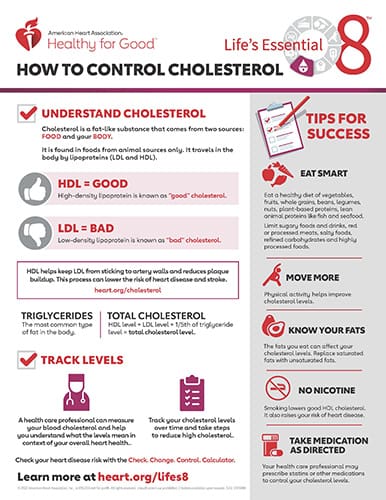
Cholesterol is a waxy substance that is found in your blood. It is essential for building healthy cells, but too much cholesterol can increase your risk of heart disease. There are two main types of cholesterol:
-
Low-Density Lipoprotein (LDL): Known as the “bad” cholesterol, high levels of LDL cholesterol can lead to plaque buildup in your arteries, increasing your risk of heart disease.
-
High-Density Lipoprotein (HDL): Known as the “good” cholesterol, HDL helps remove LDL cholesterol from your bloodstream, lowering your risk of heart disease.
Understanding your cholesterol levels is the first step in cholesterol management. Ask your healthcare provider for a lipid panel test to measure your cholesterol levels.
Choosing the Right Healthcare Provider
When it comes to managing your cholesterol, having the right healthcare provider on your team is crucial. Consider the following tips when choosing a healthcare provider for cholesterol management:
-
Cardiologist: If you have a history of heart disease or other risk factors, consider seeing a cardiologist for cholesterol management. Cardiologists specialize in diagnosing and treating heart conditions.
-
Primary Care Physician: Your primary care physician can also help manage your cholesterol levels. They can perform routine screenings, prescribe medications, and provide ongoing care for your cholesterol management.
-
Registered Dietitian: A registered dietitian can help you create a heart-healthy diet plan to manage your cholesterol levels. They can provide guidance on which foods to eat and avoid to improve your cholesterol levels.
Choosing the right healthcare provider for cholesterol management can make a significant difference in your overall health outcomes.
Collaborating with Your Healthcare Team
Once you have chosen the right healthcare providers for your cholesterol management, it’s essential to collaborate with them as a team. Here are some tips for effective collaboration with your healthcare team:
-
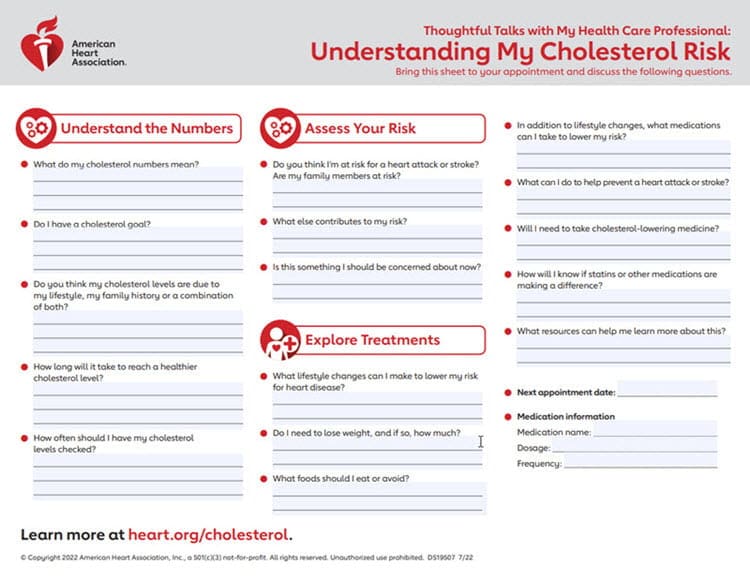
Communicate openly: Be honest with your healthcare providers about your lifestyle habits, medications, and any symptoms you may be experiencing. Effective communication can help your healthcare team make informed decisions about your cholesterol management.
-
Ask questions: Don’t be afraid to ask your healthcare providers questions about your cholesterol levels, medications, or treatment plan. Understanding your cholesterol management plan can help you take an active role in your healthcare.
-
Follow up: Schedule regular follow-up appointments with your healthcare providers to monitor your cholesterol levels and track your progress. Regular monitoring is essential for effective cholesterol management.
By collaborating with your healthcare team, you can develop a personalized cholesterol management plan that fits your individual needs and goals.
Medications for Cholesterol Management
In some cases, lifestyle changes alone may not be enough to manage your cholesterol levels. Your healthcare provider may recommend medications to help lower your cholesterol. There are several types of medications used for cholesterol management:
-
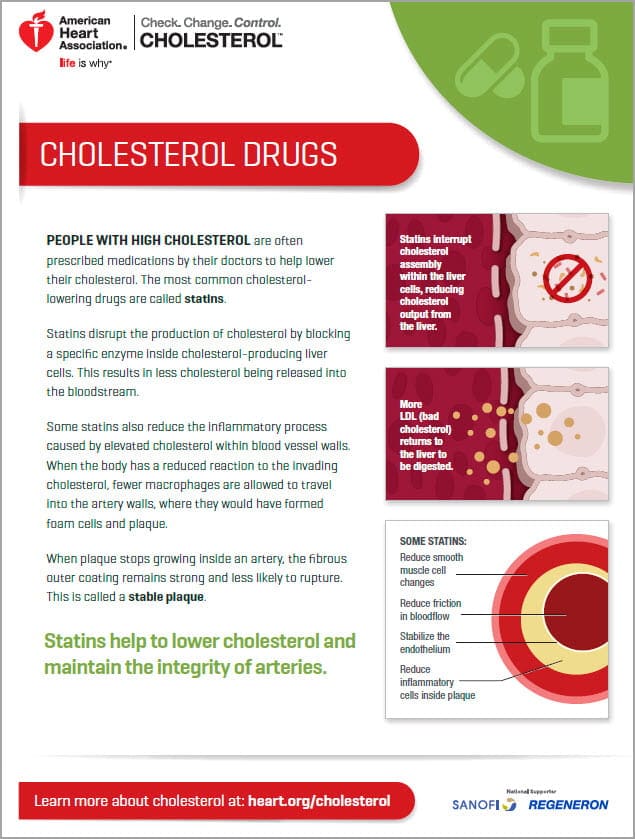
Statins: Statins are the most commonly prescribed medications for lowering cholesterol. They work by blocking a substance your liver needs to make cholesterol, helping to reduce LDL cholesterol levels.
-
Ezetimibe: Ezetimibe works by reducing the amount of cholesterol absorbed by your intestines. It is often prescribed in combination with statins for more effective cholesterol management.
-
PCSK9 Inhibitors: PCSK9 inhibitors are a newer class of medications that can help lower LDL cholesterol levels. They are often used in combination with other cholesterol-lowering medications for patients with high cholesterol levels.
Your healthcare provider will determine the most appropriate medications for your cholesterol management based on your cholesterol levels, overall health, and personal preferences.
Lifestyle Changes for Cholesterol Management
In addition to medications, lifestyle changes play a crucial role in managing your cholesterol levels. Here are some tips for making heart-healthy lifestyle changes:
-
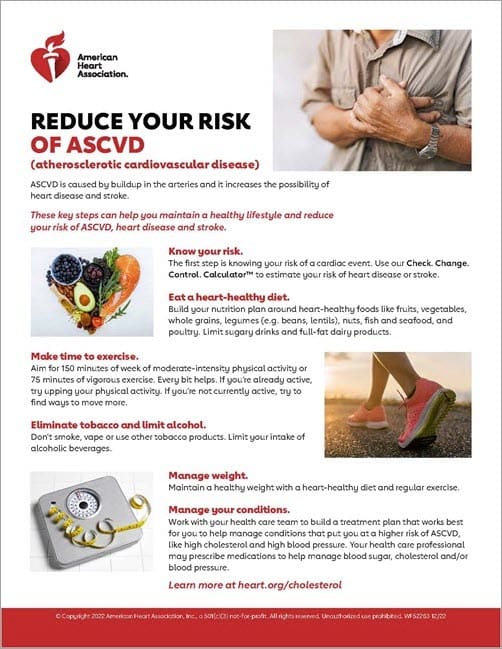
Eat a heart-healthy diet: Focus on eating a diet rich in fruits, vegetables, whole grains, and lean proteins. Limit saturated fats, trans fats, and cholesterol in your diet to improve your cholesterol levels.
-
Exercise regularly: Aim for at least 30 minutes of moderate-intensity exercise most days of the week. Regular physical activity can help lower LDL cholesterol and increase HDL cholesterol levels.
-
Maintain a healthy weight: Being overweight or obese can increase your risk of high cholesterol. Losing weight through diet and exercise can help improve your cholesterol levels and overall health.
-
Quit smoking: Smoking can lower your HDL cholesterol levels and increase your risk of heart disease. Quitting smoking can improve your cholesterol levels and reduce your risk of heart disease.
By making these lifestyle changes, you can improve your cholesterol levels, reduce your risk of heart disease, and enhance your overall health and well-being.
Monitoring Your Cholesterol Levels
Regular monitoring of your cholesterol levels is essential for effective cholesterol management. Your healthcare provider may recommend regular lipid panel tests to measure your cholesterol levels. Here are some guidelines for monitoring your cholesterol levels:
| Cholesterol Level | Guidelines |
|---|---|
| LDL Cholesterol | Less than 100 mg/dL: Optimal |
| 100-129 mg/dL: Near optimal | |
| 130-159 mg/dL: Borderline high | |
| 160-189 mg/dL: High | |
| 190 mg/dL and above: Very high | |
| HDL Cholesterol | Less than 40 mg/dL: Low (increased risk of heart disease) |
| 40 mg/dL and above: Ideal | |
| Total Cholesterol | Less than 200 mg/dL: Desirable |
| Triglycerides | Less than 150 mg/dL: Normal |
Be sure to follow your healthcare provider’s recommendations for monitoring your cholesterol levels and discuss any concerns or questions you may have about your cholesterol management plan.
Resources for Cholesterol Management
Managing your cholesterol can be a complex process, but there are resources available to help you navigate the healthcare system effectively. Here are some resources for cholesterol management:
-
American Heart Association: The American Heart Association provides information and resources on heart-healthy living, including tips for managing your cholesterol levels.
-
National Cholesterol Education Program: The National Cholesterol Education Program offers guidelines and resources for managing cholesterol through lifestyle changes and medications.
-
Cholesterol Management Apps: There are several apps available that can help you track your cholesterol levels, monitor your diet and exercise, and stay on top of your cholesterol management plan.
By utilizing these resources, you can empower yourself to take control of your cholesterol management and improve your heart health.
Conclusion
Navigating the healthcare system for cholesterol management can be challenging, but by following the tips and guidelines provided in this article, you can effectively manage your cholesterol levels and reduce your risk of heart disease. Remember to work closely with your healthcare team, make heart-healthy lifestyle changes, monitor your cholesterol levels regularly, and utilize available resources for cholesterol management. Taking an active role in your cholesterol management can lead to better health outcomes and a healthier future.
If you have any questions or concerns about your cholesterol management plan, don’t hesitate to reach out to your healthcare provider. Your healthcare team is there to support you and help you navigate the healthcare system for optimal cholesterol management. Start your journey to better heart health today by taking the first step towards managing your cholesterol effectively.
By implementing these tips and guidelines from healthcare professionals, you can navigate the healthcare system for cholesterol management with confidence and achieve positive outcomes for your overall health and well-being.