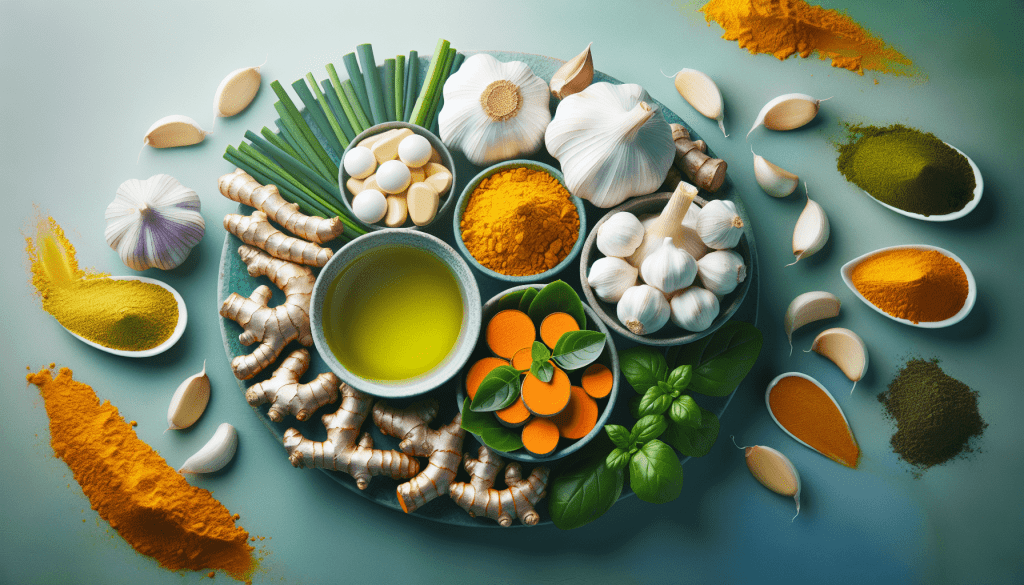

Welcome to an informative article on the benefits of using herbal supplements for managing cholesterol levels in your body. Many people are turning to natural remedies to support their heart health and keep their cholesterol in check. With the help of herbal supplements like garlic, turmeric, and ginger, you can potentially lower your cholesterol levels and reduce your risk of heart disease. Read on to discover how these herbal remedies can help you maintain a healthy heart and improve your overall well-being. Have you been looking for natural ways to manage your cholesterol levels? Using herbal supplements can be a great option to help control your cholesterol and promote overall heart health. In this article, we will explore the benefits of using herbal supplements for managing cholesterol and provide you with valuable information to help you make informed decisions about your health.
Understanding Cholesterol
Cholesterol is a waxy, fat-like substance that is found in every cell of your body. It is essential for the production of hormones, vitamin D, and bile acids that help digest fat. However, having high levels of cholesterol can increase your risk of developing heart disease and other health problems. There are two main types of cholesterol: low-density lipoprotein (LDL) and high-density lipoprotein (HDL). LDL cholesterol, often referred to as “bad” cholesterol, can build up in the walls of your arteries and lead to atherosclerosis, while HDL cholesterol, known as “good” cholesterol, helps remove LDL cholesterol from your arteries.
Factors Contributing to High Cholesterol
Several factors can contribute to high cholesterol levels, including genetics, diet, physical activity, and lifestyle choices. Eating a diet high in saturated fats, trans fats, and cholesterol can increase LDL cholesterol levels. Lack of physical activity, smoking, obesity, and excessive alcohol consumption can also negatively impact your cholesterol levels. Additionally, certain medical conditions such as diabetes, hypothyroidism, and kidney disease can contribute to high cholesterol.
Herbal Supplements for Managing Cholesterol
Herbal supplements have been used for centuries in traditional medicine to support heart health and manage cholesterol levels. Many herbs contain compounds that have been shown to lower LDL cholesterol, increase HDL cholesterol, and reduce inflammation in the body. It’s essential to note that while herbal supplements can be beneficial for managing cholesterol, they should not be used as a substitute for prescribed medications or lifestyle changes recommended by your healthcare provider.
Popular Herbal Supplements for Lowering Cholesterol
-
Garlic: Garlic is a popular herb known for its cardiovascular benefits. It contains allicin, a compound that has been shown to lower LDL cholesterol levels and raise HDL cholesterol levels. Garlic supplements are available in various forms, including capsules, tablets, and liquid extracts.
-
Turmeric: Turmeric is a bright yellow spice commonly used in Indian cuisine. It contains a powerful compound called curcumin, which has anti-inflammatory properties and may help reduce LDL cholesterol. Turmeric supplements are available in capsules, powders, and teas.
-
Green Tea: Green tea is a popular beverage rich in antioxidants called catechins. Studies have shown that green tea catechins can help lower LDL cholesterol levels and reduce the risk of heart disease. Green tea supplements are available in capsule form for added convenience.
-
Hawthorn: Hawthorn is a flowering plant that has been used in traditional medicine to support heart health. It contains potent antioxidants that can help improve blood flow, lower LDL cholesterol levels, and reduce blood pressure. Hawthorn supplements are available in capsules, tablets, and tinctures.
How Herbal Supplements Work
Herbal supplements work in various ways to help manage cholesterol levels. Some herbs contain compounds that inhibit the synthesis of cholesterol in the liver, while others promote the breakdown and excretion of cholesterol from the body. Additionally, certain herbs have antioxidant and anti-inflammatory properties that can help reduce the inflammation and oxidative stress associated with high cholesterol levels. It’s essential to remember that the effectiveness of herbal supplements can vary from person to person, and it may take time to see results.

Best Practices for Using Herbal Supplements
When using herbal supplements for managing cholesterol, it’s crucial to follow best practices to ensure their safety and effectiveness. Here are some tips to help you get the most out of your herbal supplements:
Consult with a Healthcare Provider
Before starting any herbal supplements, it’s essential to consult with your healthcare provider, especially if you have underlying health conditions or are taking prescribed medications. Your healthcare provider can help you determine the right dosage, potential interactions with medications, and any possible side effects.
Choose High-Quality Supplements
When selecting herbal supplements, opt for high-quality products from reputable brands that are third-party tested for purity and potency. Look for supplements that contain standardized extracts to ensure you are getting the proper dosage of active compounds.
Follow Recommended Dosages
Always follow the recommended dosages provided on the supplement label or as advised by your healthcare provider. Taking more than the recommended dosage can lead to unwanted side effects and may not provide additional benefits.
Monitor Your Cholesterol Levels
Regularly monitor your cholesterol levels through blood tests to track your progress and determine the effectiveness of the herbal supplements. It’s essential to work with your healthcare provider to establish target cholesterol levels and adjust your supplement regimen as needed.
Maintain a Healthy Lifestyle
In addition to taking herbal supplements, it’s essential to maintain a healthy lifestyle to manage your cholesterol levels effectively. Eat a balanced diet rich in fruits, vegetables, whole grains, and lean proteins, engage in regular physical activity, avoid smoking, limit alcohol intake, and manage stress through relaxation techniques.

Risks and Considerations
While herbal supplements can be beneficial for managing cholesterol, there are some risks and considerations to keep in mind. It’s essential to be aware of the following:
Potential Side Effects
Some herbal supplements may cause side effects, especially when taken in high doses or in combination with other medications. Common side effects may include gastrointestinal upset, headaches, allergic reactions, and interactions with medications. It’s crucial to monitor your body’s response to the supplements and consult with your healthcare provider if you experience any adverse reactions.
Drug Interactions
Certain herbal supplements may interact with prescription medications, affecting their effectiveness or causing unwanted side effects. For example, garlic supplements can interact with blood-thinning medications, while turmeric supplements may interfere with antiplatelet drugs. Always inform your healthcare provider about any herbal supplements you are taking to avoid potential interactions.
Quality and Safety Concerns
The herbal supplement industry is not tightly regulated, and some products may contain contaminants, fillers, or inaccurate labeling. To ensure your safety, purchase supplements from reputable sources, look for third-party testing certifications, and avoid products that make unrealistic claims or promises.
Pregnancy and Children
Pregnant women, nursing mothers, and children should exercise caution when using herbal supplements for managing cholesterol. Some herbs may not be safe for these populations or may require specific dosing guidelines. Consult with a healthcare provider before giving herbal supplements to children or using them during pregnancy or breastfeeding.
Conclusion
In conclusion, using herbal supplements can be a natural and effective way to help manage your cholesterol levels and promote heart health. By understanding how herbal supplements work, following best practices, and being aware of potential risks and considerations, you can incorporate these supplements into your daily routine safely. Remember to consult with your healthcare provider before starting any herbal supplements to ensure they are suitable for your individual needs. Take control of your cholesterol levels and overall well-being with the power of herbal supplements.